Gresiofulvin (Griseofulvin) – Patient-Friendly Guide (Australia)
Gresiofulvin (often written as Griseofulvin) is an antifungal medicine used to treat certain skin, hair, and nail infections caused by fungi. This page explains how it works, how to take it, what to expect, key safety points, and practical tips to support successful treatment.
If you are in Australia, you may see different brand names depending on supplier availability. Always check the label on the product you receive and follow the instructions provided with it.
Basic product information
| Feature | Details |
|---|---|
| Medicine name | Gresiofulvin (Griseofulvin) |
| Medicinal class | Antifungal (fungistatic) |
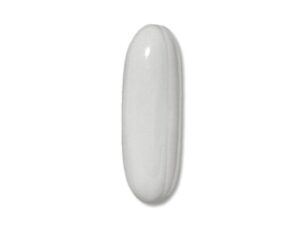
| Typical forms | Tablets or oral suspension (availability may vary by supplier) |
| Common target | Dermatophyte fungi (e.g., tinea/ringworm, athlete’s foot, some scalp infections) |
| How it’s taken | Oral (by mouth) |
| Treatment duration | Often weeks for skin/scalp; months for fungal nail infections |
How Gresiofulvin works (mechanism of action)
Gresiofulvin works by interfering with how fungi build their cell structure. It binds to fungal microtubules (part of the cell’s internal support system), which helps stop the fungus from multiplying effectively.
Because of this, the medicine is considered fungistatic—it helps control and reduce fungal growth while healthy tissue replaces infected tissue. For hair and nails, this typically takes time, which is why treatment often continues long enough for newly formed hair/nail to grow out.
Pharmacokinetics (how your body handles it)
Understanding pharmacokinetics can help explain why timing with food matters and why treatment can take weeks to show full benefit. Key points include:
- Absorption: Gresiofulvin is absorbed from the gut, and absorption is improved with food (particularly meals containing fat).
- Distribution: The medicine distributes to tissues that are affected by dermatophyte infections, including skin, hair, and nails.
- Metabolism: It is metabolised by the liver.
- Elimination: It and its metabolites are removed from the body, mainly via the urine and bile/feces pathways.
- Time to response: Visible improvement may occur after a few weeks for skin infections, but hair/nail improvement can take much longer.
What it’s used for (typical use and indications)
Gresiofulvin is used to treat dermatophyte infections—fungal infections that affect keratin-containing tissues such as skin, hair, and nails. In practice, it may be considered for conditions such as:
- Tinea capitis (scalp ringworm; sometimes with hair involvement)
- Tinea corporis (ringworm of the body)
- Tinea pedis (athlete’s foot)
- Tinea cruris (jock itch)
- Tinea unguium (onychomycosis; fungal nail infection—often needs prolonged treatment)
- Occasionally other dermatophyte-related infections depending on local clinical guidance and confirmed cause
Note: Not all “itchy” or “scaly” rashes are fungal. Different fungal types (for example, yeast-related conditions) may need different medicines. If you’re unsure of the diagnosis, consider medical assessment—especially for scalp or nail problems.
When and how to take it (timing)
A consistent dosing schedule is important. Treatment success depends on keeping adequate levels in the body long enough for healthy tissue to replace infected tissue.
- Take it with food: Taking Gresiofulvin with meals improves absorption. If your product label suggests a specific food approach (for example, with fatty food), follow that guidance.
- Space doses evenly (if multiple per day): If your dosing instructions are for more than once daily, aim for even spacing.
- Do not stop early: Stopping as soon as symptoms improve can allow infection to return.
- Continue long enough for regrowth: Nail and scalp infections often require extended courses to see durable results.
For nail infections in particular, improvement may be slow because the medication must act while the nail grows out. Even when the fungus is controlled, damaged nail changes can take months to look normal.
Food interactions and best-use guidance
Food can meaningfully affect how well Gresiofulvin absorbs. In general, it is recommended to take it with a meal to improve absorption. If you regularly skip meals or take it on an empty stomach, absorption may be reduced, and treatment may be less effective.
- Recommended: Take doses with food.
- Practical tip: Choose a routine that fits your day (e.g., with breakfast and dinner) to maintain adherence.
- Hydration: Drink water with your dose to help swallowing and reduce stomach discomfort.
If you have digestive conditions or significant side effects, speak with a healthcare professional for personalised advice.
Alcohol and medicine interactions
Alcohol can affect the liver and may worsen side effects such as nausea, dizziness, or fatigue—particularly because Gresiofulvin is metabolised in the liver. To minimise risk:
- Limit or avoid alcohol while taking Gresiofulvin, especially if you have a history of liver issues or you notice liver-related symptoms.
- Watch for warning signs: Yellowing of the skin/eyes, dark urine, severe fatigue, right upper abdominal pain, or persistent nausea/vomiting—seek urgent medical advice if these occur.
Medicine interactions: Gresiofulvin can interact with several medicines because it may influence liver enzymes and other drug-metabolising pathways. This can change how other medicines work in your body.
Tell a clinician or pharmacist if you use any of the following categories (and many others):
- Warfarin and other blood thinners (may require closer monitoring)
- Oral contraceptives (hormone levels may be affected)
- Certain anti-seizure medicines (can affect levels of either medicine)
- Some antibiotics/antifungals and antiretroviral medicines (interaction potential varies)
- Other medicines metabolised by the liver (levels can increase or decrease)
Because interaction lists vary by region, product strength, and your personal medicines, always provide a complete list to your pharmacist so they can check the most relevant interactions.
Dosing: general guidance and what to expect
Dose depends on the specific infection, age, weight (especially in children), formulation, and clinical factors. Always follow the dosing instructions on the medicine packaging or the advice provided by a healthcare professional.
General points to know:
- Skin and scalp infections: Treatment is commonly prescribed for a number of weeks, with symptom improvement expected gradually.
- Nail infections: Treatment often lasts much longer (frequently several months) because nails grow slowly.
- Consistency matters: Missing doses can reduce effectiveness.
Example timing pattern (illustrative only): Some regimens are once daily, while others may be split into multiple doses depending on formulation and clinical plan. Use your label instructions as the source of truth.
If you miss a dose: If you remember soon after, take it as directed. If it’s close to the time of the next dose, skip the missed dose and continue your normal schedule. Do not take double doses unless specifically advised.
Safety profile: common and serious side effects
Like all medicines, Gresiofulvin can cause side effects. Many people tolerate it well, but it’s important to recognise potential reactions early.
Common side effects
- Headache
- Nausea or stomach upset
- Diarrhoea
- Fatigue or dizziness
- Rash
Less common but important to monitor
- Increased sensitivity to sunlight (photosensitivity)
- Changes in liver function tests (your clinician may check labs in longer courses)
Serious side effects (seek urgent medical help)
- Signs of liver injury: yellow skin/eyes, dark urine, severe abdominal pain, persistent vomiting, or marked tiredness
- Severe allergic reaction: facial swelling, difficulty breathing, severe rash or blistering
- Severe skin reactions: widespread rash with fever or peeling skin
If you experience any concerning symptoms, stop and seek medical advice promptly. Don’t wait for symptoms to “settle” if they are severe.
Practical use tips for best outcomes
Medicines work best when combined with good skin/nail hygiene and infection control. These tips can help reduce reinfection and support faster clearing:
- Keep the area clean and dry: For athlete’s foot and jock itch, reduce moisture to help the skin heal.
- Follow local skin care routines: Use the prescribed topical treatments if they were recommended alongside the oral medicine.
- Don’t share towels or grooming items: Fungal spores can spread via fabrics and tools.
- Wash bedding/clothing regularly: Especially if you have scalp or body involvement.
- For nails: Keep nails trimmed and follow nail care advice; avoid picking damaged nail tissue.
- Protect your skin from sun: If you notice you bruise or burn more easily while on treatment, use sunscreen and protective clothing.
- Adherence: Set reminders for dosing and continue for the full course even after symptoms improve.
Infection control at home: Wear breathable footwear, rotate shoes, and consider antifungal sprays or powders for shoes if advised.
Alternative options (depending on infection type)
There are other antifungal medicines used for dermatophyte infections. The “best” choice depends on the specific fungus, body site, severity, past treatments, and possible drug interactions.
- Terbinafine: Often used for tinea infections and can be effective for some nail infections.
- Itraconazole: Another oral option in some nail/scalp situations.
- Fluconazole: Sometimes used depending on clinical scenario and confirmed diagnosis.
- Topical antifungals: Creams, gels, sprays, or solutions may be used for limited skin disease or as part of combination care.
Your pharmacist or doctor can discuss which alternative is most appropriate if Gresiofulvin is not suitable or if the infection does not respond. Persistent symptoms may also suggest a different diagnosis (for example, eczema, psoriasis, or yeast-related conditions).
Market and legal context for Australia
In Australia, medicine supply is regulated through the Therapeutic Goods Administration (TGA) and state/territory health frameworks. Availability of specific products and formulations depends on local approvals and current pharmacy stock.
Depending on current classification and product type, antifungal tablets may be supplied with additional prescribing requirements or require pharmacist assessment for safety. Online pharmacies may still require identity and medicine-use checks to comply with Australian health regulations and consumer safety practices.
Always ensure you are purchasing from a legitimate Australian-registered pharmacy and that the product details match what is approved for use in Australia.
Recent guidance and clinical considerations
Antifungal treatment guidance can evolve, particularly around:
- Choosing the most suitable antifungal based on infection site (skin vs scalp vs nail)
- Confirming diagnosis where possible (especially for nail disease or recurrent infections)
- Monitoring for safety in longer courses (including liver-related monitoring when appropriate)
- Recognising and managing drug–drug interactions
Because recommendations may differ by clinical pathway and patient factors, it’s wise to follow updated advice from Australian healthcare professionals. If you’re not improving after the expected initial period, ask for review rather than simply extending treatment without assessment.
Delivery, availability, and what to check before it arrives
Online pharmacies in Australia typically deliver to residential addresses (and some offer pharmacy pickup where available). Stock can vary, so delivery timelines may depend on supplier arrangements and whether the exact brand/formulation is in supply.
- Check the product: Ensure the strength, formulation, and pack size match what you ordered.
- Check expiry date: Use before the indicated expiry.
- Confirm instructions: Review the dosing schedule and any food instructions on the packaging.
- Storage: Store as directed on the label (usually in a cool, dry place and out of reach of children).
If your pharmacy offers tracking, use it to stay informed about delivery status. If you receive the wrong item or notice damage to the packaging, contact the provider promptly.
FAQ: Common questions about Gresiofulvin
1) How long does it take to work?
For skin infections, improvement is often seen within a few weeks, but complete clearing may take longer. For scalp and especially nail infections, treatment typically needs weeks to months because healthy tissue must replace infected tissue as it grows.
2) Should I stop when my rash looks better?
No. Symptoms can improve before the fungus is fully controlled. Stopping early increases the risk of relapse. Follow the full course advised for your condition.
3) Can I take it on an empty stomach?
It’s generally best to take Gresiofulvin with food to improve absorption and effectiveness. If you consistently take it without food, discuss this with a pharmacist because your absorption may be reduced.
4) What if I miss a dose?
Take it when you remember unless it’s close to the next dose. If it’s near the next dose, skip the missed one and continue as normal. Do not take double doses unless advised.
5) Are there special sun-safety precautions?
Some people may develop increased sensitivity to sunlight. If you notice easy burning or a new rash, use sunscreen, wear protective clothing, and seek advice if symptoms are significant.
6) Can I drink alcohol while taking it?
It’s often recommended to avoid or limit alcohol, particularly due to potential liver-related risk and the fact the medicine is processed in the liver. If you drink, do so cautiously and consider speaking with a pharmacist for personalised advice.
7) What medicines commonly interact with Gresiofulvin?
Interaction potential exists with several medicines, including some blood thinners, oral contraceptives, anti-seizure medicines, and other medicines metabolised by the liver. Always provide your pharmacist with a complete list of medicines and supplements.
8) Why does nail fungus take so long to treat?
Nails grow slowly. Even after the fungus is controlled, the infected portion of the nail must be replaced with new healthy nail tissue. This is why prolonged treatment is often needed.
9) What if the infection doesn’t improve?
If there’s little or no improvement after a reasonable time, or if symptoms worsen, consider medical review. The initial diagnosis may not be fungal, or the fungus may be resistant, or another condition may be present.
10) Is Gresiofulvin suitable for children?
Dosing for children depends on weight and the specific condition. If you’re treating a child, ensure dosing instructions are specifically tailored and use the correct product formulation. Ask a pharmacist for guidance if you’re unsure.
When to seek medical help
Contact a healthcare professional promptly if you experience:
- Symptoms of liver problems (yellow skin/eyes, dark urine, severe fatigue)
- Severe rash, blistering, or signs of allergy (swelling, breathing difficulty)
- High fever or persistent vomiting
- No improvement after the expected early response window
Summary: Gresiofulvin is an oral antifungal used for dermatophyte infections affecting skin, scalp, and nails. For best results, take it with food, adhere to the full course, and reduce reinfection through hygiene and infection-control measures. Because interactions and safety considerations can be important—especially for longer treatments—keep your pharmacist updated on all medicines you take.