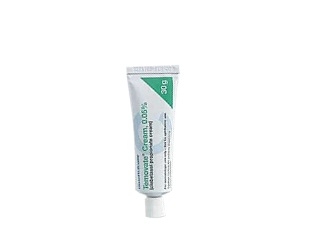
Clobetasol 0.05% Cream/Ointment (High‑Potency Topical Corticosteroid)
Clobetasol 0.05% is a high‑potency anti‑inflammatory medicine used on the skin to reduce redness, itching and swelling caused by certain inflammatory skin conditions. It works by calming overactive immune responses in the skin, helping lesions settle more quickly.
This page provides patient‑friendly information about how clobetasol 0.05% works, when it’s typically used, how to apply it safely, and what to watch for. Always follow the instructions provided with your product and consult a healthcare professional if you are unsure.
Key Product Information
| Item | Details |
|---|---|
| Active ingredient | Clobetasol (typically as clobetasol propionate) 0.05% |
| Medicine type | Topical corticosteroid (high potency) |
| Dosage forms | Cream, ointment (brands and strengths may vary by product) |
| Common reasons for use | Short‑term control of severe inflammatory skin conditions |
| Potency class | Very high / “high‑potency” topical steroid (use carefully) |
| Important note | Use only on affected areas; avoid long continuous use |
How Clobetasol Works (Mechanism of Action)
Clobetasol belongs to the corticosteroid family. When applied to the skin, it reduces inflammation by:
- Suppressing inflammatory immune signals that drive redness, swelling and itching.
- Decreasing cytokines and inflammatory mediators in the skin.
- Reducing immune cell activity locally to calm flare‑ups.
- Limiting abnormal skin thickening associated with some inflammatory conditions (e.g., plaques in certain cases of psoriasis).
Because it’s very potent, the goal is usually short‑term, targeted use to gain control, then step down or stop as advised.
Pharmacokinetics (What the Body Does to It)
Clobetasol is absorbed through the skin to a limited degree. Absorption varies based on:
- Skin condition (e.g., inflammation, damaged skin can increase absorption)
- Site of application (face, eyelids, groin and skin folds typically absorb more)
- How much you apply and how often
- Whether the area is covered with bandages/dressings (“occlusion” can greatly increase absorption)
- Duration of use (longer use increases the risk of systemic effects)
Systemic absorption can, in some situations, lead to effects associated with corticosteroids (for example, changes to the body’s hormone balance). For most people using it correctly on small areas for limited periods, systemic side effects are less likely—but the risk rises if high‑potency steroids are used too extensively or too long.
Typical Uses in Practice
Clobetasol 0.05% is used to treat inflammatory skin diseases where strong anti‑inflammatory action is needed. Indications can differ slightly depending on the specific product and local clinical guidelines, but examples include:
- Severe eczema/dermatitis (short‑term flare control, usually on thicker skin areas)
- Psoriasis (selected types and areas, typically avoiding broad use)
- Lichen planus (clinician‑guided)
- Other steroid‑responsive inflammatory dermatoses
It is not an appropriate treatment for most undiagnosed rashes. A correct diagnosis helps prevent worsening of infections and other conditions that may mimic eczema or psoriasis.
When to Apply (Timing & Routine)
Timing depends on the flare severity and your prescriber’s (or product) instructions. Many regimens for high‑potency topical steroids involve once daily or twice daily application initially, then reducing frequency as improvement occurs. Follow the directions on your medicine label.
Practical timing tips:
- Apply at the same time each day to stay consistent.
- Use on clean, dry skin.
- Apply a thin layer to the affected area (more is not always better).
- Wash your hands after applying, unless your hands are the treatment area.
How quickly does it work? Some people notice relief in a few days; more significant improvement may take one to two weeks. If there is no improvement within the expected timeframe, seek medical advice rather than continuing indefinitely.
Dosing & How Much to Use
The correct dose depends on the size and location of the area being treated. High‑potency topical steroids should be used at the lowest effective amount for the shortest effective duration.
General guidance (common patient approach)
- Thin layer over the affected skin only.
- Avoid treating large body areas unless a clinician specifically advises it.
- Avoid occlusive coverage (e.g., plastic wrap, tight bandaging) unless instructed.
- Do not use on face, eyelids, or groin unless specifically directed—absorption and side effects risk are higher.
Typical limits (safety-focused)
Many treatment plans for high‑potency steroids aim for short courses and include stepping down once control is achieved. If your product directions mention a maximum duration (often around several days up to two weeks for very potent strengths), follow that strictly.
Important: Never exceed the recommended frequency or duration. If you are unsure, check your product label or speak with a healthcare professional.
Food Interactions
Because clobetasol is applied to the skin and systemic absorption is generally limited when used correctly, food interactions are not typically expected. There is no known direct “food interaction” requirement for this topical medicine.
However, if you are taking other systemic medicines (for example, tablets that affect immunity or hormones), it’s still best to discuss your full medication list with a healthcare professional.
Alcohol & Medicine Interactions
Alcohol
There are no specific alcohol restrictions linked directly to clobetasol because it is a topical treatment. Still, if you are using other medications or have ongoing health conditions, follow your clinician’s advice.
Other medicines
Clinically significant interactions are unlikely for most people using clobetasol topically as directed. Systemic corticosteroid‑type interactions become more relevant only if there is increased absorption—such as with widespread application, long durations, damaged skin, or occlusion.
- Immunosuppressive medicines: Combining strong steroid exposure with other immunosuppressants may increase infection risk.
- Other topical treatments: Using multiple products on the same area can irritate skin or affect how well each medicine is tolerated.
- Antifungal/antibacterial combinations: If your skin condition is actually infectious, steroids alone can worsen it; get the diagnosis right.
If you use other medicines for the skin or you’re on systemic treatments, it’s safest to tell your pharmacist or doctor so they can check your overall regimen.
Safety Profile: Side Effects & Risks
Like all corticosteroids, clobetasol can cause side effects, particularly when used incorrectly or for longer than recommended. Many people tolerate it well when used briefly on small areas.
Common local skin effects
- Burning or stinging at the application site
- Skin irritation or dryness
- Redness, itchiness, or worsening rash early in treatment
Less common but important local effects
- Skin thinning (atrophy)
- Stretch marks (striae)
- Visible blood vessels (telangiectasia)
- Perioral dermatitis or acne‑like eruptions (more likely on facial skin)
- Changes in skin colour (hypo‑ or hyperpigmentation)
- Delayed wound healing
Systemic side effects (risk increases with misuse)
Systemic absorption can lead to corticosteroid‑type effects. The risk is higher with: large areas, frequent application, occlusion, long duration, children (especially), and on areas with thin skin.
- Temporary suppression of the body’s natural cortisol production
- Rarely, features such as increased appetite, weight gain, or other steroid‑related effects with significant exposure
Infections and masking symptoms
Corticosteroids can reduce inflammation and therefore mask infection symptoms. If a rash is fungal, viral (e.g., herpes), or bacterial, steroid monotherapy can worsen the underlying infection. Seek advice if the rash becomes painful, rapidly spreads, oozes, develops a crust, or looks infected.
Practical Use Tips (Patient-Friendly)
- Use the fingertip rule: A convenient method is to measure “fingertip units” for small areas. Ask your pharmacist for guidance if needed.
- Apply only to affected skin: Avoid treating unaffected surrounding areas.
- Do not wrap or cover with plastic/occlusive dressings unless specifically instructed.
- Stop when controlled: Continue only for the period advised. Once improved, you may be advised to reduce frequency or switch to a gentler steroid/emollient strategy.
- Maintain skin hydration: Use moisturisers/emollients as directed—this can reduce flare frequency.
- Avoid long-term continuous use: High‑potency steroids are generally for short courses.
- Be extra cautious on sensitive sites: face, eyelids, genitals, skin folds and children’s skin absorb more.
Step-by-Step: How to Apply
- Wash and dry the affected area gently.
- Apply a thin layer of clobetasol 0.05% to the affected skin.
- Rub in lightly until it disappears.
- Wash your hands after application (unless your hands are being treated).
- Do not cover with airtight dressings unless told to.
- Monitor the area. If it improves, follow your plan for reducing/ending treatment.
Alternative Options
Alternatives depend on the exact diagnosis, severity, and the body area involved. Common options include:
- Lower‑potency topical corticosteroids (often used for maintenance or for sensitive sites)
- Topical calcineurin inhibitors (for some conditions, especially where steroid side effects are a concern)
- Emollients/moisturisers for ongoing barrier support and to reduce flares
- Infections-specific treatments (antifungals/antibiotics/antivirals) if the rash is infectious
- Other anti‑inflammatory topicals as recommended by a clinician
If you are using clobetasol frequently or for extended periods, ask a healthcare professional about a long‑term plan to control symptoms with fewer risks.
Market and Legal Context for Australia
In Australia, topical corticosteroids such as clobetasol are subject to medicines scheduling and pharmacy supply rules. The exact classification and supply requirements can vary by product format/strength and the way it is packaged. Many high‑potency strengths may be restricted and require appropriate pharmacy oversight.
For safe use in Australia, it is important to:
- Use the correct strength and form intended for your skin condition.
- Follow the label directions and any product safety instructions.
- Be aware that high‑potency steroid use is monitored because of known risks with overuse.
- Seek medical advice for persistent or worsening symptoms.
Recent Guidance & Safety Messaging (General Trends)
Public health and clinical guidance around high‑potency topical steroids commonly emphasises:
- Short courses and stepping down when symptoms are controlled
- Avoiding use on face, eyelids and skin folds unless specifically directed
- Regular review for people using potent steroids repeatedly
- Awareness that steroids can mask infections
- Extra caution in children due to higher absorption risk
If you feel you need clobetasol more often than usual, that can be a sign that a reassessment is needed (for example, diagnosis, trigger control, or alternative long‑term therapy).
Delivery, Availability & What to Expect Online in Australia
Clobetasol 0.05% availability through online pharmacies depends on product sourcing, stock levels and any applicable regulatory requirements at the time of order. Most online pharmacies provide options such as:
- Standard delivery to metro areas
- Express delivery (where available)
- Dispatch tracking and estimated delivery windows
When ordering, ensure you:
- Choose the correct strength (0.05%) and form (cream vs ointment) for your needs.
- Check your delivery address and contact details for successful dispatch.
- Review the product’s label instructions carefully when it arrives.
FAQ
1) What is clobetasol 0.05% used for?
It’s used to treat certain severe inflammatory skin conditions that respond to strong topical corticosteroids. It is generally used for short periods to reduce redness, itching and swelling during flares.
2) How long should I use it?
Use it for the shortest time that achieves control, following the label or healthcare advice. Do not continue long term unless specifically directed. If symptoms don’t improve as expected, seek advice.
3) Can I use it on my face or eyelids?
High‑potency steroids are more likely to cause side effects on sensitive areas such as the face and eyelids. Use on these areas only if specifically directed by a healthcare professional.
4) Should I stop suddenly once my skin looks better?
Often, treatment is reduced or stopped once control is achieved. Follow your plan. If you have used it continuously for longer than expected, it may be safer to step down gradually—ask a healthcare professional for the best approach.
5) What if my rash gets worse?
Worsening can indicate incorrect diagnosis or infection. Stop using the steroid and seek medical advice promptly if you notice rapid spreading, significant pain, pus/oozing, fever, or a new infection‑like pattern.
6) Is clobetasol safe for children?
Children absorb topical steroids more readily than adults and are at higher risk of systemic effects. Only use in children under clear medical guidance, using the smallest effective amount and shortest duration.
7) Can I wear makeup or moisturiser after applying?
You can usually apply moisturisers/emollients, but avoid layering too many products at once. If using moisturiser, apply it as advised (often in between steroid applications or on non‑affected areas). Allow clobetasol to absorb before applying other products.
8) Does it interact with food?
No specific food interactions are expected for this topical medicine because it is applied to the skin and systemic absorption is generally limited.
9) Does it interact with alcohol?
There are no specific alcohol restrictions linked to clobetasol. As with any medicine, if you have concerns due to other conditions or medications, speak with a healthcare professional.
10) What should I do if I miss a dose?
Apply when you remember, unless it’s close to the time of the next dose. Do not apply extra to make up for missed doses. Follow the label instructions.
When to Seek Medical Advice Urgently
Contact a healthcare professional promptly if you experience:
- Signs of infection (spreading redness, pus, fever, severe pain)
- A rash that significantly worsens despite treatment
- Eye symptoms if applied near the eye (pain, redness, vision changes)
- Any worrying systemic symptoms after significant or prolonged use
Disclaimer: This information is intended to support safe understanding and use. It does not replace advice from a pharmacist or doctor. If you are unsure whether clobetasol is suitable for your skin condition, ask for medical guidance before continuing.