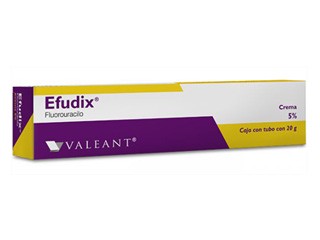
Efudex (Fluorouracil) Cream – Patient Information (Australia)
Efudex contains fluorouracil (5‑FU), a medicine used to treat certain skin conditions caused by abnormal or cancerous skin cell growth. It works by interfering with the way affected cells reproduce, helping to clear lesions and reduce the risk of progression.
This guide is written for patients and carers. It explains what Efudex is, what it does, how it’s used, and what to expect during treatment. Always follow the specific instructions provided with your product and by your treating healthcare professional.
1. Basic product information
- Brand name: Efudex
- Active ingredient: Fluorouracil (5‑FU)
- Typical form: Topical cream (strengths vary by product availability)
- Therapeutic area: Dermatology (pre-cancer and superficial skin cancers)
- How it’s applied: To the affected skin area only
In Australia, medicines containing fluorouracil may be listed and supplied under relevant schedules depending on formulation and intended use. Product availability can vary by pharmacy and jurisdiction.
2. How Efudex works (mechanism of action)
Fluorouracil is a cytotoxic (cell‑killing) medicine that targets rapidly dividing cells. It is converted within cells to active metabolites that:
- Inhibit thymidylate synthase, reducing the formation of DNA building blocks needed for cell division.
- Interfere with RNA and DNA synthesis, leading to impaired growth and death of abnormal cells.
- Preferentially affect fast‑growing tumour/precancer cells while also affecting nearby healthy cells in the treatment area—this is why local skin reactions are common.
Efudex works by damaging the DNA production machinery of abnormal cells, causing them to stop growing and gradually clear.
3. Pharmacokinetics (what the body does with the medicine)
When used topically, only a portion of fluorouracil typically enters the bloodstream. Most activity is local in the skin. Small amounts may be absorbed, depending on factors such as:
- The area treated and surface size
- Skin integrity (intact skin vs. broken/irritated skin)
- Occlusion (covering the area)
- How much cream is applied
- Whether the area is inflamed
Once absorbed, fluorouracil is metabolised primarily in the liver and converted into inactive metabolites. The body clears it relatively quickly through normal metabolic pathways.
For most patients using Efudex correctly, systemic levels remain low, and side effects are mainly local to the skin area.
4. Typical uses and indications
Efudex is commonly used for superficial pre‑cancerous and cancerous skin lesions, particularly those caused by sun damage. Depending on the product and clinical assessment, it may be used for:
- Actinic keratosis (AK) (also called solar keratosis), including multiple lesions
- Superficial basal cell carcinoma (selected cases, often in lesions suitable for field therapy)
- Some superficial squamous cell carcinoma in selected patients
Treatment choice depends on lesion type, size, number of lesions, location, cosmetic considerations, and patient factors.
5. Timing and expected course of treatment
Efudex is usually applied over a period of time to build up effects on abnormal cells. Many regimens are field treatments—meaning that you apply to the treatment area as directed, not only to a single spot.
What you may notice over time:
- Early stage (days 1–7): mild redness, dryness, or tingling may appear.
- Middle stage (days 7–14+): increased redness, swelling, scaling, crusting, and sometimes weeping.
- Later stage: the treated area may look raw or inflamed as the abnormal cells are cleared.
- After completion: healing typically begins; skin gradually recovers over subsequent weeks.
The exact duration and schedule can vary. It’s important to follow the prescribed regimen and not stop early unless your healthcare professional advises it.
If you experience severe reactions, blistering, infection signs, or uncontrolled pain, contact a healthcare professional promptly.
6. Dosing – how to apply Efudex
Dosing depends on the condition being treated and the specific instructions for the product you have. Efudex is generally used as a thin layer on the affected area.
General application principles (common to many topical regimens)
- Use only a thin layer—more is not better and can increase irritation.
- Apply to the affected area only (and sometimes the surrounding “field” as advised).
- Wash hands before and after application.
- Avoid eyes, lips, nostrils, and mucosal areas.
- Do not apply to open wounds unless directed.
- If you accidentally apply too much or to the wrong area, rinse according to instructions and seek advice if concerned.
Typical frequency (example patterns)
Regimens may vary, but common patterns include once or twice daily application for a set number of weeks. Your product instructions or clinician guidance will specify:
- How often to apply (e.g., daily or twice daily)
- How many weeks to continue
- Whether to adjust** based on reaction intensity
| Condition (examples) | Typical approach | Notes |
|---|---|---|
| Actinic keratosis (AK) | Field treatment to affected/damaged area | Redness and scaling are expected; stop/adjust only if advised due to severity |
| Superficial basal cell carcinoma (selected cases) | Targeted application to the lesion area | Closely follow lesion boundaries and clinician instructions |
| Superficial squamous cell carcinoma (selected cases) | Targeted or field treatment depending on size/extent | Follow-up assessment may be required to confirm response |
Important: Because lesion types differ, dosing schedules should be individualised. Do not use Efudex for a different condition or for a longer/shorter period than advised.
7. Food interactions
Because Efudex is a topical medicine, there are generally no direct food interactions expected for most patients. There is no requirement to change meals, and food typically does not affect how the skin responds to treatment.
If you are taking other medicines that affect blood clotting, immune function, or healing, discuss them with your healthcare professional—especially if you develop significant skin reactions.
8. Alcohol and medicine interactions
Alcohol
There is typically no known direct alcohol interaction with topical fluorouracil at the doses used for skin conditions. However, alcohol can worsen dehydration and may make skin more sensitive in some people. If you experience irritation or pain, avoid excess alcohol and maintain hydration.
Other medicines
Efudex may interact indirectly by increasing irritation when used alongside other topical or systemic treatments that also affect the skin. Examples of factors to consider:
- Other topical irritants (e.g., strong exfoliants, retinoids, acid peels) used on the same area may increase inflammation.
- Phototherapy or additional sun exposure on treated skin can worsen reactions.
- Immunosuppressive medicines may affect healing and infection risk; discuss your full medicine list with your clinician.
Tell your healthcare professional and pharmacist about all medicines you use, including creams, gels, and herbal products.
9. What to expect: safety profile and common side effects
Efudex is designed to treat abnormal cells, but it can also affect healthy skin cells in the treatment area. That’s why local skin reactions are common and often expected.
Common local reactions
- Redness (erythema)
- Dryness and scaling
- Itching or burning
- Swelling
- Crusting or scab formation
- Small sores or blistering (sometimes)
- Oozing/weeping (in more intense reactions)
Less common but important reactions
- Severe skin ulceration or extensive breakdown beyond the intended area
- Signs of infection: increasing warmth, worsening pain, pus, fever, or spreading redness
- Allergic reaction: hives, facial swelling, difficulty breathing (seek emergency help)
Systemic side effects (whole‑body) are less typical with topical use but can occur if absorption is increased (e.g., very large areas, prolonged use, occlusion, broken skin). Report any unexpected symptoms to a clinician.
10. Practical use tips (to improve comfort and results)
Before you start
- Check the area: If the skin is cracked, open, or infected, seek advice before starting.
- Plan for irritation: Choose a period when you can manage discomfort and protect the area from sun and friction.
- Stock gentle supportive care: Your clinician may suggest moisturisers or dressing types that are compatible with Efudex.
During treatment
- Apply consistently: Stick to the schedule provided.
- Do not cover unless instructed: Occlusive dressings can increase absorption and irritation.
- Sun protection is essential: Use clothing and sunscreen on surrounding skin; avoid direct sunlight on the treated area.
- Gentle cleansing: Wash with mild soap and water; pat dry.
- Avoid shaving/friction: If treating hair‑bearing areas, avoid shaving over the area.
- Moisturise only as advised: Some moisturisers can be used between applications, but confirm what is compatible.
After treatment
- Expect healing time: The area may remain red or crusted even after you finish.
- Continue sun protection to support recovery and reduce recurrence.
- Attend follow‑up: Response is assessed clinically; lesions may take time to resolve fully.
11. Alternative options for similar conditions
Treatment selection for actinic keratosis and superficial skin cancers depends on lesion characteristics and patient preferences. Alternatives can include:
- Cryotherapy (liquid nitrogen): commonly used for individual lesions
- Other topical agents (e.g., imiquimod or other field therapies, depending on availability and suitability)
- Photodynamic therapy (PDT): involves applying a photosensitising agent and light exposure
- Surgery (excision or curettage): for lesions suitable for direct removal
- Laser therapy in selected cases
Your clinician may recommend Efudex when a field approach is desirable to treat areas with multiple subclinical lesions or when particular lesion patterns fit topical chemotherapy.
12. Australia: market and legal context (important information)
In Australia, the supply of medicines is regulated to ensure quality, safety, and proper use. The availability of Efudex may vary depending on:
- Formulation strength and presentation
- Whether the specific product is listed for the intended indication
- Pharmacy supply practices and stock availability
- Local regulatory requirements for the medicine’s category/scheduling
Online pharmacy services may provide medication access in line with Australian requirements, including identity verification and appropriate dispensing processes where applicable.
If you have questions about eligibility, availability, or delivery timeframes, check with the pharmacy listing details or contact customer support.
13. Recent guidance and follow-up considerations
Dermatology practice in Australia continues to emphasise early recognition and effective treatment of sun‑damaged skin, including actinic keratosis. Guidance commonly highlights:
- Regular skin checks for people with extensive sun exposure
- Sun protective behaviours (shade, clothing, broad‑spectrum sunscreen)
- Appropriate lesion assessment to confirm diagnosis and guide treatment choice
- Follow-up review after field therapies to ensure clearance and detect persistent lesions early
Because local skin reactions can look dramatic, it’s helpful to know what “expected” inflammation looks like versus signs that require review.
14. Delivery and availability (online pharmacy)
Availability of Efudex may differ by region and stock levels. When ordering online, delivery options may include standard or express shipping, depending on the pharmacy’s service area and product handling requirements.
To avoid treatment disruption, consider:
- Ordering early: Allow time for processing and shipping.
- Checking product packaging: Confirm strength and expiry date.
- Storage: Store the cream as directed on the carton (commonly at controlled room temperature; protect from heat and sunlight).
- Plan application timing: Ensure you have enough cream to complete the course as advised.
If your treatment requires follow-up supplies, ask the pharmacy about repeat ordering options.
15. Frequently Asked Questions (FAQ)
How long does Efudex take to work?
You’ll usually notice skin changes within days. Clearance and healing take longer—often several weeks after finishing treatment, depending on the lesion type and the size of the treatment area. Follow-up assessment is important to confirm response.
Is burning or redness normal?
Mild to moderate redness, dryness, and burning are common. More intense reactions (crusting, oozing, rawness) can occur as treatment progresses. If pain is severe, the reaction rapidly spreads beyond the target area, or you suspect infection, contact a healthcare professional.
Should I stop if the skin becomes very sore?
Do not stop abruptly unless you’ve been advised to do so. Severe reactions may require dose adjustment or supportive care. It’s safest to contact a clinician or pharmacist for advice on what to do next.
Can I moisturise while using Efudex?
Sometimes gentle moisturisers can be used, but compatibility varies. Ask your pharmacist or clinician which moisturisers are suitable and when to apply them relative to Efudex.
Can I cover the treated area with a dressing?
Occlusion can increase absorption and irritation. Only cover the area if your clinician has recommended a specific dressing type and application method.
Can I go out in the sun during treatment?
The treated skin is more sensitive. Minimise sun exposure and protect with clothing or shade. Use sunscreen on surrounding unaffected skin, and avoid direct sun on the treated area unless specifically instructed.
What if I accidentally get Efudex in my eyes or on my lips?
Rinse thoroughly with water immediately and seek medical advice urgently, especially if irritation persists.
Will it stain my skin or leave scars?
Temporary redness or pigment changes can occur. Scarring is uncommon when used correctly, but aggressive reactions can increase the chance of pigment changes. Sun protection helps reduce lasting discoloration.
Can Efudex be used on large areas?
It can be used as a field therapy in selected cases, but absorption and irritation can increase with larger treated areas. Follow the recommended area size and schedule carefully.
Are there any long-term risks?
Efudex is intended for lesion clearance. Long-term risks are generally related to treatment reactions and underlying skin damage (e.g., future new lesions). Ongoing skin checks and sun protection are key to reducing risk.
What should I do if the lesion does not improve?
Some lesions require time for response. If a lesion persists or new lesions develop, seek follow-up review. Your clinician may confirm the diagnosis and consider alternative treatments.
16. When to seek urgent medical advice
Contact medical services promptly if you experience:
- Difficulty breathing, swelling of the face/lips, or widespread hives (possible severe allergy)
- Rapidly spreading redness, increasing warmth, fever, or pus (possible infection)
- Severe pain with large skin breakdown or uncontrolled bleeding
- Any concerns that the reaction is far beyond what you were told to expect
Remember: Efudex can cause significant local skin reactions, which often means it is working on abnormal cells in the area. Using it correctly, protecting the skin from sun, and monitoring reaction severity are key for safe and effective treatment.