
Ilosone (Erythromycin) – Patient Guide (Australia)
Ilosone is a brand of erythromycin, an antibiotic used to treat certain bacterial infections. This page explains how it works, when it’s typically used, how to take it safely, and what interactions and precautions to consider—written in clear, patient-friendly language for people in Australia.
Key points at a glance
- What it is: Erythromycin antibiotic medicine (macrolide).
- What it treats: Selected infections caused by susceptible bacteria.
- How it works: Stops bacteria from making essential proteins.
- How to take: Usually several times daily; follow your prescriber’s directions exactly.
- Common considerations: Interactions (especially with certain heart rhythm medicines) and possible stomach upset.
Basic product information
| Feature | Details |
|---|---|
| Brand | Ilosone |
| Active ingredient | Erythromycin |
| Medicine class | Macrolide antibiotic |
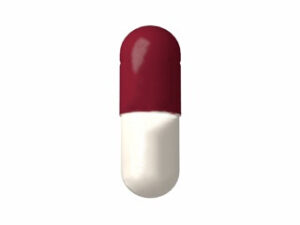
| Common forms | Tablets/films, depending on local availability; other formulations may exist |
| Typical dosing frequency | Often 2–4 times daily depending on the condition and formulation |
Availability and formulations can vary by pharmacy and supply. If you’re unsure which strength or form you have, check the label and pack.
How Ilosone works (mechanism of action)
Erythromycin belongs to the macrolide class of antibiotics. It targets bacterial growth by binding to the 50S ribosomal subunit.
- Stops protein production: Without essential proteins, bacteria cannot grow or multiply effectively.
- Overall effect: Generally bacteriostatic (it slows bacterial growth) though effects can vary by organism and concentration.
Ilosone works only against bacteria. It will not treat viral infections such as colds or influenza.
Pharmacokinetics (how the body processes it)
“Pharmacokinetics” describes what the body does with a medicine—absorption, distribution, metabolism, and elimination.
- Absorption: Erythromycin is absorbed from the gastrointestinal tract. Food can influence the rate of absorption for some formulations, though the overall amount absorbed may change depending on the product.
- Distribution: It can distribute into many tissues. It may concentrate in some areas relative to blood levels.
- Metabolism: Erythromycin is metabolised in the liver.
- Elimination: It is cleared through both hepatic pathways and biliary/other routes. The duration in the body can vary between individuals.
- Half-life: The effective dosing interval is influenced by how quickly concentrations fall—this is one reason the medicine is commonly prescribed multiple times per day.
If you have liver disease, are elderly, or are taking multiple medicines, your healthcare team may need to monitor safety more closely.
Typical uses and indications
Ilosone (erythromycin) may be used for infections caused by susceptible bacteria. The most appropriate choice depends on the suspected organism, local resistance patterns, and individual patient factors.
Common indications may include:
- Respiratory tract infections caused by susceptible bacteria.
- Skin and soft tissue infections where the causative organism is susceptible.
- Some sexually transmitted or related infections where erythromycin is considered appropriate (based on organism and treatment guidelines).
- Some childhood infections where macrolides are recommended by clinical guidelines (special paediatric dosing applies).
- Alternative option when penicillin-type antibiotics are unsuitable due to allergy or other clinical reasons.
Your clinician will decide which infection is appropriate for erythromycin and whether a different antibiotic or supportive care is better. Antibiotics should not be used “just in case.”
Timing: when to take Ilosone
Taking Ilosone at consistent times helps maintain effective levels in the body. Your exact schedule depends on your prescribed regimen and the product you received.
- Follow your directions exactly: Do not alter the frequency or stop early.
- Space doses evenly: If taking it three times daily, try to allow roughly equal intervals across the day (for example morning, afternoon, evening).
- Finish the course: Even if you feel better, completing the full course helps reduce the chance of relapse and resistance.
If you miss a dose, take it when you remember unless it’s close to the next dose. In that case, skip the missed dose and continue as normal. Avoid doubling up.
Food interactions and taking with meals
Many patients want to know whether Ilosone can be taken with food. Food effects can vary by formulation, but general principles apply:
- Follow pack instructions: The label may specify “with or without food” depending on the formulation.
- Reduce stomach upset: If the medicine causes nausea, taking it with food (if allowed for your specific product) may be easier.
- Consistency matters: Try to take it the same way each time (e.g., always with meals or always on an empty stomach, if that’s how it was recommended).
If you are unsure, consult your pharmacist. They can explain the best approach for your exact Ilosone product and dosing instructions.
Alcohol interactions
Ilosone is an antibiotic, and the most important interactions usually involve other medicines rather than alcohol. However, alcohol may still affect treatment by:
- Worsening side effects such as nausea, dizziness, or stomach discomfort.
- Impairing recovery when you’re unwell.
If you choose to drink alcohol, do so cautiously and avoid heavy drinking while you’re ill and taking antibiotics. For people with liver disease or those taking multiple interacting medicines, it’s safest to ask a healthcare professional for individual advice.
Medicine interactions (important)
Erythromycin can interact with several medicines because it may affect liver enzymes and transport proteins involved in drug metabolism and clearance. Some interactions can increase medicine levels in the body, raising the risk of side effects.
Seek advice before taking Ilosone with any of the following categories:
- Medicines that affect heart rhythm (QT prolongation) – examples include certain antiarrhythmics and some antipsychotics/antidepressants. These combinations can increase risk of abnormal heart rhythm.
- Some antihistamines and antiemetics that can affect QT interval.
- Statins (cholesterol-lowering medicines), where interaction risk may increase statin side effects.
- Some anticonvulsants and antifungals.
- Warfarin or other anticoagulants—may require monitoring because antibiotic use can affect clotting.
- Diabetes medicines (e.g., some agents) where blood sugar levels could be affected indirectly.
Also inform your healthcare team about:
- All prescription and over-the-counter medicines
- Herbal products and supplements
- Recent antibiotic use
- Any history of abnormal heart rhythm, fainting, or significant electrolyte imbalance (low potassium/magnesium)
Tip: Keep a list of your medicines and show it to your pharmacist. This is one of the quickest ways to identify interaction risks.
Dosing: how much to take
Important: Dosing depends on the infection being treated, age, body weight (especially for children), kidney/liver function, and the specific product strength.
- Adults: Common regimens may be twice to four times daily. Your exact dose will be specified by your healthcare professional.
- Children: Doses are often weight-based. A child’s dose should be calculated carefully to avoid underdosing or overdosing.
- Duration: Courses vary by condition; completing the full prescribed duration is essential.
Always use the dosing schedule on your label. If you have difficulty swallowing tablets or need an alternate formulation, talk to your pharmacist—there may be options depending on local supply.
Safety profile: what to expect and what to watch for
Like all medicines, Ilosone (erythromycin) can cause side effects. Many are mild and temporary, but some require urgent medical attention.
Common side effects
- Nausea
- Stomach pain or cramping
- Diarrhoea
- Indigestion
- Headache
- Rash (occasionally)
Less common but important warnings
- Allergic reactions: Swelling of the face/lips, difficulty breathing, widespread rash, or severe itching.
- Severe or persistent diarrhoea: This can rarely signal antibiotic-associated colitis. Seek medical advice promptly.
- Liver problems: Signs include yellowing of the skin/eyes (jaundice), dark urine, or unusual fatigue.
- Heart rhythm effects: Palpitations, dizziness, fainting, or shortness of breath—especially if you have risk factors or take interacting medicines.
When to get urgent help
Contact emergency services or seek urgent medical care if you experience:
- Signs of a serious allergic reaction
- Fainting, severe dizziness, chest pain, or fast/irregular heartbeat
- Severe abdominal pain or blood/mucus in diarrhoea
- Yellowing of eyes/skin or dark urine
Practical use tips
- Use a reminder strategy: Set alarms for each daily dose to keep timing consistent.
- Hydrate: Drinking water can help with tolerability, particularly if you’re experiencing mild stomach upset.
- Avoid doubling doses: If you miss one, take it when remembered unless it’s close to the next dose.
- Don’t share antibiotics: Even if someone has similar symptoms, different infections can require different treatments.
- Monitor improvement: Symptoms should start improving within a few days. If not, contact your clinician—treatment may need adjustment.
- Probiotics (optional): Some people choose probiotics to support gut health during antibiotics. Evidence varies; ask your pharmacist, especially if you’re immunocompromised.
Alternative options
The best antibiotic alternative depends on the infection, the bacteria suspected, and your medical history (including allergies). In many cases, clinicians consider other antibiotic classes or different macrolides.
Possible alternatives may include:
- Amoxicillin or other beta-lactams for susceptible infections (if appropriate and not contraindicated)
- Different macrolides such as azithromycin or clarithromycin (depending on the condition and local guidance)
- Doxycycline or other tetracyclines for specific respiratory/skin infections where appropriate
- Clindamycin or other options for certain skin and dental infections (organism-dependent)
If you’re considering alternatives because of side effects, a history of intolerance, or interaction concerns, discuss options with your pharmacist or clinician. They can tailor the choice to your specific situation and local resistance patterns.
Australia market and legal context (consumer information)
In Australia, medicines are regulated under the Therapeutic Goods Administration (TGA) framework and classified according to schedule and prescribing rules. Antibiotics such as erythromycin are typically supplied to treat specific bacterial infections under appropriate healthcare oversight.
For online pharmacy purchases, products must meet legal supply requirements, including age verification where relevant and appropriate documentation/clinical checks as required by Australian pharmacy practice.
Always ensure you receive the correct medicine strength and formulation, and follow Australian medicine safety standards provided with your pack or label.
Recent guidance and responsible antibiotic use
Australia, like many countries, focuses on responsible antibiotic use to reduce antimicrobial resistance. Key principles promoted by health authorities include:
- Use antibiotics only when clearly needed for bacterial infections
- Choose the most appropriate agent based on likely cause and local resistance
- Use the correct dose and duration to ensure effectiveness
- Review treatment if there’s no improvement after an expected timeframe
If you are unsure whether your symptoms are likely bacterial, speak with a healthcare professional. Avoid requesting antibiotics for viral illnesses because this increases resistance and can cause avoidable side effects.
Delivery and availability
Ilosone (erythromycin) may be available through Australian pharmacies, including online pharmacies, depending on stock levels and the specific product strength/formulation.
- Availability: Supply can vary. Some strengths or formulations may be temporarily unavailable.
- Delivery: Delivery timeframes depend on your location and pharmacy dispatch schedules.
- Packaging: Medicines are typically dispatched in manufacturer-approved packaging with clear labelling.
- Storage: Store according to the label—commonly in a cool, dry place away from excessive heat and moisture.
If you need help choosing the right product strength or have questions about dispatch, reach out to customer support or your pharmacist.
FAQ – Frequently asked questions
1) What infections does Ilosone treat?
Ilosone (erythromycin) treats infections caused by bacteria that are susceptible to erythromycin. The exact choice depends on the infection type, the likely organism, and resistance patterns.
2) How soon should I feel better?
Some improvement is often seen within a few days. If your symptoms worsen or don’t improve after the expected timeframe, contact your pharmacist or clinician for reassessment.
3) Can I stop Ilosone when I feel better?
It’s important to complete the full course as advised. Stopping early can lead to incomplete eradication of the bacteria and increases the chance the infection returns or worsens.
4) What should I do if I miss a dose?
Take it as soon as you remember unless it’s close to the next dose. Skip the missed dose if it’s near the next one—do not take double doses.
5) Can I take Ilosone with food?
It depends on your specific product and label instructions. If you experience nausea, food may help if your formulation can be taken with meals. Confirm with your pharmacist if unsure.
6) Are there any foods I should avoid?
Food restrictions are not usually extensive for erythromycin, but keeping your dosing consistent with meals (if advised) can improve tolerability.
7) Can I drink alcohol while taking Ilosone?
Avoid heavy drinking. Alcohol may worsen side effects and slow recovery. If you have liver disease or take interacting medicines, ask a healthcare professional for personalised advice.
8) What medicines commonly interact with erythromycin?
Interactions can occur with certain heart rhythm medicines (QT-prolonging drugs), statins, anticoagulants, and some antifungals/anticonvulsants. Provide your full list of medicines to your pharmacist to check safety.
9) Is Ilosone safe for children?
Erythromycin can be used in children for specific infections, but dosing is weight-based and must be calculated carefully. Always follow the paediatric dosing instructions on the label.
10) What if I have liver problems?
Tell your clinician if you’ve ever had liver disease or abnormal liver tests. Erythromycin is processed by the liver, so extra caution may be needed.
11) Can Ilosone be used during pregnancy or breastfeeding?
Decisions depend on the specific infection, the trimester, and the risk/benefit assessment. Speak with your healthcare professional for guidance.
Summary
Ilosone (erythromycin) is a macrolide antibiotic used for certain bacterial infections. It works by stopping bacteria from producing essential proteins, allowing your immune system to clear the infection. Like all antibiotics, it must be used appropriately—taking the correct dose at the right times and finishing the course even if you feel better.
If you’re concerned about side effects, missed doses, or possible interactions with other medicines, your pharmacist is the best place to get individual advice.