Aczone (Dapsone/Di-aminodiphenyl sulfone) – Patient-Friendly Guide for Australia
Aczone (active ingredient: diaminodiphenyl sulfone, commonly referred to as dapsone) is a topical medicine used to treat certain inflammatory skin conditions, most notably acne in people who need a prescription-strength anti-inflammatory option.
This guide explains how Aczone works, how it is used, what to expect, and important safety information. It is written for people in Australia and includes practical advice for everyday use.
Key Product Information
| Category | Details |
|---|---|
| Medicine | Aczone (diaminodiphenyl sulfone / dapsone) |
| Common form | Topical gel (strength varies by product/brand) |
| How it works | Anti-inflammatory and antibacterial activity within the skin |
| Typical conditions | Inflammatory acne (e.g., red, tender spots) |
| Where it’s used | On the affected skin areas |
| Who may use it | People with appropriate indications as assessed by a healthcare professional |
Note: The exact strength and instructions can vary depending on the specific Aczone product available in your area. Always follow the directions provided with your product.
How Aczone Works (Mechanism of Action)
Aczone contains diaminodiphenyl sulfone (dapsone). In acne and similar inflammatory skin conditions, it helps by:
- Reducing inflammation: It helps calm inflammatory processes within the skin, which can decrease redness and tenderness.
- Antibacterial effects: It can limit growth of certain bacteria involved in skin inflammation.
- Modulating immune responses: It influences pathways that contribute to the formation of inflammatory lesions.
Importantly, Aczone is designed for topical action—it targets the skin where it is applied.
Pharmacokinetics (What the Body Does to the Medicine)
Pharmacokinetics describes how the medicine behaves after use—absorption, distribution, metabolism, and elimination.
- Absorption: Because Aczone is applied to the skin, only a small amount is typically absorbed through the surface. However, absorption can increase if there is extensive application, broken skin, or irritation.
- Distribution: The small amount that does enter the bloodstream can distribute throughout the body.
- Metabolism: Any absorbed dapsone is metabolised mainly by the liver.
- Elimination: Metabolites are cleared from the body primarily through the kidneys (urine) and other routes.
Practical takeaway: Even with topical use, it’s still important to use Aczone exactly as directed and to report symptoms promptly if you experience unusual side effects.
What Aczone Is Used For (Indications)
In routine dermatology practice, Aczone is most commonly used for:
- Inflammatory acne, such as red bumps and pustules
- Acne-prone areas where inflammation is a major feature
Your healthcare professional may also consider Aczone for other inflammatory skin conditions based on clinical judgement and local product guidance.
When to Start Seeing Results and Timing
Like many acne treatments, improvement is usually gradual. Typical expectations include:
- Early changes: Some people notice less redness or fewer inflamed spots after a few weeks.
- Full benefit: It may take 8–12 weeks to assess effectiveness properly.
- Consistency matters: Irregular use often leads to slower or weaker results.
If you experience stinging or irritation: it may help to start with a lower frequency (e.g., alternate nights) if appropriate, then build up—but follow the product instructions and professional advice.
How to Use Aczone (Typical Dosing and Application)
Because Aczone is a topical medicine, dosing refers to how much and how often you apply it.
Typical application
- Frequency: Often applied once or twice daily depending on your product instructions and clinical plan.
- Amount: Use a thin layer over the affected areas (not just individual spots unless directed).
- Wash hands after applying.
- Avoid sensitive areas: Keep away from eyes, lips, mouth corners, nostrils, and broken/eczema-prone skin.
Step-by-step routine (practical)
- Cleanse gently: Wash with a mild cleanser and pat dry.
- Wait briefly: Let the skin dry completely before application.
- Apply a thin layer: Spread evenly on the acne-prone areas.
- Moisturise if needed: Use a non-comedogenic moisturiser if your skin becomes dry or irritated.
- Use sunscreen daily: Acne-prone skin often benefits from sun protection to reduce irritation and uneven pigmentation.
Do not: apply on wet skin, cover with occlusive dressings unless directed, or use more than recommended to “speed up” results.
Food Interactions
Because Aczone is used on the skin, food interactions are not typically a major concern. The medicine is not usually taken by mouth, so dietary factors generally do not affect how it works.
Still: if you are taking other medicines by mouth that interact with dapsone (e.g., in certain blood-related pathways), discuss these with your healthcare professional.
Alcohol and Medicine Interactions
For topical Aczone, alcohol isn’t usually the main issue; however, it’s important to consider broader interactions related to dapsone in general—especially if you are taking other medications that affect blood function or oxygen delivery.
Alcohol
- Moderation is sensible: If you experience dizziness, nausea, or headaches from any combination of factors, reduce or avoid alcohol.
- Seek advice if you have liver disease: Alcohol can worsen liver strain.
Medicine interactions (important)
Tell your healthcare professional or pharmacist about all medicines you use, including:
- Other skin treatments (especially strong irritants or exfoliants)
- Medicines that affect blood or oxygen levels
- Drugs that can stress the liver
- Any history of blood disorders such as anaemia or abnormal haemoglobin
Practical tip: If you are also using topical benzoyl peroxide, retinoids, or topical antibiotics, ask whether a stepwise routine is safer to reduce dryness and irritation.
Safety Profile and Side Effects
Most people tolerate Aczone reasonably well when used as directed. However, topical dapsone can still cause side effects.
Common side effects (typically mild to moderate)
- Skin irritation (redness, dryness, or mild burning)
- Itching or discomfort at the application site
- Peeling or flaking
Less common but important reactions
Contact a healthcare professional promptly if you develop:
- Severe or worsening skin rash
- Blistering, hives, or swelling (possible allergy)
- Unusual tiredness, breathlessness, or symptoms suggestive of blood changes (rare, but important)
When to seek urgent help
Get urgent medical care if you experience:
- Swelling of the face/lips, difficulty breathing, or severe hives
- Chest pain, fainting, or severe shortness of breath
Special considerations
- Glucose-6-phosphate dehydrogenase (G6PD) deficiency: People with certain inherited blood conditions may be at higher risk for specific blood-related side effects. Your healthcare professional should consider this before use.
- Pregnancy and breastfeeding: Discuss with a healthcare professional to balance benefits and risks.
- Children and adolescents: Use should follow clinical guidance and product-specific directions.
Practical Use Tips to Get the Best Results
- Apply consistently: Treat it like a routine, not an “as needed” product.
- Start gently if you’re sensitive: If irritation occurs, you may need a reduced frequency and a moisturiser; consult your pharmacist or clinician.
- Don’t “stack” irritants at first: If you are also using exfoliating acids or strong retinoids, introduce treatments gradually.
- Use non-comedogenic moisturiser: Reducing dryness can improve tolerability and adherence.
- Choose gentle cleansers: Harsh scrubbing worsens inflammation.
- Avoid picking: Picking increases inflammation and risk of marks.
- Sun protection: Sunscreen can reduce irritation and help prevent post-inflammatory dark marks.
Alternative Options for Acne (Non–Aczone Choices)
If Aczone isn’t suitable or doesn’t work well enough, there are several evidence-based alternatives commonly used in acne management in Australia, including:
Common topical options
- Benzoyl peroxide: Helps reduce acne bacteria and inflammation.
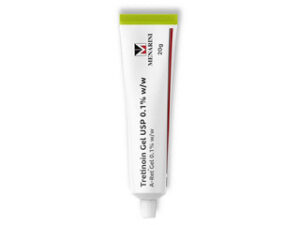
- Topical retinoids (e.g., adapalene, tretinoin): Helps prevent clogged pores.
- Topical antibiotics (often combined with benzoyl peroxide): Used for inflammatory acne in selected cases.
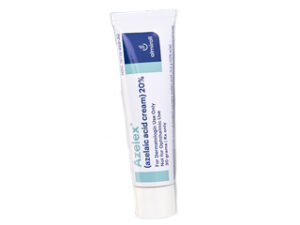
- Azelaic acid: Can help with inflammation and uneven pigmentation.
Common oral options (discuss with a clinician)
- Oral antibiotics for moderate-to-severe inflammatory acne
- Hormonal therapies for suitable patients
- Isotretinoin for severe, scarring acne (requires strict monitoring)
Your best alternative depends on acne type (comedonal vs inflammatory), severity, skin sensitivity, and your past response to treatments.
Market and Legal Context in Australia
In Australia, acne and many dermatology medicines may be supplied under different regulatory categories (including pharmacist-only or prescription-only depending on the product and formulation). Availability can vary between brands and strengths.
For topical medicines like Aczone, your pharmacist or healthcare professional will confirm:
- Eligibility based on the intended use
- Proper counselling for safe application
- Any relevant precautions for your medical history
Product availability: Stock levels can vary across pharmacies and online retailers due to distribution schedules and demand.
Recent Guidance and Ongoing Monitoring (General Expectations)
Clinical acne management guidelines generally emphasise:
- Stepwise treatment to reduce irritation and improve adherence
- Long enough trial time (often 8–12 weeks for topical regimens)
- Combining therapies strategically (e.g., anti-inflammatory plus comedolytic) rather than using multiple irritants at once
- Antibiotic stewardship: if antibiotics are used, they are typically combined appropriately and not relied upon long-term without review
Because specific product and professional recommendations can change over time, always follow the instructions on your packaging and the advice you receive from your healthcare provider.
Delivery and Availability (What to Expect from an Online Pharmacy)
When buying Aczone online in Australia, typical steps include:
- Order confirmation: Your order is prepared after verification of product details.
- Packaging: The product should be protected from heat and direct sunlight during transport.
- Delivery times: Delivery speed depends on your location and the pharmacy’s courier network.
- Tracking: Many services provide tracking updates.
Storage: Store the product according to the label instructions. Keep it out of reach of children and avoid excessive heat.
If you can’t find the exact product: ask the pharmacy about equivalent strengths or therapeutic alternatives suitable for your skin type and acne severity.
FAQ About Aczone
1) How long does Aczone take to work?
Many people notice improvement within a few weeks, but a proper assessment is usually after 8–12 weeks. Consistent use is important.
2) Can I use Aczone with moisturiser and sunscreen?
Yes. In fact, moisturiser can reduce dryness and improve tolerance. Use non-comedogenic moisturisers and apply sunscreen daily.
3) Is Aczone suitable for all acne types?
Aczone is generally used for inflammatory acne. For comedones (blackheads/whiteheads), other treatments may be more effective or used in combination.
4) What if my skin becomes very irritated?
Stop and seek advice if irritation is severe. For mild irritation, your pharmacist may recommend reducing frequency, using a gentle cleanser, and applying moisturiser. Do not exceed the recommended amount.
5) Can I use other acne products at the same time?
Sometimes, but it depends on the products. Combining multiple active ingredients can increase irritation. A step-by-step approach is often safer—ask your pharmacist for a suggested routine.
6) Does Aczone bleach clothing or towels?
Some acne products (not all) can affect fabrics. Aczone in topical gel form is not typically known for major fabric bleaching, but if you’re concerned, allow it to dry fully before contact with fabric and keep products away from white towels until you know how your skin and fabric react.
7) Can I drink alcohol while using Aczone?
Alcohol is not usually the main concern with topical use. However, if you develop side effects, have liver disease, or take other medicines that may interact, discuss with a healthcare professional.
8) Are there any medical conditions that need extra caution?
Yes. Tell your healthcare professional if you have a history of blood disorders, anaemia, G6PD deficiency, or any previous medication-related reactions.
9) What should I do if I miss a dose?
Apply it when you remember unless it’s close to the next dose. Do not apply extra to make up for missed applications.
10) When should I stop using Aczone?
Use should be reviewed if you have persistent side effects or lack of improvement. Stop and seek medical advice if you develop signs of allergy (swelling, hives, breathing difficulty) or severe worsening symptoms.
Summary
Aczone (diaminodiphenyl sulfone/dapsone) is a topical option for managing inflammatory acne by helping reduce inflammation and bacterial contributions within the skin. Results typically build over 8–12 weeks. When used consistently and gently—with moisturiser, sunscreen, and a sensible skin-care routine—many people experience noticeable improvement.
If you have questions about suitability, side effects, or how to combine Aczone with other acne treatments, consult your pharmacist or healthcare professional.