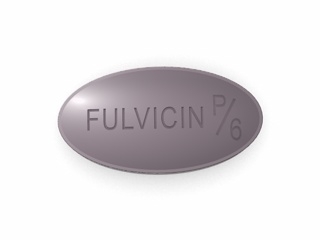
Fulvicin (Griseofulvin) – Patient-Friendly Medicine Information (Australia)
Fulvicin (active ingredient: griseofulvin) is an antifungal medicine used to treat certain fungal infections of the skin, hair, and nails. This guide explains what Fulvicin is used for, how it works, how to take it safely, and what to expect during treatment. It also covers important interactions (including with alcohol), dosing considerations, and practical tips to improve results.
| Quick facts | |
|---|---|
| Brand name | Fulvicin (Gresiofulvin/Griseofulvin) |
| Active ingredient | Griseofulvin |
| Medicine type | Antifungal (antimycotic) |
| Common conditions treated | Dermatophyte fungal infections (tinea/ringworm), including scalp, skin, and nail infections |
| How it is taken | Oral tablet/suspension (depending on local formulation) |
| Typical treatment length | Often weeks for skin/scalp; months may be required for nail infections |
What is Fulvicin?
Fulvicin is an oral antifungal medicine containing griseofulvin. It targets dermatophyte fungi—organisms that infect keratin-containing tissues such as the skin, hair, and nails.
Fulvicin has been used for many years. It works particularly well for infections caused by dermatophytes such as Trichophyton and Microsporum species.
How does Fulvicin work? (Mechanism of action)
Griseofulvin interferes with fungal growth by affecting the fungus’s ability to form and maintain its cell structures. In simple terms:
- It binds to fungal cell structures that are needed for normal cell division.
- This makes it difficult for the fungus to reproduce.
- Over time, infected skin/hair/nail cells are replaced with healthier cells as treatment continues.
Important note: Visible improvement may take time—especially for nail infections—because nails grow slowly.
Pharmacokinetics (How your body handles it)
Pharmacokinetics describes how a medicine is absorbed, distributed, metabolised, and excreted.
- Absorption: Griseofulvin absorption is generally improved when taken with food, particularly fatty meals.
- Distribution: It tends to reach keratin-containing tissues, including skin and hair, helping the antifungal effect where dermatophytes live.
- Metabolism: Griseofulvin is metabolised in the liver.
- Elimination: Metabolites are excreted mainly through urine and possibly bile/faeces (depending on formulation and individual factors).
Your doctor/pharmacist may advise specific timing with meals to improve absorption and effectiveness.
Typical uses and indications
Fulvicin is used for infections caused by dermatophytes (ringworm-like infections). Common indications include:
Skin and scalp infections
- Tinea corporis (ringworm of the body)
- Tinea capitis (ringworm of the scalp)
- Tinea faciei (ringworm of the face)
- Tinea barbae (ringworm of the beard area)
Nail infections
- Onychomycosis (fungal infection of the nails), when appropriate and where dermatophytes are involved
In practice, treatment choice depends on the infection site, severity, organism type, and patient factors. Sometimes topical antifungal treatments are sufficient for certain skin infections, while oral therapy is needed for more extensive or keratin-deep infections.
How and when to take Fulvicin
Correct timing and consistent use are important to achieve cure.
Timing
- Take at the same time(s) each day to maintain steady levels.
- With meals (especially with fatty food) to improve absorption.
- If your course is long (particularly for nails), keep taking it even if symptoms improve, unless advised to stop.
With or without food?
Griseofulvin absorption is generally better when taken with food. Many patients are advised to take it after meals or with a main meal. If you are unsure, check the product label or ask a pharmacist.
Dosing information (general guidance)
Dosing can vary based on the infection type, location, severity, age, body weight, and the specific formulation (tablet vs suspension). Follow the dosing instructions provided on your product pack and any advice from your treating healthcare professional.
General principles:
- Scalp and skin infections are often treated for several weeks.
- Nail infections may require longer courses (often months) because nails must grow out.
- Children typically require weight-based dosing.
Typical examples (not a substitute for your prescribed plan): Some regimens used clinically involve daily dosing for dermatophyte infections, with longer durations for scalp and nail disease. Your pharmacist can help confirm the correct regimen for your product strength and form.
| Infection type | What to expect | Why duration matters |
|---|---|---|
| Skin (tinea corporis) | Often improves over days to weeks | Fungal cells in skin are replaced gradually |
| Scalp (tinea capitis) | May take several weeks | Hair follicles can harbour fungus |
| Nails (onychomycosis) | May take many months | Nails grow slowly; clearance is measured over time |
Food interactions and absorption
Food can affect how well Fulvicin works. Because griseofulvin absorption is enhanced by food, especially with fat, taking your dose with a meal may improve effectiveness.
Practical meal tips
- Take Fulvicin during or just after a meal.
- If you have reduced appetite, choose a meal that still includes some fat (unless you’ve been advised to follow a low-fat diet for another condition).
- Try to avoid taking doses on an empty stomach unless your pharmacist specifically instructs otherwise.
Alcohol and medicine interactions
While Fulvicin is primarily used for antifungal treatment, it can have liver-related side effects in some people. Because alcohol also affects the liver, it’s best to be cautious.
Alcohol while taking Fulvicin
- Avoid or minimise alcohol during treatment.
- If you drink alcohol regularly or heavily, discuss this with a healthcare professional before starting.
- Stop and seek medical advice urgently if you develop signs of liver problems (see “Safety profile”).
Other medicine interactions (important)
Griseofulvin may interact with other medicines because it can affect liver enzymes involved in drug metabolism. Interactions can change how other medicines work or increase side effects.
Tell your pharmacist if you use any of the following (this is not exhaustive):
- Warfarin and other medicines that affect blood clotting
- Oral contraceptives (hormonal birth control) – reduced effectiveness is possible
- Some seizure/anti-epileptic medicines
- Certain antibiotics or antifungal/anti-HIV medicines
- Herbal products (e.g., St John’s wort), which can also affect metabolism
Always check: Interactions depend on your exact medicines and health history. A pharmacist can review your medication list for potential issues.
Safety profile and side effects
Most people tolerate Fulvicin well, but side effects can occur. If you experience severe reactions or symptoms of a serious condition, seek urgent medical advice.
Common side effects
- Headache
- Nausea or stomach upset
- Dizziness
- Skin sensitivity to sunlight in some people
- Rash (occasionally)
Less common but serious risks
Contact a healthcare professional promptly if you notice any of the following:
- Signs of liver problems: yellowing of the skin/eyes (jaundice), dark urine, severe fatigue, persistent nausea/vomiting, or right upper belly pain
- Severe allergic reaction: swelling of the face/lips, trouble breathing, widespread hives
- Severe skin reactions: blistering, peeling skin, sores in the mouth or eyes
- Unusual bruising or bleeding (may indicate changes in blood counts)
Who should take extra care?
- People with a history of liver disease
- Those taking multiple medications (higher risk of interactions)
- People with prior history of drug allergy
- Pregnancy or breastfeeding situations (discuss with healthcare professionals to weigh benefits/risks)
Practical use tips for best results
Fulvicin works best when treatment is taken correctly and antifungal hygiene is followed.
1) Don’t stop early
Even if symptoms improve, fungus may still be present. For nails and scalp infections especially, completing the full course improves cure rates.
2) Improve hygiene and prevent reinfection
- Keep affected skin clean and dry.
- Avoid sharing towels, hats, combs, or clothing that touches the infected area.
- Wash bedding, towels, and clothing regularly, especially for scalp infections.
- Consider treating close contacts if advised (e.g., household outbreaks).
3) Consider topical treatment alongside oral therapy
For some conditions (especially scalp), dermatologists and general practitioners may recommend a medicated shampoo or topical antifungal to reduce fungal spread. Your pharmacist can help explain what to use and how to coordinate it with oral doses.
4) Sun protection
Because some antifungal medicines can increase sensitivity to sunlight, consider sunscreen and protective clothing if you notice rash or burning.
5) Adherence reminders
- Use a daily alarm or calendar reminder.
- If you miss a dose, take it as soon as you remember unless it’s close to the next dose. Do not double up.
- If you frequently miss doses, ask a pharmacist for strategies that suit your routine.
Alternative options for fungal infections
Depending on the type of fungal infection (and how extensive it is), alternatives may include:
- Topical antifungals (creams, gels, lotions, shampoos) for many skin infections
- Other oral antifungals such as terbinafine or itraconazole for certain dermatophyte or nail infections, depending on culture results, severity, and patient factors
- Supportive measures (keeping skin dry, treating scalp hair shedding, hygiene measures, and cleaning of household items)
The best option depends on diagnosis and likely organism. If you’re unsure whether your infection is fungal, a clinician may recommend a skin scraping or other tests before choosing oral therapy.
Fulvicin in the Australian market: context and availability
In Australia, antifungal medicines are supplied through pharmacies and may be available in different brands and pack sizes depending on supply and formulation. Availability can change over time due to manufacturing cycles and regulatory processes.
Regulatory and safety context:
- Medicines in Australia are regulated through the TGA (Therapeutic Goods Administration).
- Products and active ingredients must meet quality, safety, and supply requirements for use in Australia.
- Pharmacists can advise on formulation availability, dose strengths, and suitable alternatives if a specific product is temporarily unavailable.
Recent guidance and what to expect during treatment
While specific recommendations vary by clinical situation, general current practice for dermatophyte infections includes:
- Accurate diagnosis (confirming fungal cause where appropriate)
- Appropriate duration (especially for nails and scalp)
- Medication review to reduce interactions, particularly with liver-metabolised medicines
- Monitoring when long courses are required or if you have risk factors (e.g., liver disease)
If you experience persistent worsening after starting treatment, or if you develop concerning symptoms (rash, fever, breathing difficulties, jaundice), seek prompt medical advice rather than continuing on your own.
Delivery and availability (online pharmacy)
When purchasing from an online pharmacy, availability can depend on current stock levels and the specific formulation (tablet or suspension) and strength. After ordering, your package is typically dispatched according to local courier schedules and retailer policies.
What you can do before ordering:
- Check the product name and active ingredient to ensure you are receiving griseofulvin.
- Confirm the strength and form you need (tablet vs suspension).
- If you take multiple medicines, consider asking a pharmacist to check for interactions before you start.
Note: If Fulvicin is temporarily out of stock, a pharmacist may suggest an alternative brand/formulation or a different antifungal depending on your condition and diagnosis.
FAQ about Fulvicin (Griseofulvin)
1) What infections does Fulvicin treat?
Fulvicin is used for infections caused by dermatophyte fungi—commonly ringworm-type infections of the skin, scalp, and nails (e.g., tinea corporis, tinea capitis, and some cases of onychomycosis).
2) How long does it take to work?
Some improvement may be seen within days to a couple of weeks for skin infections. Scalp infections can take longer. Nail infections often take months because nails grow slowly and treatment must be long enough to replace infected nail tissue.
3) Should I take Fulvicin with food?
Yes—griseofulvin absorption is generally improved when taken with food. Many patients are advised to take it during or after meals, often with a meal that includes some fat, unless otherwise directed.
4) Can I drink alcohol while taking Fulvicin?
It’s best to avoid or minimise alcohol. Because both alcohol and griseofulvin can affect the liver, reducing alcohol lowers risk. If you develop symptoms of liver problems, seek urgent medical advice.
5) What if I miss a dose?
Take it as soon as you remember, unless it is nearly time for your next dose. Do not double up. If you are unsure, ask a pharmacist for advice tailored to your schedule.
6) Are there any important drug interactions?
Yes. Griseofulvin can interact with several medicines (including some blood thinners, hormonal contraceptives, and anti-epileptic medicines). Provide your full medication list to a pharmacist for an interaction check.
7) Do I need monitoring while on long treatment?
Monitoring may be advised, particularly for longer courses (such as nail infections) or if you have liver risk factors or symptoms. A healthcare professional may recommend baseline or follow-up tests.
8) Will Fulvicin cure fungal infections permanently?
Fulvicin can cure the infection when taken correctly for the required duration. Reinfection can occur if the source of fungal spores remains (e.g., contaminated household items or untreated close contacts). Hygiene and completion of therapy help reduce relapse.
9) What should I do if my symptoms get worse?
Worsening rash, fever, widespread skin reactions, breathing difficulty, or signs of liver problems require medical advice promptly. Persistent infection despite adherence may need reassessment of the diagnosis or treatment plan.
10) What are alternatives if Fulvicin isn’t suitable?
Depending on your condition, topical antifungals may be used for skin infections. Other oral antifungals (e.g., terbinafine or itraconazole) may be considered for certain cases. Your clinician can recommend the best choice based on the infection type and your health profile.
Key takeaways
- Fulvicin (griseofulvin) is an oral antifungal for dermatophyte infections of skin, scalp, and some nail infections.
- Take it with food to improve absorption.
- Complete the full course—especially for scalp and nail infections.
- Be cautious with alcohol and review all medicines for interactions.
- Seek prompt advice for severe reactions or signs of liver problems.
This information is intended to help you understand Fulvicin. Always follow the instructions on your product label and seek advice from a healthcare professional or pharmacist if you have questions or concerns.