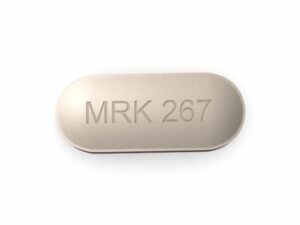
Ketorolac (NSAID) — Patient Information
Ketorolac is a strong anti-inflammatory and pain-relieving medicine from the non-steroidal anti-inflammatory drugs (NSAIDs) family. It is used for short-term treatment of moderate to severe pain and can be effective for quickly reducing pain and inflammation.
This guide is written to be clear and patient-friendly. It summarises how ketorolac works, how your body processes it, typical uses, dosing concepts, important safety information, and practical tips. Always follow the instructions given with your medicine and speak with a healthcare professional if you are unsure.
Basic product information
| Item | Information |
|---|---|
| Medicine name | Ketorolac |
| Medicine type | NSAID (anti-inflammatory, analgesic) |
| Common forms | Tablets and injectable forms (availability varies by product/setting) |
| How it helps | Reduces pain and inflammation by lowering prostaglandins |
| Typical treatment length | Short-term use (duration limits are important) |
| Key safety focus | Stomach/ulcer bleeding risk, kidney effects, and cardiovascular risk |
How ketorolac works (mechanism of action)
Ketorolac reduces pain and inflammation mainly by inhibiting cyclo-oxygenase (COX) enzymes, particularly COX-1 and COX-2. These enzymes are involved in producing prostaglandins, substances that contribute to:
- Pain signalling
- Inflammation
- Fever and swelling responses
By lowering prostaglandin production, ketorolac can reduce pain intensity and inflammatory symptoms. Because it affects prostaglandins broadly, it also affects protective functions in the stomach and kidneys—this is one reason why safety monitoring is important.
Pharmacokinetics (how the body handles ketorolac)
Pharmacokinetics describes how ketorolac is absorbed, distributed, metabolised, and eliminated.
Absorption
- Oral ketorolac is absorbed from the gastrointestinal tract.
- Taking with food may slow absorption slightly, but it generally does not remove the overall pain-relieving effect.
Distribution
- Ketorolac distributes into body tissues and can reach sites where pain and inflammation occur.
Metabolism
- Ketorolac is metabolised primarily by the liver into inactive or less active compounds.
Elimination
- Most of the medicine and its metabolites are eliminated via the kidneys.
- Because kidney function influences clearance, dose adjustments or avoidance may be necessary for people with reduced kidney function.
Practical takeaway: If you have kidney disease, dehydration, or are elderly, ketorolac can accumulate more easily. This increases the risk of side effects, particularly stomach and kidney problems.
Typical uses and indications
Ketorolac is used for short-term relief of moderate to severe pain, usually when stronger pain relief is needed. In clinical practice, it may be used for situations such as:
- Acute pain where rapid analgesia is required
- After certain surgical or injury-related pain episodes
- Other short-duration pain conditions where an NSAID is appropriate
Important: Ketorolac is not intended for long-term everyday pain relief. Longer use increases the risk of serious adverse effects, especially gastrointestinal bleeding and kidney injury.
Timing: when it starts working and how to take it
Ketorolac generally begins working within about 30–60 minutes after oral dosing for many people, with pain relief that may peak later. Individual response varies based on the dose, formulation, and your health status.
What “short-term” means
Ketorolac is typically used for the shortest duration necessary. Your treatment plan may involve limited days, and in some settings may include switching to less risky pain-relief options once pain improves.
Missed dose
- If you miss a dose, take it when you remember unless it is near your next dose.
- Do not take a double dose to catch up.
Food interactions (taking with or without meals)
Food can influence how quickly ketorolac is absorbed. In general:
- Ketorolac may be taken with food if it upsets your stomach.
- Taking with meals may help reduce nausea or stomach irritation for some people.
Tip: If you experience stomach discomfort, try taking ketorolac with food (unless your product instructions specify otherwise). If symptoms persist, speak to a healthcare professional.
Alcohol and medicine interactions
Alcohol
It is generally advisable to avoid alcohol while taking ketorolac. Alcohol can increase the risk of:
- Stomach irritation
- Gastrointestinal bleeding
- Impaired recovery due to increased side effects
Common medicine interactions
Ketorolac interacts with several medicines and can increase the risk of harm when combined with certain drugs. Tell your doctor or pharmacist if you use any of the following:
- Other NSAIDs (e.g., ibuprofen, naproxen, diclofenac) — increased risk of stomach bleeding and kidney problems
- Aspirin — bleeding risk may rise; low-dose aspirin may require special advice
- Blood thinners (e.g., warfarin) — increased bleeding risk
- Antiplatelet medicines (e.g., clopidogrel) — increased bleeding risk
- Selective serotonin reuptake inhibitors (SSRIs) (e.g., sertraline, fluoxetine) — higher bleeding risk when combined
- Steroids (e.g., prednisone) — increased risk of gastrointestinal ulceration/bleeding
- Diuretics and blood pressure medicines such as ACE inhibitors or ARBs — may increase kidney risk especially if dehydrated
- Lithium or methotrexate — levels may change; monitoring may be required
Herbal products: Some supplements (for example, products that affect bleeding risk) may also interact. If you use herbal or complementary products, mention them to your pharmacist.
Dosing overview (important safety notes)
Ketorolac dosing depends on the formulation, your age, kidney function, and whether it is used as short-term oral or other routes. It’s essential to follow the exact instructions for your product.
General principles:
- Use the lowest effective dose for the shortest possible time.
- Do not exceed the maximum recommended duration and dose for your product/age group.
- People with reduced kidney function may need a lower dose or may be advised not to use ketorolac.
Who may require extra caution
- Older adults
- People with kidney disease
- People with a history of stomach ulcers or gastrointestinal bleeding
- People taking other medicines that increase bleeding risk
Do not combine ketorolac with other NSAIDs unless specifically directed.
Safety profile and side effects
Like all medicines, ketorolac can cause side effects. Some effects are mild and temporary; others are serious. Seek urgent medical help if you experience severe or concerning symptoms.
Common side effects
- Stomach pain, heartburn, indigestion
- Nausea or vomiting
- Dizziness or headache
Serious side effects (get medical help promptly)
- Signs of gastrointestinal bleeding:
- Black/tarry stools
- Vomiting blood or coffee-ground material
- Sudden severe stomach pain
- Allergic reactions:
- Swelling of the face/lips
- Wheezing or trouble breathing
- Rash or hives
- Kidney problems:
- Reduced urination
- Unusual swelling (e.g., ankles/feet)
- Severe fatigue
- Signs of dehydration (especially with vomiting/diarrhoea)
- Cardiovascular risk signals (more likely with higher doses/prolonged use):
- Chest pain
- Shortness of breath
- Weakness on one side of the body
- Sudden trouble speaking
When to avoid ketorolac
You may be advised to avoid ketorolac if you have certain conditions or risk factors. Discuss with a pharmacist or doctor if you:
- Have had an NSAID-related allergy or asthma flare triggered by NSAIDs
- Have active stomach ulcer or a history of serious gastrointestinal bleeding
- Have significant kidney disease
- Are dehydrated (e.g., from vomiting/diarrhoea)
- Are in late pregnancy (NSAIDs can be harmful in later stages)
Practical use tips (getting the benefit safely)
- Start low and assess: Use the prescribed dose and evaluate pain relief after taking it.
- Don’t stack NSAIDs: Avoid taking ibuprofen, naproxen, or other NSAIDs alongside ketorolac.
- Stay hydrated: Good fluid intake can help support kidney function (unless you have a fluid restriction advised by a clinician).
- Monitor your stomach: If you feel ongoing stomach pain, stop and seek advice.
- Check your medication list: Review all medicines you use (including over-the-counter products) to avoid accidental double-dosing with NSAIDs.
- Use for the shortest time: If pain persists beyond the short-term window, speak with a healthcare professional about safer long-term alternatives.
Alternative options for pain relief
Depending on your situation (pain type, age, kidney/stomach history, and other medicines), there may be safer or more suitable alternatives. Common options include:
- Paracetamol (acetaminophen): Often used for mild to moderate pain and is gentler on the stomach than NSAIDs (but check liver health and total daily dose).
- Other NSAIDs with different risk profiles: Some people may tolerate certain NSAIDs better, but the overall class risks (stomach/renal) remain.
- Topical NSAIDs: For some musculoskeletal conditions, topical options can reduce systemic side effects.
- Non-medicine strategies: Heat/cold packs, physiotherapy, rest, gradual movement, and targeted exercises can reduce pain over time.
Note: Because ketorolac is a potent NSAID, alternatives may be preferred when pain needs to continue beyond a short period.
Market and legal context for Australia
In Australia, medicines are regulated under the Therapeutic Goods Administration (TGA). The availability of ketorolac products and their classification may vary depending on formulation and local product approvals. In general, medicines with higher risk profiles often have restrictions to help ensure safe use.
For online purchasing, Australian retailers must comply with applicable laws regarding:
- Product sourcing and supply chain requirements
- Correct labelling and consumer information
- Policies for identifying eligible products and ensuring the right medicine is supplied
Always check the product details on the site listing (strength, form, and instructions) and read the Consumer Medicine Information (CMI) provided with your medicine.
Recent guidance and risk awareness (what to know)
Across many countries, including Australia, healthcare guidance consistently highlights the need to minimise NSAID exposure, particularly when there is elevated risk for:
- Gastrointestinal bleeding or ulceration
- Kidney impairment
- Cardiovascular events
Clinicians are encouraged to use the lowest effective NSAID dose and reassess need frequently, especially for strong agents like ketorolac. Patients are also reminded to:
- Avoid taking ketorolac with other NSAIDs
- Report stomach symptoms promptly
- Seek advice if pain continues longer than expected
If you have ongoing pain, it’s usually better to switch to a safer longer-term plan rather than continuing potent NSAIDs.
Delivery and availability (online pharmacy)
Availability of ketorolac may depend on the specific product and supply arrangements. When ordering online in Australia, you should expect:
- Product selection showing the available strengths and forms
- Delivery timeframes that vary by location and dispatch schedule
- Secure packaging to protect the medicine during transit
Delivery tips:
- Ensure your delivery address is correct.
- If someone else will receive the parcel, confirm they can sign for it if required.
- Check product storage instructions when it arrives (some medicines require cool/dry storage).
If a product is out of stock, most pharmacies can offer alternative formulations or suggest options you can use sooner.
FAQ about Ketorolac
1) What is ketorolac used for?
Ketorolac is used for short-term relief of moderate to severe pain. It reduces pain and inflammation by affecting prostaglandin production (COX enzymes).
2) How quickly does ketorolac work?
Many people notice pain relief within 30–60 minutes after an oral dose, though individual timing varies.
3) Can I take ketorolac with food?
Yes. Taking ketorolac with food may reduce stomach irritation. Food may slow absorption slightly, but pain relief typically still occurs.
4) Can I drink alcohol while taking ketorolac?
It is generally best to avoid alcohol. Alcohol can increase the risk of stomach bleeding and make side effects more likely.
5) Should I take ketorolac with other painkillers?
Avoid combining ketorolac with other NSAIDs (such as ibuprofen or naproxen). If you plan to combine medicines, check with a pharmacist to ensure it’s safe for you. Some people may use paracetamol instead, but follow your product instructions and advice.
6) Who needs extra caution with ketorolac?
People with kidney problems, a history of stomach ulcers/bleeding, older adults, those who are dehydrated, and those taking medicines that increase bleeding risk should seek advice before using ketorolac.
7) What are the warning signs of a serious side effect?
Get urgent medical help if you notice signs of gastrointestinal bleeding (black stools, vomiting blood), allergic symptoms (swelling, wheeze, severe rash), or kidney issues (markedly reduced urination, significant swelling).
8) How long can I take ketorolac?
Ketorolac is intended for short-term use. The exact duration depends on the product and your clinical situation—follow the instructions on your medicine and seek advice if pain persists.
9) What if I miss a dose?
Take it when you remember unless it is close to the next dose. Do not double dose.
10) Are there alternatives if ketorolac doesn’t suit me?
Yes. Alternatives can include paracetamol, topical pain relief, physiotherapy strategies, and other medicines depending on the cause of pain and your risk factors. A pharmacist can help you choose a safer option.
Disclaimer: This information is for general guidance and does not replace advice from a healthcare professional. If you have specific medical conditions, are pregnant/breastfeeding, or are taking other medicines, confirm whether ketorolac is suitable for you.