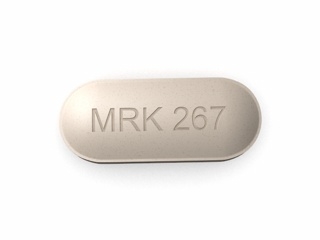

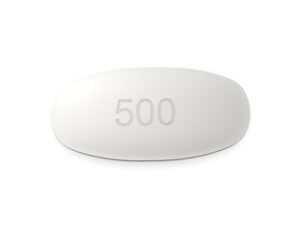
Maxalt (Rizatriptan) – Patient-Friendly Guide (Australia)
Maxalt (active ingredient: rizatriptan) is a prescription medicine used for the acute treatment of migraine attacks. If you have migraine, Maxalt can help reduce pain and accompanying symptoms such as nausea, vomiting, and sensitivity to light or sound.
This page explains how Maxalt works, when to take it, what to watch for, and how it may interact with other medicines, food, alcohol, and health conditions. It also includes practical tips for getting the best results and frequently asked questions relevant to people in Australia.
1. Basic product information
| Feature | Details |
|---|---|
| Medicine name | Maxalt (rizatriptan) |
| Type | Triptan medicine (acute antimigraine) |
| Common forms | Tablets (including oral tablets that may dissolve on the tongue, depending on brand/presentation) |
| Key use | Treatment of an existing migraine attack |
| Typical onset | Symptoms often begin improving within about 30 minutes (varies by person) |
| How often | One dose at the start of symptoms; a second dose may be needed in some situations (see dosing section) |
Important: This guide is for general information. Your dosing schedule may be different depending on your health, the strength of the product you have, and any interacting medicines you take.
2. What is migraine and what does Maxalt treat?
Migraine is a neurological condition that may cause moderate to severe headache, often with:
- Nausea and/or vomiting
- Light sensitivity
- Sound sensitivity
- Sometimes aura (visual disturbances such as flashing lights or zigzag lines)
Maxalt is used to treat migraine attacks. It is intended for acute relief—meaning it is taken when migraine symptoms start—rather than to prevent migraines from occurring.
3. How Maxalt works (mechanism of action)
Rizatriptan belongs to a class of medicines called triptans. It helps relieve migraine by acting on serotonin (5-HT) receptors, especially 5-HT1B and 5-HT1D.
In practical terms, rizatriptan:
- Narrows certain dilated blood vessels involved in migraine pathways
- Reduces inflammation in pain pathways
- Inhibits pain signal transmission in the brain
This targeted mechanism is why triptans often work best when taken early in the migraine attack.
4. Pharmacokinetics (how the body handles rizatriptan)
Pharmacokinetics describes how a medicine is absorbed, distributed, metabolised, and eliminated.
Absorption and onset
- Rizatriptan is absorbed after oral dosing.
- Many people notice relief within about 30 minutes.
- Time to maximum concentration (Tmax) is typically reached within around 1–2 hours (may vary with formulation and individual factors).
Distribution
- Rizatriptan is distributed throughout the body and reaches the central nervous system to affect migraine-related pathways.
Metabolism
- Rizatriptan is mainly metabolised by the liver enzyme MAO-A (monoamine oxidase A).
- Because of this, medicines that inhibit MAO-A can significantly raise rizatriptan levels.
Elimination
- Rizatriptan and its metabolites are eliminated mainly via the kidneys.
- Kidney function and liver function can affect how quickly the medicine is cleared.
5. Typical use: indications and who it may be suitable for
Maxalt (rizatriptan) is indicated for:
- Acute treatment of migraine attacks in adults and adolescents (age limits depend on local product registration and formulation).
- Use in people who have a confirmed migraine diagnosis.
Not for every headache: Maxalt is not intended for treating every type of headache (for example, it is not an alternative for evaluating sudden severe headache or headaches that are different from usual migraine).
If your headaches change pattern, become unusually frequent, or you have neurologic symptoms that concern you, seek medical advice promptly.
6. When to take Maxalt (timing and how to use it)
For best results, take Maxalt as soon as you are able to recognise a migraine attack.
- During aura: If you experience aura, you can take Maxalt when the migraine begins, but timing may vary depending on your clinician’s advice and your symptoms. Many people choose to take it when headache starts.
- Early treatment helps: Taking Maxalt early may improve the chance of relief and reduce the risk of needing additional doses.
How to take it:
- Follow the instructions on your specific product pack.
- Use with water unless your presentation is designed to dissolve on the tongue.
- If you vomit shortly after taking a dose, you may not have absorbed the medicine fully—ask your pharmacist or prescriber for guidance.
7. Dosing (adult guidance and common dosing patterns)
Dosing can differ based on formulation and individual risk factors, including other medications you may be taking.
General approach for migraine attacks:
- Initial dose: Take one dose at the start of your migraine attack.
- If symptoms return: A second dose may be taken in some circumstances.
- Maximum per 24 hours: There are limits on how much can be taken in a day to reduce the risk of side effects and medication-overuse headache.
Common maximum dosing concepts for rizatriptan include:
- Do not exceed the recommended total daily dose.
- Allow sufficient time between doses as instructed on your product information.
Reduced doses may be recommended if:
- You are taking certain interacting medicines (for example, some antidepressants or migraine preventives that affect MAO-A).
- You have moderate kidney impairment or moderate liver impairment (product guidance may specify dose limits).
Always check your pack for the exact strength and dosing intervals and confirm with your pharmacist if you are unsure—particularly when using combination medicines or when you have liver/kidney conditions.
8. Food interactions
Food can influence how quickly and how much medicine is absorbed. With rizatriptan, timing with food is generally less critical than with some other medicines, but individual responses vary.
- For many people, Maxalt can be taken with or without food.
- If your migraine includes nausea and vomiting, take Maxalt as soon as you can tolerate it.
- If you notice reduced effectiveness when taken after certain meals, you may prefer taking it on an emptier stomach next time (discuss with your pharmacist if you are unsure).
Practical tip: Keep your next dose instructions handy so you do not have to search when you are unwell.
9. Alcohol and medicine interactions
Alcohol
- Alcohol can trigger or worsen migraines in some people.
- While there is not usually a direct “dangerous” interaction for every person, alcohol may affect your hydration, sleep, and migraine threshold.
- If you drink alcohol, consider whether your migraines correlate with drinking and avoid alcohol during high-risk periods.
Medicine interactions (important)
Rizatriptan interactions are most significant with medicines that affect serotonin pathways and with MAO-A inhibitors.
Tell your pharmacist if you take any of the following:
- MAO-A inhibitors (used for depression, including moclobemide, and some other specific agents). These can increase rizatriptan levels and are generally not combined.
- Ergot-containing medicines (e.g., ergotamine, dihydroergotamine) used for migraine.
- Other triptans (avoid taking two triptans close together unless directed).
- Other serotonergic medicines such as some antidepressants (SSRIs/SNRIs), serotonin agonists, and certain cough medicines—because combining serotonergic medicines can increase the risk of serotonin-related side effects.
Antidepressants and serotonergic medicines: Most people can take triptans with many antidepressants safely, but the exact risk depends on the combinations. Your healthcare professional will consider your overall regimen and symptoms.
Herbal products: Some supplements may affect serotonin or drug metabolism (for example, St John’s wort). Discuss supplements with your pharmacist before use.
10. Safety profile (what to expect and when to seek help)
Like all medicines, Maxalt can cause side effects. Many side effects are mild and temporary, but some symptoms may require urgent medical attention.
Common or expected side effects
- Throat, neck, or jaw tightness (sometimes described as pressure or heaviness)
- Headache or dizziness
- Flushing or warmth
- Fatigue or sleepiness
- Nausea (though migraine itself can cause nausea)
Serious side effects—seek urgent medical help if you experience
Contact emergency services or urgent medical care if you have symptoms that could indicate a serious reaction or reduced blood flow to the heart or brain.
- Chest pain, pressure, or pain spreading to the arm, jaw, or back
- Sudden shortness of breath, fainting, severe weakness, or one-sided numbness
- Signs of an allergic reaction: swelling of face/lips, hives, difficulty breathing
Medication-overuse headache (MOH): Taking acute migraine medicines too often can make headaches more frequent over time. A typical rule of thumb is:
- Use acute migraine treatment on fewer days per month rather than many days (your clinician/pharmacist can give a personalised threshold).
Who may need extra caution
Maxalt may not be suitable for everyone. Extra caution is needed if you have:
- Known heart disease or a history of stroke or transient ischaemic attack (TIA)
- Uncontrolled high blood pressure
- Significant liver or kidney impairment
- Rare blood clotting or blood vessel disorders
Your clinician can help determine whether rizatriptan is appropriate for you based on your health history and current medicines.
11. Practical use tips (how to get the best outcome)
- Keep a “migraine plan”: Decide in advance what to do at the first sign of migraine—when to take Maxalt and whether/when to consider a second dose.
- Use timing smartly: Taking it early can help, but take it when it is appropriate for your symptoms and you can tolerate it.
- Manage triggers: Hydration, regular meals, sleep consistency, and identifying personal triggers can improve overall control.
- Track attacks: Note the time you take Maxalt, symptom response, and any side effects. This helps your healthcare provider fine-tune treatment.
- Consider prevention if attacks are frequent: If migraines occur often, preventive strategies (including lifestyle changes or preventive medicines) may reduce your need for acute treatment.
- Be careful with “stacking”: Avoid taking multiple migraine-specific medicines too close together unless directed.
12. Alternative options (other migraine treatments)
If Maxalt is not suitable or does not work well enough, there are other options for acute migraine and migraine prevention.
Acute (attack-at-time) options
- Other triptans (different triptans may suit different people)
- Gepants (calcitonin gene-related peptide receptor antagonists) for acute migraine—availability and eligibility depend on local approvals
- Ditans (select serotonin receptor agonists)—availability depends on market approvals
- Anti-nausea medicines used alongside migraine treatment in some cases
- Analgesics (pain relief medicines), sometimes combined with anti-nausea treatments
Preventive (to reduce frequency) options
- Some prescription preventive medicines (e.g., certain blood pressure medicines, antidepressants, or anti-seizure medicines)
- Botulinum toxin for chronic migraine (where indicated)
- Other preventive monoclonal antibodies targeting CGRP pathways (where indicated)
- Lifestyle and trigger management, including sleep and nutrition strategies
Your pharmacist or doctor can help compare options based on your migraine pattern, medical history, and other medicines you take.
13. Maxalt in Australia: market and legal context
In Australia, medicines like Maxalt are regulated under the Therapeutic Goods Administration (TGA) framework. The availability, approved indications, and product presentations are tied to TGA approvals and prescribing/dispensing rules.
When purchasing medicines online, Australian pharmacies aim to ensure:
- Products are sourced through authorised supply chains
- Packaging and labelling match the approved Australian product
- Customer information and medicine safety checks (including interaction screening) are performed
Note: Local availability may vary by region and by product formulation. A pharmacy can confirm stock and delivery timelines.
14. Recent guidance and practical update themes
Migraine management guidance evolves as new evidence and treatments become available. While the core role of triptans for acute migraine remains established, recent focus areas across clinical practice commonly include:
- Avoiding medication-overuse by limiting how often acute medicines are used
- Personalising treatment based on response, tolerability, and comorbidities
- Considering new acute therapies for people who do not respond adequately to triptans or who have contraindications
- Reinforcing safety in people with cardiovascular risk and in those on interacting medicines
Your pharmacist can also advise on the most up-to-date product instructions included with the specific Maxalt presentation you receive.
15. Delivery and availability in Australia
Online pharmacies in Australia typically provide access to migraine medicines through authorised sourcing and standard shipping. Availability can depend on stock levels and the specific presentation/strength.
What to expect:
- Stock checks: Orders may be confirmed after verifying availability.
- Dispatch times: Many pharmacies dispatch within 1–2 business days, depending on local procedures.
- Delivery service: Courier or Australia Post options may vary.
- Tracking: Tracking information is often provided once dispatched.
Storage: Store Maxalt according to the label—typically in a cool, dry place, away from direct sunlight and out of reach of children.
16. Maxalt FAQ
How quickly does Maxalt work?
Many people begin to feel improvement within about 30 minutes. Some people may take longer, and overall response can vary depending on how early the dose is taken and the severity of the attack.
Can I take Maxalt for every headache?
Maxalt is for migraine attacks. Do not use it for every type of headache without confirming the cause. If your headaches change significantly, seek medical advice.
What if my migraine comes back after the dose?
Some migraine attacks improve then return. A second dose may be considered, but you should follow the dosing instructions for your specific product and your healthcare professional’s guidance. Also consider medication-overuse risk if you need frequent doses.
Can I take Maxalt during aura?
It depends on your symptoms and advice from your healthcare professional. Many people take it at the onset of headache after aura, while others may take it earlier. If you have a consistent personal pattern, discuss the best timing for you.
Does food affect Maxalt?
Often, Maxalt can be taken with or without food. If you are nauseated, take it when you can tolerate it. If you notice a consistent difference in effectiveness with meals, discuss options with your pharmacist.
Is it safe to drink alcohol with Maxalt?
Alcohol may worsen migraines for some people. While there may not be a universal direct interaction, alcohol can affect hydration, sleep, and your migraine threshold. Avoid alcohol during an attack if it triggers symptoms for you.
What medicines should I avoid with Maxalt?
Tell your pharmacist about all medicines and supplements. Key interaction categories include:
- MAO-A inhibitors
- Other triptans
- Ergot-containing migraine medicines
- Serotonergic medicines (depending on your specific regimen)
What side effects are most common?
Common effects can include flushing, dizziness, fatigue, and sensations of throat/neck/jaw tightness. If you develop chest pain or symptoms suggesting a serious reaction, seek urgent medical care.
How do I prevent medication-overuse headache?
Try to limit acute migraine medicines to a relatively low number of headache days per month. If you need Maxalt frequently, ask your clinician about preventive options and a safer long-term plan.
What should I do if I miss a dose?
Maxalt is taken when migraine symptoms start. If you miss timing, take it only if you still have an active migraine attack and according to your prescribed instructions.
Where can I check the exact dosing for my product?
Check the package instructions and any written guidance you received with your Maxalt supply. If anything is unclear, your pharmacist can confirm the correct dose and maximum daily amount.
Summary
Maxalt (rizatriptan) is an established acute migraine treatment that can reduce migraine pain and associated symptoms. It works by targeting serotonin receptors involved in migraine pathways. For many people, it works best when taken early in an attack, and careful attention to dosing limits, interactions, and medication-overuse prevention is important for safety and long-term effectiveness.
If you have questions about suitability, timing, or drug interactions, speak with a pharmacist—especially if you have heart or blood vessel conditions, stroke/TIA history, kidney or liver problems, or you take other medicines that may interact with rizatriptan.