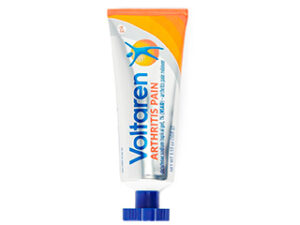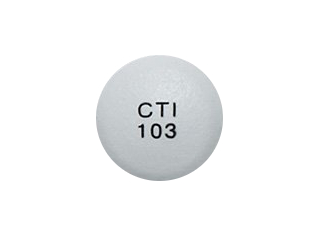


Diclofenac (Diclofenac Sodium) – Patient Guide (Australia)
Diclofenac is a widely used anti-inflammatory medicine belonging to the NSAID (non-steroidal anti-inflammatory drug) group. It helps reduce pain, inflammation, and swelling. In Australia, diclofenac products may be available in different forms, such as tablets, modified‑release tablets, and topical preparations (e.g., gels).
This guide explains how diclofenac works, how it’s used, what to expect, and how to use it safely. Always follow the product label and the instructions provided by your pharmacist or healthcare professional.
Basic product information
- Medicine name: Diclofenac (diclofenac sodium)
- Drug class: NSAID (non-steroidal anti-inflammatory drug)
- Common forms (may vary by brand): oral tablets (including modified‑release), topical gel
- Typical conditions treated: inflammatory and painful conditions such as arthritis, musculoskeletal pain, and certain soft-tissue injuries
The exact dosing and strength depend on the formulation (oral vs topical) and the product you purchase. If you’re unsure which product you have, check the pack for strength (e.g., mg per tablet or mg/g for gel).
How diclofenac works (mechanism of action)
Diclofenac works mainly by blocking enzymes called COX enzymes (cyclo‑oxygenase), particularly COX‑1 and COX‑2. These enzymes are involved in making prostaglandins—chemical messengers that contribute to:
- Pain (by increasing sensitivity to pain signals)
- Inflammation (by promoting inflammatory processes)
- Swelling (via fluid and immune changes in affected tissues)
By reducing prostaglandins, diclofenac helps relieve symptoms. It does not cure the underlying condition, but it can make daily activities more comfortable while the underlying cause is managed.
Pharmacokinetics (how your body handles diclofenac)
Understanding pharmacokinetics may help you appreciate timing and side effects. Key points include:
- Absorption: Oral diclofenac is absorbed through the digestive tract. Absorption can be influenced by food, and the speed depends on whether the product is immediate‑release or modified‑release.
- Distribution: Diclofenac distributes into tissues, including sites of inflammation.
- Metabolism: Mainly metabolised in the liver.
- Elimination: Excreted largely through the kidneys (and some via bile). People with kidney impairment may be more susceptible to adverse effects.
- Topical products: Less systemic absorption than oral diclofenac, but some absorption can still occur.
Because diclofenac is handled by the liver and kidneys, it’s important to use it cautiously if you have liver disease, kidney disease, or a history of stomach ulcers or bleeding.
Typical uses and indications
Diclofenac is used to relieve pain and inflammation associated with many musculoskeletal conditions. Depending on the product and strength, it may be used for:
- Osteoarthritis (joint pain and stiffness)
- Rheumatoid arthritis (inflammation-driven joint symptoms)
- Ankylosing spondylitis (inflammatory back pain)
- Muscle and joint injuries (e.g., strains and sprains)
- Back pain (where appropriate)
- Dental pain (for certain short-term uses, depending on product access and local guidance)
- Sports injuries and localized pain (particularly with topical diclofenac)
- Swelling and inflammation related to soft tissue disorders
For topical diclofenac gel, use is typically aimed at localized pain such as osteoarthritis in certain joints and minor muscle or tendon discomfort.
When and how to take diclofenac (timing)
Timing depends on whether you’re using oral or topical diclofenac and what type of tablet it is. Always follow your product label. The information below is general.
Oral diclofenac (tablets)
- Take with water.
- Modified‑release products: often require once-daily dosing. Do not crush or split unless the product instructions say it’s allowed.
- Immediate‑release products: dosing frequency may be more than once per day depending on the strength.
- Use the lowest effective dose for the shortest time needed to control symptoms.
Topical diclofenac (gel)
- Apply to clean, dry skin over the painful area.
- Use the measured amount on the label (often specified in grams).
- Wash hands after application unless your hands are the treated area.
- Avoid broken skin, eyes, and mouth.
- Do not cover with airtight dressings unless your healthcare professional advises it.
How soon it works: Some people feel pain relief within hours, while others may notice improvement over a few days. In inflammatory conditions like arthritis, consistent use (as directed) may be needed to see full benefit.
Food interactions
Food can affect how quickly diclofenac is absorbed and may influence stomach side effects. As a general guide:
- Taking with food may reduce the likelihood of stomach irritation for some people.
- If you experience heartburn, stomach pain, nausea, or indigestion, consider taking your dose with or after food (if appropriate for your product).
Do not exceed the recommended dose based on how you feel when a dose is delayed. If your symptoms are not controlled, seek advice rather than increasing frequency.
Alcohol interactions and combined medicine risks
Combining diclofenac with alcohol can increase the risk of stomach bleeding and ulceration, and may worsen dizziness or stomach upset. For safer use:
- Limit or avoid alcohol while taking diclofenac.
- If you choose to drink, keep it to low amounts and avoid taking alcohol on an empty stomach.
Medicine interactions: Diclofenac can interact with several commonly used medicines. Examples include:
- Other NSAIDs (e.g., ibuprofen, naproxen, aspirin for pain): increases risk of stomach and bleeding problems.
- Blood thinners (e.g., warfarin), and antiplatelet agents (e.g., clopidogrel): can increase bleeding risk.
- Selective serotonin reuptake inhibitors (SSRIs) or other antidepressants that affect serotonin: may increase risk of GI bleeding when combined with NSAIDs.
- Diuretics (water tablets) and medicines affecting kidney function (e.g., ACE inhibitors/ARBs): NSAIDs can reduce kidney blood flow and may raise kidney risk.
- Lithium: NSAIDs may raise lithium levels in the blood.
- Methotrexate: NSAIDs may increase methotrexate toxicity (especially at higher doses or in certain regimens).
- Some diabetes medicines: interactions can affect blood glucose control in certain cases.
This is not a complete list. If you have multiple medicines, it’s a good idea to review them with a pharmacist before starting diclofenac, especially if you take medicines for heart disease, blood clotting, blood pressure, kidney issues, or stomach ulcers.
Dosing guidance (general)
Dosing depends on your product strength, formulation, and your condition. The most important principles are:
- Follow your pack instructions or pharmacist advice.
- Use the lowest effective dose and shortest duration.
- Do not combine multiple NSAIDs unless specifically advised.
Oral diclofenac: general approach
- Oral dosing schedules vary by strength and whether the product is immediate-release or modified-release.
- Many products are taken once or more daily depending on formulation and strength.
Topical diclofenac gel: general approach
- Apply a thin layer to the affected area as directed.
- Typical use is multiple times per day, with the exact frequency and maximum amount determined by the specific product label.
- Do not apply to large areas or use for longer than recommended on the label.
Important: If you miss a dose, take it when you remember unless it’s near the time of the next dose. Do not double up.
Safety profile: who should be careful
Diclofenac can be effective, but it has important safety considerations—particularly for the stomach, kidneys, blood pressure, and cardiovascular system. People at higher risk should discuss options with a pharmacist or healthcare professional before using diclofenac.
Common side effects
- Indigestion, heartburn, nausea
- Stomach discomfort
- Headache or dizziness
- Skin reactions (more common with topical products): redness, itching, rash
Serious side effects: seek urgent help
Stop diclofenac and seek urgent medical help if you experience signs of serious reactions, such as:
- Signs of stomach bleeding: vomiting blood, black/tarry stools, or blood in stools
- Severe allergic reaction: swelling of face/lips, trouble breathing, wheezing, or widespread hives
- Severe rash or blistering skin
- Chest pain, sudden shortness of breath, weakness on one side of the body, or speech changes
- Reduced urination or marked swelling (possible kidney issues)
Higher-risk groups
- History of stomach ulcer or GI bleeding
- Older adults (risk of side effects increases with age)
- People with kidney disease or dehydration
- People with heart disease, previous stroke, or high cardiovascular risk
- Those taking medicines that increase bleeding risk (e.g., anticoagulants, antiplatelets, SSRIs)
- Asthma or past NSAID-related breathing reactions
- People with liver disease or heavy alcohol use
Practical use tips for safer pain relief
- Start low and go slow: use the smallest effective dose.
- Protect your stomach: consider taking with food if your product label allows it.
- Avoid doubling up: don’t take diclofenac together with other NSAIDs (ibuprofen/naproxen) or multiple diclofenac products.
- Track symptom response: if you’re not improving after a few days (or as directed), stop and seek advice.
- Stay hydrated: dehydration increases kidney risk when using NSAIDs.
- For topical use: avoid applying heat over the area (e.g., heating pads), unless your product guidance permits it.
- Skin care: wash hands after applying gel and avoid contact with eyes and mouth.
- Don’t use on broken skin: increases absorption and irritation risk.
Alternative options
Depending on your condition and risk profile, alternatives may include other NSAIDs, acetaminophen/paracetamol, topical options, or non-medicine measures. Discuss suitability with a pharmacist if you have complex health issues.
Other medication options (examples)
- Topical NSAIDs: other gels/creams for localized pain may be options.
- Paracetamol (acetaminophen): may help pain, though it has less anti-inflammatory effect.
- Other NSAIDs: different NSAIDs may suit different people, but they share some common risks.
Non-medicine measures
- Rest and activity modification during flare-ups
- Cold or heat therapy (as appropriate for the injury stage)
- Physiotherapy, stretching, and strengthening programs
- Supportive devices (e.g., braces) for certain joint pains
If pain persists, worsens, or keeps returning, it’s important to get the underlying cause reviewed rather than using pain relief indefinitely.
Australia: market and legal context (overview)
In Australia, access to diclofenac products can depend on the specific formulation, strength, and pack size. Some products may be available without a prescription, while others may require pharmacist/pharmacy involvement or be restricted to certain categories.
Online purchases should only be made through legitimate, compliant pharmacies. Always check:
- The exact product (oral vs topical; strength; directions)
- Australian regulatory status on the product listing and label
- Delivery conditions and return policies
Safety communications and category scheduling can evolve. For the latest advice, consider visiting official Australian health resources or consult a pharmacist.
Recent guidance and monitoring (practical note)
NSAIDs—including diclofenac—are regularly reviewed in terms of cardiovascular and gastrointestinal safety. Guidance commonly emphasises:
- Using the lowest effective dose and shortest duration
- Considering higher-risk patients carefully (older age, prior ulcers, cardiovascular disease, kidney issues)
- Assessing the need for continued NSAID use when pain persists
- Reviewing concurrent medicines that raise bleeding risk or kidney risk
If you are using diclofenac for more than a short period, it’s reasonable to check in with a pharmacist to ensure ongoing use remains appropriate.
Delivery and availability
Diclofenac products are commonly available through Australian pharmacies and pharmacy websites. Availability may vary by brand and formulation. When ordering online:
- Verify the strength and form before placing your order.
- Check delivery timeframes and whether cold-chain storage is required (usually not for diclofenac, but check the product page).
- Ensure your address is correct to avoid delays.
- Keep the product packaging and directions for future reference.
If you have questions about which formulation suits your pain (localized vs widespread, acute injury vs chronic arthritis), a pharmacist can often recommend the most appropriate option.
FAQ
1) Is diclofenac safe to use every day?
Diclofenac may be used for ongoing inflammatory conditions in some cases, but long-term daily NSAID use increases the risk of side effects. The safest approach is the lowest effective dose for the shortest effective duration, with periodic review if used beyond a short time. If you’re considering daily use, ask a pharmacist whether your medical history and current medicines make it safe for you.
2) What’s the difference between oral and topical diclofenac?
Oral diclofenac works systemically (throughout the body). Topical diclofenac gel is applied to the painful area and generally leads to lower overall absorption, which can reduce some systemic risks. Topical products are often preferred for localized pain.
3) Can I take diclofenac with paracetamol?
In many cases, paracetamol can be used alongside NSAIDs for pain control, because they work differently. However, confirm with your pharmacist—especially if you have liver disease, drink significant alcohol, or take other medicines. Always avoid exceeding the maximum daily dose of paracetamol.
4) Can I drive or operate machinery?
Diclofenac is not usually associated with major impairment, but some people may experience dizziness or headache. If you feel unwell or dizzy after taking it, avoid driving or operating machinery until you’re sure you’re alert.
5) What if I forget a dose?
If you miss a dose, take it when you remember unless it’s close to the next dose. Don’t double up to make up for the missed dose.
6) How long can I use topical diclofenac gel?
Use according to the label instructions. If symptoms don’t improve within the recommended timeframe, or if they worsen, stop and seek advice. Persistent pain may require evaluation for an underlying cause.
7) Who should avoid diclofenac?
Avoid or use only after professional advice if you have a history of NSAID-related allergic reactions, prior stomach ulcers/bleeding, significant kidney disease, or significant cardiovascular risk. If you’re unsure, ask a pharmacist before use.
8) Can I use diclofenac if I have asthma?
Some people with asthma may react to NSAIDs. If you’ve ever had wheezing, shortness of breath, or swelling after aspirin or another NSAID, you should not use diclofenac without professional advice.
9) Does diclofenac treat the cause of arthritis?
Diclofenac treats symptoms by reducing pain and inflammation. It does not cure arthritis. Long-term arthritis management often includes exercise, physiotherapy, and sometimes disease-modifying treatment depending on the diagnosis.
10) What signs mean I should stop diclofenac immediately?
Stop and seek urgent help if you experience signs of gastrointestinal bleeding (black stools, vomiting blood), severe allergic reactions (facial swelling, breathing difficulty), severe skin reactions, chest pain, or signs of stroke.
Quick reference table
| Topic | What to know |
|---|---|
| Medicine type | NSAID (diclofenac sodium) |
| Main benefit | Reduces pain and inflammation |
| Best for | Inflammatory and painful conditions (oral or localized pain with topical) |
| How to take | Follow your product label; take oral doses with water; topical gel as directed |
| Food | With food may help stomach tolerance for oral forms |
| Alcohol | May increase stomach bleeding risk—limit/avoid |
| Key risks | Stomach ulcers/bleeding, kidney strain, and cardiovascular risk (dose/duration dependent) |
| Avoid combining | Other NSAIDs; use caution with blood thinners, SSRIs, and kidney-affecting medicines |
Need help choosing? If you tell us whether you’re treating localized pain (e.g., knee/hand) or broader pain (e.g., back/arthritis), your age range, and any medicines you already take, we can help you identify the most suitable diclofenac product and safer use instructions.