
Flexeril (Cyclobenzaprine Hydrochloride) — Patient Guide
Flexeril is a brand of cyclobenzaprine hydrochloride, a medicine used to relieve muscle spasm and improve comfort when muscle tightness is part of an acute injury or painful condition. This guide explains how Flexeril works, how it is typically taken, what to expect, and important safety information for people in Australia.
Always follow the instructions given for your situation and read the Consumer Medicine Information (CMI) supplied with your product.
Quick Facts
- Medicine name: Flexeril (cyclobenzaprine hydrochloride)
- What it’s used for: Short-term relief of painful muscle spasm associated with acute, musculoskeletal conditions
- How it works: Reduces muscle spasm by acting on the central nervous system
- Common side effects: Drowsiness, dry mouth, dizziness, constipation
- Typical duration: Often used for short periods as part of overall care (e.g., rest, physiotherapy, movement)
Basic Product Information
| Category | Details |
|---|---|
| Active ingredient | Cyclobenzaprine hydrochloride |
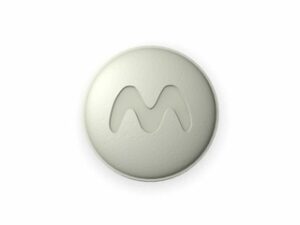
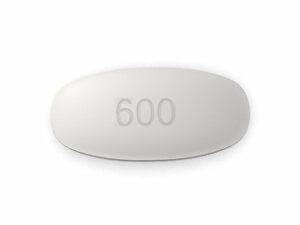
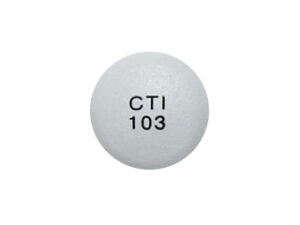
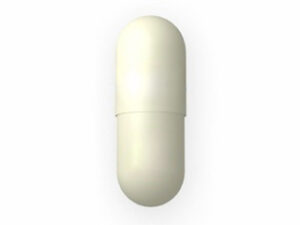
| Medicinal form | Tablets (strengths may vary by product/market) |
| Therapeutic use | Relief of muscle spasm and associated pain |
| Strength | Common strengths include 5 mg and 10 mg tablets (availability may vary) |
| How it is taken | Usually by mouth, with dose frequency depending on your care plan |
How Flexeril Works (Mechanism of Action)
Cyclobenzaprine belongs to a group of medicines often described as centrally acting muscle relaxants. It is thought to work primarily in the brain and spinal cord (the central nervous system) to reduce abnormal muscle activity and relieve painful muscle spasm.
While it helps ease spasm and discomfort, Flexeril does not “fix” the underlying cause of injury by itself. Recovery typically requires time plus supportive measures such as gentle movement, physiotherapy, or other recommended care.
Pharmacokinetics (What the Body Does to the Medicine)
Pharmacokinetics describes how the body absorbs, distributes, metabolises, and eliminates cyclobenzaprine. General features include:
- Absorption: After oral dosing, cyclobenzaprine is absorbed from the gastrointestinal tract.
- Onset of effect: Some people notice symptom relief within hours, though full benefit may take longer.
- Distribution: The medicine distributes throughout the body, including the central nervous system.
- Metabolism: Cyclobenzaprine is extensively metabolised in the liver.
- Elimination: Metabolites are removed primarily through the kidneys.
- Half-life: Cyclobenzaprine has a relatively long half-life, meaning effects may persist beyond the last dose.
If you have liver impairment, your body may clear the medicine more slowly, increasing the chance of adverse effects.
Typical Uses and Indications
Flexeril is commonly indicated for short-term relief of muscle spasm associated with acute, painful musculoskeletal conditions such as:
- Acute low back pain with muscle spasm
- Neck pain associated with muscle tightness or spasm
- Painful muscle spasms from strains and sprains
It is typically used alongside other measures such as appropriate activity, stretching, physiotherapy advice, heat/cold therapy, and pain relief strategies where recommended.
Timing: When to Take Flexeril
The timing of doses depends on your individual instructions and the tablet strength you are using. Many people take cyclobenzaprine once or multiple times daily during the first few days of a flare-up, then stop when symptoms improve.
Practical timing tips
- Because it can cause drowsiness: If you experience sedation, consider taking doses in the evening or as directed.
- Try to keep dosing consistent: This helps maintain steadier effects and side-effect patterns.
- Plan ahead: Avoid scheduling activities that require alertness (driving, machinery) until you know how you respond.
Dosing (General Information)
Dosing varies by age, symptom severity, and individual risk factors. Always follow the dosing instructions provided with your medicine.
General adult dosing commonly used for cyclobenzaprine:
- Start low if appropriate: Some patients begin with a lower strength to assess tolerance.
- Frequency: Doses are often divided through the day (for example, morning and evening) depending on instructions.
- Duration: Generally used for short-term management of acute muscle spasm.
Important: Do not exceed recommended doses. If you miss a dose, take it when you remember unless it is close to the next dose. In that case, skip the missed dose—do not double up.
Food Interactions
Cyclobenzaprine may be taken with or without food. However, taking it with meals can help some people reduce stomach upset.
- With food: May improve tolerability if you experience nausea.
- Grapefruit: While not always specifically highlighted, grapefruit can affect drug metabolism in some cases. If you have concerns or take multiple medications, ask your pharmacist.
- General dietary caution: Avoid very large alcohol intake or excessive sedating substances (see below).
Alcohol and Medicine Interactions
Flexeril can cause sedation and affect coordination. For this reason, combining cyclobenzaprine with alcohol can significantly increase risk of:
- drowsiness and impaired judgement
- dizziness and falls
- slower reaction times
- breathing problems in susceptible people
Recommendation: Avoid alcohol while taking Flexeril unless your healthcare professional advises otherwise.
Other medicines that may interact
Cyclobenzaprine can interact with several classes of medicines. Tell your pharmacist or doctor about all medicines you take, including over-the-counter products and herbal supplements.
- Other sedatives: e.g., benzodiazepines, opioids, some sleep medicines—may increase drowsiness
- Antidepressants: especially certain types (risk of additive effects and serotonin-related concerns)
- Anticholinergic medicines: may increase dry mouth, constipation, blurred vision
- Medicines affecting heart rhythm: cyclobenzaprine may not be suitable with certain cardiac medicines
- Other muscle relaxants: additive muscle-relaxing effects and sedation
If you have a complex medication list, a pharmacist can help check for potential interactions.
Safety Profile: Who Should Be Cautious
Flexeril is generally well tolerated when used correctly, but it has a safety profile that requires attention. Some people are at higher risk of side effects, especially those with certain medical conditions or older age.
Common side effects
- Drowsiness (sleepiness)
- Dizziness
- Dry mouth
- Constipation
- Nausea
- Blurred vision
Seek urgent medical attention if you experience
- Severe allergic reaction (e.g., swelling of the face/lips, trouble breathing)
- Fainting, severe dizziness, or chest pain
- Confusion, extreme agitation, or symptoms that concern you significantly
- Fast or irregular heartbeat
- Severe symptoms after combining with other sedatives or alcohol
Special caution groups
- Older adults: Higher risk of drowsiness, falls, confusion, and constipation.
- Liver impairment: Slower metabolism can increase exposure and side effects.
- Heart rhythm conditions: Cyclobenzaprine may affect electrical activity of the heart in susceptible individuals.
- Glaucoma or urinary retention: Anticholinergic effects (e.g., dry mouth, urinary issues) may worsen symptoms.
- People with a history of seizures: Discuss risk with a healthcare professional.
Driving and operating machinery
Because Flexeril may cause drowsiness and dizziness, you should avoid driving or using machinery until you know how the medicine affects you. Australia has strict road safety rules—being too sleepy or not fully alert can be dangerous.
Practical Use Tips (How to Get the Best Results)
Flexeril often helps most when combined with sensible self-care and a recovery plan. The following tips can improve comfort and reduce the risk of complications:
- Start gently: When spasm eases, begin mild movement as tolerated (avoid complete bed rest unless advised).
- Consider heat or cold: Many people find heat helps muscle tightness and cold helps inflammation—choose what works for you.
- Hydrate: Dry mouth and constipation can occur—fluids and fibre can help.
- Prevent constipation: If you’re prone to constipation, increase dietary fibre and fluids; consider discussing stool-softening options with a pharmacist.
- Be careful with night dosing: If you feel groggy, avoid rushing out of bed (reduce fall risk).
- Don’t mix with sedatives: Avoid alcohol and check interactions with other medicines.
- Review progress: If pain/spasm isn’t improving within a few days or is worsening, reassess with a clinician.
How Long Does Flexeril Take to Work?
Individual responses vary, but many people notice reduced spasm and improved comfort within hours of a dose. For some, noticeable benefit may develop over the first 1–3 days as muscle tone relaxes.
If you experience no meaningful improvement or have significant side effects, consult a pharmacist or clinician about next steps.
Stopping and Missed Doses
Cyclobenzaprine is generally used short term for acute muscle spasm. Stopping is often straightforward once symptoms settle; however, follow your instructions.
- Missed dose: Take when you remember unless it is near the next dose; do not double.
- Do not extend duration: Using it longer than recommended without reassessment increases risk of side effects.
Alternative Options
Depending on your symptoms, a clinician or pharmacist may suggest alternatives to Flexeril, such as:
Non-medicine approaches
- Physiotherapy and targeted exercises
- Activity modification (avoid movements that trigger severe spasm)
- Heat therapy and gentle stretching
- Massage or manual therapy when appropriate
Other medicine options
- Paracetamol (acetaminophen): for pain relief
- Anti-inflammatory medicines (where suitable): e.g., ibuprofen—may help inflammation-associated pain
- Other muscle relaxants: sometimes used depending on diagnosis, age, and interaction risk
The best option depends on your medical history, current medications, and the type of pain you have. If you’d like, you can ask your pharmacist to compare suitable alternatives for your situation.
Market and Legal/Regulatory Context for Australia
In Australia, the supply of medicines is regulated under the Therapeutic Goods Administration (TGA) framework. Cyclobenzaprine products are handled according to their classification and approved product information for Australian use.
Availability can vary between brands, strengths, and suppliers. Some medicines may be prescription-only or subject to specific dispensing requirements depending on the product and current regulatory status.
When buying online, use a reputable Australian pharmacy and check that the product is appropriate for your needs and is supported by Australian consumer information.
Recent Guidance and Practical Safety Updates
Ongoing medical safety monitoring continues to refine how muscle relaxants are used—particularly regarding:
- Sedation risk and caution with driving/operating machinery
- Interactions with other centrally acting medicines (including opioids, benzodiazepines, and some antidepressants)
- Older adults and fall risk
- Heart-related caution in susceptible individuals
If you have concerns, ask your pharmacist to review your medication list for interaction risk and discuss whether cyclobenzaprine is the right fit for you.
Delivery and Availability (Online Pharmacy Considerations)
If Flexeril is available through our online pharmacy service, you can generally expect:
- Secure checkout: with identity and compliance steps where applicable
- Product verification: brand name and active ingredient confirmation
- Packaging and storage: tablets are typically stored at controlled room temperature (check label instructions)
- Delivery timelines: dependent on location, courier service, and stock status
Some products may have limited stock or varying strengths. If you cannot find a particular strength, contact our support team for availability updates.
Storage Information
- Store at room temperature as directed on the pack.
- Keep out of sight and reach of children.
- Protect from moisture and avoid heat exposure (e.g., don’t leave in a hot car).
- Check the expiry date on the carton before use.
FAQ
1) What is Flexeril used for?
Flexeril (cyclobenzaprine) is used for short-term relief of painful muscle spasm related to acute musculoskeletal conditions.
2) How fast will Flexeril work?
Some people feel improvement within hours, while others may need a day or two for full effect. If there’s no benefit or symptoms worsen, reassess with a pharmacist or clinician.
3) Can I take Flexeril with food?
Yes. It can generally be taken with or without food. If you get stomach upset, taking it with meals may help.
4) Is it safe to drink alcohol while using Flexeril?
It’s strongly advised to avoid alcohol while taking cyclobenzaprine because the combination can increase sedation and coordination problems.
5) Will Flexeril make me drowsy?
Drowsiness is a common effect. Until you know your response, avoid driving and operating machinery.
6) What should I do if I miss a dose?
Take it when you remember unless it is close to the next dose. Don’t double up.
7) How long should I take it?
Cyclobenzaprine is typically used for short-term management of acute muscle spasm. Follow the dosing duration provided with your product instructions or by your healthcare professional.
8) Who should be extra careful?
People with liver impairment, certain heart rhythm problems, glaucoma/urinary retention, older adults, and those taking sedating or interacting medicines should be cautious and seek advice from a pharmacist.
9) Are there alternatives?
Yes. Depending on your condition, options may include physiotherapy and exercises, heat/cold therapy, paracetamol, anti-inflammatory medicines (if suitable), or other muscle relaxants.
10) When should I seek medical help?
Seek urgent help for severe allergic reactions, fainting, chest pain, fast/irregular heartbeat, severe confusion/agitation, or breathing problems. Contact a clinician promptly if pain/spasm is worsening, spreading, or not improving as expected.
Important Disclaimer
This information is provided to help you understand Flexeril and use it more safely. It does not replace medical advice. If you have questions about suitability, interactions, or dosing for your specific situation, consult a pharmacist or healthcare professional.