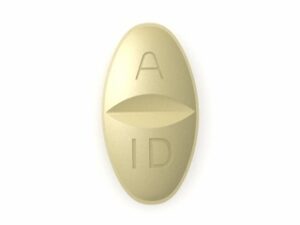

Isosorbide (Isosorbide/Isosorbide dinitrate) – Patient Guide (Australia)
Isosorbide is a medicine used to prevent and relieve symptoms related to reduced blood flow to the heart (angina) and to treat certain other conditions involving blood vessels and the heart. In Australia, you may see isosorbide medicines under different brand names and formulations (for example, tablets or modified-release forms), depending on what your clinician has chosen for you.
This guide explains how Isosorbide works, how it’s used, what to expect, and practical safety information—written to be patient-friendly for online pharmacy shoppers in Australia.
1) Basic product information
| Item | What you should know |
|---|---|
| Generic name | Isosorbide (often used to refer to isosorbide-related medicines such as isosorbide dinitrate) |
| Common use | Prevention of angina attacks; other vessel-related heart conditions as advised |
| How it works | Nitric oxide–related effect that relaxes blood vessels and reduces heart workload |
| Common forms | Immediate-release tablets and/or modified-release preparations (varies by product) |
| Typical onset | Depends on formulation; some act sooner than others |
| Storage | Store as directed on the pack (typically at room temperature away from moisture and heat) |
| Important safety note | Some medicines and medical conditions can make Isosorbide unsafe to use |
Tip: Always check your specific product label for the exact strength and formulation (immediate-release vs modified-release), as dosing and timing may differ.
2) How Isosorbide works (mechanism of action)
Isosorbide belongs to the nitrate family of medicines. After it’s taken, it is converted in the body to substances that increase nitric oxide activity. This helps to:
- Relax (widen) blood vessels, reducing resistance to blood flow
- Reduce the heart’s workload by lowering the amount of blood returning to the heart (often described as reducing preload)
- Improve blood supply to the heart muscle by helping coronary vessels dilate
The overall effect is a reduction in the frequency and severity of angina symptoms, and relief of chest discomfort for some patients.
3) Pharmacokinetics (how the body handles it)
“Pharmacokinetics” describes what happens to a medicine after you take it. For isosorbide medicines, the details can vary depending on the exact formulation (immediate vs modified release) and the specific product.
- Absorption: Isosorbide is absorbed from the gastrointestinal tract after oral dosing.
- Onset: Immediate-release preparations may start working sooner; modified-release forms are designed to provide a steadier effect over a longer period.
- Distribution: The medicine distributes through the body, including to cardiovascular tissues.
- Metabolism: It is metabolised mainly in the liver. Active pathways may contribute to the therapeutic effect.
- Elimination: Metabolites are cleared from the body, primarily via the kidneys.
Practical meaning: Because formulations differ, your timing and dosing schedule matters. Always follow the dosing instructions on your product carton or pharmacy label.
4) What Isosorbide is used for (typical use & indications)
Isosorbide medicines are commonly used for cardiovascular conditions where improving blood flow and reducing the heart’s workload is beneficial.
Typical indications may include:
- Angina pectoris (especially prophylaxis/prevention of angina attacks)
- Heart-related conditions where nitrates are part of the treatment plan (as advised by your clinician)
Important: Some nitrate medicines are used for prevention, while others may be selected for fast relief depending on the situation. Your product label and clinician guidance should clarify which role your Isosorbide formulation is intended to play.
5) Timing and how to take Isosorbide
How you take Isosorbide depends on whether your product is immediate-release or modified-release. Below are general patient-friendly principles.
Immediate-release formulations
- Often used on a schedule to help prevent angina before triggers occur.
- May be taken multiple times per day depending on the prescribed dosing plan.
Modified-release formulations
- Designed to release medicine gradually over time.
- Typically taken less frequently (once or twice daily), aiming for steady coverage.
- Do not crush or chew modified-release tablets unless your specific product instructions say it is safe. This may affect how the medicine releases.
When to take your doses
- Try to take it at the same times each day.
- If angina tends to occur at predictable times (e.g., after meals, during physical activity, or in cold weather), your dosing schedule may be adjusted to cover those periods.
- If you miss a dose, follow the instructions on your label or ask your pharmacist. Do not double up without advice.
Do you need a “nitrate-free break”? Some nitrate regimens include a daily break to help reduce tolerance (see safety section). Your dosing schedule should reflect what’s recommended for your specific medicine and your situation.
6) Food interactions
Many patients can take Isosorbide with or without food. However, stomach contents and individual tolerance can influence comfort and absorption.
- If your dose upsets your stomach, taking it with a light meal or snack may help.
- Avoid very large meals right before physical exertion if this triggers angina for you.
- Stay consistent: Try to take your medicine the same way each time (with or without food) unless your pharmacist advises otherwise.
Important: If your product instructions specify “take with food” or have special directions, follow those instructions.
7) Alcohol and medicine interactions
Isosorbide can lower blood pressure and may cause dizziness. Alcohol can also lower blood pressure and worsen light-headedness.
Guidance for alcohol:
- It’s best to limit or avoid alcohol while starting Isosorbide or if you notice dizziness or faintness.
- If you choose to drink, do so cautiously and be aware you may feel more unwell than usual.
Do not combine with certain medicines (see below). Always tell your pharmacist about:
- All medicines you take (including “as needed” products)
- Herbal products and supplements
- Any history of low blood pressure
- Any recent episodes of fainting or severe dizziness
8) Key medicine interactions (safety focus)
Some interactions are especially important with nitrate medicines.
Medicines for erectile dysfunction (PDE-5 inhibitors)
Combining Isosorbide with PDE-5 inhibitors can cause a dangerous drop in blood pressure.
- Avoid use together unless a clinician has provided specific direction.
- Include medicines such as sildenafil, tadalafil, vardenafil and similar products when discussing interactions with your pharmacist.
Other blood pressure–lowering medicines
- Isosorbide may add to the blood pressure–lowering effect of antihypertensives.
- Symptoms such as dizziness, fainting, or headache may be more likely.
Riociguat
Using isosorbide with riociguat can also increase the risk of significant blood pressure lowering. Check with your pharmacist if you take riociguat.
Blood pressure and dehydration contributors
- Diuretics (“fluid tablets”), vomiting, diarrhoea, and dehydration may worsen dizziness.
- Standing up quickly can increase light-headedness.
Always check: Your pharmacist can quickly identify high-risk interactions for your exact Isosorbide product.
9) Dosing (how much and how often)
Dosing varies based on the exact formulation, your age, cardiovascular status, and how well you tolerate the medicine. Your pharmacy label or clinician instructions should be treated as the primary source of dosing for you.
General patient guidance:
- Do not change your dose without advice.
- Start at the dose your clinician/pharmacist recommends and report side effects.
- Modified-release tablets require correct timing to maintain intended effect.
Common dosing patterns (illustrative)
Because products vary in strength and release type, it’s not appropriate to provide one “universal” dose for all Australians. Your specific product instructions may include different daily schedules.
- Some patients use multiple daily doses with immediate-release forms.
- Some patients use once or twice daily with modified-release forms.
What to do if angina persists: If chest pain continues despite taking Isosorbide as prescribed, seek medical advice promptly. Persistent or worsening chest pain needs careful assessment.
10) Safety profile and side effects
Common side effects
Nitrates can cause predictable effects due to blood vessel widening.
- Headache (often early in treatment)
- Dizziness or light-headedness
- Flushing or warmth
- Nausea
- Low blood pressure, especially when standing
Less common but important
- Fainting (syncope)
- Severe dizziness
- Signs of an allergic reaction (rare)
When to seek urgent help
Get urgent medical attention if you experience:
- Severe or worsening chest pain that doesn’t improve
- Fainting, severe weakness, or inability to stay upright
- Symptoms of an allergic reaction such as facial swelling, breathing difficulties, or widespread rash
Tolerance and “nitrate-free” schedules
Some people may develop reduced effectiveness over time (tolerance). To reduce this risk, some regimens include a period each day without nitrate exposure. Whether that applies to your product depends on your formulation and dosing plan—follow your label and pharmacy advice.
Special populations
- Older adults: May be more sensitive to dizziness and low blood pressure. Use caution with standing and activities.
- People with low blood pressure: Higher risk of light-headedness.
- People with liver/kidney issues: Discuss your specific situation with a healthcare professional.
Pregnancy and breastfeeding: If relevant, discuss with a clinician about suitability and monitoring.
11) Practical use tips (getting the most from Isosorbide)
- Move slowly when changing positions. Sit before standing to reduce dizziness.
- Track symptoms: Note when angina occurs, what you were doing, and whether your dose timing matches your usual triggers.
- Use reminders: Set phone alarms for consistent dosing times.
- Plan for activity: If you know exertion triggers symptoms, consider pacing your activity and using the dosing schedule your clinician recommends.
- Hydration matters: Dehydration can worsen dizziness—especially if you take diuretics.
- Headache coping: Headaches are common early. If headaches are severe or persist, speak with your pharmacist about options.
- Don’t skip days without advice: Consistent dosing helps prevent symptoms.
Storage and handling: Keep your tablets in their original packaging and away from moisture. If you notice discolouration or damage, don’t use—ask your pharmacist.
12) Alternative options
For angina prevention and related cardiovascular conditions, there are several therapy approaches. Your clinician may consider alternatives based on your history, blood pressure, heart rhythm, and tolerance of nitrates.
Possible alternative classes (examples):
- Beta-blockers (reduce heart rate and workload)
- Calcium channel blockers (help relax heart and blood vessel muscle)
- Other anti-anginal medicines (as appropriate for the diagnosis)
- Lifestyle and risk management (e.g., smoking cessation, exercise plan, cholesterol management, blood pressure control)
Note: Alternatives are not automatically equivalent. The correct option depends on your specific angina pattern, comorbidities, and how you respond to treatment.
13) Market & legal context in Australia (what to expect when buying)
In Australia, medicines are regulated under the national framework for therapeutic goods. Availability of Isosorbide products can vary by formulation and strength, and many cardiovascular medicines are supplied under strict pharmacy and prescribing rules depending on risk and classification.
What this means for customers:
- When you order through an online pharmacy, you may be asked to complete a medication safety check (including your personal details and other medicines).
- Your order may require a pharmacist review before it’s supplied.
- We strongly recommend you keep your medicine list up to date for safe advice.
Recent guidance (general trend): Australian pharmacies continue to emphasise safe supply practices, particularly for medicines with interactions that can affect blood pressure and cardiovascular risk. Always use the interaction checking and counselling provided at checkout and by your pharmacist.
14) Delivery and availability in Australia
Online pharmacy delivery options vary by supplier. Generally, you can expect:
- Packaged delivery with protective materials to prevent damage and exposure to moisture.
- Tracking on eligible orders (depending on shipping service).
- Delivery timeframes that depend on your location and dispatch cut-off times.
Availability: Isosorbide products may vary in brand and formulation. If the exact item isn’t available, the pharmacy may offer an alternative product that contains the same medicine and strength—subject to availability and safety checks.
15) FAQ – Frequently asked questions
1) What is Isosorbide used for?
Isosorbide is used primarily to prevent angina (chest pain) and improve blood flow and reduce strain on the heart, depending on the specific product and formulation.
2) How quickly does Isosorbide work?
It depends on whether you’re using immediate-release or modified-release Isosorbide. Immediate-release products may begin acting sooner, while modified-release products are designed for longer, steadier effect. Check your pack instructions and talk to your pharmacist if unsure.
3) Can I take Isosorbide with food?
Many people can take it with or without food. If it upsets your stomach, taking it with a light meal may help. Follow the instructions on your product label.
4) Is it safe to drink alcohol while taking Isosorbide?
Alcohol may increase the risk of dizziness and low blood pressure. It’s safest to limit or avoid alcohol, especially when you’re starting therapy or if you’ve experienced light-headedness.
5) What medicines should I avoid?
Isosorbide can interact with medicines that also affect blood pressure and blood vessel pathways—especially PDE-5 inhibitors used for erectile dysfunction and riociguat. Always tell your pharmacist about all medicines and supplements you use.
6) Why do I get headaches?
Headache is a common early side effect of nitrates due to blood vessel changes. If headaches are severe, persistent, or you feel unwell, contact your pharmacist for advice.
7) What should I do if I miss a dose?
Follow the instructions on your label. In general, do not double up. If you’re unsure, ask your pharmacist.
8) Can I stop Isosorbide suddenly?
Don’t stop without advice. Stopping therapy may increase risk of angina symptoms for some patients. Discuss changes with your pharmacist or clinician.
9) Does Isosorbide become less effective over time?
Some patients can develop tolerance to nitrates. For this reason, dosing regimens sometimes include a daily nitrate-free period depending on the product. Follow your prescribed schedule.
10) Are there any driving or activity precautions?
If you feel dizzy or light-headed, avoid driving and risky activities until you know how you respond to the medicine. Stand up slowly and stay alert to symptoms.
11) When should I seek urgent medical help?
Seek urgent help for severe or worsening chest pain, fainting, severe dizziness, or signs of an allergic reaction.
16) Summary
Isosorbide is a nitrate medicine used to help prevent angina by relaxing blood vessels and reducing the heart’s workload. It’s available in different formulations, which affect timing and how you should take it. Like other nitrate medicines, it can cause headaches and dizziness, and it has important interactions—particularly with medicines for erectile dysfunction and certain blood-pressure–related treatments.
For the safest results, take your dose exactly as directed on your product label, keep your medicine list up to date, and speak to your pharmacist if you have any questions about side effects, timing, or interactions.