
Baclofen (Baclofen Tablets & Other Oral Forms) – Patient Information (Australia)
Baclofen is a medicine widely used to reduce muscle stiffness and spasms. People often seek baclofen when everyday movements become uncomfortable due to conditions that affect the nerves or muscles. This page explains how baclofen works, how it is used, what to expect, and key safety information for adults and, where relevant, children.
Always follow the instructions provided with your product and any directions from your healthcare professional. Individual needs vary, and dosing may be adjusted based on response and side effects.
Quick Overview
- Generic name: Baclofen
- What it helps with: Muscle spasticity (stiffness and involuntary spasms)
- How it works: Acts on the nervous system to reduce abnormal muscle reflex activity
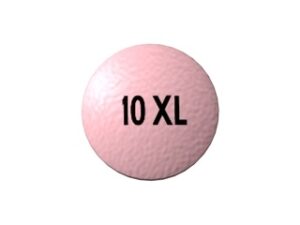
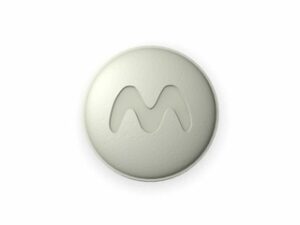
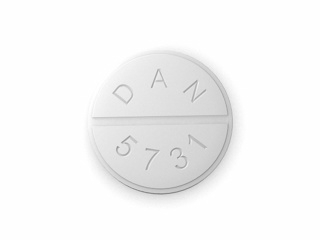
- Common forms: Oral tablets (other oral presentations may be available)
- How it’s taken: Usually in divided doses throughout the day
- Typical timeframe to notice benefit: Can begin within days; best effects often take longer
Basic Product Information
| Category | Details |
|---|---|
| Medicine | Baclofen |
| Therapeutic class | Antispastic / centrally acting muscle relaxant |
| Route | Oral (tablets and other oral forms) |
| Typical dosing pattern | Multiple daily doses; dose increases gradually in many cases |
| Common side effects | Drowsiness, dizziness, weakness, fatigue, nausea |
How Baclofen Works (Mechanism of Action)
Baclofen is a centrally acting medicine that works in the spinal cord and brain pathways involved in muscle tone. It activates GABA-B receptors, which helps to reduce the release of excitatory signals that drive spasticity. In practical terms, baclofen can:
- Lower abnormal muscle reflex activity
- Reduce muscle stiffness
- Decrease involuntary spasms
- Improve comfort and mobility for some people
The goal is not simply “muscle relaxation,” but improved control—helping you move more comfortably, manage spasms, and sometimes improve sleep.
Pharmacokinetics: How the Body Handles Baclofen
Pharmacokinetics describes what the body does to the medicine—absorption, distribution, metabolism, and elimination.
- Absorption: After oral dosing, baclofen is absorbed from the gastrointestinal tract. The onset of effects depends on the dose, individual sensitivity, and whether meals are taken.
- Distribution: Baclofen spreads through body tissues and can cross into the central nervous system where it exerts its effect.
- Metabolism: Baclofen is not extensively metabolised by the liver compared with many other medicines. This is relevant when considering certain drug–drug interactions and liver disease.
- Elimination: Baclofen is mainly eliminated via the kidneys. Because of this, kidney function plays an important role in determining the appropriate dose and monitoring.
Why this matters: People with reduced kidney function may need lower doses and slower titration to avoid excessive sedation or other side effects.
Typical Uses in Australia
Baclofen is used to treat spasticity—a condition where muscles remain partially contracted for prolonged periods, leading to stiffness, tightness, and spasms.
In clinical practice, baclofen may be used for spasticity related to conditions such as:
- Neurological conditions that affect muscle control (for example, spinal cord disorders)
- Multiple sclerosis (spasticity symptoms)
- Other causes of upper motor neuron syndromes where muscle spasm reduction is needed
Your healthcare professional will assess the cause of spasticity and determine whether baclofen is appropriate.
When to Take Baclofen (Timing & Routine)
Baclofen is often taken in divided doses (for example, two to four times a day) to maintain more consistent symptom control. A common approach is:
- Start low and increase gradually (to reduce side effects)
- Split doses across waking hours
- Adjust timing if drowsiness occurs—some people take a larger dose earlier in the day or at night depending on symptom patterns
Practical tips:
- Choose times you can reliably remember (e.g., with meals or routine activities).
- If you miss a dose, take it when you remember unless it’s close to your next dose—do not double up.
- Keep a symptom diary (spasm frequency, pain, sleep quality) during dose changes; this helps clinicians fine-tune treatment.
Food Interactions
Food can influence how quickly medicines are absorbed. For baclofen, general guidance is:
- Most people can take baclofen with or without food.
- If baclofen causes nausea, taking it with food may improve comfort.
- If your product label advises specific instructions, follow those directions.
If you notice that a particular meal pattern reliably changes how you feel (more sleepy or less effective), discuss it with a healthcare professional.
Alcohol Interactions & CNS Depressant Effects
Baclofen can cause sleepiness, dizziness, and slowed reaction times. Alcohol can increase these effects.
- Avoid or minimise alcohol while taking baclofen.
- Combining alcohol with baclofen can increase the risk of falls, accidents, and impaired driving.
- For some individuals, alcohol may also worsen spasticity or sleep quality.
Safety note: Do not drive or operate machinery if baclofen affects your alertness—even if you think the effect is mild.
Interactions with Other Medicines
Drug interactions depend on dose, timing, and individual health. Always inform your healthcare professional and pharmacist about all medicines you take, including over-the-counter products and supplements.
Medicines that may increase sedation
Baclofen may add to the sedative effects of other central nervous system depressants. Examples include:
- Opioid pain medicines
- Benzodiazepines (anti-anxiety/sleep medicines)
- Some sleeping tablets
- Some antihistamines that cause drowsiness
Combining these can increase the risk of excess drowsiness, breathing difficulties in vulnerable individuals, and falls.
Other muscle relaxants / spasm treatments
Using baclofen with additional spasm-relieving medicines may increase side effects such as weakness or dizziness. Your clinician may adjust doses accordingly.
Medicines cleared through the kidneys / kidney impairment
Because baclofen is largely eliminated by the kidneys, kidney impairment can increase baclofen levels. If you take medicines that affect kidney function or are cleared by the kidneys, a clinician may monitor you more closely and adjust doses.
Important medication review
- Keep an up-to-date list of medicines.
- Ask your pharmacist about “drowsy” combinations.
- Seek advice before starting new medicines, including herbal products.
Indications (What Baclofen Is Used For)
Baclofen is indicated for the management of spasticity in certain neurological conditions. Spasticity may be painful and can interfere with function, posture, sleep, and mobility.
The decision to use baclofen depends on:
- The underlying cause of spasticity
- Severity and impact on daily life
- Existing treatments (physiotherapy, other medications)
- Your risk profile (e.g., kidney function, age, fall risk)
Dosing: How Much Baclofen Is Usually Taken
Dosing is individualised. The dose may be increased gradually (“titrated”) to improve tolerability and reduce side effects. The product label and your healthcare professional’s plan should be followed.
In general terms, baclofen treatment often follows a pattern like:
- Start low to test tolerance
- Increase slowly every few days or weekly (depending on response and side effects)
- Use the lowest effective dose that provides adequate symptom control
Key points for safe use:
- If you feel excessive sleepiness, dizziness, or weakness, contact your pharmacist or clinician—your dose may need adjustment.
- People with reduced kidney function may require lower doses and more careful monitoring.
- Do not stop baclofen suddenly unless advised—abrupt withdrawal can be risky.
If a dose is missed
- Take the missed dose when you remember if it is not close to your next scheduled dose.
- If near the next dose, skip the missed one—do not double.
- If you miss multiple doses, seek advice before restarting at the previous dose.
Safety Profile: Side Effects and Warnings
Like all medicines, baclofen can cause side effects. Many are dose-related and improve when doses are adjusted.
Common side effects
- Drowsiness or sleepiness
- Dizziness
- Fatigue or weakness
- Nausea
- Dry mouth (for some people)
- Headache
Less common but important effects
- Confusion, agitation, or mood changes (especially with higher doses or kidney impairment)
- Low blood pressure symptoms (light-headedness on standing)
- Urinary changes (in some cases)
Serious side effects – seek urgent help
Seek urgent medical advice or emergency assistance if you experience signs of severe reaction such as:
- Severe drowsiness, inability to stay awake, or fainting
- Breathing difficulties, especially when combined with alcohol or sedating medicines
- Severe confusion
- Hallucinations or extreme agitation
Do not stop suddenly (important)
Stopping baclofen abruptly can lead to withdrawal symptoms in some people, which may include increased spasticity, agitation, confusion, or other serious symptoms. If baclofen needs to be stopped, it is usually reduced gradually under medical guidance.
Special populations
- Kidney impairment: Higher risk of baclofen accumulation; dose adjustments and monitoring may be needed.
- Older adults: Higher sensitivity to drowsiness and falls; slower titration may be used.
- People with neurological conditions: Monitor closely for changes in alertness, function, or mental state.
- Pregnancy and breastfeeding: Discuss risks and benefits with your healthcare professional.
Practical Use Tips for Everyday Life
Baclofen can be very helpful, but success often depends on safe routines and dose tuning. Here are practical tips:
- Start when you can rest: If you’re beginning treatment or increasing the dose, consider days or times when you don’t need to do high-concentration tasks immediately.
- Watch for falls: Dizziness and weakness can increase fall risk. Use stable footwear and keep walkways clear.
- Maintain activity where possible: Gentle stretching and physiotherapy can complement medication and help maintain function.
- Use a symptom diary: Track spasm severity, pain, sleep, and side effects (sleepiness, dizziness). This helps clinicians find the right dose.
- Plan for driving: If baclofen makes you drowsy, avoid driving. Discuss with your doctor or pharmacist if you’re unsure about fitness to drive.
- Stay hydrated: Some people feel light-headed—hydration and slow position changes can help.
Alternative Options for Spasticity
Baclofen is one option for managing spasticity. Depending on your condition, severity, and response, clinicians may consider other treatments such as:
- Physiotherapy and stretching programs to reduce muscle tightness and improve mobility
- Other spasm medicines (your clinician may choose alternatives based on side effects and effectiveness)
- Targeted treatments such as nerve-targeted options or other interventions for focal spasticity (availability depends on location and clinical assessment)
- Adjunct pain management strategies if spasms are painful
If baclofen isn’t effective enough or causes troublesome side effects, discuss alternatives with your healthcare professional rather than changing the dose yourself.
Australia: Market and Legal/Regulatory Context (General Information)
In Australia, medicines are regulated under the Therapeutic Goods Administration (TGA). Availability and classification depend on the product. Some formulations of baclofen may be supplied only under specified conditions, and supply may require involvement of a healthcare professional depending on the medicine’s scheduling and the pharmacy’s processes.
Online pharmacies typically operate under Australian regulations and pharmacy standards. When ordering, you may be asked to provide relevant information (e.g., patient details, product selection, and confirmation of suitability) to support safe dispensing practices.
Recent guidance note (general): Healthcare organisations commonly emphasise careful monitoring for sedating side effects, safe use with alcohol and other central nervous system depressants, and dose adjustments for kidney function. Always check the latest product information leaflet and consult a pharmacist if you have questions.
Delivery and Availability (What to Expect)
Availability of baclofen can vary depending on stock levels and formulation. Many pharmacies offer options such as:
- Standard delivery (typical business days)
- Express delivery where available
- Packaging and temperature considerations according to product requirements
To avoid delays, ensure your details are correct and be available for delivery when required. If there is any difficulty sourcing a specific strength or presentation, the pharmacy should contact you with options.
If you need baclofen urgently for spasticity management, contact the pharmacy early so they can check stock and dispatch timelines.
Recent Clinical/Practical Considerations (Patient-Friendly Guidance)
- Monitor kidney function: If you have known kidney impairment, dose adjustment and closer monitoring may help prevent excessive sedation or confusion.
- Start low, go slow: Gradual dose increases often improve tolerability.
- Avoid alcohol and sedatives: These combinations can significantly increase drowsiness and risk.
- Watch for mental state changes: New confusion, agitation, or hallucinations should be assessed promptly.
Product information leaflets and professional advice may be updated over time—always refer to the leaflet supplied with your specific baclofen product.
FAQ (Frequently Asked Questions)
1. Is baclofen used only for spasticity?
Baclofen is primarily used for spasticity management. Your healthcare professional will confirm whether it is appropriate for your specific condition and symptoms.
2. How long does it take to work?
Some people notice improvement within days, especially after starting or adjusting the dose. Others may take longer to achieve the best balance between symptom relief and side effects. Gradual dose titration is common.
3. Can I take baclofen with food?
Usually, yes. If baclofen upsets your stomach or causes nausea, taking it with food may help. Follow your product label and pharmacy advice for best results.
4. Will baclofen make me sleepy?
Drowsiness is a common side effect. It can improve as your body adjusts, and it may be reduced by dose changes or timing adjustments. Until you know how you respond, avoid driving and risky activities.
5. Can I drink alcohol while taking baclofen?
It’s strongly advisable to avoid or minimise alcohol. Alcohol can increase baclofen-related drowsiness, dizziness, and risks such as falls and impaired coordination.
6. What should I do if I miss a dose?
Take it when you remember unless it’s close to the next dose. Do not double up. If you miss several doses, speak to your pharmacist or clinician before restarting.
7. Is it safe to stop baclofen suddenly?
Generally, baclofen should not be stopped abruptly without medical advice. Stopping suddenly may lead to withdrawal symptoms or a sudden worsening of spasticity. If stopping is needed, it is often reduced gradually.
8. Who should be extra careful with baclofen?
People with kidney problems, older adults, and anyone taking other sedating medicines should be particularly careful. Ask your pharmacist about safe dosing and monitoring for your situation.
9. Are there alternatives if baclofen doesn’t suit me?
Yes. Spasticity management can include physiotherapy, different medicines, or targeted interventions depending on your symptoms and health status. Discuss options with your healthcare professional.
10. What if I experience severe side effects?
Seek urgent medical advice if you experience severe drowsiness, breathing difficulty, fainting, severe confusion, or other alarming symptoms—especially if you’ve combined baclofen with alcohol or other sedatives.
Where to Get More Help
If you have questions about how to take baclofen, whether it fits with your current medicines, or how to manage side effects, your pharmacist is a valuable source of personalised advice. Keep your medication list handy when you speak with a healthcare professional.
For best safety, always use the specific instructions provided with your baclofen product and any care plan you have been given.