Budecort (Budesonide) — Patient Information (Australia)
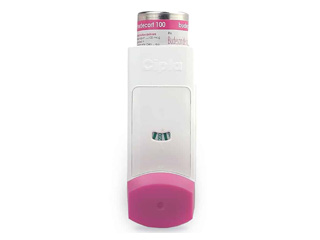
Budecort is a brand of budesonide, a corticosteroid medicine used to reduce inflammation in specific parts of the body. Depending on the product strength and form (most commonly oral inhalation for breathing conditions, or other forms for different inflammatory conditions), it helps relieve symptoms and improve quality of life.
This page explains how Budecort works, how it is typically used, what to expect, and important safety information. If you are unsure which Budecort form you have, check the label on your medicine pack or ask your pharmacist.
At a glance
- Active ingredient: Budesonide
- Medicine class: Corticosteroid (anti-inflammatory)
- Common uses: Inflammatory airway diseases such as asthma and related conditions (exact use depends on the specific product and device)
- Key benefit: Reduces airway inflammation, improving breathing and reducing flare-ups
- Time to effect: Some symptom relief can occur quickly; full benefit may take several days to weeks
Basic product information
Budecort contains budesonide, a corticosteroid designed to act locally in the target tissues (for example, in the airways when used as an inhaled medicine). Compared with some older steroids, inhaled budesonide is often chosen because it delivers medication to the lungs while limiting whole-body steroid exposure.
| Category | Information |
|---|---|
| Brand | Budecort |
| Generic name | Budesonide |
| How it works | Anti-inflammatory corticosteroid |
| Typical form | Often inhaled (device dependent) |
| Common effects | Less airway swelling and mucus; fewer symptoms |
| Where guidance varies | Dose and timing depend on your exact product and condition |
How Budecort works (mechanism of action)
Budesonide is a corticosteroid that reduces inflammation by:
- Decreasing inflammatory chemicals released in tissues.
- Reducing swelling and irritation in the airways (or other inflamed sites depending on the formulation).
- Improving airway responsiveness and helping prevent symptoms from recurring.
It does not usually act like a “reliever” medicine. Instead, it is a controller that helps manage ongoing inflammation and reduces the frequency and severity of flare-ups.
Pharmacokinetics (how the body handles it)
After use, budesonide is absorbed into the bloodstream. For inhaled forms, much of the medicine deposits in the lungs; a portion may be swallowed and absorbed via the gastrointestinal tract. Overall, budesonide undergoes extensive metabolism.
- Metabolism: Mainly broken down in the liver by the enzyme CYP3A4.
- Systemic exposure: Inhaled use is designed to limit whole-body steroid effects compared with oral steroids.
- Elimination: Metabolites are eliminated mostly via the kidneys.
- Practical implication: Medicines that strongly affect CYP3A4 can increase or decrease budesonide levels (see “Medicine interactions” below).
Typical uses
The appropriate use depends on the product’s form and strength. In Australia, budesonide is commonly used in respiratory inflammatory conditions.
Common indications (examples)
- Asthma (to control chronic airway inflammation)
- Croup or other inflammatory upper airway conditions (some formulations and clinical guidance differ)
- Certain steroid-responsive inflammatory conditions (depending on formulation)
Your pharmacist can help confirm what Budecort product you have and the most likely intended use for that specific item.
When to take Budecort (timing and how to build routine)
Budecort is commonly used on a regular schedule (often once or twice daily for inhaled controller therapy). Consistency is important because the medicine works to control inflammation over time.
Typical timing tips
- Use every day as directed for best control, even when you feel well.
- Same time each day can improve adherence.
- If you’re prescribed multiple inhalers, follow your plan for order (your pharmacist can explain typical sequencing).
- Track symptoms (e.g., night waking, wheeze, rescue inhaler use) to see whether your controller is working.
How soon will it work?
- Some people notice symptom improvement in the first few days.
- Full benefit may take several weeks as inflammation reduces.
- If symptoms worsen or you need reliever medicine more often, seek advice promptly.
Food interactions
For most inhaled budesonide products, food interactions are usually minimal because absorption is largely local and systemic levels are relatively low. However, interactions can still occur with other medicines (see below).
- Inhaled therapy: No special dietary timing is typically required.
- Swallowed residue: Some medicine may be swallowed; if so, taking the dose as directed is generally sufficient.
If you have a non-inhaled Budecort formulation, ask your pharmacist whether food timing matters for that specific product.
Alcohol and medicine interactions
Alcohol
Moderate alcohol intake is generally not expected to cause a direct interaction with budesonide. However:
- Respiratory health: Alcohol may worsen symptoms in some people by affecting airway irritation or sleep.
- Infection risk (with higher systemic steroid exposure): If you are taking oral steroids or have frequent high-dose steroid exposure, discuss alcohol use with your clinician.
Medicine interactions (important)
Budesonide is metabolised by CYP3A4. Medicines that inhibit or induce CYP3A4 can change budesonide levels.
Examples of medicines that may affect budesonide
- Strong CYP3A4 inhibitors (can increase budesonide exposure), such as some antifungals and certain antibiotics.
- Strong CYP3A4 inducers (may reduce budesonide exposure), such as some anticonvulsants or rifamycin antibiotics.
- Other steroid medicines (including tablets, injections, or frequent short courses) may increase overall steroid effects.
Tell your pharmacist about all medicines you take, including:
- Prescription medicines
- Over-the-counter products
- Herbal supplements (e.g., St John’s wort may alter drug metabolism)
- Eye drops or nasal sprays containing steroids
Dosing (general guidance)
The correct dose of Budecort depends on the indication, your age, severity, and the specific inhaler/device or formulation you have. Always follow the dosing instructions on your medicine label.
Do not change your dose or stop suddenly without advice, especially if you have been using it regularly or at higher doses.
Common dosing patterns (illustrative)
Budesonide is often used as a controller therapy with dosing patterns that may look like:
- Once or twice daily for maintenance asthma control
- Stepping up or down depending on symptom control and flare-ups
Your healthcare professional will provide the exact number of doses per day and any step adjustment plan. If you share the strength and device name from your pack (e.g., what is printed on the label), your pharmacist can confirm how to interpret the directions.
Practical use tips (especially for inhaled therapy)
Correct technique is crucial for inhaled budesonide. If most of the medicine doesn’t reach the lungs, benefits may be reduced and throat side effects may increase.
Before you start
- Check your device type and follow the specific instructions provided with your Budecort product.
- If you use a spacer, use it exactly as directed—spacers are often recommended to improve delivery and reduce mouth deposition.
Step-by-step technique (general inhaler principles)
- Prime/prepare the device if required by the instructions (some devices need a “readying” step).
- Inhale slowly and deeply at the time you activate the device (where applicable).
- Hold your breath for a few seconds after inhaling to help the medicine settle in the airways.
- Close the mouth and exhale gently away from the device.
Rinse after use
Many people are advised to rinse the mouth and spit out after using an inhaled corticosteroid, especially at higher doses, to reduce risk of mouth/throat side effects such as oral thrush or hoarseness.
Cleaning and storage
- Keep your device clean and dry according to the manufacturer instructions.
- Store at the recommended temperature range on the label.
- Keep out of sight and reach of children.
Safety profile and side effects
Budesonide is generally well tolerated when used as directed. Side effects depend on dose, duration, and delivery route. Inhaled budesonide tends to have fewer systemic effects than oral corticosteroids, but some effects can still occur.
Common side effects (inhaled therapy)
- Hoarseness or voice changes
- Sore throat
- Oral thrush (white patches in the mouth, soreness)
- Cough or mild throat irritation
- Dry mouth
Rinsing your mouth after use and using proper inhalation technique can reduce these side effects.
Less common but important risks
- Systemic corticosteroid effects (more likely with higher doses or frequent use, or if combined with other steroid medicines), such as:
- Reduced growth in children
- Changes in bone density over long periods
- Adrenal suppression (rare but important)
- Weight changes, mood changes
- Infections: corticosteroids can slightly increase susceptibility or worsen some infections.
- Eye effects (with long-term high exposure): cataracts or glaucoma risk may be increased.
- Allergic reactions (uncommon): rash, swelling, breathing difficulty.
When to seek urgent help
Get urgent medical help if you experience:
- Severe allergic reaction (swelling of face/lips, difficulty breathing)
- Significant worsening breathing symptoms despite using your inhalers as directed
- Symptoms of serious infection (high fever, severe weakness) or spreading infection
Special populations
- Children: Dosing and technique are crucial. Regular monitoring may be needed to ensure appropriate growth and control.
- Pregnancy and breastfeeding: Many patients can use inhaled corticosteroids; benefits and risks should be discussed with a clinician or pharmacist based on your situation.
- Older adults: Watch for side effects such as infections, and ensure technique is still effective.
- People with existing infections (e.g., fungal infections): Seek advice before use if you suspect untreated infection in the mouth or lungs.
Practical advice for getting the best results
- Adherence matters: Use consistently, even when symptoms ease.
- Check technique: If control is poor, inhaler technique may be the cause—ask your pharmacist for a demonstration.
- Know your reliever plan: Budesonide is typically a controller; your reliever medicine may be a different inhaler.
- Manage triggers: Allergens, smoke, dust, and respiratory infections can affect symptoms.
- Don’t suddenly stop: If you’ve used budesonide regularly, stopping abruptly can risk worsening symptoms.
Alternative options
Alternatives depend on your condition and severity. For asthma and similar inflammatory diseases, options may include:
Other inhaled corticosteroids (ICS)
- Fluticasone
- Beclometasone
- Mometasone
Combination inhalers
Some people benefit from combination inhalers that include:
- A corticosteroid (such as budesonide) plus a long-acting bronchodilator
- Or other combinations depending on your asthma plan
If you are considering alternatives due to side effects, cost, or convenience, speak with your pharmacist or clinician about the best option for your individual needs.
Australia: market and legal context (high-level)
Budesonide products are widely available in Australia through community pharmacies. Availability, brand names, strengths, and device types can vary. Your local pharmacist can confirm current options and stock.
In Australia, medicines are regulated under the TGA (Therapeutic Goods Administration) framework. Pharmacies must comply with medicines scheduling, supply requirements, and recording/dispensing rules.
Online pharmacies typically supply according to Australian laws and pharmacy standards, including appropriate identity verification and medicine handling requirements.
Recent guidance and clinical considerations (general)
In modern asthma management, inhaled corticosteroids remain central for controlling airway inflammation. Clinical guidance commonly emphasises:
- Using an effective controller and regularly reviewing symptoms and lung function
- Optimising inhaler technique to improve medicine delivery
- Stepping therapy up or down based on control and flare-ups
- Reducing steroid exposure where possible while maintaining adequate control
If you notice increased symptoms, worsening breathlessness, or frequent reliever use, it may be a sign your asthma plan needs review. Seek timely advice.
Delivery and availability (online pharmacy)
Budecort/budesonide products are usually available for online ordering, subject to stock levels and the exact formulation (device type and strength). Delivery timeframes vary by location and courier service.
What to expect
- Product verification: Your order is checked to match the selected medicine and strength.
- Secure packaging: Medicines are packed to protect them in transit.
- Tracking: Many orders include tracking updates.
If a product is temporarily unavailable, you can ask the pharmacy about equivalent options (same active ingredient, different device/strength) that may suit your treatment.
FAQ
1. Is Budecort the same as “a reliever” inhaler?
Usually no. Budecort (budesonide) is typically a controller medicine that reduces inflammation. Reliever inhalers work faster to ease acute symptoms. Your treatment plan may include both.
2. How long does it take to start working?
Some people notice improvement within days, but the full anti-inflammatory effect may take several weeks. Consistent daily use is important.
3. Should I rinse my mouth after using Budecort?
For most inhaled corticosteroid products, yes—rinse with water and spit out to help reduce the risk of mouth thrush and hoarseness.
4. Can I drink alcohol while using Budecort?
Moderate alcohol intake is not expected to have a direct interaction with budesonide for most patients. However, alcohol can affect sleep and respiratory symptoms in some people. If you have concerns, ask your pharmacist.
5. What if I miss a dose?
If you miss a dose, take it when you remember unless it is close to the next scheduled dose. Do not take extra doses to make up for the missed one. Follow your labelled directions or ask your pharmacist for advice.
6. What should I do if my breathing gets worse?
Use your reliever medicine as advised in your asthma plan and seek timely medical advice if symptoms are not improving. If you have severe symptoms or signs of a serious flare-up, seek urgent care.
7. Are there interactions with other medicines?
Yes. Budesonide is metabolised by CYP3A4. Medicines that inhibit or induce this enzyme may change budesonide exposure. Tell your pharmacist about all medicines and supplements you use.
8. What side effects should worry me?
Seek medical advice if you develop signs of oral thrush, persistent hoarseness, frequent infections, or if you experience unexpected symptoms such as severe allergic reactions. Urgent help is needed for severe breathing problems or suspected allergy.
9. Can Budecort be used long-term?
Many patients use inhaled corticosteroids long-term as controller therapy. Your doctor/pharmacist will aim for the lowest effective dose that keeps symptoms controlled, with periodic review.
10. Are there alternatives if I can’t tolerate Budecort?
Alternatives may include other inhaled corticosteroids or combination inhalers, depending on your condition. Discuss options with your pharmacist or clinician, especially if side effects occur.