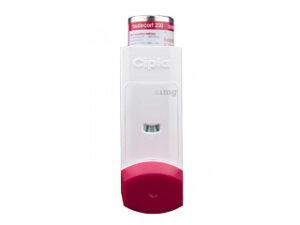
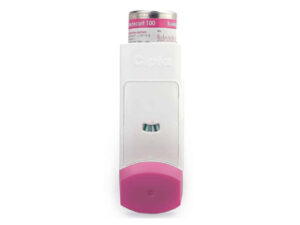
Advair Rotahaler (Fluticasone propionate) — Patient Guide (Australia)
Advair Rotahaler is a medicine used to control symptoms of certain long-term lung conditions. It contains fluticasone propionate, a corticosteroid (anti-inflammatory) medicine. When used regularly, it helps reduce airway inflammation, improve breathing, and lower the risk of flare-ups.
This page explains how the medicine works, how to use it correctly, common safety considerations, and what to expect. It is written for patients in Australia and focuses on practical, everyday guidance.
Quick overview
- Active ingredient: Fluticasone propionate
- Type of medicine: Inhaled corticosteroid (ICS)
- Use: Long-term control of asthma and other steroid-responsive airway conditions (as advised by your clinician)
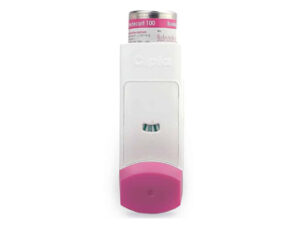
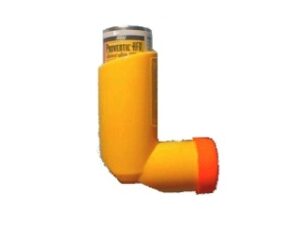
- How it is taken: Inhalation using the Rotahaler device
- Key benefit: Reduces airway inflammation to improve symptoms over time
- Not for immediate relief: Typically not intended for sudden breathlessness during an attack (you may need a separate “reliever” inhaler)
Basic product information
| Feature | What to know |
|---|---|
| Brand | Advair Rotahaler |
| Generic name | Fluticasone propionate |
| Drug class | Inhaled corticosteroid (ICS) |
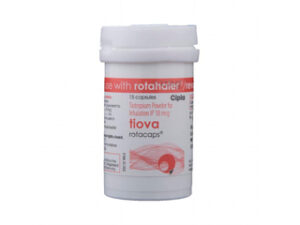
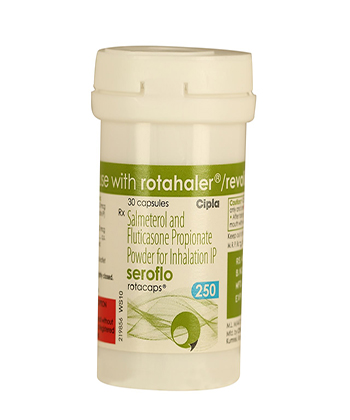
| Form | Inhalation powder (Rotahaler device) |
| Typical role | Prevention and long-term control of symptoms |
| Onset | May improve symptoms within days; full effect often takes longer with regular use |
Important: Your exact strength (for example, microgram dose) and instructions may vary between products and individual plans. Always follow the directions provided with your particular Advair Rotahaler strength and your treatment plan.
How Advair Rotahaler works (mechanism of action)
Fluticasone propionate is an inhaled corticosteroid. After you breathe it into your airways, it reduces inflammation in the bronchial tubes. This helps:
- Reduce swelling and irritation in the airway lining
- Lower mucus production
- Decrease the release of inflammatory chemicals
- Improve airway responsiveness over time
- Make symptoms like wheeze, coughing, and shortness of breath less frequent
Because the medicine acts on inflammation, it works best when used consistently as part of a long-term control strategy.
Pharmacokinetics (how the body handles it)
Understanding how inhaled medicines behave can help set expectations about how they work and why inhalation technique matters.
Absorption
- After inhalation, fluticasone deposits mainly in the lungs.
- Some portion may be swallowed and absorbed from the gastrointestinal tract, but inhaled delivery is intended to target the lungs.
- Only a small amount reaches the bloodstream compared with oral steroids, which helps limit whole-body effects.
Distribution
- Fluticasone is highly protein-bound in the blood.
- It tends to remain localised to airway tissues when used correctly.
Metabolism and elimination
- Fluticasone is metabolised primarily in the liver via enzymes (notably CYP3A4).
- It is cleared from the body mainly through metabolic breakdown and elimination pathways.
Clinical takeaway: Drug interactions that affect CYP3A4 activity can increase or decrease fluticasone levels, which may increase side effects or reduce effect.
Typical use and timing
What it is used for
Advair Rotahaler is used to help control asthma and other inflammatory, steroid-responsive airway conditions as directed by your healthcare professional. It is intended for long-term prevention rather than emergency symptom relief.
When to take it
Your schedule depends on your prescribed plan. Common approaches include:
- Twice daily (morning and evening) for maintenance control
- At the same times each day to help keep inflammation controlled
How long until it starts working?
- Some people notice improvement within days.
- For best results, it is important to use it regularly for the period recommended.
- If symptoms do not improve or worsen, seek advice—your plan may need review.
Indications and what to expect
Indications can vary by individual and product strength, but commonly include:
- Prevention of asthma symptoms (wheeze, cough, chest tightness)
- Reducing the likelihood of exacerbations (flare-ups)
- Improving lung function and day-to-day breathing
Not for sudden attacks: If you experience sudden worsening of breathlessness, you may need a separate reliever inhaler (e.g., a bronchodilator). Advair Rotahaler is not designed to work quickly enough for immediate relief.
How to take Advair Rotahaler (practical use tips)
Correct inhaler technique is essential to ensure the right amount of medicine reaches your lungs.
General steps
- Prepare: Use it exactly as shown in the Rotahaler instructions supplied with your device.
- Load a capsule/disc (if applicable): Use only the intended dose format for your specific Rotahaler product.
- Inhale properly: Breathe in steadily and deeply when the device is ready, so the powder is drawn into the lungs.
- Hold your breath: If you are able, hold for a few seconds after inhaling (as advised) to let the medicine settle.
- Close/clean: Follow device care instructions and keep the mouthpiece clean and dry.
After using
- Rinse and spit with water after inhalation (unless your clinician advises otherwise). This helps reduce the risk of mouth/throat side effects such as oral thrush and hoarseness.
- Avoid eating or drinking immediately after rinsing and spitting (unless instructed otherwise).
Technique checks
- If you notice poor symptom control, check whether you are using the device correctly.
- Consider asking a pharmacist or clinician to observe your technique during a visit.
Dosing (typical guidance)
Dose depends on your condition severity and the strength of your Advair Rotahaler product. Follow your individual written plan.
Typical maintenance dosing patterns
- Adults and adolescents: Commonly given in a twice-daily schedule for long-term control, with the specific inhaled dose adjusted to symptom control.
- Children: Only use in children if specifically recommended for their age group and product strength by your healthcare professional.
Do not change your dose or stop suddenly without medical advice. Sudden stopping may lead to a return of symptoms.
Missed dose
- If you miss a dose, take it as soon as you remember unless it is close to your next dose.
- Do not double up to make up for a missed dose unless advised.
Food interactions
Because Advair Rotahaler is taken by inhalation, food interactions are generally minimal. However, the way you use the inhaler can affect how much medicine is deposited in the mouth.
- Rinse after use: Rinsing and spitting helps reduce local side effects.
- Balanced meals: Maintain good nutrition, especially if you have frequent asthma symptoms, but no specific food restriction is usually needed.
Practical tip: If you often feel throat irritation, rinsing more thoroughly after each dose may help.
Alcohol interactions
There is no direct alcohol interaction commonly expected with inhaled fluticasone. However, alcohol may indirectly affect asthma through:
- Triggering symptoms in some people
- Worsening sleep quality or increasing dehydration
- Interacting with other medications you may take for asthma or allergies
If you choose to drink alcohol, do so in moderation and monitor your breathing. Seek advice if you notice increased wheezing or breathlessness after alcohol.
Medicine interactions (important)
Fluticasone is metabolised by CYP3A4. Medicines that strongly affect this enzyme may change fluticasone levels in the body.
Common interaction categories
- Strong CYP3A4 inhibitors (can increase fluticasone exposure): examples may include some antiviral medicines and certain antifungals.
- Some medicines that influence steroid metabolism: discuss all medicines and supplements with your pharmacist/doctor.
Systemic corticosteroid risk
Although Advair Rotahaler is inhaled, high fluticasone levels due to interactions may increase the risk of systemic corticosteroid effects (for example, effects on skin, eyes, bones, or glucose control), particularly with prolonged use or high doses.
Other asthma medicines
- Reliever inhalers (such as bronchodilators) are usually used separately for quick relief.
- Other controller medicines may be combined depending on your plan.
Always provide a list of your medicines (including over-the-counter products, herbal remedies, and eye/nasal medicines) when asking for advice.
Safety profile and side effects
Most people tolerate Advair Rotahaler well when used correctly. Side effects are usually related to local effects in the mouth and throat or, less commonly, whole-body effects at higher doses.
Common side effects
- Hoarseness (voice changes)
- Sore throat or irritation
- Oral thrush (white patches in the mouth, soreness) — risk reduced by rinsing and spitting
- Cough or mild throat discomfort after inhalation
Less common but important effects
- Systemic corticosteroid effects can occur with higher doses or long-term use, especially if interactions increase fluticasone exposure.
- Possible effects include changes in bone density, cataracts, glaucoma, slowed growth in children, or effects on blood sugar.
Seek urgent medical help if
- You develop severe allergic symptoms (swelling of face/lips, breathing difficulty, rash)
- Your breathing becomes rapidly worse despite your asthma action plan
- You have signs of a serious infection (e.g., high fever, severe weakness) while on corticosteroid therapy
When to contact a clinician promptly
- Thrush that does not improve with appropriate treatment
- Persistent hoarseness or throat pain
- Frequent asthma symptoms that suggest your control plan needs adjustment
Practical tips for safe and effective use
- Use daily even when you feel well: controller medicines prevent inflammation between symptoms.
- Check your inhaler technique: incorrect technique can reduce dose delivery.
- Rinse and spit after each use: helps prevent thrush and hoarseness.
- Keep track of symptoms: if you are needing reliever medication frequently, your asthma may not be controlled.
- Follow your asthma action plan: know what to do if symptoms worsen.
- Tell clinicians about other conditions: especially infections, osteoporosis risk, diabetes, eye problems (cataracts/glaucoma), or growth concerns in children.
- Do not substitute devices: ensure the Rotahaler device and product match your prescribed instructions.
Alternative options
Depending on your asthma severity and control, alternatives may include:
Inhaled corticosteroid (ICS) alternatives
- Other inhaled corticosteroids with different devices (e.g., metered-dose inhalers, breath-actuated devices, or dry powder inhalers)
- Different strengths or dosing frequencies tailored to your needs
Combination controller therapies
- Some people benefit from a combination of an inhaled corticosteroid plus a bronchodilator (commonly a long-acting beta-agonist) as part of an established asthma plan.
Reliever medicines
- Relievers help during sudden symptoms; they are not the same as controller therapy.
Ask your pharmacist or clinician which option fits your condition, preferences, and technique. Switching devices may require re-training on how to use them correctly.
Australia market and legal context (overview)
In Australia, medicines are regulated under the Therapeutic Goods Administration (TGA) and distributed through pharmacy channels.
- Inhaled corticosteroids are commonly used for asthma management and are supplied via licensed pharmacy services.
- Some medicines may require a prescriber’s approval depending on product status and local requirements at the time of supply.
- Online pharmacy supply typically follows Australian regulatory requirements and standard safety checks.
Important: If you are ordering online, ensure you select the correct product strength and device type as advised in your asthma management plan.
Recent guidance and asthma control considerations (Australia)
Asthma care guidance in Australia typically emphasises:
- Regular controller therapy for persistent symptoms or risk of exacerbations
- Inhaler technique assessment at review visits
- Using an individual action plan for worsening symptoms
- Reviewing medicine interactions and adherence
- Considering step-up or step-down based on symptom control and exacerbation history
While exact recommendations can change over time and differ by patient, the general principle remains: controller inhalers reduce inflammation and improve long-term control, while relievers manage sudden symptoms.
Delivery and availability (online pharmacy)
Availability can vary by brand, strength, and supply chain conditions. When ordering online:
- Choose the correct strength and device type indicated for your treatment.
- Check estimated delivery timeframes provided at checkout.
- Ensure you review storage instructions (typically keep in a safe, dry place as directed).
If a particular pack size or strength is temporarily unavailable, many pharmacies can offer alternative options (such as a different ICS strength or a different controller product) subject to clinical suitability and supply.
FAQ — Frequently asked questions
1) Is Advair Rotahaler the same as a “reliever” inhaler?
No. Advair Rotahaler is a controller medicine that reduces airway inflammation over time. It is generally not for immediate relief of sudden breathlessness. Your action plan should include a separate reliever inhaler if needed.
2) How soon will I feel better?
Some people notice improvements within days, but full control may take longer. For the best effect, use it regularly as directed.
3) What should I do if I get thrush?
Rinse and spit after each dose to reduce risk. If you develop symptoms of oral thrush (white patches, soreness), contact your pharmacist or clinician. Treatment may include antifungal therapy and a review of inhaler technique and dose.
4) Can I stop Advair Rotahaler when I feel well?
Do not stop suddenly unless your healthcare professional advises it. Asthma can worsen when controller therapy is reduced or stopped.
5) Does Advair Rotahaler affect immunity?
Because it is an inhaled corticosteroid, effects on immunity are usually less than with oral steroids, especially at recommended doses. However, higher doses and drug interactions can increase the risk of systemic effects. Seek medical advice if you develop recurrent infections.
6) Are there any alcohol restrictions?
There is typically no specific alcohol restriction with inhaled fluticasone. Still, alcohol can trigger symptoms in some people and may interact with other medicines you take. Monitor your breathing and follow your clinician’s advice.
7) What medicines should I avoid?
Do not start or stop medicines without advice. Inform your pharmacist about all medicines and supplements—particularly those that may strongly affect CYP3A4 metabolism. This can change fluticasone exposure and side effect risk.
8) Can children use Advair Rotahaler?
It may be used in children if specifically recommended for their age group and appropriate strength. Use should be supervised and inhaler technique should be checked regularly.
9) What if my asthma worsens while I’m using it?
If symptoms worsen, follow your asthma action plan. You may need adjustment to your treatment and assessment of inhaler technique, adherence, and triggers.
10) How do I know I’m using the device correctly?
If you are unsure, ask a pharmacist to observe your technique. Correct inhalation helps ensure the powder reaches your lungs and reduces waste in the mouth.
Summary
Advair Rotahaler (fluticasone propionate) is an inhaled corticosteroid designed to control inflammation in the airways, improving breathing and reducing the frequency of asthma symptoms and flare-ups. For best results, use it regularly, follow correct Rotahaler technique, and rinse and spit after each dose. If you have questions about dosing, interactions, or persistent symptoms, speak with your pharmacist or healthcare professional.