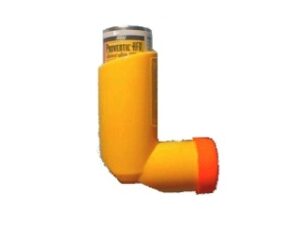

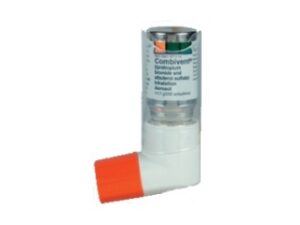
Combimist L Inhaler (Levosalbutamol + Ipratropium) — Patient Information (Australia)
Combimist L Inhaler is a bronchodilator medicine used to help relieve breathing problems in conditions such as chronic obstructive pulmonary disease (COPD) and reversible airflow limitation where both symptom relief and smoother airflow are needed. It combines two medicines that work in complementary ways to relax airway muscles and reduce bronchoconstriction.
This page provides general information about how Combimist L Inhaler works, typical uses, practical tips for using it correctly, safety information, and answers to common questions. Always follow the directions on your product label and the advice of your healthcare professional.
Basic product information
| Feature | Information |
|---|---|
| Medicine | Combimist L Inhaler |
| Common components | Levosalbutamol (a short-acting beta2-agonist) + Ipratropium (an anticholinergic) |
| Dosage form | Inhaler (commonly a pressurised metered-dose style) |
| How it helps | Relaxes airway muscles and improves airflow |
| Typical onset | Often within minutes after inhalation |
| Main use | COPD and other obstructive airway conditions (as directed) |
Note: The exact strength and number of micrograms per actuation can vary by brand presentation. Check the package label for the precise details that apply to your product.
How Combimist L Inhaler works (mechanism of action)
Combimist L Inhaler contains two bronchodilators:
- Levosalbutamol is a short-acting beta2-agonist. It stimulates beta2 receptors in the airways, leading to relaxation of smooth muscle and bronchodilation.
- Ipratropium is an anticholinergic. It blocks muscarinic receptors (particularly M3 receptors) that drive bronchoconstriction and mucus secretion, helping to widen the airways and reduce symptoms.
Together, these actions can provide faster and more sustained symptom relief than either component alone for many people, especially in obstructive lung disease.
What it is used for (indications)
Combimist L Inhaler is commonly used to relieve symptoms caused by airflow obstruction, such as:
- COPD (chronic obstructive pulmonary disease) — to improve breathing and reduce breathlessness
- Acute symptom flare-ups or “wheeze episodes” as part of an individualised action plan (as advised)
- Reversible bronchospasm in selected patients with obstructive airway disease (as advised)
It is designed to help you breathe more easily; it is not a cure for underlying lung disease. Long-term control often involves other medicines (for example inhaled corticosteroids, depending on your diagnosis).
Pharmacokinetics (how the body handles it)
Because Combimist L Inhaler is inhaled, much of its effect occurs in the lungs. The medicines are absorbed into the body to varying degrees. Exact pharmacokinetic values may vary by device technique and individual factors.
Levosalbutamol (beta2-agonist)
- Absorption: Predominantly through the lungs after inhalation; some may also deposit in the mouth and be swallowed.
- Distribution: Reaches systemic circulation to varying extents.
- Metabolism: Primarily metabolised in the body (details depend on hepatic pathways).
- Elimination: Cleared largely via renal (kidney) routes and through metabolite excretion.
Ipratropium (anticholinergic)
- Absorption: Mainly acts locally in the airways; systemic absorption is usually relatively limited with inhaled doses.
- Metabolism: Metabolised by enzymatic pathways after absorption.
- Elimination: Primarily excreted through kidneys as metabolites.
Practical takeaway: Inhalation helps deliver medicines where they are needed, but some systemic effects can still occur, particularly with more frequent dosing or incorrect inhaler technique.
Timing and when to use it
Use Combimist L Inhaler exactly as directed by your healthcare professional and according to the instructions on the product packaging. In many treatment plans, inhalers like this are used at regular times to maintain symptom control.
- For day-to-day symptom control: dosing is often scheduled (for example, at set intervals each day).
- For sudden symptoms: some action plans include extra doses when wheeze or breathlessness occurs, but this should be clarified in your plan.
- Consistency matters: correct timing and correct technique improve benefit and reduce side effects.
If symptoms worsen quickly despite using your inhaler as directed, seek medical advice urgently. Severe breathing difficulty, blue lips, inability to speak full sentences, or reduced alertness are emergency signs.
Food interactions
Generally, food does not meaningfully interact with inhaled bronchodilators because the medicines act mainly in the lungs. However, to support comfort and correct inhaler use:
- Try to take your dose when you are able to breathe steadily.
- If you experience nausea or throat irritation, consider timing doses slightly away from heavy meals (ask your healthcare professional for tailored advice).
- Do not change your dosing schedule due to meals unless instructed.
Alcohol interactions
There is no universal “do not drink alcohol” rule for Combimist L Inhaler, but alcohol may affect your breathing and may worsen symptoms in some people. Additionally, alcohol can sometimes increase dizziness or affect coordination, which may be relevant if you experience side effects like tremor or palpitations.
- Moderation is recommended if you choose to drink.
- Avoid alcohol if it reliably worsens your breathlessness.
- If you notice increased heart racing, shakiness, or dizziness after alcohol, discuss this with a healthcare professional.
Medicine interactions
Combimist L Inhaler may interact with other medicines. Tell your healthcare professional and pharmacist about all medicines you take, including over-the-counter products and herbal supplements.
Potential interactions to be aware of
- Other inhaled beta-agonists (and some “reliever” inhalers): Using multiple beta-agonists together may increase side effects such as tremor, palpitations, and low potassium.
- Beta-blocker medicines (including some eye drops for glaucoma): Beta-blockers may reduce the effect of beta-agonists. Non-selective beta-blockers are of particular concern. Always check with your clinician.
- Diuretics (“water tablets”) and medicines that can lower potassium: Beta-agonists can sometimes lower blood potassium; combined risk with certain medicines may increase this effect.
- Anticholinergic medicines (other antimuscarinics): Taking additional anticholinergic medicines may increase side effects such as dry mouth, constipation, or urinary retention.
- Tricyclic antidepressants, monoamine oxidase inhibitors (MAOIs) or other stimulatory medicines: These can, in some cases, amplify cardiovascular effects of beta-agonists.
- Systemic steroids or other COPD medicines: Generally used together under medical management; ensure your action plan is clear for flare-ups.
Do not stop medicines suddenly
If you are already taking maintenance inhalers, do not stop them without advice. Combimist L Inhaler is usually part of a broader COPD or asthma management plan.
Dosing (how much and how often)
Dosing depends on your diagnosis, severity of symptoms, and how your body responds. The information below is general and may not match your individual plan. Follow the instructions provided with your inhaler and your clinician’s advice.
- Adults: dosing is commonly given as a number of inhalations per day at set intervals.
- Children: suitability depends on age and the specific product strength. Check with a healthcare professional for paediatric guidance.
Important: If you miss a dose, take it when you remember unless it is close to the time of your next dose. Do not take extra doses to “catch up” unless your action plan instructs you to.
If you need the inhaler much more often than usual, or it is not relieving symptoms as expected, this may indicate worsening disease and you should seek medical review.
Safety profile and side effects
Like all medicines, Combimist L Inhaler can cause side effects. Many are mild and improve as your body adjusts. However, some effects require urgent attention.
Common or usually mild side effects
- Tremor (shaking), especially shortly after dosing
- Headache
- Dry mouth (more common with ipratropium)
- Throat irritation or mild coughing after inhalation
- Palpitations or a feeling of faster heartbeat (more common with beta-agonists)
- Muscle cramps or mild dizziness
Less common but important side effects
- Reduced blood potassium (hypokalaemia) — more likely with frequent high doses
- Urinary retention or difficulty passing urine (particularly in people with prostate issues or bladder obstruction)
- Constipation or worsening bowel discomfort
- Increased eye pressure if sprayed into the eyes (see eye safety below)
Seek urgent medical help if
- Severe allergic reaction symptoms such as swelling of the face/lips, hives, or difficulty breathing
- Chest pain, fainting, or severe or persistent palpitations
- Sudden worsening breathlessness that does not improve with your reliever plan
- Eye symptoms: eye pain, blurred vision, halos around lights, or redness after inhaler use
Eye safety tip
When using inhaled medicines containing anticholinergics, it’s important to avoid getting spray into your eyes. If this happens, rinse with water and seek advice if eye symptoms occur.
Practical use tips (to get the best effect)
Correct inhaler technique is one of the biggest factors in whether you get the intended benefit. If you are unsure how to use your Combimist L Inhaler, ask your pharmacist or clinician to observe your technique.
General steps
- Check the device: ensure it is not damaged and that the mouthpiece is clean.
- Shake if required: some inhalers require shaking before use—follow the product instructions.
- Breathe out gently: away from the mouthpiece.
- Seal your lips: form a tight seal around the mouthpiece.
- Start inhaling slowly and press to release the dose (if your device is metered and press-activated), continuing to breathe in slowly and deeply.
- Hold your breath for a few seconds (or as comfortably possible) before breathing out.
- Wait between puffs as directed (commonly about 30–60 seconds, depending on your plan).
If you also use other inhalers
- If your action plan includes multiple inhalers, keep a clear schedule—often bronchodilators are used before other devices.
- Do not mix steps between devices. Each inhaler type has its own technique.
Track your symptoms
Keeping a short diary can help you and your healthcare professional identify triggers and patterns: wheeze, breathlessness, time of day, and your response to doses.
When to reassess your treatment
Contact a healthcare professional promptly if:
- You need your inhaler much more often than usual
- Your symptoms are not responding or are getting worse
- You wake at night due to breathlessness
- You have frequent flare-ups (exacerbations)
In COPD and other chronic lung conditions, worsening control may mean your maintenance therapy needs adjustment. Combimist L Inhaler should not be your only long-term strategy.
Alternative options (other ways to manage symptoms)
Depending on your diagnosis and severity, alternatives may include:
- Single bronchodilators (either a beta-agonist or an anticholinergic alone)
- Other combination inhalers for COPD (different beta-agonist/anticholinergic combinations)
- Inhaled corticosteroids for people who need anti-inflammatory control (often in specific COPD or asthma situations)
- Long-acting bronchodilators for maintenance (where appropriate)
- Non-medicine strategies such as pulmonary rehabilitation, smoking cessation support, vaccination, and trigger avoidance
Which alternative is appropriate depends on your symptom pattern, lung function, and history of exacerbations. A pharmacist or clinician can help match treatment to your individual needs.
Market and legal context for Australia (what to expect)
In Australia, inhaler medicines are regulated under the Therapeutic Goods Administration (TGA). Availability, labelling, and distribution requirements are set according to the product’s scheduling and classification.
For online purchasing, products generally must be supplied according to Australian regulatory requirements. Some inhalers may have dispensing restrictions, while others may be pharmacy medicines or available under specific conditions. If you’re unsure whether a particular product is eligible for supply online, check the listing details or consult our team.
Important: COPD and asthma management should follow evidence-based guidelines. Your healthcare professional can ensure you receive the right treatment plan and correct device technique.
Recent guidance and best-practice points (Australia-focused)
COPD and asthma care in Australia continues to emphasise:
- Correct inhaler technique at every review (technique declines over time)
- Individualised action plans for exacerbations and symptom flares
- Optimising maintenance therapy rather than relying only on reliever medicines
- Vaccination and infection prevention as key strategies to reduce exacerbation risk (for example influenza and pneumococcal vaccination, where appropriate)
If you are currently using Combimist L Inhaler frequently, it may be time for a medication review to confirm that your overall regimen remains optimal.
Delivery and availability
Combimist L Inhaler availability can vary depending on stock levels and the exact product presentation. When you place an order online, availability is confirmed through our inventory checks.
- Delivery: Standard delivery times depend on your location within Australia.
- Packaging: Medicines are typically supplied in protective packaging to prevent damage during transit.
- Cold chain: This type of inhaler medicine generally does not require cold storage, but follow the storage instructions on the label.
If you need it urgently, contact our customer support to ask about dispatch times. Always ensure you order ahead of time if you use inhalers regularly.
Storage and disposal
- Store at room temperature away from excessive heat and direct sunlight.
- Keep out of reach of children.
- Check expiry date before use.
- Do not puncture or burn the inhaler (if it contains a pressurised canister). Return to pharmacy disposal where appropriate for your local guidance.
FAQ about Combimist L Inhaler
1. How fast does Combimist L Inhaler work?
Many people notice symptom improvement within minutes after inhalation. The exact onset depends on technique, severity of airway narrowing, and whether you have a current flare-up.
2. Can I use Combimist L Inhaler “as needed”?
It may be used according to your action plan. Some people use it at regular intervals, while others may use it for symptom relief. Follow the schedule given to you by your clinician or pharmacist.
3. What if I forget a dose?
If you remember soon after, take it when you can. If it is close to the next dose, skip the missed dose and continue your normal schedule. Do not double up unless directed.
4. Will Combimist L Inhaler cure COPD?
No. It helps relieve symptoms by widening the airways, but it does not cure COPD or reverse long-term lung damage. Ongoing management often includes other treatments and lifestyle measures.
5. What are the signs that my breathing is worsening?
Red flags include increasing breathlessness, needing your inhaler much more frequently than usual, reduced ability to perform usual activities, waking at night due to symptoms, or not improving after using your plan. Seek prompt medical advice; call emergency services if severe.
6. Can I drive or operate machinery after using it?
Most people can drive after inhaler use. However, if you experience dizziness, tremor, or palpitations, avoid driving until you feel well. If you have recurring side effects, discuss with your healthcare professional.
7. Is it safe to use during pregnancy or breastfeeding?
Many inhaled medicines are used during pregnancy or breastfeeding when benefits outweigh risks. Discuss your situation with a healthcare professional who can assess your diagnosis and medicine needs.
8. What should I do if I get spray into my eyes?
Rinse your eyes with water. If you experience eye pain, blurred vision, or halos around lights, seek medical advice urgently.
9. Can I combine it with other inhalers?
Often yes, but it depends on which inhalers you use and your prescribed schedule. If you use multiple inhalers, ask your pharmacist to confirm the correct sequence and timing.
10. When should I see my pharmacist for technique checks?
At least when you start a new inhaler, if your symptoms change, after any extended period without use, or if you suspect you’re not getting the correct dose (for example, you frequently get coughing right after inhaling).
Disclaimer: This information is intended to support understanding and safe use. It does not replace advice from a healthcare professional. If you have any questions about whether Combimist L Inhaler is right for you, or about side effects and interactions, speak with a pharmacist or clinician.