Salbutamol (Albuterol) – Patient Information (Australia)
Salbutamol (also known by the international non‑proprietary name albuterol) is a fast‑acting medicine used to relieve breathing problems such as asthma symptoms and certain types of wheezing. It works by relaxing the muscles in the airways, helping you breathe more easily.
This page explains how salbutamol works, how it’s used, what to expect, and important safety information. It is written for patients and carers in Australia.
Quick facts
- Medicine name: Salbutamol (Albuterol)
- Common forms: inhaler (metered dose), spacer device, nebuliser solution, and (in some products) oral forms
- How it helps: opens the airways quickly (a bronchodilator)
- Onset (typical): within minutes when inhaled
- Duration (typical): about 4–6 hours (may vary)
- Main use: relief of asthma symptoms and prevention of exercise‑induced bronchospasm (in suitable patients)
Basic product information
What is salbutamol?
Salbutamol is a medicine that belongs to the beta2-adrenoceptor agonist (also called a short‑acting beta agonist or SABA). SABAs relax the airway smooth muscle.
Common delivery forms
Depending on the product, salbutamol may be supplied as:
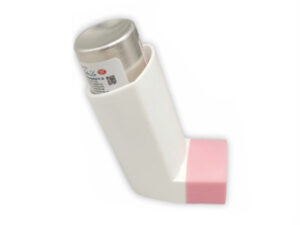
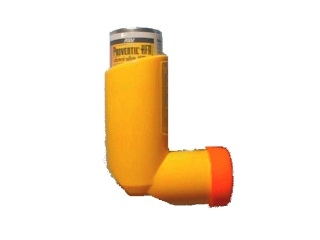
- Metered dose inhaler (MDI): a pressurised inhaler that delivers measured doses
- Inhaler with spacer: spacer improves how much medicine reaches the lungs
- Nebuliser solution: for people who find inhalers difficult (e.g., some children or severe symptoms)
- Oral/syrup/tablets: less commonly used for asthma relief in many settings, but may be available in some circumstances
Different products can contain different strengths. Always use the specific product instructions provided with your medicine and device.
How salbutamol works (mechanism of action)
In the airways, smooth muscle tightens and narrows the passage when you have asthma or other reactive airway conditions. Salbutamol stimulates beta2 receptors on airway muscle cells.
- Relaxation of airway smooth muscle: improves airflow
- Reduced bronchoconstriction: helps relieve symptoms like wheeze, chest tightness, and shortness of breath
- Anti‑congestive effect in the airways: can help clear breathing discomfort during an asthma flare
Salbutamol is mainly a symptom‑reliever. It does not treat the underlying airway inflammation in asthma—this is usually managed with controller medicines (for example, inhaled corticosteroids) as advised by your clinician.
Pharmacokinetics (how your body handles it)
The details below can vary between individuals and with the method of delivery (inhaled vs oral). In general:
- Absorption: when inhaled, salbutamol reaches the airways quickly. Some medicine may also be swallowed and absorbed from the gut.
- Onset: inhaled salbutamol usually starts working within a few minutes.
- Distribution: it circulates throughout the body after absorption.
- Metabolism: mainly metabolised in the liver.
- Elimination: excreted primarily via the kidneys, usually within 24 hours.
- Time course: the “breathing relief” effect typically lasts several hours, depending on dose and person.
If symptoms return quickly after salbutamol or your reliever is needed more frequently, it may indicate that asthma is not well controlled and requires review.
Typical use and timing
When is salbutamol used?
Salbutamol is used to:
- Relieve sudden symptoms of asthma (wheeze, breathlessness, chest tightness, coughing related to asthma)
- Provide quick relief during flare‑ups
- Help prevent exercise‑induced bronchoconstriction in suitable people (as advised)
- Relieve bronchospasm in some other airway conditions where recommended
How quickly does it work?
Inhaled salbutamol typically improves symptoms within minutes. If your symptoms do not improve as expected, follow your asthma action plan (if you have one) and seek medical advice.
How often can it be used?
The right frequency depends on your asthma control and your individual plan. However, increased reliance on reliever medicine can be a sign of worsening asthma.
- If you need salbutamol more often than usual or it’s not lasting as long, contact your healthcare professional.
- If severe symptoms occur, use your action plan and seek urgent help.
Indications (what conditions it treats)
Salbutamol is indicated for the relief of reversible airway obstruction, including:
- Asthma (including acute asthma symptoms and prevention of exercise‑induced symptoms in appropriate patients)
- Bronchospasm associated with chronic obstructive pulmonary disease (COPD) and other conditions, where a SABA is recommended
The exact approved indications and product specifications can vary by product and formulation. Always check the consumer medicine information (CMI) for your specific item.
Dosing (general guidance for common situations)
Dosing depends on age, symptoms, device type, and whether it is for relief of current symptoms or prevention before exercise. The most important guidance is to follow your individual action plan and the instructions in the product CMI.
Common patterns:
- For acute asthma symptoms (inhaled): salbutamol is typically taken as a series of inhalations, often repeated if needed after a short interval.
- For exercise‑related symptoms (prevention): salbutamol is usually taken shortly before exercise, provided it’s recommended for you.
- Nebuliser dosing: generally depends on solution strength and patient age; it must follow the specific nebules instructions.
Because exact dosing schedules vary by product and strength, the table below provides example ranges used in practice. Please use it for orientation only—confirm the exact dose for your device and strength.
| Form | Typical use | Example timing | Notes |
|---|---|---|---|
| MDI inhaler (with spacer recommended) | Relief of acute symptoms | Start working within minutes; repeat if needed as per action plan | Spacers improve delivery to the lungs and reduce side effects |
| MDI inhaler (without spacer) | Relief of acute symptoms | Follow inhaler technique carefully | Technique problems are common; a spacer is often advised |
| Nebuliser solution | Relief when inhaler technique is difficult or during more severe episodes | Given over a short session; repeat based on clinical advice | Use prescribed ampoules/solutions and correct dosing equipment |
| Oral salbutamol (if prescribed/available) | Selected cases (less commonly used for quick asthma relief) | Slower onset than inhaled forms | May be considered when inhaled therapy is not suitable |
Practical use tips (getting the best benefit)
Using a metered dose inhaler (MDI) correctly
Proper inhaler technique helps deliver medicine into the lungs instead of the mouth or throat.
- Shake the inhaler (unless the device instructions say otherwise).
- Exhale fully away from the mouthpiece.
- Seal your lips around the mouthpiece.
- Press once to release a puff while starting a slow deep breath in.
- Hold your breath for about 10 seconds if comfortable.
- Wait between puffs as advised for your action plan/product instructions.
Using a spacer (recommended for many people)
A spacer can reduce medicine deposited in the mouth and improve lung delivery, especially for children, older adults, and anyone who struggles with coordination.
- Attach the inhaler to the spacer.
- Press the inhaler once.
- Breathe in slowly from the spacer (follow device guidance).
- If there is a mask, ensure a proper seal.
Nebuliser use tips
- Use only the correct salbutamol nebuliser solution/strength supplied with your prescription or recommended by your clinician.
- Keep the nebuliser clean and dry between uses.
- Follow the device instructions for fit, airflow, and how long to run the treatment.
If you’re unsure about your technique, ask a pharmacist or healthcare professional to observe your inhaler use.
Food interactions
For most people, there are no specific food interactions that directly reduce the effect of salbutamol when used as an inhaler. The medicine works locally in the airways and is delivered primarily via inhalation.
If you are taking any oral formulation, discuss with your clinician or pharmacist about whether taking it with food is appropriate for you. In general:
- Oral medicines: food may affect stomach comfort; follow the medicine label/CMI for instructions.
- Always stay hydrated and maintain your asthma control plan.
Alcohol interactions
Moderate alcohol does not usually have a direct interaction with inhaled salbutamol. However, alcohol can:
- Worsen asthma symptoms in some people
- Increase dizziness or tremor (which may already occur with beta agonists)
- Interfere with medication routine and symptom awareness
If you notice your breathing worsens after alcohol, avoid or limit it and discuss with your healthcare professional.
Medicine interactions (important)
Salbutamol can interact with other medicines. Some interactions may increase side effects like fast heart rate or tremor.
Medicines that may require extra caution
- Non‑selective beta blockers (including some eye drops): may reduce the bronchodilator effect and can worsen asthma.
- Other stimulants or bronchodilators: may increase cardiovascular side effects.
- Diuretics (“water tablets”) and certain other medicines that affect potassium levels: beta agonists can sometimes lower potassium.
- Some antidepressants (e.g., tricyclics) or other drugs affecting heart rhythm: can increase the risk of heart‑related side effects.
- Medicines that prolong QT interval: if you’re on other medications that affect heart rhythm, discuss risk with your pharmacist.
What to do
- Tell your pharmacist about all medicines you use, including inhalers, tablets, herbal products, and eye drops.
- If you have heart disease, palpitations, or a history of rhythm problems, seek individual guidance.
Safety profile: common side effects and what to expect
Like all medicines, salbutamol can cause side effects. Many side effects are mild and temporary, especially when inhaled correctly and taken at the recommended dose.
Common side effects
- Tremor (shaking), especially in the hands
- Headache
- Feeling “jittery” or nervous
- Fast heart rate (palpitations)
- Muscle cramps (sometimes)
- Throat irritation or mild cough after inhalation
Less common but important effects
- Low potassium (hypokalaemia), especially with high or frequent doses
- Chest pain or significant palpitations
- Worsening breathing or paradoxical bronchospasm (rare)
Seek urgent medical help if
- You have severe difficulty breathing or cannot speak full sentences
- Your lips/face look bluish or you feel faint
- Your reliever is not helping or you need it repeatedly with little effect
- You experience severe chest pain, very fast/irregular heartbeat, or collapse
If you have an asthma action plan, follow it immediately. If you don’t have one, ask your healthcare professional to help you create one.
Who should be extra cautious?
Discuss with your pharmacist or clinician before using salbutamol if you have:
- Heart conditions (e.g., arrhythmias) or a history of rhythm problems
- Hyperthyroidism
- Diabetes (beta agonists may affect blood glucose in some people)
- Low potassium or kidney issues
- Pregnancy or breastfeeding (risk/benefit must be considered for the individual)
Overuse and asthma control: why it matters
Salbutamol is a reliever. If you find you need it very often, this can be a sign your asthma is not well controlled and the underlying inflammation may not be adequately treated.
- Use your asthma action plan for guidance on how often to take reliever medicine.
- Contact a healthcare professional if you need more frequent doses than usual.
- Ask whether you need a controller medicine plan (commonly inhaled corticosteroids) to reduce flare‑ups.
Alternative options to salbutamol
Alternatives depend on your condition and how well your asthma or breathing is controlled. Options may include:
- Other SABAs (e.g., terbutaline in some settings)
- Controller medicines for asthma, such as inhaled corticosteroids (and sometimes long‑acting bronchodilators depending on severity)
- Different inhaler devices (e.g., breath‑actuated inhalers) if technique is challenging
- Leukotriene receptor antagonists or other add‑on therapies for specific patients (only if suitable)
- Non‑pharmacological measures (trigger avoidance, influenza vaccination as advised, breathing technique, asthma education)
Your pharmacist can help you compare options available in Australia and select devices that suit your age, dexterity, and inhaler technique.
Market and legal context in Australia
In Australia, medicines are regulated by the Therapeutic Goods Administration (TGA). Inhaled bronchodilators and related medicines may be supplied under different scheduling rules depending on the specific product, formulation, and strength.
- Some asthma medicines are available with pharmacy access or under conditions set by Australian medicine scheduling.
- Australia requires appropriate labelling and consumer medicine information (CMI) with medicines supplied to consumers.
- Always use the specific product label and instructions supplied for your item.
Guidance for asthma care is updated over time, and many Australians rely on a structured asthma action plan developed with a healthcare professional.
Recent guidance: what to watch for
While specific recommendations can change, ongoing asthma guidance in Australia generally emphasises:
- Correct inhaler technique (including spacer use where appropriate)
- Appropriate use of reliever medication and awareness of loss of control signals
- Regular review of asthma control and medication choices
- Early escalation when reliever use increases or symptoms worsen
If you have worsening symptoms, it is important not to rely solely on repeated reliever doses. A clinician can review your control and adjust controller therapy if needed.
Delivery and availability (online pharmacy)
Availability may vary depending on stock, product type, and strength. When ordering online in Australia, you can typically expect:
- Standard and express delivery options depending on your location
- Tracking information for dispatched orders (where offered)
- Packaging that protects inhalers/nebuliser items from damage
- Compatible device guidance where spacers or nebuliser equipment are commonly paired with medication
Storage instructions vary by product. Follow the label for temperature limits and whether the medicine should be protected from heat or direct sunlight.
Storage
- Inhalers: store as directed on the label (often at room temperature; avoid excessive heat).
- Nebuliser solutions: keep containers sealed and use within the time stated on the product packaging.
- Check expiry dates before use.
FAQ (Frequently asked questions)
1) Is salbutamol the same as albuterol?
Yes. Salbutamol is the name commonly used in Australia; albuterol is the international name. They refer to the same medicine.
2) How long does salbutamol last?
When inhaled, symptom relief typically lasts around 4–6 hours, though it can vary between people and episodes. If it wears off quickly or you need frequent doses, your asthma control may need review.
3) What if my symptoms don’t improve after using it?
If your breathing does not improve, worsens, or you need repeated reliever doses with little effect, follow your asthma action plan and seek urgent medical advice.
4) Can I use salbutamol every day?
Many people use reliever medication only when symptoms occur. Needing it daily can indicate poor control and should prompt a review of your overall treatment plan.
5) Can children use salbutamol?
Children can use salbutamol, but dosing and device technique are critical. Ask your pharmacist to explain the correct inhaler/spacer or nebuliser setup for your child’s age and product strength.
6) Will salbutamol cause a fast heartbeat?
Palpitations and a fast heartbeat can occur, especially at higher doses or when used frequently. If you have severe symptoms such as chest pain, fainting, or an irregular heartbeat, seek urgent care.
7) Do I need to rinse my mouth after using salbutamol?
Salbutamol itself usually does not require mouth rinsing like some steroid inhalers do. However, if you notice a persistent taste or throat irritation, rinsing or drinking water may be helpful. If you also use a corticosteroid inhaler, follow that product’s instructions (often rinsing is recommended).
8) Can I drink alcohol while using salbutamol?
Moderate alcohol usually isn’t a direct interaction. However, alcohol may worsen breathing in some people and can increase side effects like tremor or dizziness. Use caution and monitor how you feel.
9) Does food affect salbutamol?
Food generally doesn’t affect inhaled salbutamol significantly. If you use an oral formulation, follow the product instructions and ask your pharmacist if you’re unsure.
10) What should I tell my pharmacist before using salbutamol?
Tell them about:
- All other medicines (including other inhalers, tablets, eye drops, and herbal products)
- Any heart conditions, diabetes, thyroid disease, or kidney problems
- Your age and any history of side effects
- Whether you’re pregnant, planning pregnancy, or breastfeeding
Important reminder
Salbutamol helps relieve symptoms and makes breathing easier. If symptoms are increasing, reliever doses are needed more frequently, or you’re waking at night with asthma symptoms, it’s important to get your asthma reviewed. For severe symptoms or emergency breathing problems, seek urgent medical help immediately.