
Tiova Inhaler (Tiotropium Bromide) — Patient Information (Australia)
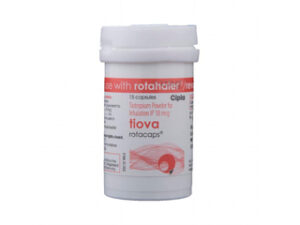
Tiova Inhaler contains tiotropium bromide, a medicine used to help people breathe more comfortably by relaxing certain airway muscles. This guide is designed to help you understand how it works, when and how to use it properly, key safety points, and what to expect.
Quick Overview
- Medicine name: Tiova Inhaler (tiotropium bromide)
- Type: Maintenance inhaler (long-acting anticholinergic bronchodilator)
- How it helps: Opens the airways and reduces breathlessness in chronic lung conditions
- Typical schedule: Often once daily (exact instructions depend on your product/doctor’s directions)
- Common conditions treated: Chronic Obstructive Pulmonary Disease (COPD) and sometimes asthma in specific situations
Basic Product Information
Tiova Inhaler is an inhaled medicine. When delivered correctly to the lungs, it helps control airway narrowing. Inhaled therapies are usually preferred for lung conditions because they target the airways directly.
| Category | Details |
|---|---|
| Active ingredient | Tiotropium bromide |
| Drug class | Long-acting anticholinergic (muscarinic antagonist) |
| Route | Inhalation |
| Therapeutic role | Maintenance (long-term symptom control) |
| Typical use frequency | Often once daily (follow your specific directions) |
How Tiova Inhaler Works (Mechanism of Action)
Tiotropium is an anticholinergic medicine. It blocks muscarinic receptors in the airways. These receptors normally respond to a natural chemical called acetylcholine, which can:
- Cause airway muscle tightening
- Increase mucus secretions
- Contribute to airway narrowing and airflow limitation
By blocking these receptors, tiotropium helps relax the airway muscles and reduce airflow obstruction. This can improve symptoms such as shortness of breath and breathlessness on exertion.
Tiotropium is designed to act for a long time, allowing once-daily dosing for many patients.
Pharmacokinetics (What the Body Does to the Medicine)
Pharmacokinetics describes how a drug behaves in the body—how it is absorbed, distributed, metabolised, and eliminated. For inhaled tiotropium, the key practical points include:
- Absorption: Most of the inhaled dose is delivered to the lungs. Some may deposit in the mouth/throat and then be swallowed.
- Local action: Tiotropium works mainly where it is delivered—within the airways.
- Onset: You may notice symptom improvement after using it, though full benefit for maintenance therapy can build over time.
- Duration: The medicine is formulated for long-lasting bronchodilation, supporting once-daily use.
- Metabolism and elimination: Tiotropium is primarily excreted unchanged through the kidneys.
Kidney function matters: Because tiotropium is cleared largely via the kidneys, people with reduced kidney function may need extra care and monitoring. If you have kidney disease, discuss the safest use with your healthcare professional.
Typical Use and When It Helps
Tiova Inhaler is used for long-term control of airway symptoms. It is intended to help you breathe more easily day to day.
What it’s commonly used for:
- COPD (Chronic Obstructive Pulmonary Disease): Maintenance treatment to improve airflow and reduce symptoms.
- Asthma (selected cases): In some treatment plans, a long-acting anticholinergic may be added when symptoms are not adequately controlled with other inhalers. Your clinician will determine whether it is appropriate for you.
Important: Tiova Inhaler is generally not the “quick relief” medicine for sudden breathlessness. Your plan may include a separate rescue inhaler for sudden symptoms.
Timing: How Often to Use It
For many people, tiotropium inhalers are used once daily. However, the exact schedule can vary depending on the product and your individual plan.
- Use it at the same time each day to help you remember.
- If you miss a dose: Take it when you remember, unless it is close to the next dose. If it is close, skip the missed dose and take the next one at the usual time.
- Do not double up to make up for a missed dose unless advised.
If you have frequent symptoms despite regular use, contact your healthcare professional to review your inhaler technique and overall plan.
Food Interactions
Tiotropium is inhaled and primarily acts locally in the lungs. As a result, food interactions are not usually a major concern.
Practical note: If some of the dose is swallowed (which can happen after inhalation), it is still generally handled normally by the body. There is typically no requirement to take tiotropium with or without food.
If you experience stomach discomfort or notice any consistent unusual effects after dosing, discuss with your pharmacist or doctor.
Alcohol and Medicine Interactions
Alcohol
There is no well-known direct interaction between tiotropium and alcohol that would require specific avoidance for most people. However, alcohol may worsen breathing symptoms in some individuals (for example, by affecting coordination, sleep, or overall respiratory status).
If you choose to drink alcohol, consider:
- Keeping amounts moderate
- Avoiding alcohol when your breathing is already poorly controlled
- Seeking medical advice if you have severe COPD, sleep apnoea, or frequent exacerbations
Interactions with other medicines
Tiotropium can interact with other medicines that also affect anticholinergic pathways (or that have similar effects on breathing). Always inform your healthcare professional about all medicines you take, including:
- Other anticholinergic inhalers (or tablets)
- Medicines for overactive bladder (antimuscarinics)
- Some antidepressants or allergy medicines with anticholinergic effects
- Other inhalers used for COPD/asthma (e.g., beta-agonists, inhaled corticosteroids)
Inhaler combinations can be appropriate, but the overall regimen should be coordinated to reduce risk of side effects such as dry mouth or urinary difficulty.
Indications: When Tiova Inhaler Is Used
Tiova Inhaler is indicated for airway obstruction conditions where maintenance bronchodilation helps. In Australia, treatment approaches follow clinical guidelines and are individualised based on severity and symptom patterns.
- COPD: Maintenance treatment to relieve symptoms and improve quality of life.
- Asthma (selected patients): As an add-on option when recommended by a clinician as part of a stepwise asthma plan.
Your prescriber will decide if tiotropium is suitable for you, based on your diagnosis, current symptoms, and other medicines.
Dosing: Usual Regimens and Important Considerations
Dosing can vary by product strength and device type. Always follow the directions on your product packaging or what your healthcare professional has advised. The information below describes common patterns.
- Adults (commonly): Often once daily for maintenance therapy in COPD.
- Asthma (where used): May be used once daily as part of combination therapy in selected circumstances.
If your product instructions differ: follow your specific Tiova Inhaler instructions.
Special populations
- Kidney impairment: Because tiotropium is largely cleared by the kidneys, clinicians may adjust approach or monitor more closely.
- Older adults: Generally use is possible, but review kidney function and overall tolerability.
- Children and adolescents: Use depends on indication, product approval, and clinician advice.
Safety Profile and Possible Side Effects
Like all medicines, tiotropium can cause side effects. Many people tolerate tiotropium well, especially when inhalation technique is correct. The side effects listed below are commonly reported or clinically important.
Common side effects
- Dry mouth
- Sore throat or throat irritation
- Constipation
- Cough or mild voice changes
Less common but important
- Eye problems (e.g., blurred vision, eye pain, halos around lights) — urgent assessment may be needed if these occur.
- Urinary retention or difficulty passing urine — especially relevant for people with prostate or bladder issues.
- Allergic reactions (rash, itching, swelling, breathing difficulty) — seek urgent help if severe.
When to seek urgent medical help
Get urgent medical assistance if you experience:
- Severe allergic symptoms (swelling of face/lips, hives, severe shortness of breath)
- Sudden worsening breathing that does not improve with your rescue inhaler plan
- Eye pain/vision changes
- Severe difficulty urinating
Practical Tips for Correct Use
Proper inhaler technique is crucial for delivering the medicine to your lungs. Even a good medicine may not work well if it is not inhaled correctly.
General technique principles
- Read the device instructions specific to your Tiova Inhaler.
- Priming/handling: Some inhalers require specific preparation steps before first use or after storage—follow the instructions provided.
- Inhale properly: Breathe in deeply and steadily when actuating the dose, as recommended for your device.
- Hold your breath briefly (for as long as comfortable) after inhalation to help deposition in the lungs.
- Rinse and spit if you also use other inhaled corticosteroids (this reduces oral thrush risk). Tiotropium itself usually does not require rinsing, but many COPD/asthma plans use combination inhalers.
Avoid common mistakes
- Spraying the medicine into the mouth without a deep inhalation (can lead to more throat deposition)
- Not waiting long enough between actuations if your plan requires more than one puff
- Using the inhaler while breathing out rather than starting the inhale at the right moment
- Not replacing or cleaning the device according to its instructions
Track your response
- Note whether you feel less breathless and whether activities become easier
- If symptoms persist, review technique, adherence, triggers (smoke, dust, infections), and whether your overall regimen needs adjustment
Alternative Options
If tiotropium is not suitable, not effective, or causes side effects, clinicians may consider other maintenance bronchodilators or combinations. Alternatives can include:
- Other long-acting anticholinergics (same general class)
- Long-acting beta2-agonists (LABAs) (different class)
- Combination inhalers (e.g., LABA + LAMA for COPD)
- Inhaled corticosteroids (often in asthma or specific COPD patients depending on exacerbation history)
- For rescue symptoms: fast-acting reliever inhalers (short-acting bronchodilators)
The best option depends on your diagnosis, symptom pattern, exacerbation risk, and medication tolerance.
Market and Legal Context for Australia
In Australia, medicines are regulated under the Australian regulatory framework. Inhaled medicines such as tiotropium are supplied in accordance with product approvals and approved indications. Online pharmacies typically require appropriate patient information and may only supply medicines according to Australian rules and the product’s classification.
Always use the product exactly as described in the Consumer Medicine Information (CMI) and the instructions that come with your medication. If you are unsure about your regimen, speak with your pharmacist.
Treatment decisions for COPD and asthma in Australia commonly align with clinical guidelines used by Australian health professionals, including principles of:
- Stepwise adjustment of inhaled therapy based on symptoms and exacerbations
- Ensuring correct inhaler technique and adherence
- Reducing exposure to triggers such as smoking and air pollutants
Recent Guidance and Ongoing Clinical Considerations
While individual prescribing guidance can change over time, general, widely accepted themes in COPD and asthma management include:
- Correct inhaler technique and regular review of how you use your device
- Personalised treatment plans based on symptoms and flare-ups
- Assessing inhaler choice (e.g., LAMA/LABA combinations in COPD) when control is inadequate
- Vaccination and infection prevention to help reduce respiratory complications
- Monitoring side effects and kidney function where relevant
If you have recently had a change in symptoms, an exacerbation, or a hospital visit, ask your clinician whether your inhaler plan needs updating.
Delivery, Availability, and Ordering Notes (Australia)
Tiova Inhaler availability may vary based on supply and pharmacy stock. Many Australian online pharmacies offer delivery options across metro and regional areas.
- Delivery times: depend on your location and the pharmacy’s dispatch schedule.
- Packaging: medication is typically supplied in manufacturer-approved packaging.
- Storage: store your inhaler as directed on the label (commonly at controlled room temperature, away from excessive heat and moisture).
- Expiry: check the expiry date before use.
If you’re ordering for the first time, ensure you have any required product details (e.g., device strength/form) and delivery address information.
FAQ — Frequently Asked Questions
1) What is Tiova Inhaler used for?
Tiova Inhaler (tiotropium bromide) is used as a maintenance inhaler to help open the airways and improve symptoms in conditions such as COPD. It may also be used in selected asthma treatment plans as determined by your clinician.
2) How quickly will it work?
Some people notice improvement after the first dose, but maintenance benefits often become clearer with regular daily use. If your symptoms worsen or you see no benefit, review your technique and discuss your treatment plan.
3) Is it a reliever inhaler for sudden breathlessness?
Tiova Inhaler is generally not intended for immediate “rescue” relief of sudden symptoms. Your plan may include a separate fast-acting reliever inhaler. Follow your personalised action plan.
4) Do I need to avoid certain foods?
Food interactions are usually not a major issue with tiotropium because it is inhaled and works mainly in the lungs. Take it at your usual time as directed.
5) Can I drink alcohol while using Tiova Inhaler?
There is typically no specific direct interaction with alcohol. However, alcohol may affect breathing or worsen symptoms in some people. If you have severe breathing problems or sleep-related breathing issues, it’s wise to discuss alcohol use with a clinician.
6) What side effects should I watch for?
Common side effects include dry mouth, throat irritation, and constipation. Seek urgent care if you develop allergic reaction symptoms, severe urinary difficulty, or eye pain/vision changes.
7) What should I do if I miss a dose?
Use the missed dose when you remember unless it is close to your next dose. Do not double up. If you’re unsure, ask your pharmacist for advice.
8) How can I make sure I’m inhaling correctly?
Review the device instructions carefully. If possible, have your pharmacist or nurse watch your technique. Correct timing between actuation and inhalation helps deliver the medicine to the lungs.
9) Can I use Tiova Inhaler with other inhalers?
Many people use multiple inhalers for COPD/asthma, such as bronchodilators and inhaled anti-inflammatory medicines. Interactions are mainly about overall anticholinergic effect and proper spacing of inhalations—confirm your regimen with your healthcare professional or pharmacist.
10) Who should use extra caution with tiotropium?
People with kidney impairment, a history of urinary retention, glaucoma (particularly narrow-angle glaucoma), or previous sensitivity to anticholinergic medicines should use extra caution and seek advice about suitability and monitoring.
Final Reminder
Tiova Inhaler is a long-acting maintenance medicine designed to help keep your airways open and reduce breathlessness day to day. For best results: use it consistently, ensure correct inhaler technique, and seek medical advice if symptoms change or side effects occur.