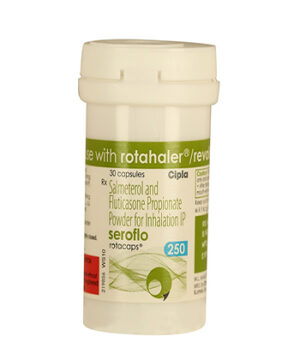
Fluticasone + Salmeterol (Fluticasone + Salmeterol) – Patient Information (Australia)
Fluticasone + Salmeterol is a combination inhaler medicine used to help control long-term lung conditions such as asthma and chronic obstructive pulmonary disease (COPD). It contains two active ingredients: fluticasone (an inhaled corticosteroid) and salmeterol (a long-acting bronchodilator).
This information is written for patients and carers. It explains how the medicine works, how to use it properly, what to expect, common safety considerations, and answers to frequently asked questions.
Basic product information
| Feature | What it means |
|---|---|
| Common name | Fluticasone + Salmeterol |
| Medicines in the combo | Fluticasone (inhaled corticosteroid) + Salmeterol (long-acting beta-2 agonist) |
| Medicine type | Inhaled controller medicine for chronic airway inflammation and long-term symptom control |
| How it is used | Usually regular, twice-daily inhalations (device-dependent) |
| Main benefits | Reduces airway inflammation, helps prevent symptoms/exacerbations, improves airflow |
The exact strength (for example, microgram dosing per inhalation) and device type may vary between products. Always follow the instructions supplied with your specific inhaler and any personalised action plan provided by your healthcare team.
Indications (what it is used for)
Fluticasone + Salmeterol is commonly used to:
- Asthma: improve control in people who need both an inhaled steroid and a long-acting bronchodilator.
- COPD: help reduce symptoms and exacerbations in suitable patients with moderate to severe COPD (depending on local clinical guidance and your treatment plan).
It is intended for long-term control of symptoms. It is not designed to rapidly relieve sudden attacks in the way a short-acting “reliever” inhaler does.
Mechanism of action (how it works)
This combination targets two important parts of airway disease:
-
Fluticasone (inhaled corticosteroid):
- Reduces airway inflammation over time.
- Decreases mucus production and swelling, and helps lower the tendency for airways to overreact.
- Helps reduce the frequency of asthma attacks and COPD exacerbations.
-
Salmeterol (long-acting beta2-agonist, LABA):
- Relaxes smooth muscle in the airways, opening the airways.
- Provides bronchodilation that lasts around 12 hours with correct dosing.
- Improves airflow and helps prevent symptoms such as wheeze and breathlessness during daily activities.
Together, fluticasone and salmeterol provide both anti-inflammatory control and long-lasting symptom relief.
Timing and how soon it works
- Onset: Salmeterol can start improving breathing within minutes; however, the full benefit comes from regular use.
- Inflammation control: Fluticasone’s benefits build over days to weeks.
- Consistency matters: Using it every day as directed helps maintain control and reduce flare-ups.
If you miss doses, symptoms may gradually worsen. Do not increase your dose beyond what your plan allows without medical advice.
Typical dosing (general guidance)
Important: The correct dose depends on your diagnosis, symptom severity, inhaler strength, and device. Always use the dose stated on your product label or action plan.
- Common schedule: typically twice daily (every ~12 hours) for many inhaler strengths.
- Asthma: dose may be adjusted based on control (sometimes stepped down once stable).
- COPD: dose is chosen based on symptom level and exacerbation history.
If you are unsure about how many inhalations to take or how to use your device, check the consumer medicine information that comes with your inhaler and/or ask your pharmacist.
Pharmacokinetics (absorption, distribution, metabolism, elimination)
Because fluticasone and salmeterol are inhaled, their effects primarily occur in the lungs. Some drug may still be absorbed into the bloodstream.
- Absorption: Inhaled fluticasone deposits in the airways; a portion is swallowed and absorbed through the gastrointestinal tract. Salmeterol is absorbed to a lesser degree from the lungs and may also be swallowed.
- Distribution: Both medicines can bind to plasma proteins and distribute through the body to varying degrees after absorption.
- Metabolism: Fluticasone and salmeterol are mainly metabolised in the liver, involving CYP450 enzymes (especially CYP3A4).
- Elimination: Metabolites are removed primarily via the gastrointestinal tract and bile, with some renal (kidney) contribution for certain components.
- Half-life (conceptual): Salmeterol’s effects are long-lasting locally in the airways, supporting twice-daily use for many products; systemically, both drugs are cleared after metabolism.
This pharmacology is why certain medicines that inhibit CYP3A4 can increase fluticasone and salmeterol exposure (see “Interactions”).
Food interactions
Food is not generally expected to have a clinically significant effect on inhaled fluticasone + salmeterol because dosing is via the lung and typical swallowed absorption is small.
- If you do need to swallow small amounts of medication after inhalation, food is unlikely to cause major interaction.
- For some people, reflux or stomach upset can worsen breathing symptoms—if food triggers your symptoms, managing reflux may indirectly help.
As a practical step: follow your inhaler technique and rinse your mouth after use (especially important for inhaled steroids).
Alcohol and medicine interactions
Alcohol: There is no universal “must avoid” rule for alcohol with fluticasone + salmeterol. However, alcohol can worsen breathing for some people and may impair coordination or adherence (especially if you drink heavily).
- If alcohol triggers your asthma/COPD symptoms, consider reducing intake and track symptom changes.
- If you have liver disease, discuss alcohol use with your healthcare team (because metabolism involves the liver).
Medicine interactions (important):
-
CYP3A4 inhibitors (may increase steroid exposure and side effects):
- Examples can include some antifungals and certain antibiotics.
- Some HIV medicines can also interact (depending on the specific agent).
-
Other beta-agonists (short-acting or other LABAs):
- May increase heart-related effects such as palpitations or tremor if overused or combined.
-
Non-selective beta-blockers (e.g., some older blood pressure/heart medicines):
- May reduce bronchodilation and worsen breathing in airway disease.
-
Diuretics and certain other medicines that lower potassium:
- LABAs can sometimes be associated with changes in potassium in certain situations; your clinician may monitor if risk factors exist.
-
Some antidepressants and other medicines affecting heart rhythm:
- Discuss with your clinician if you have a history of arrhythmias or are on interacting drugs.
Tell your pharmacist or doctor about all medicines you use, including over-the-counter products, herbal supplements, and eye/nasal drops.
Safety profile: side effects and when to seek help
Like all medicines, fluticasone + salmeterol can cause side effects. Many people have few or mild effects, especially when inhalation technique is correct. The most important safety steps are correct use, mouth rinsing after inhalation, and awareness of warning signs.
Common side effects
- Throat irritation or mild hoarseness
- Cough or throat clearing after inhalation
- Tremor, mild shakiness
- Headache
- Oral thrush (candidiasis)—risk decreases with mouth rinsing
- Muscle cramps (less common)
Less common but important effects
- Palpitations (feeling of a racing or pounding heart)
- Fast heartbeat
- Low potassium (usually related to broader risk factors; your clinician may monitor if needed)
- Adrenal suppression (rare; risk increases with high steroid exposure, frequent use, or if combined with other steroid medicines)
- Increased blood sugar (especially in people with diabetes or pre-diabetes)
Seek urgent medical help if
- Breathing worsens suddenly or you need your reliever more frequently than usual and symptoms are not settling.
- You have signs of severe allergic reaction (e.g., swelling of face/lips, hives, difficulty breathing).
- Chest pain, fainting, severe dizziness, or marked irregular heartbeat occurs.
Mouth and throat care (to reduce steroid-related effects)
- Rinse your mouth with water after each dose.
- Spit out the water—do not swallow.
- If you develop persistent hoarseness or white patches in the mouth, speak to your pharmacist/doctor.
Practical use tips (making the medicine work well)
Correct inhaler technique is one of the most important factors affecting benefit. If you use a spacer or breath-actuated device, follow the specific instructions for your product.
- Check your inhaler type: Pressurised metered-dose inhalers (pMDIs) and dry powder inhalers (DPIs) require different techniques.
- Consistency: Use at the same times each day (e.g., morning and evening) to help you remember.
- Do not shake unless your specific device requires it (some pMDIs do; many DPIs do not).
- Exhale before inhalation (if using a DPI or pMDI according to instructions; do not blow into the device).
- Inhale steadily and deeply for DPIs; coordinate actuation and inhalation for pMDIs if required.
- Hold your breath for the recommended time if your action plan/device instructions suggest it.
- Rinse mouth after: prevents thrush and voice changes.
If you are unsure about your technique, ask your pharmacist to watch you use it—small adjustments can improve delivery to the lungs.
Safety in special situations
- Pregnancy and breastfeeding: Many people with asthma need controller therapy during pregnancy to keep airways stable. Discuss risks and benefits with your healthcare team.
- Children: Inhalation technique and dosing must be tailored. A spacer may be recommended for younger patients (depends on device).
- Older adults: May be more susceptible to side effects such as tremor or palpitations—monitor symptoms and use the lowest effective dose when appropriate.
- Eye conditions: Inhaled steroids can rarely contribute to eye problems (e.g., cataracts/glaucoma) with long-term high exposure; report eye symptoms.
- Infection risk: Viral or bacterial respiratory infections can worsen asthma/COPD. Continue controller therapy as advised and seek medical assessment if severe.
Alternative options
Treatment depends on your diagnosis, severity, and response. Alternatives may include:
- Inhaled corticosteroid (ICS) alone for some asthma patients with milder disease or specific circumstances.
- ICS + another LABA (for example, formoterol-containing combinations) where clinically appropriate.
- Triple therapy (ICS/LABA/LAMA) for some COPD patients who remain symptomatic on dual therapy.
- Non-pharmacological measures such as smoking cessation, vaccinations (influenza, pneumococcal as recommended), and pulmonary rehabilitation for COPD.
If you’re considering switching, ask your pharmacist or doctor. Different devices and strengths are not always interchangeable.
Market and legal context in Australia
In Australia, inhaled medicines such as fluticasone + salmeterol are regulated medicines. Availability and brand/formulation vary by product and device type. Community pharmacies dispense inhalers in line with Australian healthcare requirements and product labelling.
- Medicines are supplied with consumer medicine information that outlines correct use and key safety points.
- Treatment should align with current clinical standards for asthma and COPD management.
- Patients are encouraged to use an action plan for asthma and follow a COPD management plan where available.
Recent guidance (high-level overview)
Australian asthma and COPD management is guided by national and international evidence-based recommendations that emphasise:
- Regular use of controller medicines to maintain control and prevent exacerbations.
- Correct inhaler technique and periodic review of technique and adherence.
- Stepping therapy up or down depending on symptom control and risk.
- For asthma, careful use of LABA-containing medicines in combination with an inhaled corticosteroid to maintain anti-inflammatory protection.
If you have had recent flare-ups, require frequent reliever use, or your symptoms are not controlled, speak to your healthcare professional for an updated plan.
Delivery and availability
Fluticasone + salmeterol inhalers are commonly stocked by Australian pharmacies. Availability can vary by:
- Inhaler strength (microgram dosing per actuation)
- Device type (e.g., pMDI vs DPI)
- Brand and package size
Many online pharmacies offer home delivery within Australia and may provide tracking once dispatched. Delivery times depend on your location, stock availability, and courier schedules. If your usual brand/device is temporarily unavailable, the pharmacy may contact you about suitable alternatives with the same intended dosing.
Practical “day-to-day” routine
- Set reminders for your morning and evening doses.
- Keep a spare reliever if your action plan recommends it (note: fluticasone + salmeterol is not the reliever).
- Monitor control: notice changes in wheeze, night-time symptoms, and exercise tolerance.
- Replace inhalers: follow the device’s expiry and monitor dose counters (if your device has one).
- Review technique: especially after a prescription change, device replacement, or if control worsens.
FAQ
1) Is fluticasone + salmeterol a reliever inhaler?
No. It is a controller inhaler used regularly to manage chronic symptoms and reduce exacerbations. A separate reliever inhaler (usually short-acting) is used for sudden symptoms, according to your asthma/COPD action plan.
2) How long does it take to work?
You may notice some breathing improvement relatively quickly from the long-acting bronchodilator. However, the anti-inflammatory effect of fluticasone typically builds over days to weeks. For best results, use it consistently.
3) Should I rinse my mouth after using it?
Yes. Rinsing and spitting helps reduce the risk of oral thrush and hoarseness associated with inhaled corticosteroids.
4) What should I do if I miss a dose?
Take it when you remember unless it is close to the time for your next dose. Do not double up. If you’re unsure, ask your pharmacist for advice based on your dosing schedule.
5) Can I stop taking it once I feel better?
Do not stop suddenly without medical advice. Symptoms can return as airway inflammation rebuilds. Your clinician may adjust the dose if your condition is well controlled.
6) Will alcohol affect my inhaler?
Moderate alcohol is not generally known to directly interact with fluticasone + salmeterol. However, alcohol can worsen symptoms in some people. If alcohol affects your breathing, consider reducing intake and discuss with your healthcare team.
7) What medicines should I tell you about to avoid interactions?
Tell your pharmacist about any medicines including: antifungals, certain antibiotics, HIV medicines, beta-blockers, diuretics, and any medicines that affect heart rhythm or liver enzymes. Bring a list of your current medicines if possible.
8) What if I get thrush or persistent hoarseness?
Rinse your mouth carefully and contact your pharmacist or doctor. You may need assessment and treatment for thrush, and your inhaler technique should be reviewed.
9) Is it safe for children?
Many children use inhaled controller therapies. The correct strength, technique, and whether a spacer is recommended depend on age and device type. Always follow the personalised plan provided for your child.
10) When should I seek urgent help?
Seek urgent help if breathing worsens rapidly, you experience severe allergic symptoms, chest pain, fainting, or you are not responding to your reliever as expected per your action plan.
Note: Always read the product label and consumer medicine information provided with your inhaler. If you have questions about your specific device, dosing schedule, or how to manage flare-ups, ask your pharmacist or healthcare professional.