
Tacrolimus (Aust.) – Patient-Friendly Guide
Tacrolimus is a medicine used to prevent and treat organ rejection and, in some cases, to control certain immune-related skin conditions. In Australia, tacrolimus is available in different formulations (for example, capsules for transplant medicine and ointment for certain skin conditions). Because tacrolimus can interact with many other medicines and foods and has a narrow safety margin, careful dosing and monitoring are important.
This guide explains what tacrolimus is, how it works, how it behaves in the body, common uses, how to take it safely, possible side effects, and practical information for everyday life in Australia.
Basic product information
| Category | Details |
|---|---|
| Generic name | Tacrolimus |
| Common forms (examples) | Oral capsules (for transplant use); topical ointment (for some skin conditions) |
| Therapeutic group | Immunosuppressant (calcineurin inhibitor) |
| How it works | Reduces T-cell activity to decrease immune attack |
| Monitoring | Blood level monitoring may be required for oral formulations |
| Common considerations | Drug–drug and food interactions; infection risk |
How tacrolimus works (mechanism of action)
Tacrolimus is a calcineurin inhibitor. After entering the body, it binds to an intracellular protein (FKBP-12), and this complex then inhibits calcineurin. Calcineurin is involved in activating T-lymphocytes (a key type of immune cell).
By reducing T-cell activation, tacrolimus helps prevent the immune system from attacking transplanted organs and can also reduce inflammatory signals involved in some immune-driven conditions.
Pharmacokinetics (how the body handles it)
Pharmacokinetics describe what happens to the medicine in the body—absorption, distribution, metabolism, and elimination.
Absorption and onset
- Oral tacrolimus is absorbed through the gut. The rate and extent of absorption can vary between people.
- Food can influence absorption, especially fatty meals, which is why timing with food matters.
- Steady blood levels typically take time to build up, so dose changes require follow-up blood tests.
Distribution
- Tacrolimus distributes widely into tissues.
- It is highly bound to proteins in the blood.
Metabolism
- Tacrolimus is mainly metabolised in the liver by CYP3A4 and related enzymes.
- Because of this, medicines that inhibit or induce CYP3A4 can substantially change tacrolimus levels.
Elimination
- Metabolites are eliminated primarily via the bile and faeces.
- Kidney function matters—especially for transplant patients—but blood level monitoring is generally the key strategy.
Typical uses in Australia
The exact indication depends on the formulation. In general, tacrolimus is used where immune suppression is needed.
Oral tacrolimus (transplant medicine)
- Prevention of organ rejection in people who have received a solid organ transplant (for example, kidney, liver, heart, or other approved indications depending on local product approvals).
- Management of rejection in certain situations, as part of a transplant care plan.
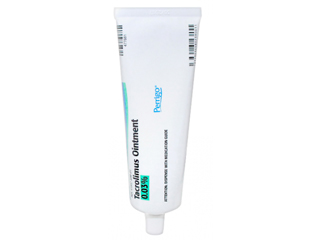
Topical tacrolimus ointment (skin conditions)
- Treatment of some immune-related inflammatory skin conditions, commonly where standard therapies are not suitable or as an alternative.
- May be prescribed for conditions such as atopic dermatitis (eczema) and certain other dermatological conditions where tacrolimus ointment is indicated by the product label.
Availability and indications can differ by formulation and brand. Always use the product that matches your treatment plan and local labelling.
Dosing: general principles (varies by formulation and patient)
Dosing of tacrolimus is individualised. For oral tacrolimus, the goal is usually to achieve an appropriate blood concentration to balance efficacy and safety.
Oral tacrolimus dosing principles
- Often started as part of a transplant regimen alongside other medicines (for example, corticosteroids and/or other immunosuppressants).
- Dose may be adjusted based on tacrolimus blood levels, tolerability, and clinical response.
- Dosing schedules may be once or twice daily depending on the specific product and regimen.
Topical tacrolimus dosing principles
- A thin layer is applied to affected skin areas as directed.
- Treatment schedules vary (for example, short-term courses, step-down approaches, or maintenance regimens in some cases).
Important reminders about dosing changes
- Do not change dose frequency or switch formulations without medical guidance.
- If you miss a dose, follow the advice provided with your medicine. If unsure, contact your healthcare team or pharmacist.
- If you vomit shortly after taking an oral dose, seek advice because absorption may be incomplete.
Timing: how to take tacrolimus safely
Timing can strongly affect blood levels for oral tacrolimus, especially in the early phase of treatment.
With meals (oral formulations)
- Follow the specific instructions on your product label regarding whether to take tacrolimus with or without food.
- Many regimens recommend taking tacrolimus consistently in relation to meals (for example, always on an empty stomach or always at a similar interval from meals) to reduce variability.
- If you change your routine (such as eating much earlier or later than usual), inform your transplant team, as tacrolimus levels might shift.
Consistency is key
For oral tacrolimus, consistency with the same routine helps your blood test results to be more meaningful and supports safer dose adjustments.
Topical timing
- Apply at the time(s) directed and allow it to fully absorb before dressing.
- Wash your hands after application unless the hands are the treatment area.
- Moisturiser use may be recommended; apply as advised (often moisturiser may be used on non-affected areas or after the tacrolimus has absorbed).
Food interactions (what to avoid and why)
Tacrolimus is metabolised by liver enzymes, so certain foods and drinks can change drug levels. The most important food interaction is grapefruit.
Foods and drinks that commonly matter
- Grapefruit and grapefruit juice: can increase tacrolimus levels by affecting CYP3A enzymes.
- High-fat meals: may increase absorption for some formulations, potentially raising levels—this depends on the specific product and regimen.
To reduce variability, aim for a stable eating pattern and follow your medicine instructions about taking with or without food. If you’re unsure, speak to your pharmacist or transplant team before making significant diet changes.
Alcohol interactions and safety
Alcohol can affect the liver and overall health and may increase side effects such as dizziness or fatigue in some people. With tacrolimus, the main concern is that heavy alcohol use may worsen liver function or complicate monitoring.
- Moderation is generally advisable.
- If you have liver impairment, alcohol should be discussed with your healthcare team.
- Avoid binge drinking, and report any new symptoms (such as yellowing of the skin/eyes, severe fatigue, or unusual bruising).
Medicine interactions (drug–drug interactions)
Tacrolimus levels can be significantly altered by other medicines. Because of this, the list below highlights common interaction categories—not an exhaustive list. Always check with your pharmacist or healthcare team before starting, stopping, or switching any medication, including over-the-counter products and supplements.
Medicines that can increase tacrolimus levels (higher risk of toxicity)
- Antifungals such as azoles (e.g., fluconazole, itraconazole, voriconazole, posaconazole)
- Macrolide antibiotics such as clarithromycin (and sometimes others)
- Some antivirals (e.g., those used for HIV or hepatitis, depending on regimen)
- Calcium channel blockers such as diltiazem or verapamil
- Others: some medicines affecting CYP3A4 or P-glycoprotein can raise levels
Medicines that can decrease tacrolimus levels (risk of rejection)
- Rifampicin/rifabutin (antibiotics)
- Some anti-seizure medicines (antiepileptics)
- St John’s wort (herbal product): can reduce tacrolimus exposure
Medicines that may add to kidney risk
- Non-steroidal anti-inflammatory drugs (NSAIDs) (e.g., ibuprofen, naproxen): may increase risk of kidney stress in susceptible patients.
- Other medicines that affect kidney function may also be relevant.
Practical interaction tips
- Carry an up-to-date list of your medicines and bring it to appointments.
- Tell your pharmacist about any new prescriptions, antibiotics, antifungals, or “natural” products.
- Do not take additional supplements that affect liver enzymes without advice.
Safety profile: what to watch for
Tacrolimus affects the immune system, so side effects often relate to infection risk and organ effects. The exact side effects depend on formulation and dose, and whether blood levels are being monitored.
Common or notable side effects (oral)
- Kidney-related changes (e.g., increased creatinine)
- Nervous system effects such as tremor, headache, or dizziness
- Gastrointestinal symptoms including nausea, diarrhoea, constipation
- High blood pressure
- Changes in blood sugar (can worsen or reveal diabetes in some patients)
Common or notable side effects (topical)
- Burning or stinging at the application site (often temporary)
- Skin irritation or redness
- Occasionally, itching or discomfort
Serious warnings (seek urgent medical advice)
- Signs of serious infection: fever, chills, persistent sore throat, or unusual infections
- Allergic reactions: swelling of face/lips, breathing difficulty, widespread rash
- Severe neurological symptoms: confusion, seizures, severe weakness
- Marked kidney problems: significantly reduced urine output or severe swelling
- Unusual bleeding or bruising
- Topical areas near the eyes or mouth: seek advice if irritation is severe or persistent
Who needs extra caution
- People with existing kidney or liver impairment
- Older adults or those with multiple medicines
- People with a history of infections or recurrent infections
- Anyone with conditions that raise infection risk
Practical use tips (to get the best results)
For oral tacrolimus
- Take exactly as directed and keep the same routine regarding meals.
- Do not switch brands or formulations without checking with your pharmacist or transplant team.
- Attend blood tests if you’re on oral tacrolimus—levels are often adjusted based on test results.
- Avoid grapefruit and be cautious with herbal products.
- Stay hydrated unless your care team has restricted fluids.
- Tell your doctor if you develop vomiting/diarrhoea that might affect absorption.
For topical tacrolimus ointment
- Apply only to the affected skin areas as directed.
- Use a thin layer—more is not necessarily better.
- Avoid wrapping treated skin with airtight bandages unless advised.
- If treating skin folds, apply gently and allow it to absorb.
- Use moisturisers according to your plan; ask your pharmacist if you are unsure about order of application.
Alternative options to consider
Alternatives depend heavily on the condition being treated and the formulation used. Below are general categories that may be considered by clinicians.
For transplant-related immunosuppression
- Other calcineurin inhibitors (e.g., ciclosporin in some regimens)
- Antimetabolites (e.g., mycophenolate medicines) as part of combination therapy
- mTOR inhibitors (e.g., sirolimus/everolimus in selected situations)
- Adjunct therapies including corticosteroids may be part of standard care
For inflammatory skin conditions (topical options)
- Topical corticosteroids (short courses depending on severity and location)
- Other non-steroid topical therapies depending on the specific diagnosis
- Standard supportive care such as moisturisers and skin barrier care
If you’re considering alternatives, discuss suitability with a clinician—especially for transplant patients, because immunosuppression regimens must be carefully balanced.
Market and legal context for Australia
In Australia, medicines are regulated by the Therapeutic Goods Administration (TGA). Tacrolimus products are supplied according to their approved indications and can differ in formulation and intended use. Many tacrolimus products are classed as prescription-only medicines or restricted products depending on formulation and concentration.
Online pharmacy supply in Australia typically follows Australian regulatory requirements and standard pharmacy processes (including identity and suitability checks). Product availability, brand names, and formulation strengths can vary.
Recent guidance and monitoring considerations
Guidance for tacrolimus focuses on safe use, drug interaction awareness, and monitoring—particularly for transplant recipients where blood levels guide dose adjustments. Key principles that are consistently emphasised include:
- Maintain consistent dosing and meal timing for oral tacrolimus to reduce variability.
- Review interacting medicines promptly (including antibiotics, antifungals, antivirals, anti-seizure medicines, and herbal products).
- Monitor tacrolimus blood concentrations when indicated.
- Assess kidney and liver function regularly, as required for safe ongoing therapy.
- Reduce infection risk: vaccination advice and infection prevention strategies should be discussed with your healthcare team.
For the most current local recommendations for your condition, consult your transplant team, specialist, or pharmacist.
Delivery and availability (online pharmacy)
Tacrolimus availability online depends on local stock, supplier listings, and the specific formulation (oral capsules vs topical ointment). Delivery times can vary based on location and order processing. When ordering, ensure you select:
- The correct formulation (oral vs topical)
- The correct strength and dose schedule as needed
- The correct brand/product if your regimen is tied to a specific formulation
Orders are typically packed and dispatched following standard pharmacy handling procedures. If cold storage is required (some products may differ), the delivery system will include appropriate precautions.
FAQ about Tacrolimus
1. What is tacrolimus used for?
Tacrolimus is an immunosuppressant. Oral tacrolimus is commonly used to help prevent organ rejection after transplant and may be part of rejection management in certain circumstances. Tacrolimus ointment is used for selected inflammatory skin conditions where it is indicated.
2. How long does it take to work?
For oral tacrolimus, blood levels build up over time and benefits relate to achieving target concentrations. For skin conditions, topical tacrolimus can reduce inflammation over days to weeks, depending on the condition severity and adherence to a consistent application routine.
3. Can I take tacrolimus with food?
It depends on the specific product and instructions provided. Many oral regimens require consistent timing with meals to reduce changes in absorption. Always follow the directions on your medicine packaging or as advised by your healthcare team.
4. Is grapefruit safe with tacrolimus?
Generally, avoid grapefruit and grapefruit juice because they can increase tacrolimus levels and raise the risk of side effects.
5. Can I drink alcohol while taking tacrolimus?
Moderate alcohol use may be acceptable for some people, but alcohol can increase strain on the body and potentially worsen liver function. If you have liver disease or are concerned, discuss alcohol with your pharmacist or doctor.
6. What medicines interact with tacrolimus?
Many medicines can affect tacrolimus levels, especially those that influence CYP3A4. Common categories include certain antifungals, antibiotics (like macrolides), antivirals, some calcium channel blockers, and herbal products such as St John’s wort. Always check before starting anything new.
7. What side effects should I watch for?
Watch for signs of infection (fever, persistent sore throat), kidney-related changes (reduced urine output or severe swelling), and neurologic symptoms (severe tremor, confusion). For topical tacrolimus, expect possible mild burning or redness at application sites.
8. Why do I need blood tests with oral tacrolimus?
Tacrolimus has a narrow therapeutic range and levels can vary. Blood tests help confirm that exposure is within a safer range to reduce the risk of rejection and toxicity.
9. What should I do if I miss a dose?
Follow the missed dose instructions provided with your medicine or by your pharmacist. If you are unsure, contact your pharmacist for advice. Do not double the dose unless instructed.
10. Are there alternatives to tacrolimus?
Alternatives depend on the condition. For transplant regimens, other immunosuppressants may be used as part of combination therapy. For skin conditions, alternatives may include topical corticosteroids and other non-steroid options. Discuss with your clinician.
11. Can I use tacrolimus ointment on my face or near my eyes?
Some people use tacrolimus ointment for facial areas, but care is needed near the eyes. Follow your product directions and ask your pharmacist if you’re unsure about application to sensitive areas.
12. How can I reduce infection risk while on tacrolimus?
Practice good hygiene, avoid close contact with people who have contagious illnesses, and speak with your healthcare team about vaccination recommendations and timing. Seek medical advice early if you develop fever or unusual symptoms.
Summary
Tacrolimus is a powerful immunosuppressant used in Australia for transplant-related rejection prevention and for selected inflammatory skin conditions (depending on formulation). It works by suppressing T-cell activation, and for oral tacrolimus, blood level monitoring and consistent meal timing are central to safe use. Because tacrolimus interacts with many medicines and can be affected by certain foods (especially grapefruit), careful management and open communication with your pharmacist or healthcare team are key to achieving the benefits while reducing risks.