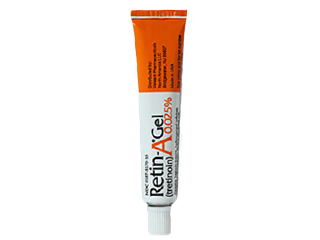
Retin-A Gel (Tretinoin) – Patient Guide (Australia)
Retin-A Gel contains tretinoin, a medicine from the retinoid family used to treat acne and other skin conditions. This guide explains how it works, how to use it safely, what to expect, and important interactions and precautions.
This information is designed to be patient-friendly and practical for everyday use in Australia. If you have any questions about your specific skin condition, sensitivity, or other medicines you take, speak with a qualified healthcare professional.
1) Basic product information
| Information | Details |
|---|---|
| Active ingredient | Tretinoin |
| Medicine type | Topical retinoid (vitamin A derivative) |
| Form | Gel |
| Common strengths | Available in different strengths; follow your product label and instructions |
| How it’s used | Applied to the skin in a thin layer |
| Typical timeframe to see results | Often several weeks; improvement may continue over months |
Brand availability: “Retin-A Gel” is a well-known brand name. Your pharmacy may also supply equivalent products depending on availability.
2) What Retin-A Gel does (mechanism of action)
Tretinoin works primarily by influencing how skin cells behave. It helps to normalise the way the surface of the skin renews itself and how pores clear. This can reduce clogged pores and improve acne progression.
- Increases skin cell turnover: Helps bring abnormal shedding and keratin build-up back toward normal.
- Prevents comedone formation: Reduces microcomedones (the “plugs” that can develop into pimples).
- Reduces inflammation indirectly: Over time, fewer blockages can mean less inflammatory activity.
- May improve skin texture: With consistent use, some people notice smoother skin and reduced marks.
3) Pharmacokinetics (how the medicine behaves in the body)
When used as directed, tretinoin is applied to the skin. Only a small amount is absorbed through the skin, and exposure in the bloodstream is generally low. The medicine works mostly at the site of application (the skin surface and upper layers).
- Absorption: Low systemic absorption when applied topically and used correctly.
- Distribution/metabolism: Any absorbed portion is handled by normal body metabolic pathways.
- Elimination: The absorbed fraction is cleared over time; however, most effects are local to the skin.
Because systemic exposure is typically low, tretinoin’s major concerns relate more to local skin effects (irritation, dryness, peeling) than to whole-body effects.
4) Typical uses and indications
Retin-A Gel is commonly used for conditions such as:
- Acne vulgaris (including comedonal acne and inflammatory acne, depending on severity and treatment plan).
- Some anti-ageing/skin-smoothing uses may be considered under clinical guidance, but the most established use is acne management.
The most suitable approach depends on your acne type (comedones, inflammatory spots, severity), skin sensitivity, and your current skincare routine.
5) How to use Retin-A Gel (timing and dosing)
General dosing principles
Tretinoin is potent at the skin level. More is not better. Use a thin layer—typically a pea-sized amount for the whole face (unless your clinician/pharmacist instructs otherwise).
- Start low and go slow: Many people begin with a lower frequency to reduce irritation.
- Consistency matters: Effects develop gradually as clogged pores resolve.
- Avoid over-application: Applying more frequently or more thickly increases the risk of irritation without improving outcomes.
Typical timing
For many users, tretinoin gel is applied once daily in the evening. Using it at night helps reduce exposure to sunlight and allows time for the skin to recover overnight.
- Best time: Evening, before bed
- Frequency (common approach):
- Week 1–2: often 2–3 nights per week
- Week 3 onward: increase gradually to nightly if tolerated
Follow your product label or healthcare advice, as different strengths may have different instructions.
Application steps (practical dosing)
- Cleanse: Wash the area with a gentle cleanser and pat dry (avoid rubbing).
- Wait until fully dry: Apply after the skin is completely dry to reduce stinging and irritation.
- Use a thin layer: Apply a small amount evenly over acne-prone areas, avoiding eyelids, corners of the nose, and lips.
- Wash hands: After application.
- Moisturise if needed: If irritation occurs, use a gentle moisturiser (often after the gel has absorbed) to improve comfort.
- Sun protection: Wear broad-spectrum sunscreen in the morning (see Safety section).
6) What to expect: timing for results
Acne improvement is gradual. A typical timeline people report:
- First 2–6 weeks: Mild irritation and dryness are common; acne may look worse initially for some people.
- 6–12 weeks: Fewer new spots and less clogged pore formation in many cases.
- 3–6 months: Continued improvement and smoothing of the skin texture.
If you experience severe irritation, burning, or significant worsening, stop and seek advice rather than continuing to “push through” discomfort.
7) Food interactions
Because tretinoin is applied to the skin and typically has low systemic absorption, food interactions are not expected. Your eating habits should not affect how the gel works.
8) Alcohol and medicine interactions
Alcohol
There are no well-established direct alcohol interactions with topically used tretinoin at typical doses. However, alcohol may worsen dehydration or skin dryness in some individuals. If you notice increased irritation after drinking alcohol, prioritise moisturising and hydration and consider reducing irritants.
Other medicine interactions
Most interactions with tretinoin relate to skin irritation when combined with other topical products or harsh treatments. Systemic drug interactions are generally less prominent due to low absorption.
Important topical “interaction-like” combinations
- Other exfoliating acids (e.g., strong glycolic/lactic acids) or frequent scrubs: may increase irritation.
- Harsh cleansers or alcohol-based toners: can worsen dryness and burning.
-
Other acne actives (e.g., benzoyl peroxide, topical antibiotics, salicylic acid):
- Some combinations are used together successfully, but timing matters.
- Using both can increase the chance of dryness and irritation initially.
- Medicated skin products (such as strong anti-dandruff agents or irritating treatments): use caution around the same area unless advised.
Oral medicines (systemic)
If you use other acne medicines (for example, oral retinoids or certain immune-modifying treatments), talk to your healthcare professional. The main safety issue is avoiding excessive irritation or overlapping retinoid-type effects.
Always tell your pharmacist or clinician about all medicines you use, including over-the-counter products and skin treatments.
9) Safety profile: common side effects and when to seek help
Common local skin effects
The most frequent effects are related to skin dryness and irritation, especially during the first weeks of treatment.
- Dryness
- Redness
- Peeling or flaking
- Stinging or mild burning
- Itchiness (sometimes)
- Skin sensitivity to sunlight
Less common or concerning reactions
Seek medical advice promptly if you develop:
- Severe swelling, blistering, or oozing
- Widespread rash away from the application area
- Intense pain or burning that does not settle after reducing frequency
- Signs of allergy such as hives or difficulty breathing (emergency)
Who should be extra cautious
- Very sensitive skin or eczema-prone individuals may need slower introduction and simpler routines.
- Frequent sun exposure increases the need for protective measures.
- Pregnancy planning: Retinoids are strongly associated with pregnancy risks in general. Discuss use with a healthcare professional if you are pregnant, trying to conceive, or breastfeeding.
10) Practical use tips (to reduce irritation and improve results)
- Use “the sandwich method” if needed: Apply a light moisturiser before tretinoin, then a thin layer of gel, and moisturise again after (if tolerated).
- Moisturise regularly: Choose a gentle, fragrance-free moisturiser.
- Keep the routine simple: Avoid multiple active products at the same time during the start-up period.
- Don’t apply to broken skin: Avoid areas with cuts, eczema flare, or significant sunburn.
- Be careful around eyes and lips: These areas are highly sensitive.
- Shave gently: If you shave the treated area (e.g., beard area), be extra careful to avoid irritation.
- Manage “retinisation”: Temporary dryness can happen; reducing frequency (e.g., every other night) often helps.
11) Sun exposure, sunscreen, and weather considerations (Australia-focused)
Tretinoin can make skin more sensitive to sunlight. In Australia’s strong UV environment, sun protection is essential.
- Use broad-spectrum sunscreen (SPF 30+ or higher) every morning.
- Prefer gentle clothing (hats, shade) to reduce exposure.
- Avoid tanning beds.
- Extra caution in windy/cold weather: Cold air can increase dryness—moisturise more.
12) Alternative options for acne
Depending on your acne type and skin sensitivity, there are several alternatives or add-ons. Many acne regimens use a combination approach.
Common alternatives
- Benzoyl peroxide: Helps reduce acne bacteria and inflammation; can be drying.
- Salicylic acid (beta-hydroxy acid): Helps unclog pores; may suit sensitive or oily skin.
- Topical antibiotics (where appropriate): Often used with benzoyl peroxide to reduce resistance (follow clinician guidance).
- Azelaic acid: May be helpful for acne and redness; generally well-tolerated by many people.
- Oral treatments: For moderate to severe acne, healthcare professionals may consider oral options.
When to consider combination therapy
If you have mixed acne (comedones and inflammatory spots), combining treatments can improve results. However, start slowly and manage irritation—your pharmacist or doctor can recommend the safest schedule.
13) Market and legal context for Australia
In Australia, access to tretinoin products is regulated under medicines scheduling and dispensing requirements. Availability may vary by formulation, strength, and brand. Some retinoid products may require authorisation or assessment depending on local regulatory status.
- Pharmacy supply: Topical tretinoin products may be supplied through pharmacies based on the applicable regulatory category.
- Labelling and directions: Always read the product packaging and follow the approved instructions.
- Safety checks: Pharmacies may ask screening questions regarding conditions such as pregnancy or severe skin reactions.
If you’re unsure why availability or directions differ, ask your pharmacist—this is often linked to current regulatory requirements and the exact product strength.
14) Recent guidance and clinical practice trends (general)
Over recent years, best-practice acne management has consistently emphasised:
- Gradual introduction to reduce irritation and improve adherence.
- Sun protection as a core part of retinoid care.
- Combination regimens when appropriate (rather than using one product alone for all acne types).
- Patient education about initial dryness and “early worsening” so people can continue safely if irritation is manageable.
Local clinical guidance may vary depending on severity and individual tolerance. Your pharmacist or doctor can tailor a plan to your skin and routine.
15) Delivery and availability (online pharmacy in Australia)
Retin-A Gel (tretinoin) availability can vary by pharmacy and by stock levels. Many online pharmacies in Australia offer:
- Home delivery within Australia
- Discreet packaging
- Pharmacy support for dosing and side-effect questions
Delivery times depend on your location and the courier service. If you need urgent treatment (for example, before an event), check the estimated dispatch and delivery timeframe on the product page.
Storage: Keep the gel in its original container and store at room temperature, away from heat and direct sunlight. Keep out of reach of children.
16) FAQ – Frequently asked questions
How long does it take to work?
Many people notice changes after 6–12 weeks. Improvement can continue over 3–6 months. Early irritation and sometimes temporary worsening can occur during the first weeks.
Why is my skin getting red or peeling?
Tretinoin commonly causes dryness and irritation, especially at the start. Try reducing how often you apply it (for example, alternate nights), moisturising regularly, and avoiding other irritating products. If symptoms are severe, contact a healthcare professional.
Should I apply it to my whole face or only pimples?
Usually it is applied to acne-prone areas, not only individual pimples. A thin, even layer helps prevent new clogged pores. Avoid eyes, lips, and corners of the nose.
Can I use moisturiser with Retin-A Gel?
Yes. In fact, moisturising helps reduce irritation. If you feel stinging, consider applying moisturiser before and/or after the gel (“sandwich method”).
Can I use benzoyl peroxide or salicylic acid at the same time?
Sometimes yes, but it may increase dryness and irritation. A safer approach is to introduce products gradually and separate them by timing (e.g., different nights) if needed. Ask your pharmacist for a schedule based on your routine.
Is it safe to use in the morning?
Retin-A Gel is commonly used in the evening. Morning use is possible but increases UV exposure risk and irritation. If you must use it in the day, ensure strong sun protection.
What if I accidentally get it in my eyes?
Rinse immediately with plenty of cool water. Do not rub your eyes. Seek medical advice if irritation persists.
Can I drink alcohol while using Retin-A Gel?
Direct interactions with topical tretinoin are not typically expected. However, alcohol can worsen dryness in some people. If you notice increased irritation, focus on moisturising and hydration.
Can I shave or wax after starting?
Avoid irritating the skin while it is sensitive. If you shave, use gentle technique and consider waiting until irritation settles. Waxing can be particularly irritating—consider delaying until your skin tolerates the gel well.
Are there any special precautions for pregnancy or breastfeeding?
Retinoids are linked with pregnancy-related safety concerns in general. If you are pregnant, trying to conceive, or breastfeeding, discuss use with a healthcare professional before starting or continuing tretinoin.
What should I do if it gets worse before it gets better?
Mild early worsening can occur as pores start to clear and the skin adapts. If the worsening is mild and irritation is manageable, continue cautiously (often at reduced frequency). If severe or painful, stop and seek advice.
How should I store Retin-A Gel?
Store at room temperature in the original container, away from heat and sunlight. Keep the cap closed and protect from contamination.
Summary
Retin-A Gel (tretinoin) is a topical retinoid that helps treat acne by normalising skin cell turnover and reducing clogged pores. Most benefits appear gradually over weeks to months. The main early challenge is often dryness and irritation, which can be managed with slow introduction, moisturising, avoiding harsh products, and using daily sun protection.
If you experience severe irritation or have questions about combining treatments, speak with your pharmacist or healthcare professional.