Permethrin (Topical) – Patient Information
Permethrin is a widely used medicine for treating certain skin infestations and conditions caused by parasites. In Australia, it is available in topical forms such as creams, lotions, and (depending on the product) related formulations. This page explains how permethrin works, how it is typically used, what to expect, and important safety information to help you use it effectively.
Always follow the product label instructions or advice from your pharmacist or doctor. Different permethrin products may have different strengths and directions. If you are unsure which product you have, check the packaging.
Basic product information
- Active ingredient: Permethrin
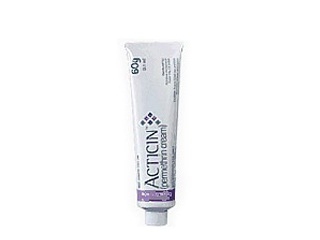
- Common forms: Topical creams/lotions (strength and vehicle vary by product)
- Typical uses: Scabies, head lice (depending on the product and strength)
- How it works: Kills certain parasites on the skin or hair/scalp
- Availability: Sold through pharmacies and, depending on the specific product, may be available without needing a prescription
| Feature | What it means for you |
|---|---|
| Where you apply | Skin for scabies; hair and scalp for head lice (product-specific) |
| How it works | Paralyses and kills targeted parasites |
| How soon it starts | Infestations may improve quickly, but itching can persist for days |
| Repeat dose | Some conditions require a second application about 7–14 days later (per product guidance) |
| Practical requirement | Follow the full treatment schedule and treat contacts if recommended |
Indications: what permethrin is used for
Permethrin is used to treat infestations where the medicine can act on the parasite’s nervous system. In Australian practice, permethrin topical products are commonly used for:
- Scabies: A contagious skin infestation caused by the scabies mite Sarcoptes scabiei.
- Head lice: Infestation of the scalp by lice (for products indicated for head lice).
The exact strength and directions depend on the condition and the specific product. Use the product only for its intended indication (for example, a head lice lotion is not necessarily interchangeable with a scabies cream).
Mechanism of action (how permethrin works)
Permethrin is a synthetic pyrethroid insecticide. It affects how parasites transmit nerve signals:
- Disrupts nerve function: It interferes with sodium channels in nerve cells, leading to abnormal electrical activity.
- Paralysis and death: This disruption can cause paralysis and ultimately death of the parasite.
- Local action: It works mainly where it is applied, with little systemic effect in typical topical use when used as directed.
Because permethrin acts on parasites at the time of application, any surviving eggs or newly hatched parasites may require a repeat treatment after an interval, depending on the condition and product instructions.
Pharmacokinetics (what happens in the body)
Pharmacokinetics describe how the body absorbs, distributes, metabolises, and eliminates a medicine. For topical permethrin used as directed:
- Absorption: Systemic absorption through intact skin is generally low. Absorption may be higher when applied to larger skin areas, broken/irritated skin, or under occlusion (for example, if clothing covers treated areas).
- Distribution: If small amounts enter the bloodstream, permethrin is distributed throughout tissues.
- Metabolism: Permethrin is metabolised in the body.
- Elimination: Metabolites are eliminated mainly through urine.
In most patients, when used according to directions, blood levels remain low and serious systemic effects are uncommon. Still, follow safety advice—especially for infants, pregnancy, breastfeeding, and sensitive skin.
Typical use and timing
The timing depends on whether you are treating scabies or head lice and on the specific product instructions. The key idea is to treat the infestation while avoiding missed areas and to use any repeat dose that is recommended.
Scabies (typical approach)
Common scabies regimens with permethrin involve applying the medicine to the whole body as directed, paying attention to areas often missed (such as between fingers and toes). Many schedules include a repeat application about 7 days later (sometimes described within a window such as 7–14 days depending on guidance/product).
Head lice (typical approach)
For head lice, a permethrin product may be used to treat the scalp and hair. Many lice regimens recommend a second treatment about 7–10 days later to address lice that hatch after the first application. A fine-tooth comb is often used to remove lice and nits.
Important: Do not rely on “feeling better” alone. Itching and irritation can continue for days to weeks even after successful treatment. If live lice or mites are still seen after the appropriate interval, seek advice.
Dosing and how to apply (general guidance)
Because different permethrin products have different strengths and instructions, you should always use the directions on the packaging or provided with your specific product. Below is patient-friendly “how to use” guidance that aligns with common topical treatment practices in Australia.
General dosing principles
- Use the correct strength: “Permethrin” products are not all the same—confirm the indication on the label.
- Apply enough to cover target areas: For scabies, this often means a thin but complete cover of affected skin (often the whole body); for lice, complete coverage of hair and scalp.
- Follow “leave on” time: Many formulations require leaving the product on for a specified period, then washing off.
- Repeat if instructed: Eggs may survive the first treatment; repeat dosing helps ensure full eradication.
Step-by-step practical application tips
- Check the product directions. Confirm whether it specifies full-body treatment, scalp/hair treatment, and how long to leave it on.
- Prepare clean, dry skin/hair. Typically, you may be advised to wash your hands before and after application. Use clean towels.
- Apply carefully and evenly. Massage gently into areas described in the instructions. Avoid excessive rubbing that causes irritation.
- Don’t miss common areas. For scabies, this may include between fingers/toes, around nails, groin, buttocks, and under fingernails (if directed). For head lice, ensure the entire scalp and hairline are covered.
- Wash off when the time is up. Use lukewarm water unless the label says otherwise.
- Clean personal items if required. Many treatments recommend washing bedding, clothing, and recently used items (see “Practical use tips”).
- Comply with the repeat schedule. Use the recommended day for the second application.
Food interactions
Permethrin is used topically, so it is not expected to interact with foods. No specific food interactions are typically relevant for topical permethrin when used as directed.
However, if you are using permethrin on a large area, on broken skin, or in young children, follow professional advice and watch for unusual side effects.
Alcohol and medicine interactions
There are no well-known alcohol interactions specific to topical permethrin. Because systemic absorption is usually low, drug–drug interactions are not expected in typical use.
Nevertheless, if you are taking other medicines or have ongoing skin conditions, it’s wise to ask your pharmacist if you’re unsure—especially for children, pregnancy, breastfeeding, or if you need repeated or multiple treatments.
Safety profile and side effects
Like all medicines, permethrin can cause side effects. Most people experience mild and temporary skin effects. Serious reactions are uncommon when used appropriately.
Common or expected effects
- Skin irritation: Mild redness, itching, or burning where the product is applied.
- Dryness or tingling: Temporary irritation after application.
- Temporary flare: Itching may persist even after successful treatment due to your immune response to dead parasites.
Less common effects
- Contact dermatitis: Allergic-type skin reaction in sensitive individuals.
- Swelling or worsening redness: If severe, seek advice promptly.
Seek urgent medical advice if
- Breathing difficulty or swelling of the face/lips/tongue.
- Severe rash or blistering.
- Signs of widespread allergic reaction.
- Severe skin pain or rapidly worsening symptoms.
Special populations (extra care)
- Children: Use only age-appropriate products and follow label directions closely.
- Pregnancy: Discuss risks and benefits with a clinician or pharmacist if needed.
- Breastfeeding: Generally topical use is considered, but confirm instructions—especially regarding application to areas that could contact the infant’s skin or mouth.
- Broken/eczema-affected skin: Absorption may be higher; avoid unnecessary excess and consult a pharmacist if unsure.
If you accidentally get permethrin in the eyes, mouth, or on broken skin beyond the intended area, rinse with water and seek medical advice if irritation persists.
Practical use tips to improve success
The effectiveness of permethrin depends not only on application, but also on environmental control and contact management. These tips can greatly reduce reinfestation or treatment failure.
For scabies
- Treat close contacts: Scabies spreads through close skin-to-skin contact. Household members and close contacts may need treatment at the same time, depending on clinical advice.
- Address bedding and clothing: Wash recently used bedding, towels, and clothing in hot water if fabric allows, and dry thoroughly. Items that cannot be washed may be sealed in a bag for a period recommended by local guidance.
- Nails and fingernails: If directed, pay attention to areas under nails and between fingers where mites may be present.
- Don’t expect immediate itch relief: Itching often continues for days to weeks after successful eradication due to residual skin inflammation.
For head lice
- Use a nit/lice comb: Combing helps remove live lice and eggs (nits). Comb results can matter as much as the medicine.
- Check household contacts: Lice can spread to close contacts. Check and treat as advised.
- Repeat treatment on schedule: Eggs may survive the first application; the second treatment helps break the life cycle.
- Wash and dry textiles if recommended: Follow guidance on washing pillowcases, hats, scarves, and recently used hair accessories.
Alternative options
Depending on the infestation and local resistance patterns, there may be alternative treatments. Your pharmacist can help you choose based on the condition, age, and previous treatment history.
Common alternatives (general categories)
- Other anti-scabies topical agents: Different products may be used for scabies based on severity and tolerability.
- Alternative head lice treatments: Some products use different active ingredients or mechanical methods (e.g., wet combing).
- Dimeticone or similar silicone-based treatments: Some countries use silicone-based products that act physically to affect lice; availability varies by product and label indication.
- Mechanical removal: Regular combing can be effective, especially when combined with guidance for timing.
If permethrin appears not to work, do not simply repeat indefinitely. Confirm you are using the correct product for the right condition, applied for the recommended “leave on” time, and used the correct repeat timing. Seek advice if symptoms persist.
Market and legal context for Australia
Medicine availability in Australia can vary based on formulation and intended use. Permethrin products for conditions like head lice and scabies are commonly supplied through pharmacies. Some formulations may be available without a prescription, while others may have specific supply requirements depending on strength and indication.
For online pharmacy purchases, products are generally supplied in accordance with Australian regulatory requirements and may require you to provide relevant information to ensure appropriate use. Always verify that the product you purchase matches the intended condition on its label.
Recent guidance and changing recommendations
Recommendations for head lice and scabies management can evolve over time due to factors such as treatment adherence, emerging resistance, and public health advice. In Australia, local health services and professional bodies may publish updated guidance on:
- Whether a repeat dose should be used and on what day
- Whether contacts should be treated simultaneously
- How to manage household items and reduce reinfestation
- When to seek further review if symptoms persist
If you have already treated using permethrin and the infestation continues, ask a pharmacist or clinician about options and correct next steps rather than using multiple products at once.
Delivery and availability (online pharmacy)
Permethrin products may be available for delivery depending on stock and the specific formulation you select. Delivery timelines vary by supplier and location within Australia. Some products require temperature control or have specific handling instructions; however, most topical permethrin products are stable under normal pharmacy storage conditions.
- Check product label strength and indication before ordering.
- Consider timing: If you need a repeat application, ensure you have enough product for the full course (including any second application).
- Keep packaging: Store at the temperature indicated on the label and keep instructions accessible during treatment.
If you have an urgent situation (for example, a child’s close-contact setting such as childcare or school), allow delivery time and plan accordingly.
FAQ: Frequently asked questions
1) How quickly does permethrin work?
Many people notice improvement in infestation-related concerns after treatment. However, skin symptoms—especially itching—may persist due to inflammation even after the mites or lice are dead. The medicine’s goal is to eradicate the parasite according to the recommended course and timing.
2) Should I treat everyone in the household at the same time for scabies?
Scabies is spread through close contact. In many cases, household members and close contacts are treated simultaneously to prevent “ping-pong” reinfestation. Follow advice based on your situation and local guidance.
3) Why do I still feel itchy after treatment?
Itching can continue for days to weeks after successful treatment. Dead parasites and ongoing immune response can keep the skin irritated. If new lesions appear, live mites/lice are seen, or symptoms worsen, seek advice.
4) Can I wash off the medicine earlier than the label says?
It’s best not to shorten the “leave on” time because it may reduce effectiveness. Always follow the directions on your specific product.
5) Is permethrin safe for children?
Permethrin is used in children for approved indications when used as directed. Choose the correct product and strength for the child’s age and follow label instructions carefully. If you’re unsure, ask a pharmacist.
6) What about pregnancy or breastfeeding?
Many topical treatments can be used with appropriate precautions, but individual circumstances differ. Seek advice from a pharmacist or clinician for guidance, especially if applying to large areas or using frequently.
7) Can permethrin be used on broken skin or eczema?
Broken skin may increase absorption and irritation. Use only as directed for your product and condition, and ask for advice if you have severe eczema or open sores.
8) Does permethrin interact with other medicines?
With typical topical use, significant interactions are not expected. If you are using multiple skin products, avoid applying other treatments at the same time on the treated area unless advised.
9) Will permethrin kill lice eggs?
Permethrin can kill lice, but egg survival and re-hatching are possible. That’s why repeat treatment on the scheduled date is commonly recommended. Combing can further improve removal of nits and live lice.
10) What if permethrin doesn’t work?
Treatment failure can occur due to missed areas, incorrect timing, reinfestation from untreated contacts, or not completing the repeat dose. Confirm your product instructions, application method, and environment/contacts management. If infestation persists after an appropriate course, seek professional advice about next treatment steps.
When to seek further help
Contact a healthcare professional or pharmacist if:
- You suspect infestation persists after completing the recommended course.
- You develop signs of skin infection (increasing redness, warmth, pain, pus, fever).
- Symptoms are severe, widespread, or rapidly worsening.
- You are treating an infant, have complex skin disease, or have concerns about pregnancy or breastfeeding.
This information is intended to help you understand permethrin and use it safely. It does not replace the specific instructions provided with your product. If you have questions about the best approach for your situation, a pharmacist can help you choose and use the correct product.