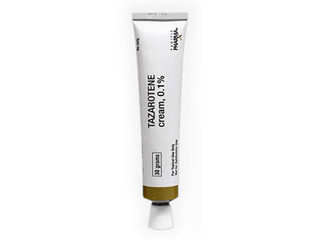
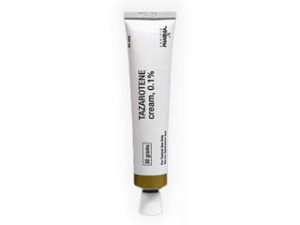
Tazarotene: Patient-Friendly Guide (Australia)
Tazarotene is a topical medicine used to treat certain skin conditions, most commonly acne and psoriasis. It belongs to a group of medicines called retinoids (vitamin A–related medicines). When used correctly, tazarotene can help improve skin texture, reduce inflammation, and encourage healthier skin turnover.
This guide is designed to help you understand how tazarotene works, how to use it safely, what to expect during treatment, and how it may interact with food, alcohol, and other medicines. Information is presented in a general way for an online pharmacy context in Australia.
Quick Product Information
| Category | Details |
|---|---|
| Generic name | Tazarotene |
| Medicine class | Topical retinoid |
| Common forms | Cream or gel (strength varies by product) |
| Main uses | Acne (selected strengths/indications) and plaque psoriasis (selected strengths/indications) |
| How it’s applied | Thin layer to affected skin |
| Typical course | Weeks to months, depending on condition |
How Tazarotene Works (Mechanism of Action)
Tazarotene works by affecting skin cell behaviour and inflammation:
- Normalises skin cell turnover: It helps regulate the rate at which skin cells grow and shed. This can reduce scaling and clogged pores.
- Reduces abnormal keratinisation: In conditions like psoriasis, it can help decrease thickened, scaly plaques.
- Helps improve inflammation: It may reduce inflammatory signals in the skin, which can lessen redness and irritation associated with acne and psoriasis.
- Promotes healthier skin texture: Over time, treated areas often look smoother.
Important: Like many retinoids, tazarotene can cause initial dryness or irritation as the skin adapts. This does not always mean the medicine is “not working”—it often reflects the early phase of treatment.
Pharmacokinetics (What Happens in the Body)
Because tazarotene is applied to the skin, only small amounts are expected to enter the bloodstream. Key points include:
- Absorption: Absorption through skin is generally low, especially when used as directed.
- Conversion in the body: Tazarotene is converted to an active metabolite after absorption.
- Distribution and elimination: The active metabolite is further processed and eliminated mainly through normal body pathways.
- Effect of damaged skin: Absorption may be higher if the skin barrier is severely damaged, heavily inflamed, or covered with occlusive dressings. Use caution with extensive or broken skin areas.
Clinical implication: Even though systemic absorption is limited, it’s still important to follow usage instructions closely, particularly during pregnancy and breastfeeding (see safety section).
Typical Uses and Indications
Approved uses can vary by product strength and formulation. In general, tazarotene is used for:
- Acne vulgaris (typically for selected severity and product strengths)
- Plaque psoriasis (mild to moderate plaque psoriasis, depending on the product and extent of body surface area)
When to seek guidance: If you have facial, skin-fold, or widespread disease—or if the affected area is near eyes, lips, or genitals—discuss suitability and application method with a healthcare professional.
How to Use Tazarotene (Dosing and Timing)
Follow the instructions provided with your specific product. Dosing guidance below is general and may not match every branded product.
General dosing principles
- Use a thin layer: A small amount is enough. More does not usually improve results and can increase irritation.
- Start gradually: If you are new to retinoids, begin with less frequent application to reduce irritation.
- Target affected areas: Apply to spots or plaques as directed, avoiding wider healthy skin where possible.
- Wash hands: After application, wash your hands to avoid accidental contact with eyes or mouth.
Common timing routine (general)
- Often applied in the evening: Many retinoids are used at night. If your product instructions differ, follow them.
- Allow skin to dry first: Apply to clean, fully dry skin.
Example “starter schedule” for acne or psoriasis (often used)
Depending on tolerability, many people start with:
- Week 1–2: Apply 2–3 nights per week
- Week 3–4: Increase to alternate nights if irritation is manageable
- Ongoing: Many achieve better results with once daily or as directed
Do not force irritation: If burning, severe redness, swelling, or peeling becomes intense, reduce frequency or pause and seek advice.
How Soon Will It Work? (What to Expect)
Response varies by condition and severity, but typical timelines include:
- Acne: Some improvement may be seen after 4–8 weeks, with continued improvement over 3–6 months.
- Plaque psoriasis: Improvement may be seen within 2–4 weeks, with longer time needed for full benefit.
Initial flare or irritation: Dryness, redness, and mild peeling are common early effects. If symptoms are severe or worsen rapidly, stop and seek clinical advice.
Food Interactions
Tazarotene is used on the skin, so direct food interactions are unlikely. However:
- Oral vitamin A / retinoids: Avoid combining with other vitamin A–type products unless specifically advised, as overall retinoid exposure may increase.
- Alcohol and systemic retinoid concerns: See the alcohol section below.
Practical note: No specific food restrictions are typically required when using topical tazarotene as directed.
Alcohol Interactions
For topical tazarotene, significant alcohol interactions are not commonly expected because systemic absorption is low. Still, keep in mind:
- Skin sensitivity: Alcohol may contribute to dryness or irritation in some people. If you notice that your skin becomes drier after alcohol, consider reducing intake and moisturising more regularly.
- Avoid high-dose retinoid exposure: If you use other medicines related to vitamin A (especially oral retinoids), consult a healthcare professional. These situations are where alcohol advice may become more relevant.
Safety first: If you have liver disease or take multiple medicines that affect the liver, discuss your overall regimen with a clinician.
Medicine Interactions (Topical and Systemic)
Tell your healthcare professional and pharmacist about all medicines you use, including non-prescription products and skincare actives. Common interaction considerations include:
- Other exfoliating/irritating products: Avoid combining with strong acids (e.g., high-strength glycolic/salicylic peels), abrasive scrubs, or other highly drying treatments unless specifically advised.
- Other retinoids: Do not use additional retinoid products on the same area unless directed, to reduce irritation and risk of adverse effects.
- Topical anti-acne actives: Benzoyl peroxide can be used by some people, but it may increase irritation when combined with retinoids. If you use both, consider alternating or spacing applications and moisturising.
- Systemic retinoids: Oral retinoids (if used for any condition) may increase total retinoid-related risk.
Sunscreens and moisturisers: These are not “interactions” in the negative sense—using them correctly can significantly reduce tazarotene irritation.
Safety Profile and Important Precautions
Tazarotene is generally well tolerated when used carefully, but it can cause side effects due to its effects on skin cell turnover.
Common side effects
- Dryness
- Redness
- Peeling or flaking
- Burning or stinging
- Itching
- Skin irritation
Serious or urgent symptoms
Seek medical advice promptly if you experience:
- Severe swelling
- Blistering, oozing, or intense pain
- Signs of an allergic reaction (e.g., widespread rash, facial swelling, breathing difficulty)
- Eye irritation if product accidentally gets near the eyes
Who should use extra caution
- Pregnancy: Retinoids are generally contraindicated during pregnancy. If pregnancy is possible, discuss appropriate contraception and safer alternatives with a clinician before use.
- Breastfeeding: Use may require careful consideration. Discuss with a healthcare professional, especially to avoid application on areas that could be contacted by an infant.
- Children and adolescents: Suitability depends on product and indication; dosing and age recommendations must be followed.
- Eczema or very sensitive skin: Higher irritation risk—start slowly and moisturise.
- Large area application: More frequent or extensive use can increase irritation and, in rare cases, systemic exposure.
Sun exposure (very important)
- Tazarotene can make skin more sensitive to sunlight.
- Use sunscreen daily on exposed areas and consider protective clothing.
- Avoid tanning beds.
Practical Use Tips (How to Get the Best Results)
Before you apply
- Cleanse with a gentle, non-stripping cleanser.
- Pat dry—don’t rub.
- Wait until the skin is completely dry.
Apply correctly
- Use a pea-sized amount (for typical face coverage) unless your product instructions specify differently.
- Spread thinly over the affected area.
- Avoid corners of the nose, eyelids, lips, and any broken skin.
Moisturising strategy (reduces irritation)
- Apply a moisturiser either:
- Before tazarotene (as a “buffer”) if you’re very sensitive, or
- After tazarotene if your instructions allow and you tolerate it
- Choose fragrance-free moisturisers when possible.
- If dryness is heavy, consider reducing frequency rather than applying more.
Managing early irritation
- Reduce application frequency (e.g., alternate nights).
- Use moisturiser consistently.
- Do not combine with multiple strong actives at the same time.
- If you’re sunburnt or the skin barrier is compromised, pause until healed.
Where to store and handle
- Store at room temperature as directed on the label.
- Keep the container closed and away from heat/sunlight.
- Check expiry dates; discard if product is outdated or contaminated.
Alternatives to Tazarotene
Depending on your condition, your clinician may consider other treatment options. Alternatives commonly include:
For acne
- Topical retinoids (e.g., adapalene or tretinoin where appropriate)
- Benzoyl peroxide (often for inflammatory acne)
- Topical antibiotics in selected cases
- Azelaic acid (may suit sensitive skin)
- Oral therapies for moderate-to-severe acne (depending on suitability)
For plaque psoriasis
- Topical corticosteroids (short courses in many cases)
- Vitamin D analogues (commonly used for plaque psoriasis)
- Other topical immunomodulators depending on site and severity
- Phototherapy or systemic therapies for more extensive disease
Choice depends on severity, skin location, past treatment response, and tolerability.
Market and Legal Context in Australia (Overview)
In Australia, medicines are regulated under the Australian Therapeutic Goods Administration (TGA) and products must meet classification and labelling requirements. Availability for tazarotene can vary by strength, indication, and whether the product is supplied as a prescription medicine or through other pathways.
Online pharmacy availability may also depend on:
- Whether the product is marketed for the relevant indication in Australia
- Product listing status and pack size
- State/territory pharmacy requirements
- Supply policies intended to ensure safe use
Always check the product page and label for the exact strength and intended use in Australia.
Recent Guidance and Safety Notes
General guidance for topical retinoids continues to focus on:
- Correct application (thin layer, affected skin only)
- Moisturising and sun protection to reduce irritation
- Avoiding use during pregnancy and discussing family planning with clinicians
- Minimising irritant combination products to improve tolerability
Because regulatory updates and product-specific instructions can change, it’s important to review the current label information and follow any advice provided by your pharmacist or healthcare professional.
Delivery and Availability (Australia)
Availability and delivery options depend on the specific online pharmacy, the product listing, and stock. When ordering, consider:
- Strength and formulation: Confirm cream vs gel and the strength shown on the product page.
- Delivery timeframe: Delivery times vary by location (metro vs regional/remote).
- Packaging: Medicines should arrive in manufacturer-labeled packaging.
- Temperature: Topical products should be stored as directed; avoid leaving parcels in extreme heat.
If you have time-sensitive skin concerns (e.g., a flare or a planned event), order early to allow for delivery and the initial adaptation period.
FAQ: Tazarotene
1) What is tazarotene used for?
Tazarotene is used topically for conditions such as acne and plaque psoriasis, depending on the specific product strength and indication listed in Australia.
2) When should I apply tazarotene?
Many people apply tazarotene in the evening. Apply to clean, fully dry skin and follow the timing instructions on your product label.
3) How much should I use?
Use a thin layer on the affected area. A small amount is usually enough. More can increase irritation without improving results.
4) Can I use moisturiser with tazarotene?
Yes. Moisturiser can significantly reduce dryness and peeling. You may apply moisturiser before or after tazarotene depending on your tolerance and product guidance.
5) What should I do if my skin becomes very irritated?
Reduce the frequency of application, ensure you are using a gentle cleanser and moisturiser, and avoid other potentially irritating skincare actives. If irritation is severe, blistering, or worsening, stop and seek clinical advice.
6) Does food affect tazarotene?
Direct food interactions are unlikely because tazarotene is applied to the skin. Avoid combining with other retinoid-type products unless advised by a healthcare professional.
7) Is it safe to drink alcohol while using tazarotene?
Major interactions are not typically expected with topical tazarotene. However, alcohol may worsen skin dryness in some people. If you’re using other systemic retinoids or have liver concerns, discuss your full medication and alcohol use with a healthcare professional.
8) Can I use tazarotene with acne washes or benzoyl peroxide?
Some people combine treatments, but it can increase irritation. If you want to use benzoyl peroxide or other actives, consider spacing applications or alternating days and moisturising well. Follow pharmacist/clinician guidance for your regimen.
9) Will tazarotene make my skin sun-sensitive?
Yes. Tazarotene can increase sensitivity to sunlight. Use daily sunscreen and protective clothing on exposed areas and avoid tanning beds.
10) What if I miss a dose?
Apply it at the next scheduled time. Do not apply extra to make up for a missed dose.
11) How long until I see results?
Improvement typically takes weeks rather than days. Many people notice changes after 4–8 weeks for acne and 2–4 weeks for psoriasis, with further improvement over time.
12) Are there alternatives if I can’t tolerate it?
Yes. Depending on your condition, options may include other topical retinoids, azelaic acid, benzoyl peroxide, topical corticosteroids, vitamin D analogues, or other therapies. Ask your pharmacist or clinician what fits your skin and goals.
Key Takeaways
- Tazarotene is a topical retinoid used for conditions such as acne and plaque psoriasis.
- It helps improve skin cell turnover and reduce inflammatory skin changes.
- Expect irritation early; moisturiser and gradual use often help.
- Sun protection is essential.
- Follow label instructions closely, and seek advice if irritation is severe or you have special circumstances such as pregnancy or breastfeeding.