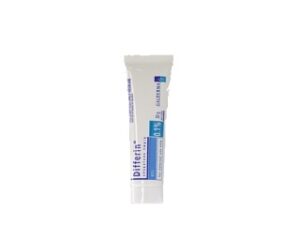
Differin (Adapalene) – Patient-Friendly Guide
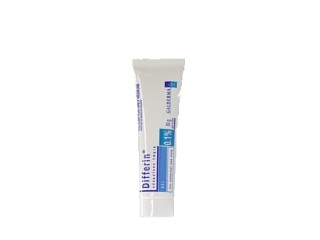
Differin is a skincare medicine containing adapalene, a type of retinoid used to treat acne. It works by unclogging pores, reducing inflammation, and helping skin renew itself more normally. This guide explains how Differin works, how to use it safely and effectively, and what to expect—written for people shopping in Australia.
Basic product information
| Feature | What you should know |
|---|---|
| Active ingredient | Adapalene (a topical retinoid) |
| Common uses | Acne vulgaris (especially comedonal acne, blackheads/whiteheads) |
| How it’s applied | Once daily to clean, dry skin in a thin layer |
| Typical formulation | Often available as a gel (exact strength/format can vary by product) |
| Who it’s for | Adolescents and adults with acne prone to clogged pores |
| Where it’s used | Face (and sometimes other acne-prone areas, depending on product instructions) |
Important: Always check the specific Differin product pack for strength, directions, and any country-specific requirements. Different countries may have different available strengths and packaging.
How Differin (adapalene) works
Adapalene is a topical retinoid (a medicine related to vitamin A). It helps acne in several ways:
- Normalises skin cell turnover: It encourages more regular shedding of the top skin layer, helping prevent clogged pores from forming.
- Reduces formation of comedones: It helps clear blackheads (open comedones) and whiteheads (closed comedones).
- Anti-inflammatory action: It helps calm inflammation within the acne process.
- Supports long-term control: With continued use, pores stay clearer and breakouts become less frequent.
What Differin won’t do: It is not an instant “spot remedy.” Acne improvement typically develops over weeks as your skin adapts and begins renewing more effectively.
Pharmacokinetics (how the body handles adapalene)
Because Differin is applied to the skin, only a small amount of adapalene typically reaches the bloodstream.
- Absorption: Topical adapalene is absorbed through the skin to a limited extent.
- Distribution: It distributes primarily to skin where it’s applied; systemic exposure is generally low.
- Metabolism: Adapalene is metabolised in the body.
- Elimination: The medicine and its metabolites are cleared mainly through normal body processes.
Practical meaning: Since systemic absorption is low, most side effects are skin-related—such as dryness, peeling, or irritation—rather than effects throughout the body.
What Differin is used for (indications)
Differin is used to treat acne vulgaris, particularly:
- Comedonal acne (blackheads and whiteheads)
- Inflammatory acne (red pimples) as part of an overall acne treatment plan
In many people, Differin works best as a long-term skin care medicine rather than a short burst. Depending on severity, your overall routine may include other acne therapies (for example, benzoyl peroxide or topical antibiotics—usage varies by product availability and guidance).
How to use Differin: dosing and timing
Typical dose
- Adults and adolescents: Apply a thin layer to acne-prone areas once daily (often in the evening).
- Quantity: A small amount (commonly described as a pea-sized amount for the whole face) is usually enough. More is not better and can increase irritation.
Timing
- Once daily is the usual schedule.
- Apply it at a time that is easy to repeat consistently.
- Many people choose night-time because it avoids sunlight exposure immediately after application.
Step-by-step practical application
- Cleanse: Use a gentle cleanser and pat skin dry.
- Wait briefly: Ensure your skin is fully dry before applying.
- Apply thin layer: Spread evenly over affected areas and sometimes slightly beyond where acne occurs.
- Wash hands: After applying, wash hands to avoid getting it in eyes, mouth, or on sensitive areas.
- Moisturise if needed: A non-comedogenic moisturiser can reduce irritation.
Start low and go slow: If you’re new to retinoids, consider using Differin every second night at first, then increase to daily as tolerated.
How long does it take to work?
Acne typically improves gradually. A common pattern is:
- 2–4 weeks: Some people notice reduced oiliness and fewer new clogged pores.
- 6–12 weeks: More visible improvement in breakouts and skin texture.
- Ongoing use: Continued treatment helps prevent recurrence.
Possible early worsening: Some users experience mild “purging” or increased breakouts in the first few weeks as clogged pores come to the surface. If irritation is severe or acne worsens significantly, adjust frequency and seek advice.
Food interactions
Because Differin is a topical medicine with low systemic absorption, food interactions are not expected. No specific food restrictions are required for adapalene gel.
Alcohol and medicine interactions
Alcohol: There is no direct alcohol interaction expected with topical adapalene. However, alcohol can worsen dehydration or skin dryness in some people. If you notice increased irritation after alcohol consumption, consider moisturising and monitoring your skin.
Other medicines on the skin: Interactions are mainly about skin irritation rather than absorption. Be cautious when using Differin alongside other products that can be drying or irritating.
- Other topical acne products (especially strong irritants): Combining with multiple harsh actives may increase redness, peeling, and discomfort.
- Exfoliants and “scrubs”: Avoid frequent physical scrubbing and strong chemical exfoliation at the same time.
- Products with alcohol or strong fragrances: These can intensify dryness.
- Medicines that may increase sun sensitivity: While adapalene itself may cause sensitivity-like effects through skin irritation, any combined photosensitising treatments should be used cautiously.
Oral medicines: Clinically important systemic interactions are unlikely because topical adapalene absorption is low. If you are using other acne treatments by mouth, it’s still wise to review your routine with a healthcare professional.
Safety profile and common side effects
Like all acne treatments, Differin can cause side effects, most of which affect the skin at the application site.
Common side effects
- Dryness
- Redness
- Peeling
- Stinging or burning (especially during the first weeks)
- Skin irritation
- Occasional worsening of acne early on
Less common but important reactions
- Severe irritation (intense burning, blistering, marked swelling)
- Allergic reactions (rare) such as rash beyond the application area
- Eye or eyelid irritation if product accidentally gets into the eye
Seek urgent medical advice if you develop severe symptoms such as blistering, swelling of the face/lips, trouble breathing, or widespread rash.
Practical use tips to reduce irritation
Adapalene is effective, but comfort matters. These tips help many users tolerate treatment:
- Use a gentle cleanser: Avoid abrasive foaming washes if they leave your skin tight or stinging.
- Moisturise daily: Choose a non-comedogenic moisturiser. You can apply moisturiser before and/or after adapalene.
- Consider the “moisturiser sandwich” method: Apply moisturiser first, then adapalene, then moisturiser again if dryness is a problem.
- Start slowly: Begin 2–3 nights per week and gradually increase.
- Use sunscreen: Daily sunscreen helps protect irritated skin and reduces post-inflammatory dark marks.
- Avoid applying to sensitive skin: Be careful around the corners of the nose, mouth, eyelids, and neck if these areas are easily irritated.
- Don’t mix with strong exfoliation: Avoid repeated scrubs, strong acids, and harsh toners while skin is adapting.
- Hands and hair: Wash hands after application; avoid contact with hairlines or eyebrows if it causes irritation.
Special precautions
- Skin that is broken or sunburnt: Do not apply to sunburnt, windburnt, eczematous, or broken skin.
- Weather changes: Cold, dry weather may increase dryness. Reduce frequency temporarily if irritation flares.
- Eye/mucosal contact: If it gets into eyes, rinse thoroughly with water.
- Children: Use only as directed on the product and as appropriate for the patient’s age.
- Pregnancy and breastfeeding: Topical retinoids are generally treated with caution in pregnancy. If you are pregnant, planning pregnancy, or breastfeeding, seek specific medical guidance before using.
Note for Australia: Product information provided with the specific Differin pack (leaflet/label) should always guide precautions relevant to that formulation.
Alternative options for acne in Australia
If Differin isn’t suitable, or if you need a different approach, there are several alternatives—depending on acne type and severity.
Common alternatives
- Benzoyl peroxide: Helpful for inflammatory acne and reducing acne bacteria; can be drying and may bleach fabrics.
- Topical antibiotics (often used in combination): Used in some acne plans; typically limited duration to reduce resistance.
- Salicylic acid (BHA): Can help exfoliate and unclog pores; useful for mild comedonal acne.
- Azelaic acid: Often well tolerated; can help with redness and acne marks.
- Oral treatments: For moderate to severe acne, doctors may consider oral options.
Choosing the right option: The best choice depends on your acne pattern (blackheads vs inflamed pimples), skin sensitivity, and whether you’ve used retinoids before. A staged approach often works best.
Market and legal context for Australia
In Australia, access to acne medicines can vary by brand, strength, and formulation. Many topical acne medicines are supplied through pharmacies and some are available over the counter depending on the product classification and local regulations.
What to look for when buying online:
- Ensure you are ordering from a reputable Australian pharmacy or approved online dispenser.
- Check the product description for the active ingredient and strength.
- Confirm delivery regions, parcel tracking, and customer service availability.
- Keep the original packaging/leaflet for directions and warnings.
Recent guidance (general principles): Across skincare and acne care, recent emphasis has typically included consistent use, skin barrier protection, sun protection, and careful management of irritation with gradual ramp-up—especially when starting topical retinoids.
Delivery and availability in Australia
Differin (adapalene) may be available through pharmacy channels or selected online retailers depending on current supply. Availability can vary by:
- Product size (e.g., tube volume)
- Concentration/strength
- Seasonal demand and warehouse stock
Delivery tips:
- Choose express or standard shipping based on your timeline.
- Check for notifications and tracking details.
- Store the medicine as directed (typically at room temperature, away from direct heat/sunlight).
What to do if you run out: Acne control often relies on consistency. Try to reorder before you finish your current tube, and if you must pause, expect mild fluctuation in breakouts when restarting.
FAQ
1) Can I use Differin on my whole face?
Often yes—if your acne covers a wider area or you get clogged pores across the face. Many users apply a thin layer to acne-prone zones and can extend slightly beyond visible lesions. If your acne is limited, applying only to affected areas may reduce irritation.
2) Should I apply Differin after washing, and is my skin supposed to be dry?
Yes. Apply to clean skin and let the skin dry fully before applying. Applying to damp skin may increase stinging and irritation.
3) What if I experience redness or peeling?
Start with less frequent use (for example, every second night), moisturise regularly, and avoid other irritating products while your skin adapts. If symptoms become severe, stop temporarily and seek advice.
4) Can Differin be used with moisturiser and sunscreen?
Yes. In fact, moisturiser and sunscreen are helpful. Use a non-comedogenic moisturiser. Apply sunscreen in the morning (especially since your skin may be more sensitive during treatment).
5) Is it okay to combine Differin with other acne treatments?
Combination therapy can work well, but the risk of irritation increases. Many people alternate products or start one at a time. If you plan to use multiple actives (for example, benzoyl peroxide, salicylic acid, or exfoliating acids), consider a gradual approach and watch for irritation.
6) Will Differin help blackheads and whiteheads?
Yes. Adapalene is particularly helpful for comedonal acne—blackheads and whiteheads—by preventing clogged pores.
7) Can I drink alcohol while using Differin?
There is no known direct interaction with topical adapalene. However, if alcohol makes your skin drier or increases irritation, use extra moisturiser and monitor your skin’s response.
8) Do I need to use Differin forever?
Many people use topical retinoids as long-term maintenance to prevent acne recurrence. If you stop, acne can return gradually. If you want to reduce or stop use, it’s usually best to taper frequency and maintain a good skincare routine.
9) How should I store Differin?
Store as stated on the pack, typically at room temperature, away from heat and direct sunlight, and keep the container tightly closed.
10) When should I seek professional advice?
Seek advice if you have severe side effects, signs of allergic reaction, no improvement after a reasonable trial (often 8–12 weeks), or if acne is worsening significantly despite careful use.
Disclaimer: This information is for general guidance only. Always follow the instructions provided with your specific Differin pack and consult a qualified healthcare professional if you have concerns or underlying conditions.