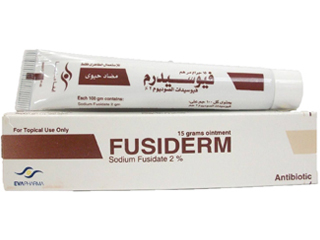
Fusiderm B (Betamethasone + Fusidic Acid) – Patient Information (Australia)
Fusiderm B is a combination medicine used to treat certain skin conditions where there is both inflammation and bacterial infection. It contains:
- Betamethasone (a corticosteroid to reduce redness, swelling and itching)
- Fusidic acid (a topical antibiotic to treat susceptible bacteria)
This page explains how Fusiderm B works, what it’s used for, how to apply it, important safety information, and practical tips for use in Australia.
Basic product information
- Active ingredients: Betamethasone + Fusidic acid
- Medicine type: Topical combination corticosteroid and antibiotic
- Common dosage form: Cream/ointment formulation (varies by brand presentation)
- ATC/therapeutic group: Dermatological anti-inflammatory + antibacterial combination
- Where used: On affected skin only
Always check the specific label and consumer medicines information (CMI) for the exact formulation, strength, and directions for your product. If you have questions about suitability for your skin condition, ask your doctor or pharmacist.
How Fusiderm B works (mechanism of action)
Fusiderm B combines two complementary medicines:
1) Betamethasone (anti-inflammatory steroid)
- Calms skin inflammation
- Reduces redness, swelling and discomfort
- Helps control itching and irritation caused by inflammatory skin disorders
2) Fusidic acid (antibiotic)
- Targets susceptible bacteria that may be causing or worsening the skin infection
- Works by interfering with bacterial protein production
- Helps reduce bacterial load and supports healing
Because it treats both inflammation and bacterial infection, Fusiderm B is often used when these features occur together in the same skin area.
Pharmacokinetics (absorption, distribution, and elimination)
Fusiderm B is applied to the skin. In most people, only a small amount of the medicines are absorbed through intact skin. Absorption can be higher when:
- The area is inflamed or damaged
- Large amounts are used
- It is applied under occlusion (covered with dressings that trap heat/moisture)
- It is used for longer than recommended
- Applied to sensitive skin areas (e.g., face, skin folds, genitals)
Betamethasone (a corticosteroid) may be absorbed systemically in small amounts. When more is absorbed, the risk of corticosteroid-related side effects increases. Fusidic acid is absorbed to a limited extent when used topically, but any systemic absorption is generally low under normal use.
Metabolism and elimination depend on the amount absorbed. If you use the product extensively or under occlusion, systemic effects are more likely.
Typical uses (indications)
Fusiderm B is used for skin infections where inflammation is also present. It is commonly considered for conditions such as:
- Infected eczema or dermatitis where bacterial involvement is suspected
- Localized infected inflammatory skin lesions
The exact indication depends on local prescribing guidance and the specific diagnosis. Fusiderm B is not intended for all types of skin infection. For example, it is not suitable for viral causes (like cold sores or chickenpox) or fungal infections (like ringworm).
If you’re unsure whether your condition is bacterial, consider getting medical advice—using an antibiotic unnecessarily can contribute to antibiotic resistance.
When to start and how timing works
Many people notice improvement in symptoms such as redness, swelling and weeping within the first few days, but complete resolution can take longer.
- Start: Use as directed when the affected area has both inflammation and suspected bacterial infection.
- Expected response: If there is no improvement after a few days, or if symptoms worsen, seek advice.
- Do not extend automatically: Do not continue beyond the recommended course without medical advice.
If there is rapid spreading, increasing pain, fever, or involvement of the eye/genital area, seek urgent medical attention.
How to use Fusiderm B (dosing and application)
Dosing depends on your age, the site involved, and the severity/extent of the condition. Follow the instructions on the pack or provided by your clinician. The guidance below is general.
Typical application
- Apply a thin layer to the affected skin
- Wash and dry your hands before and after application
- Use a clean fingertip or applicator if instructed
- Avoid eyes, mouth, and mucous membranes unless specifically directed
Frequency
- Frequently used once or twice daily depending on the product instructions
- Check the label for the exact frequency for your formulation
Duration
- Use for the shortest effective time
- Do not use longer than recommended on the label/CMI
- If there is no clear improvement, re-check the diagnosis
Missed dose
- Apply when you remember if it is close to the next dose time
- If it’s almost time for the next dose, skip the missed dose
- Do not double the amount
Important: Topical corticosteroids should be used carefully on sensitive sites (face, skin folds) and in children. If treating a child, confirm dosing and duration with a healthcare professional.
Practical use tips (to improve effectiveness and reduce risk)
- Clean the area first with gentle cleanser and pat dry.
- Use only on the affected area, not as a broad “preventative” application.
- Avoid occlusion (tight bandages/plastic coverings) unless specifically instructed—this can increase absorption.
- Do not apply to broken skin unless your clinician advised it for your specific diagnosis.
- Stop and seek advice if you notice worsening redness, swelling, burning, or blistering.
- Hygiene matters: wash hands after use to avoid spreading infection.
Safety profile (who should be cautious)
Fusiderm B is generally well tolerated when used correctly and for short periods. However, like all medicines, it can cause side effects—especially if used too long, too widely, or on sensitive skin areas.
Common local side effects
- Skin irritation (mild burning or stinging)
- Redness or dryness
- Itching
Less common but important risks
- Allergic reactions (swelling, rash spreading beyond the treatment area)
- Skin thinning with prolonged use (more likely with corticosteroids)
- Stretch marks or visible blood vessels
- Changes in skin colour
- Increased risk of fungal infection in some cases if the underlying cause is not bacterial
- Systemic corticosteroid effects are rare with short, small-area use but risk increases with higher absorption
Seek medical advice promptly if
- Symptoms do not improve within the expected timeframe
- The infection spreads, becomes more painful, or you develop fever
- You develop blisters, crusting worsening, or severe burning
- It is near the eye or you have any eye symptoms
- You suspect the rash is not bacterial (e.g., increasing ring-like margins suggests fungal infection)
Special populations
- Children: Increased absorption risk—use only under clear guidance and avoid prolonged use.
- Pregnancy and breastfeeding: Discuss with your healthcare provider to weigh benefits and risks.
- People with extensive eczema/skin disease: Absorption may be higher—use cautiously and avoid large-area treatment.
Food interactions
Because Fusiderm B is a topical medicine, food interactions are not expected for the vast majority of people. However, always follow general medication safety:
- Do not ingest the product
- Keep it away from food preparation areas
- Maintain good hand hygiene after application
Alcohol and medicine interactions
Alcohol interactions are not expected in the usual use of a topical antibiotic/corticosteroid combination. Topical absorption is limited when used correctly.
Nevertheless, be cautious if you are using other medicines that affect skin immunity or involve systemic corticosteroids. Always tell your pharmacist or doctor about:
- Other topical steroids or antibiotic creams you are using on the same area
- Systemic steroid tablets or injections
- Other topical products that may irritate the skin (e.g., strong antiseptics)
- Any new medicines started recently
If you are applying other topical treatments, ask whether they should be layered or spaced apart to reduce irritation and ensure the right product is delivered to the skin.
Indications and appropriate diagnosis: what it’s for and what it’s not
Fusiderm B is designed for infected inflammatory skin conditions where bacterial infection is likely or confirmed. For best results, it helps to match the treatment to the cause.
May be appropriate when
- The lesion is inflamed and shows signs of bacterial infection (e.g., honey-coloured crusting, weeping, spreading infection)
- A clinician suspects bacterial involvement
Not suitable for (examples)
- Viral infections (e.g., herpes)
- Fungal infections (e.g., ringworm, athlete’s foot)
- Uninfected dermatitis without bacterial features
Misdiagnosis can lead to treatment failure and can sometimes worsen conditions—especially where corticosteroids may temporarily reduce symptoms while the underlying cause persists.
Dosing summary table
| Topic | General guidance |
|---|---|
| Application method | Thin layer on the affected skin only |
| Frequency | Typically once or twice daily (check your product label/CMI) |
| Duration | Shortest effective time; do not exceed recommended course without advice |
| Hand hygiene | Wash hands before and after application |
| Occlusion | Avoid unless specifically instructed |
| Missed dose | Apply when remembered unless close to next dose; don’t double |
Alternative options
Alternatives depend on the underlying cause and severity. Your pharmacist or doctor may consider:
- Topical antibiotics alone if inflammation is minimal or steroid is not needed
- Topical corticosteroids alone if there is no bacterial infection
- Antifungal medicines if the cause is fungal
- Antiseptic washes or wound care for certain superficial infected areas
- Oral antibiotics for extensive infection, rapidly spreading cellulitis, or systemic involvement
If your symptoms keep recurring, alternatives may also include reviewing triggers, skin barrier care, and diagnosis confirmation (e.g., swabbing if indicated).
Market and legal context for Australia
Medicine availability and classification in Australia can change over time. Topical antibiotic and corticosteroid combinations are regulated under Australian medicines law and dispensing rules. Some products may be available through pharmacies with pharmacist assistance, while others may require a prescriber depending on the product’s classification and the strength/pack size.
In Australia, pharmacies follow frameworks that support safe supply, correct use, and advice about appropriate treatment duration and potential risks from corticosteroids and antibiotics. Your pharmacist may ask about:
- Your diagnosis and symptoms
- Where the product will be used (face, groin, body folds, etc.)
- Age and whether the patient is a child
- Other medicines used on the skin
- Any history of allergy to similar medicines
Recent guidance and responsible antibiotic use
Australia promotes responsible antibiotic use to reduce antibiotic resistance. For topical antibiotics:
- Use only when bacterial infection is likely
- Use the shortest effective course
- Avoid using leftover antibiotics or sharing products
- Reassess treatment if there is no improvement
Because Fusiderm B includes an antibiotic and a corticosteroid, it’s especially important not to use it for unconfirmed infections or longer than recommended. If your condition is not improving, the underlying cause may be different than expected.
Delivery and availability (Australia)
Availability can vary between pharmacies and online retailers. If you’re ordering online, ensure you:
- Choose a reputable Australian-licensed pharmacy or retailer
- Confirm the exact product name and active ingredients on the listing
- Check pack size and whether the formulation matches your needs
- Review delivery times and cold-chain requirements (usually not required for topical creams, but confirm on the listing)
Delivery options (standard/express) depend on the provider and your location. If you need the medicine urgently due to a rapidly worsening infection, consider visiting a local pharmacy or seeking medical care.
How to store Fusiderm B
- Store according to the pack instructions
- Keep out of reach of children
- Protect from excessive heat and direct sunlight
- Check the expiry date and do not use after expiry
FAQ – Fusiderm B (Betamethasone + Fusidic Acid)
1) What is Fusiderm B used for?
Fusiderm B is used on the skin for conditions where there is both inflammation and bacterial infection in the affected area. It combines a corticosteroid with an antibiotic.
2) How fast should it work?
Many people see improvement within a few days. If there is no improvement after the expected timeframe or the condition worsens, seek advice to confirm the diagnosis and ensure the correct treatment.
3) Can I use it on my face or in skin folds?
It may be prescribed for certain situations, but corticosteroid-containing products are generally used with extra caution on the face and skin folds. Avoid long courses and use only as directed.
4) Should I cover the treated area with a bandage?
Do not use occlusive dressings unless instructed. Occlusion can increase absorption and the risk of side effects.
5) Is it safe to use with other creams?
You may use other non-medicated moisturisers and gentle barrier care, but avoid mixing multiple active products on the same spot unless advised. If you’re using other topical medicines, ask your pharmacist whether to separate application times.
6) Can I drink alcohol while using Fusiderm B?
No specific alcohol interaction is expected with correct topical use. If you are taking other medicines (especially systemic treatments), check with your pharmacist for individual interaction advice.
7) What if the rash is not getting better?
Stop and seek medical advice. The cause might not be bacterial, or the infection may require a different approach (or a deeper infection assessment).
8) What side effects should I watch for?
Watch for increased redness, burning, swelling, blistering, spreading rash, or signs of allergy. With longer use, steroid-related skin changes may occur. Seek advice if symptoms worsen or you develop unusual reactions.
9) Can I use Fusiderm B for acne or fungal infections?
It is generally not intended for fungal infections or acne unless specifically directed for a diagnosed condition. If you suspect acne, ringworm, thrush, or another cause, consider getting appropriate advice.
10) Is antibiotic resistance a concern?
Yes. Using topical antibiotics when they aren’t needed—or continuing longer than recommended—can contribute to resistance. Use only for appropriate conditions and follow the recommended duration.
When to seek urgent help
If infection is severe or spreading quickly, or if you develop fever, feel unwell, have rapidly increasing pain, or symptoms near the eye, seek urgent medical attention.
If you have concerns about suitability, age-related dosing, pregnancy/breastfeeding, or treatment failure, speak to your local pharmacist for safe, tailored advice.