Tretiva (Isotretinoin) – Patient-Friendly Information
Tretiva is a medicine used mainly for certain forms of severe acne. It contains isotretinoin, a medicine derived from vitamin A (retinoids). Because isotretinoin can cause significant side effects—especially related to pregnancy—it is important to understand how it works, how to take it safely, and what to expect during treatment.
This guide is written to be easy to read and is designed for people in Australia. It provides general medical information only. Always follow the advice provided by your treating clinician and the instructions on your medicine label.
Basic product information
| Item | Details |
|---|---|
| Brand name | Tretiva |
| Active ingredient | Isotretinoin |
| Medicine group | Retinoid (vitamin A derivative) |
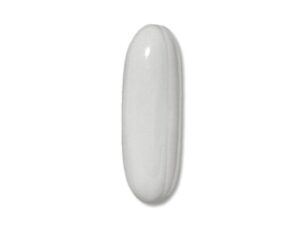
| Common form | Oral capsules (strength varies by product) |
| Typical use | Severe acne or acne that has not responded to standard treatments |
| Key safety focus | High risk of harm to an unborn baby; pregnancy prevention is essential |
In Australia, isotretinoin is a tightly regulated medicine due to its pregnancy risk and potential adverse effects. Availability may depend on specific formulations and distribution through authorised channels.
How Tretiva works (mechanism of action)
Isotretinoin reduces acne by targeting several factors that contribute to acne:
- Decreases sebum (oil) production by shrinking the oil glands.
- Helps normalise the shedding of skin cells inside pores, reducing blockage.
- Reduces inflammation associated with acne lesions.
- Can reduce the activity of acne-causing bacteria indirectly by improving the environment inside pores.
Because it affects multiple acne drivers, isotretinoin is often used when acne is severe, scarring, persistent, or resistant to other treatments.
Pharmacokinetics (how the body handles it)
Pharmacokinetics describes what happens to a medicine after you take it—absorption, metabolism, and elimination. While individual responses vary, the following points are generally relevant:
- Absorption: Isotretinoin is absorbed in the gut. Absorption improves when taken with food, especially meals containing fat.
- Metabolism: Isotretinoin is metabolised in the liver into active metabolites.
- Peak levels: Blood levels rise after dosing and then gradually decline as the medicine is processed.
- Half-life: The drug and metabolites are eliminated over days to weeks, which is one reason dosing schedules can be maintained as directed.
- Elimination: Metabolites leave the body mainly via the bile and faeces, and to a lesser extent through urine.
Your clinician may monitor laboratory tests (for example, liver enzymes and lipids) during treatment, as changes can occur due to isotretinoin’s effects on metabolism.
Typical use and timing
When it’s used
Tretiva is commonly prescribed for:
- Severe acne (such as nodular or inflammatory acne)
- Acne that causes scarring or has a high risk of scarring
- Acne that has not responded adequately to standard therapies
- Acne with significant psychological impact where clinicians judge benefit outweighs risk
How long treatment may take
Courses of isotretinoin are typically planned over several months. Many people notice:
- Early phase (first 2–6 weeks): Possible initial “flare” or increased breakouts may occur.
- Middle phase: Gradual reduction in new lesions and inflammation.
- Later phase: Continued improvement and fewer active spots.
The exact duration and dose are tailored to you, based on acne severity, tolerance, and clinical response.
When it’s taken during the day
Follow your clinician’s dosing schedule exactly. If your dose is prescribed once daily, take it at the same time each day. If it is prescribed twice daily, space doses as directed. Consistency helps achieve steadier exposure.
Food interactions: taking Tretiva with meals
Food can significantly affect isotretinoin absorption. A common recommendation is to take isotretinoin with a meal or immediately after eating. Taking it on an empty stomach may reduce absorption and could make treatment less effective for some people.
- Best practice: Take your capsule(s) with a main meal (for example, breakfast or dinner), as directed.
- Keep it consistent: Try to take doses with similar-sized meals each day.
- If you skip meals: Avoid taking the dose without food unless your clinician specifically advises otherwise.
If you have dietary restrictions or difficulty eating (for example, nausea), discuss practical options with your clinician.
Alcohol and medicine interactions
Alcohol
Alcohol can affect the liver and can worsen side effects such as elevated liver enzymes and lipid changes. During isotretinoin treatment, clinicians commonly advise limiting alcohol, particularly in higher amounts.
- Safer approach: Keep alcohol intake low or avoid it unless your clinician says otherwise.
- Report symptoms: Seek medical advice if you develop symptoms such as unusual fatigue, dark urine, yellowing of the skin/eyes, or severe abdominal pain.
Interactions with other medicines
Isotretinoin interacts with certain medications. Some combinations can increase the risk of serious adverse effects. Tell your clinician and pharmacist about all medicines and supplements you use, including vitamins, herbal products, and over-the-counter treatments.
Common interaction points to be aware of
- Other vitamin A or retinoid products: Avoid combining with additional vitamin A/retinoids, as toxicity risk increases.
- Tetracycline antibiotics (e.g., doxycycline, minocycline): Combination may increase risk of rare but serious raised pressure inside the skull.
- Systemic corticosteroids (e.g., prednisone): Use requires caution because of possible added effects on acne and other risks.
- Hormonal medicines: Contraception advice is critical due to pregnancy risk (see below).
- Other medications affecting liver or lipids: Your clinician may adjust monitoring or dosing.
This list is not exhaustive. Your pharmacist can also check interactions with your specific medicine regimen.
Indications (what it treats)
In clinical practice, isotretinoin is indicated for acne conditions where the risk of scarring or persistence is high, or where standard treatments have not worked. Depending on local prescribing criteria, indications may include:
- Severe nodular acne
- Acne resistant to conventional therapy (such as antibiotics and topical treatments)
- Acne with risk of permanent scarring
Clinicians may also consider isotretinoin for other acne patterns when benefits are judged to outweigh risks.
Dosing: what to expect
Dosing is individualised. The most appropriate dose depends on factors such as acne severity, body weight, tolerance, and treatment response. Capsules come in different strengths, so do not switch between strengths or brands without checking with your pharmacist.
General principles
- Use the exact dose prescribed.
- Take with food.
- Do not increase dose to “speed up” results. Higher doses may increase side effects without improving safety.
- If side effects occur: your clinician may adjust dose or supportive care.
Missed dose
If you miss a dose, take it when you remember only if it is close to the next scheduled dose time. If it is almost time for the next dose, skip the missed dose and continue as usual. Do not double up. If you are unsure, ask your pharmacist.
Duration
A typical course lasts several months. Some people require a longer course; others may require adjustments. Because isotretinoin accumulates in the body and treatment effect continues after the end of therapy, clinicians sometimes plan target cumulative exposure.
Safety profile: important risks and what to monitor
Isotretinoin has a well-known safety profile. Many side effects are manageable with good skin care and supportive measures. However, a few risks are serious and require prompt attention.
Most common side effects
- Dryness of lips (cheilitis) and cracking/irritation
- Dry skin and possible flaking
- Dry eyes, eye irritation, and sometimes blurred vision
- Dry nose and nosebleeds
- Skin sensitivity and increased sun sensitivity
- Muscle aches or joint discomfort
- Temporary changes in mood or energy (rarely severe; report any concerns early)
- Laboratory changes such as increased triglycerides or liver enzyme levels
Serious risks (seek urgent help if these occur)
- Pregnancy risk: Isotretinoin can cause severe birth defects. Exposure during pregnancy can be disastrous for the unborn baby.
- Signs of liver problems: yellow skin/eyes, severe abdominal pain, dark urine, persistent nausea/vomiting.
- Signs of pancreatitis: severe upper abdominal pain, sometimes with vomiting (this may be associated with high triglycerides).
- Severe headache, vision changes, or dizziness: could indicate increased pressure in the skull—especially if combined with interacting medicines.
- Severe skin reactions: widespread rash, blistering, or peeling skin.
Pregnancy prevention and contraceptive requirements
If you can become pregnant, isotretinoin requires extremely strict pregnancy prevention measures. Your clinician will advise on contraception and the timing of tests. The risk is highest if pregnancy occurs while taking isotretinoin or around the treatment period.
- Use reliable contraception as instructed.
- Follow required pregnancy testing schedules exactly.
- Do not share isotretinoin with anyone else.
Partners and family members should also be aware of the importance of pregnancy prevention.
Laboratory monitoring
Clinicians commonly monitor blood tests to check:
- Liver function (liver enzymes)
- Blood lipids (especially triglycerides)
- Other parameters depending on your health history
Monitoring frequency varies. Keep appointments and report any symptoms between tests.
Practical use tips (to make treatment easier)
Many isotretinoin side effects are related to dryness. With the right routine, most people can keep symptoms manageable.
Skin and lip care
- Use a bland moisturiser (fragrance-free if possible) 1–2 times daily.
- Choose gentle cleansers (avoid harsh scrubs and alcohol-based products).
- Apply lip balm frequently (especially before bed). Consider thick, emollient balms.
- Avoid waxing or aggressive facial treatments if your skin is very sensitive or fragile.
Eye and nose comfort
- Dry eyes: lubricating eye drops may help (ask a pharmacist which are suitable).
- Nose dryness: saline sprays and gentle moisturising of the nasal area can reduce discomfort and nosebleeds.
- Contact lenses: some people need to reduce wear if eyes become too dry.
Sun protection
Isotretinoin can make skin more sensitive to sunlight.
- Use broad-spectrum sunscreen with appropriate SPF daily.
- Wear protective clothing (hats, long sleeves) when outdoors.
- Avoid tanning beds.
Exercise and muscle/joint discomfort
- Stay active, but listen to your body.
- For aches: gentle stretching and hydration may help.
- Seek advice if pain is severe, persistent, or associated with weakness.
Acne flare expectations
Some people experience an “initial flare” early in treatment. This can improve over time. Don’t stop treatment without medical advice—discuss concerns with your clinician if the flare is severe.
Alternative options for acne
Treatment choice depends on acne type, severity, scarring risk, and past responses. Alternatives may include:
- Topical retinoids (for example, adapalene or tretinoin) for comedonal acne.
- Benzoyl peroxide to reduce bacteria and inflammation.
- Topical or oral antibiotics for inflammatory acne (typically for limited durations).
- Hormonal therapies (for some people where appropriate) to reduce androgen effects.
- Procedures such as chemical peels or laser/light treatments, depending on skin type and clinician judgement.
If isotretinoin is not suitable, your clinician can discuss other evidence-based options and a stepwise plan.
Market and legal context for Australia (overview)
Isotretinoin products are regulated medicines in Australia due to safety concerns. Prescribing and supply processes are designed to reduce risk, especially the risk of exposure during pregnancy. Regulations and guidance may involve:
- Careful screening of candidates for treatment.
- Mandatory pregnancy prevention measures for people who can become pregnant.
- Clinical monitoring and laboratory testing where required.
- Controlled medicine supply practices through authorised channels.
Requirements can change over time, and different formulations may have different availability. Your pharmacy can confirm the current status of supply for the product you need.
Recent guidance and important updates (what patients should know)
Clinical guidance for isotretinoin commonly emphasises:
- Strict pregnancy prevention and documentation (for people who can become pregnant).
- Limiting interacting medicines, particularly vitamin A/retinoids and certain antibiotics like tetracyclines.
- Monitoring of lipids and liver function according to local protocols.
- Education on dryness and sun sensitivity to improve comfort and adherence.
- Prompt reporting of red-flag symptoms (severe headache, vision changes, abdominal pain, rash, signs of liver problems).
Because recommendations can be updated, always follow the newest advice provided by your clinician and pharmacist.
Delivery and availability (Australia)
Availability of specific isotretinoin formulations can vary. Pharmacies in Australia typically supply authorised medicines and may require relevant patient information to ensure safe dispensing and adherence to safety requirements.
- Dispatch times: delivery timelines depend on stock availability and verification processes.
- Packaging: medicines are provided in tamper-evident packaging as per regulatory requirements.
- Cold chain: isotretinoin is generally stored at room temperature; follow the label instructions.
If you need Tretiva, contact the pharmacy to check stock status and expected delivery timeframes for your location.
FAQ
1) How quickly will my acne improve?
Many people see gradual improvement after the first few weeks, but full benefits often take months. An initial flare can occur early in treatment. Your clinician can help you judge whether your response is on track.
2) Why should I take Tretiva with food?
Food—especially meals containing fat—can improve absorption, which may help ensure the intended effect. Taking it on an empty stomach may reduce absorption. Follow the instructions on your label or from your clinician.
3) What are the most common side effects?
Dry lips, dry skin, dry eyes, nasal dryness/nosebleeds, and sun sensitivity are common. Many people manage these with moisturisers, lip balms, sun protection, and appropriate supportive products.
4) Can I drink alcohol while on isotretinoin?
Alcohol may increase liver-related risk and can worsen lipid changes. It’s generally advised to keep alcohol intake low or avoid it unless your clinician advises otherwise.
5) What medicines should I avoid?
Avoid additional vitamin A or retinoid products unless your clinician specifically directs otherwise. Be cautious with certain antibiotics (for example, tetracyclines) due to rare serious risks. Always check interactions with your pharmacist.
6) Can anyone take isotretinoin?
Not all patients are suitable. People who can become pregnant must follow strict pregnancy prevention measures because isotretinoin can cause severe birth defects. Your clinician will assess your medical history, current medications, and suitability.
7) Are lab tests required?
Many clinicians monitor liver enzymes and blood lipids during treatment. The exact schedule depends on your risk factors and local practice. Attend all monitoring appointments and report symptoms between visits.
8) What should I do if I get severe headache or vision changes?
Contact your clinician urgently or seek emergency care depending on severity. Severe headache, vision changes, or dizziness can indicate a rare serious condition, particularly if interacting medicines have been used.
9) Can I get pregnant soon after finishing Tretiva?
Pregnancy timing after isotretinoin depends on clinical guidance and the specific treatment course. Follow the instructions given by your clinician and adhere to required pregnancy prevention timelines.
10) Are there alternatives to isotretinoin?
Yes. Depending on acne type and severity, options may include topical retinoids, benzoyl peroxide, oral or topical antibiotics (where appropriate), hormonal therapies for some patients, and procedural treatments. Your clinician can recommend the best option for you.
Key reminders
- Take isotretinoin with food as instructed.
- Expect dryness and manage it early with moisturisers and lip/eye/nose care.
- Use strict sun protection.
- Avoid interacting medicines—ask your pharmacist to check your current list.
- Report red-flag symptoms promptly.
- If pregnancy is possible, follow all pregnancy prevention measures exactly as advised.