Adapalen (Topical Gel/Cream) — Patient Guide (Australia)
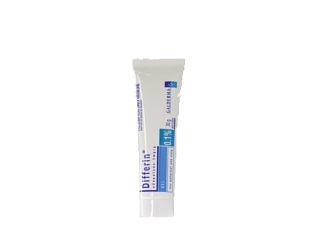
Adapalen is a medicine commonly used to treat acne. It belongs to the retinoid group and works on the skin to help prevent clogged pores and reduce inflammation. This guide explains how adapalene works, how to use it safely, what to expect, and how to manage common interactions—tailored for customers purchasing online in Australia.
Please note: product strengths, formulations, and availability may vary by brand and retailer. Always check the packaging and follow the directions provided with your specific product.
Quick product facts
| Category | Details |
|---|---|
| Active ingredient | Adapalene (topical retinoid) |
| Common forms | Gel or cream (strength depends on brand) |
| Typical condition | Acne vulgaris (blackheads/whiteheads, inflammatory acne) |
| How it’s used | Usually applied to the skin once daily, often at night |
| Key benefit | Helps clear blocked pores and reduces inflammation |
| Time to results | Improvement can take weeks; best results often after several months |
What is Adapalen?
Adapalen is a topical medicine used for acne. It is a retinoid that helps normalise the way skin cells shed inside pores. When pores don’t shed properly, dead skin can combine with oil, leading to clogged follicles, comedones (blackheads/whiteheads), and inflammation.
Adapalene is designed to be applied directly to affected areas, most commonly the face. Some people use it for chest or back acne if appropriate and if the product is suitable for those areas.
How adapalene works (mechanism of action)
Adapalene works in two main ways:
- Normalises keratinisation: It helps prevent the abnormal buildup of skin cells within pores, which reduces formation of comedones (clogs).
- Anti-inflammatory action: It can reduce inflammatory processes that contribute to redness and swelling in acne.
Over time, this improves the overall acne cycle—fewer new clogged pores form, and existing lesions gradually resolve.
Pharmacokinetics (how the body handles it)
When used as directed on intact skin, adapalene has minimal absorption through the skin. This means only a small amount typically enters the bloodstream.
- Absorption: Low systemic absorption after topical use.
- Distribution: Due to low absorption, systemic distribution is limited.
- Metabolism and elimination: Any absorbed amount is metabolised and cleared by the body, generally without the need for special monitoring in typical topical use.
Because systemic exposure is low, adapalene is generally well tolerated compared with oral retinoids. However, local skin irritation is still possible and should be managed carefully.
Typical use and indications
Adapalen is indicated for:
-
Acne vulgaris, including:
- Comedonal acne (blackheads and whiteheads)
- Inflammatory acne (red bumps, papules, pustules)
It may be used alone for mild to moderate acne or combined with other acne treatments, depending on your skin and the product plan from your healthcare professional.
When to use it (timing)
Most people apply adapalene once daily, often in the evening.
- Night-time use: Many people choose night because retinoids can increase sensitivity of the skin to irritants and sunlight.
- Consistency matters: Try to use it at the same time each day to build routine.
- Dry skin first: Apply to clean, dry skin to reduce irritation.
If you are new to adapalene, consider starting with a lower frequency (for example, every second night) to help your skin adapt, then increasing as tolerated.
How to dose adapalene (practical dosing guidance)
Dosing depends on the product strength and your skin area. Follow your packaging instructions. The common approach is:
- Amount: Use a thin layer over affected areas.
- Frequency: Usually once daily.
- Coverage: It is not necessary to apply to every patch of skin beyond affected areas; however, acne often forms in the “active” zones of the face, so a thin layer across the acne-prone area is often used.
- Avoid: Do not apply to eyes, eyelids, corners of the nose, mouth, or on broken/eczema-like skin unless advised.
A helpful way to measure is the “finger-tip unit” concept: apply enough gel/cream to cover the target area in a thin film rather than thick layers. Using too much does not necessarily work faster and may increase irritation.
Step-by-step: how to use adapalene safely
- Wash: Gently cleanse your skin with a mild cleanser. Avoid harsh scrubbing.
- Dry: Let skin become completely dry (wait a few minutes if needed).
- Apply: Apply a thin layer to acne-prone areas.
- Moisturise (if needed): You may use a moisturiser to reduce dryness. Some people moisturise before and/or after adapalene (“sandwich” method) depending on tolerance.
- Wash hands: Wash your hands after application.
- Protect skin: Use sunscreen in the daytime to help manage irritation and pigmentation risk.
If you miss a dose, apply it when you remember unless it’s close to the time of your next dose. Don’t apply extra to make up for missed applications.
Food interactions
Because adapalene is applied to the skin and is absorbed only minimally, food interactions are not typically expected.
There are no known clinically significant food interactions with topical adapalene when used as directed. However, if you use other acne medicines by mouth or other systemic treatments, those may have diet-related considerations—follow advice for those specific medicines.
Alcohol and medicine interactions
Alcohol is not known to directly interact with topical adapalene in a clinically meaningful way because the medicine acts locally on the skin.
However, alcohol can contribute to dryness and may worsen irritation or barrier damage for some people, especially if your skin is already sensitive from acne treatments.
For general safety:
- Avoid combining with other irritating topical products at the same time (e.g., very strong exfoliants or harsh cleansers), especially during the first weeks.
- If using other acne medications, introduce them carefully and one at a time if you’re sensitive.
- If you’re taking other retinoid-related medicines or skin therapies, confirm compatibility with a clinician.
Using adapalene with other acne treatments
Many acne regimens use adapalene alongside other products. The most common combinations include:
- Benzoyl peroxide: Often used to reduce acne bacteria and inflammation. Many people alternate schedules or use different layers to reduce irritation.
- Topical antibiotics: Sometimes used for inflammatory acne, typically for a limited period as directed in your treatment plan.
- Salicylic acid or other exfoliants: These can increase dryness and irritation when combined. If used, introduce slowly and monitor your skin.
If your skin gets very dry, red, or burning, pause adapalene temporarily and switch to a gentle routine with moisturiser and sunscreen until the skin settles.
What to expect: results timeline and “acne flare” considerations
Acne treatments often work gradually. With adapalene:
- First 2–4 weeks: Skin may feel dry or peel. Some people also notice minor changes in acne as clogged pores begin to clear.
- 4–8 weeks: You may begin to see fewer new lesions and reduced inflammation.
- 8–12+ weeks: More noticeable improvement often occurs with consistent use.
Early changes can include irritation and dryness rather than “worse acne.” True flare-ups are possible, but severe worsening, swelling, or intense burning is not expected and should prompt a review of your routine.
Safety profile and side effects
Like other topical retinoids, adapalene can cause side effects, mainly at the application site.
Common skin-related side effects
- Dryness
- Redness
- Peeling or flaking
- Itching or mild burning/stinging
- Skin sensitivity
Less common or more serious reactions
Seek medical advice promptly if you experience:
- Severe or persistent burning, swelling, or hives
- Intense dermatitis-like rash
- Signs of infection in affected areas (increasing pain, warmth, pus, fever)
Who should be extra cautious?
- Dry or sensitive skin: Start slowly and moisturise.
- Eczema or skin barrier problems: Avoid using on affected, broken, or inflamed skin unless advised.
- Frequent sun exposure: Use sunscreen and protective measures.
Practical use tips (to reduce irritation and improve success)
- Use a gentle cleanser: Avoid harsh scrubs and strong toners.
- Moisturise regularly: A bland moisturiser can improve comfort and adherence.
- Start slowly: Apply every second night for 1–2 weeks if you’re prone to irritation.
- Apply to dry skin: This reduces stinging and irritation.
- Avoid overlapping irritants: Try not to use exfoliating acids, strong cleansers, or abrasive products at the same time in the early period.
- Consider the “sandwich” method: Apply moisturiser first, then adapalene, then moisturiser again.
- Use sunscreen daily: Sun protection helps reduce irritation and unwanted dark marks.
- Don’t over-apply: Thicker application can worsen side effects without improving results.
Alcohol-containing products and skincare
While alcohol in beverages is not generally an issue with topical adapalene, alcohol-containing skincare products (such as some toners or aftershaves) may worsen dryness and irritation. If you notice stinging when using such products, consider switching to alcohol-free, gentle alternatives.
Alternative options for acne treatment
If adapalene isn’t suitable or you don’t achieve the results you want, several alternatives may be considered depending on acne type and severity:
- Other topical retinoids: Different formulations may suit different skin types.
- Benzoyl peroxide: Helps reduce acne-related bacteria and inflammation; often used for inflammatory acne.
- Topical salicylic acid (beta-hydroxy acid): Can help unclog pores and improve texture.
- Azelaic acid: May help with redness and post-acne marks and is often well tolerated.
- Oral therapies for more severe acne: If acne is persistent or severe, clinicians may discuss systemic options.
Your best option depends on your acne pattern (mostly blackheads vs mostly inflamed bumps), skin sensitivity, and how quickly you need improvement.
Market and legal context for Australia
In Australia, topical acne products containing medicines are generally supplied under categories set by the Therapeutic Goods Administration (TGA) and may be available through pharmacies and other channels depending on the exact formulation and strength.
Availability can differ between:
- OTC (over-the-counter) products for mild acne, where permitted
- Pharmacy-supplied medicines where pharmacists may provide guidance on appropriate use
- Restricted supply pathways for specific strengths or combinations
For online purchases, reputable Australian retailers typically ensure products are obtained from approved sources and comply with local labelling requirements. Always verify that the item you’re buying is a genuine Australian-labelled product with clear instructions.
Important: Do not use products that are expired, improperly stored, or missing essential label information.
Recent guidance and practical considerations
Acne care guidance commonly emphasises:
- Gentle skincare: cleanser, moisturiser, and sunscreen
- Gradual introduction: starting slowly to improve tolerance with retinoids
- Evidence-based combinations: pairing retinoids with benzoyl peroxide for certain acne patterns where appropriate
- Sun protection: to reduce irritation and pigmentation risk
While individual recommendations vary, the most consistent message from clinicians is that the best adherence comes from a routine that is comfortable enough to maintain long-term.
Delivery and availability (online pharmacy in Australia)
Product availability may vary by brand and stock. When purchasing online in Australia, you can typically expect:
- Secure packaging to protect gel/cream from heat and light.
- Delivery tracking depending on the retailer.
- Clear product labelling for strength, directions, and batch details.
If you have questions about suitability for your skin type or you need help choosing between similar products, many Australian pharmacies offer customer support.
Storage: Store at room temperature as directed on the product label, protect from excessive heat, and keep the container tightly closed.
FAQ — Adapalen in Australia
1) How long does it take to work?
Many people notice early improvement within 4–8 weeks, with more significant results after 8–12 weeks. Acne treatments often require ongoing use to maintain clear skin.
2) Should I use adapalene every night?
Most users apply once daily, but if you’re getting dryness or irritation, it’s often better to start every second night and increase gradually as tolerated.
3) Can I wear sunscreen?
Yes—sunscreen is strongly recommended. Sun exposure can worsen irritation and increase the risk of dark marks after acne. Choose a moisturising, non-comedogenic sunscreen if possible.
4) Can I use adapalene with moisturiser?
Yes. Using a gentle moisturiser often improves comfort and helps you stick with treatment. For sensitive skin, you can try moisturiser before and/or after adapalene.
5) What if my skin feels dry or burns?
Reduce frequency, switch to gentle cleanser and moisturiser, and avoid other irritants temporarily. Stop using adapalene and seek advice if symptoms are severe or worsening.
6) Can I shave or use makeup while using adapalene?
Shaving and makeup are usually fine, but make sure your skin is not aggressively irritated. Use gentle techniques and consider shaving at a time when you’re less likely to rub the product area. Remove makeup gently and moisturise.
7) Is adapalene safe for all skin types?
Many people tolerate it well, but sensitivity varies. If you have eczema or very reactive skin, start cautiously or seek advice before use.
8) Can I combine adapalene with benzoyl peroxide?
Often yes, but combination regimens can increase irritation. Many people alternate days or use one product in the morning and one at night. If you experience significant dryness, adjust gradually.
9) Does it affect the stomach or require dietary changes?
Because it is applied to the skin with low systemic absorption, stomach effects and diet changes are generally not expected.
10) Is alcohol a problem?
Alcohol in beverages is not typically a direct interaction. However, alcohol can contribute to dryness. Also be cautious with alcohol-containing skincare products that may irritate your skin barrier.
11) What should I avoid while using it?
Avoid applying to eyes, lips, and corners of the nose. Also limit other harsh exfoliants and irritating skincare during the initial adjustment period.
12) What if I become pregnant?
Retinoid medicines are typically approached with caution during pregnancy. If you are pregnant, planning pregnancy, or breastfeeding, seek advice promptly before continuing adapalene.
When to seek professional advice
Consult a healthcare professional if:
- You experience severe irritation, swelling, or an allergic-type reaction
- Your acne worsens substantially despite correct use
- You have scarring, painful nodules, or significant emotional distress from acne
- You’re considering long-term combination therapy or have complex skin conditions
Summary
Adapalen is a topical retinoid used for acne by helping prevent clogged pores and reducing inflammation. It is generally used once daily (often at night) and shows best results over several weeks to months. Because skin irritation can occur, success depends on careful application, gentle skincare, moisturising, and sun protection.
If you’re unsure which adapalene product strength or regimen suits your acne type, consider speaking with a pharmacist or clinician—especially if you plan to combine treatments or have sensitive skin.