Tretinoin (Isotretinoin) — Patient Information (Australia)
Important: Tretinoin is a well-known medicine name, but in everyday medicine use in Australia, “Tretinoin” most commonly refers to isotretinoin—a powerful treatment used for severe acne and related conditions. This page provides general patient-friendly information about isotretinoin, including how it works, how to take it safely, and what to expect.
Always follow the advice provided by your healthcare professional and the consumer information/pack information supplied with your medicine. If you have any concerns, contact a pharmacist or doctor.
Basic product information
| Category | Details |
|---|---|
| Medicine name | Isotretinoin (often referred to as “tretinoin” in common discussion) |
| How it works | Systemic retinoid (vitamin A–related medicine) |
| Common formulation | Oral capsules (strength varies by brand) |
| Typical duration | Often several months, depending on response and tolerability |
| Key safety focus | Severe birth defects risk in pregnancy; strong dryness/skin effects; possible blood test monitoring |
Who is it for? Isotretinoin is generally used when acne is severe, persistent, painful, scarring, or not adequately controlled with other treatments.
Mechanism of action (how isotretinoin works)
Isotretinoin reduces multiple causes of acne:
- Decreases sebum (oil) production: It shrinks and suppresses the oil glands, making the skin less oily.
- Normalises skin cell turnover: It helps prevent clogged pores by improving how skin cells shed inside follicles.
- Reduces inflammation: It can lower inflammatory signals that contribute to redness and swelling.
- Helps reduce acne bacteria activity: By changing the skin environment, it reduces the conditions that allow acne to flare.
Because it acts on several pathways at once, many people experience significant improvement and sometimes long-lasting remission after a course.
Pharmacokinetics (how the body absorbs and handles it)
Pharmacokinetics describes how the body absorbs, distributes, metabolises, and eliminates a medicine.
- Absorption: Isotretinoin absorption can vary between individuals. Taking it with food (especially a meal containing fat) can improve absorption.
- Distribution: It distributes throughout the body after absorption, including into skin tissues.
- Metabolism: Isotretinoin is converted in the liver to metabolites, including active forms (commonly discussed as part of the isotretinoin–retinoid pathway).
- Elimination: Metabolites are removed mainly through liver processing and excretion (often via urine and/or bile pathways).
- Half-life: The medicine and its metabolites persist for some time; this contributes to the gradual course-response.
Your response may start improving in the first few weeks, but full benefits commonly develop over a number of months.
Typical uses and indications
In Australia, isotretinoin is typically used for:
- Severe acne (e.g., nodulocystic or inflammatory acne).
- Acne that causes scarring or significant emotional distress.
- Acne that has not responded adequately to appropriate standard treatments.
- Some other severe or rare conditions related to abnormal keratinisation and/or oil gland function—your clinician will advise if isotretinoin is appropriate for your specific condition.
Not intended for mild acne where other options may be safer and sufficient.
How to take isotretinoin: dosing and timing
Dosing is individualised based on body weight, severity, treatment goals, and tolerability. Your clinician will decide the starting dose and any adjustments.
General dosing approach (overview)
- Initial dose: Often started at a dose chosen to balance effectiveness with side effects.
- Course dosing: Many regimens aim for a cumulative dose over the treatment period to improve the chance of long-term clearance.
- Adjustments: If side effects are significant, your clinician may reduce the dose or change how you take it.
Do not change your dose without medical advice.
Timing: take it with food
- Take with a meal: Most guidance recommends taking isotretinoin with food to improve absorption and reduce variability.
- Consistent routine: Try to take it at the same time each day.
- Swallow whole: Use as directed on the label (often capsules are swallowed whole).
If you miss a dose, follow the instructions provided by your healthcare professional or the product information. In general, taking a missed dose soon after is considered if it’s close to the scheduled time; if it’s near the next dose, skip the missed dose. Do not double up.
Food interactions
Food and absorption: Isotretinoin’s absorption may be improved when taken with a meal, particularly a meal that contains fat. Taking it on an empty stomach may reduce absorption for some people.
- Recommendation: Take with a meal (or as directed) rather than on an empty stomach.
- Consistency matters: Keep meals timing and meal size reasonably consistent day to day.
There are no “forbidden” foods for most people, but your clinician may advise dietary adjustments if you have issues such as elevated lipids (cholesterol/triglycerides) or liver enzyme changes.
Alcohol and medicine interactions
Alcohol
Alcohol can affect the liver. Since isotretinoin can also influence liver function and cause elevations in liver enzymes in some people, it’s generally advised to:
- Minimise alcohol: If you drink, keep it low and discuss with your clinician or pharmacist.
- Stop and seek advice: If you develop symptoms of liver irritation (such as unusual fatigue, dark urine, persistent nausea, or yellowing of the skin/eyes), contact a healthcare professional promptly.
Medicine interactions (common considerations)
Several medicines can interact with isotretinoin or increase the risk of serious side effects. It’s important to provide your pharmacist/doctor with a full list of medicines, including over-the-counter products and supplements.
- Tetracycline antibiotics: The combination may increase risk of raised intracranial pressure (a rare but serious condition).
- Other vitamin A or retinoid products: Combining with vitamin A supplements or other retinoids may increase risk of toxicity and symptoms of hypervitaminosis A.
- Hormonal/other acne treatments: Discuss co-treatments; some combinations may increase dryness or irritation.
- Antifungals and other liver-metabolised medicines: Since isotretinoin is metabolised in the liver, interactions may be possible depending on the medicine.
- St John’s wort and certain herbals: May affect metabolism of medicines; discuss before using.
Always check labels and consult a pharmacist before starting new medicines during isotretinoin treatment.
Safety profile: what to expect and when to seek help
Isotretinoin is highly effective for many people, but side effects are common because it affects oil glands and skin turnover. Most side effects are manageable with supportive care, but some require urgent attention.
Common side effects
- Dry lips (cheilitis): Often begins early; use a moisturising balm.
- Dry skin and peeling (especially hands, face, and around the nose).
- Dry eyes and eye irritation; some people benefit from lubricating drops.
- Sensitivity to sunlight: Increased risk of sunburn; use sunscreen and protective clothing.
- Dry nasal passages and occasional nosebleeds.
- Temporary acne flare: Some people experience a worsening in the first weeks.
- Muscle/joint aches (often mild to moderate; exercise tolerance varies).
- Headache or general tiredness may occur.
Possible changes seen in monitoring (your clinician may order blood tests)
- Lipids: Triglycerides and cholesterol may increase.
- Liver enzymes: Some people show changes that usually resolve after stopping.
- Other labs: Your clinician will decide which tests are appropriate for you.
Rare but serious side effects (seek urgent advice)
Contact a healthcare professional urgently (or emergency services if severe) if you experience:
- Severe headache with vision changes, nausea/vomiting, or dizziness (possible raised intracranial pressure).
- Severe mood changes, depression symptoms, or thoughts of self-harm—get immediate help.
- Severe allergic reactions: swelling of the face/lips, breathing difficulty, widespread rash.
- Signs of liver problems: yellowing of skin/eyes, dark urine, significant abdominal pain.
- Severe skin reactions: blistering, peeling, or ulcers in mouth/eyes/genitals.
Pregnancy and fertility-related safety
Isotretinoin can cause severe birth defects if taken during pregnancy. People who could become pregnant must follow strict pregnancy prevention measures as directed in Australia, including contraceptive guidance and scheduled pregnancy testing where required.
If you are pregnant, trying to conceive, or could become pregnant, discuss urgent options with your clinician before using isotretinoin.
Practical tips for using isotretinoin safely
Skin care: reduce irritation
- Gentle cleanser: Use a mild, non-scrub cleanser.
- Moisturise: Apply a fragrance-free moisturiser 1–2 times daily or as needed.
- Lip balm frequently: Use a bland moisturising balm and reapply often.
- Avoid aggressive exfoliants: Minimise scrubs, strong acids, or harsh peels unless your clinician advises.
- Shaving and waxing: Consider that skin may be more sensitive; follow professional advice for hair removal methods.
Sun protection is essential
- Broad-spectrum sunscreen: Use SPF 30+ (or as advised) and reapply.
- Protective clothing: Hats and sunglasses help protect sensitive skin and eyes.
- Avoid peak sun: Especially around midday.
Eye comfort
- Lubricating eye drops may help dryness (choose preservative-free if advised).
- Contact lenses: Some people find lenses uncomfortable; discuss with your optometrist if needed.
Physical comfort and exercise
- Stay hydrated and consider gentle stretching if you experience aches.
- Report persistent severe pain to your clinician.
Flare-ups and realistic expectations
- Early flare: A temporary worsening can happen, especially in the first few weeks.
- Give it time: Significant improvement usually takes weeks to months.
- Do not add harsh treatments without advice if the skin becomes very irritated.
Alternative options for severe acne (discuss with your clinician)
If isotretinoin isn’t suitable for you, other options may include:
- Topical therapies: retinoids (creams/gels), benzoyl peroxide, azelaic acid, or topical antibiotics depending on your situation.
- Oral antibiotics for moderate to severe inflammatory acne (usually limited duration with other agents to reduce resistance).
- Hormonal treatments for certain patients (often for acne related to hormonal patterns).
- Procedures such as extraction, drainage, steroid injections for individual inflamed lesions (specialised care).
- Other systemic options for specific cases—your clinician will advise what’s appropriate.
Your best choice depends on acne severity, scarring risk, previous treatments, skin type, and your medical history.
Market and legal context in Australia
Isotretinoin is a medicine with high-risk safety considerations, especially regarding pregnancy exposure and severe adverse effects. In Australia, availability and use are managed through medicines scheduling and prescribing/dispensing requirements designed to improve safety.
Key practical implications for patients may include:
- Strict pregnancy prevention strategies for people who can become pregnant.
- Structured monitoring (often including baseline and follow-up blood tests) depending on local guidance and your clinical history.
- Education and counselling at initiation and each review.
Your pharmacist can help explain what’s required for safe supply and what documentation/testing may be part of the process.
Recent guidance (general themes)
Across recent years, the overarching themes of acne retinoid safety guidance have included:
- Reinforcing pregnancy prevention measures.
- Continuing to emphasise laboratory monitoring when clinically indicated.
- Encouraging patient education on dryness management, sun protection, and interaction avoidance.
Your healthcare professional will use the latest locally approved product information and clinical guidance.
Delivery and availability (Australia)
Availability of isotretinoin can vary between brands and supply periods. When ordering through an online pharmacy, you can typically expect:
- Stock-dependent dispatch: Products may be dispatched once a supplier shipment is available.
- Payment and verification steps: Depending on the medicine’s scheduling and safety requirements, additional checks may occur before dispensing.
- Careful packaging: Medicines are usually sent in protective packaging with clear labelling.
Delivery times: Delivery depends on your location and courier service. At checkout, the site should show an estimated delivery window.
If your order is delayed or unavailable, the pharmacy should contact you with options such as equivalent brands (where permitted) or resupply timing.
Frequently asked questions (FAQ)
1) Is isotretinoin the same as “tretinoin”?
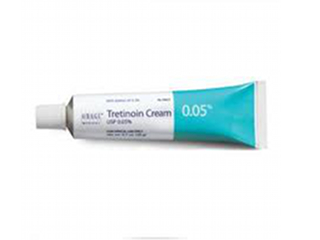
In acne discussions, “tretinoin” may be used loosely, but isotretinoin is taken by mouth (systemic). Tretinoin is also the name of a topical acne medicine (cream/gel). This page focuses on isotretinoin.
2) When will my acne improve?
Some people notice improvement within the first few weeks, but many experience the most significant changes after 6–12 weeks. Full improvement often takes several months. A temporary flare can occur early.
3) What should I do for dry lips and dry skin?
Use a bland, fragrance-free moisturiser and reapply lip balm frequently. Avoid harsh scrubs and strong exfoliating treatments. Sunscreen and protective clothing help reduce irritation.
4) Can I drink alcohol while taking isotretinoin?
It’s best to minimise alcohol and discuss your usual intake with your clinician or pharmacist. Alcohol may increase the risk of liver-related problems, and isotretinoin can also affect liver function in some people.
5) What medicines should I avoid?
Avoid starting new medicines without checking first. In particular, discuss combinations with: tetracycline antibiotics, vitamin A supplements, and other potential liver-metabolised medicines.
6) Do I need blood tests?
Many patients require monitoring of lipids and liver enzymes depending on local guidance and individual risk factors. Your clinician will tell you exactly what’s needed for your situation.
7) Is it safe to use sunscreen and moisturisers?
In general, yes—sunscreen and moisturisers are usually encouraged to manage irritation and reduce sun sensitivity. Choose gentle, non-irritating products.
8) Can I donate blood while on isotretinoin?
Rules differ by organisation and product information. If you plan to donate blood, ask your local blood service for their current policy.
9) What if I miss a dose?
Follow the instructions provided by your healthcare professional or the product information. Generally, do not double up to make up for a missed dose.
10) When should I seek help urgently?
Seek urgent advice if you experience severe headache with vision changes, symptoms of severe allergic reaction, severe skin blistering/peeling, signs of liver problems, or significant mood changes.
Final notes
Isotretinoin can be life-changing for people with severe acne, particularly when acne causes scarring or has not responded to other treatments. With careful dosing, supportive skin care, strict avoidance of risky interactions, and appropriate monitoring, many people manage side effects effectively.
If you have questions about suitability, timing with food, managing dryness, or drug interactions, your pharmacist can help you find safe options and understand your product information.