Tobramycin and Dexamethasone: Patient Information (Australia)
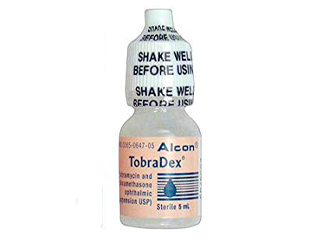
Tobramycin and dexamethasone is a combination medicine used for certain eye and ear conditions where bacterial infection and inflammation may occur together. It contains two active ingredients:
- Tobramycin – an antibiotic belonging to the aminoglycoside group
- Dexamethasone – a corticosteroid that helps reduce inflammation
This page explains what the medicine does, how it works, typical uses, how to take it safely, and what to consider in everyday life.
Quick Product Summary
| Feature | What to expect |
|---|---|
| Active ingredients | Tobramycin + Dexamethasone |
| Medicine type | Antibiotic + corticosteroid combination |
| Common forms | Eye drops, eye ointment, ear drops (depending on the product brand) |
| Main purpose | Treat bacterial infection with inflammation in the eye/ear |
| Key safety considerations | Do not use longer than recommended; possible steroid-related eye pressure increases and masking of infection |
| How it’s usually used | Applied locally to the affected area at set intervals |
How Tobramycin and Dexamethasone Work (Mechanism of Action)
This combination is designed to tackle two different processes at the same time:
- Tobramycin (antibiotic): Stops bacteria from making essential proteins, which slows or stops bacterial growth. It is particularly effective against many Gram-negative and some Gram-positive bacteria, depending on local susceptibility patterns.
- Dexamethasone (corticosteroid): Reduces inflammation by modulating immune responses. This can lower redness, swelling, itching or discomfort associated with inflammatory reactions.
Because dexamethasone reduces inflammation, it may improve symptoms quickly even while the antibiotic is working to control the infection. It’s important to use the medicine exactly as directed and complete the recommended course.
Typical Uses and Indications
Tobramycin and dexamethasone combination medicines are commonly used in eye or ear conditions where both infection and inflammation are present. Exact indications depend on the specific product and formulation (eye vs ear).
Common eye indications (examples)
- Bacterial conjunctivitis with associated inflammation (when appropriate for local guidelines)
- Blepharitis or keratitis in selected cases where bacterial infection and inflammation coexist
- Post-procedural or post-trauma inflammatory conditions where a bacterial component is suspected/expected
Common ear indications (examples)
- Infective otitis externa with inflammation
- Situations where the ear canal is inflamed and bacterial infection is likely
Important: Steroids can worsen certain viral or fungal infections, so it’s essential that the underlying cause is appropriately assessed. If symptoms are severe or not improving, seek urgent medical advice.
Pharmacokinetics (How the Body Handles It)
Because tobramycin and dexamethasone are typically used as local eye or ear preparations, systemic absorption is usually limited. However, absorption can vary depending on factors such as the site of application, tissue condition, and duration of use.
General points
- Absorption: Most effect is local. Small amounts may enter the bloodstream.
- Distribution: If systemic absorption occurs, ingredients can distribute throughout the body in small amounts.
- Metabolism: Dexamethasone is metabolised by the liver.
- Excretion: Both ingredients are ultimately eliminated from the body, mainly through metabolism and excretion pathways.
Why this matters: Even with local medicines, prolonged use or damaged tissues may increase systemic exposure. It’s one reason why you should not exceed recommended duration.
Dosing and Timing (What “Typical Use” Looks Like)
Dosage depends on the condition, the affected site (eye vs ear), the product strength, and the severity of symptoms. Always follow the instructions supplied with your specific product.
General guidance for timing
- Local medicines are often given at frequent intervals initially, then reduced as symptoms improve.
- Even if symptoms improve quickly, continue for the full recommended course.
- Try to space doses evenly (for example, morning–afternoon–evening).
Practical timing example (for illustration only)
Some regimens commonly start with more frequent dosing (e.g., several times daily), then taper. Your product instructions may differ, so use your label or pharmacist/doctor advice.
If you miss a dose
- Apply it as soon as you remember unless it’s close to the next dose.
- Do not use extra amounts to “catch up”.
- Seek advice if you miss multiple doses or symptoms worsen.
Food Interactions
Food interactions are generally not expected for eye/ear topical preparations because absorption into the bloodstream is usually low. However, your overall health and any other medicines you take may still influence how you respond.
If your product is used as an eye drop/ointment or ear drop, there is usually no need to coordinate with meals. If you are unsure, speak with a pharmacist.
Alcohol Interactions and Caution
There are typically no direct alcohol interactions expected with local tobramycin/dexamethasone preparations. However, some considerations still apply:
- General medication safety: If you are taking other medicines for pain or infection, alcohol may interact with those medicines.
- Recovery and safety: Alcohol can affect judgement and may increase the risk of eye irritation or poor hygiene with topical use.
If you’re taking other medications or have liver-related conditions, ask a pharmacist for personalised advice.
Medicine Interactions (Other Medicines)
For topical use, significant interactions are uncommon, but a few safety considerations are worth noting:
- Other eye/ear products: Keep at least several minutes between different eye/ear drops unless your healthcare professional says otherwise. Ointments may come later in the sequence.
- Systemic corticosteroids or immunosuppressants: If you use steroid medicines elsewhere (e.g., tablets), the combined effect may increase risk of side effects.
- Other antibiotics: Combining with additional antibiotics may not be necessary and can increase side effects in some cases.
- Glaucoma medicines: Steroids can raise eye pressure in some people; if you have glaucoma or are at risk, inform your clinician.
Tell your pharmacist about all medicines you use, including eye drops, ear drops, vitamins, herbal supplements and over-the-counter products.
Safety Profile and Side Effects
Like all medicines, tobramycin and dexamethasone can cause side effects. Many people experience none or only mild effects, but you should know what to watch for.
Common or mild side effects
- Temporary irritation (stinging or burning after application)
- Redness or mild discomfort
- Tearing (eye use)
- Dryness or a sensation of something in the eye
- Itching around the application area
- Ear canal discomfort (ear use)
Seek urgent medical advice if you notice
- Severe pain in the eye/ear
- Sudden or worsening vision changes (eye use)
- Allergic reaction such as swelling of face/lips, difficulty breathing, or widespread rash
- No improvement after a few days or symptoms worsening despite use
Steroid-related risks (dexamethasone)
Dexamethasone is a corticosteroid. With steroid-containing eye medicines—especially if used longer than recommended—there are additional potential risks:
- Increased intraocular pressure (IOP): can lead to optic nerve damage if untreated.
- Cataract formation: more likely with prolonged use.
- Delayed healing: steroid may slow tissue repair.
- Masking infection: symptoms may improve while the underlying cause persists.
- Worsening viral infections: steroid can aggravate herpes simplex virus in the eye.
If you have a history of glaucoma or are using other steroid medicines, discuss monitoring with your clinician.
Antibiotic-related considerations (tobramycin)
- Allergy/sensitivity: rare but possible.
- Overgrowth of non-susceptible organisms: prolonged use can lead to resistant bacteria or fungal overgrowth.
Practical Use Tips (How to Apply Correctly)
Correct application helps the medicine work better and reduces contamination risk. The steps below are general and may vary slightly by product and whether it is an eye drop, eye ointment, or ear drop.
Eye application tips
- Wash your hands before and after using the medicine.
- Avoid touching the tip of the bottle to the eye or eyelids. This reduces contamination.
- Use the correct technique: gently pull down the lower eyelid to create a small pocket. Place the prescribed number of drops into the pocket.
- Close the eye gently for 1–2 minutes. Avoid rubbing.
- Remove excess with clean tissue if needed.
- If using other eye medicines, keep the timing spacing recommended by your pharmacist.
Ear application tips
- Wash hands.
- Clean the outer ear only as directed; do not insert objects into the ear canal unless advised.
- Warm the bottle in your hands if it feels uncomfortable when cold.
- Lie with the affected ear up and follow the product instructions for number of drops and posture. Keep the head tilted for a short period to help drops reach the canal.
- Wipe away any excess from the outer ear.
Contact lenses (eye use)
Some eye infections and steroid-containing drops may not be suitable for use with contact lenses. As a general precaution:
- Remove contact lenses before use unless your product instructions specifically allow their use.
- Ask your pharmacist when it’s safe to restart contact lenses after treatment.
How Long to Use It and When to Reassess
Steroids may carry risks if used too long. For this reason, these combinations are usually used for a limited period to control the infection and inflammation.
- If symptoms don’t start to improve within the expected timeframe, contact your healthcare professional.
- If symptoms improve but you are still instructed to continue, follow the course length carefully.
- Do not use the medicine beyond the recommended duration unless reviewed.
Who Should Take Extra Care?
- Glaucoma or ocular hypertension: steroid-containing drops may increase eye pressure.
- History of viral eye infections (e.g., herpes): corticosteroids may be harmful.
- Fungal or atypical infections: steroids can worsen them.
- Children: dosing and suitability must be determined based on age and formulation.
- Pregnancy/breastfeeding: discuss risks and benefits with a clinician.
If you are unsure whether your symptoms fit the typical pattern for bacterial infection, it’s safer to get proper assessment.
Alternative Options (What Might Be Used Instead)
Depending on the exact diagnosis (and whether infection is present), alternatives may include:
- Antibiotic-only eye/ear drops (if inflammation is not the primary issue)
- Anti-inflammatory-only treatments (e.g., non-steroidal options) in selected inflammatory conditions
- Antiviral or antifungal medicines if a viral or fungal cause is identified
- Supportive care such as lubricating drops, hygiene measures, and pain control
The “right” alternative depends strongly on the cause of symptoms. Using a steroid combination when the underlying cause is not bacterial can delay recovery.
Market and Legal Context for Australia
In Australia, medicines are regulated under the Therapeutic Goods Administration (TGA). Whether a product can be supplied without a prescription depends on its classification (e.g., different categories and scheduling). Many antibiotic/steroid combination products used for the eye or ear are restricted to ensure appropriate diagnosis and safe use.
Online pharmacies in Australia typically follow legal and regulatory requirements for supply, including identity verification, medication access rules, and appropriate screening questions.
If you need the correct product for your condition (eye vs ear, drops vs ointment), choose a listing that matches your symptoms and the instructions on the label.
Recent Guidance and Practical Safety Updates (General)
Ongoing clinical guidance continues to emphasise:
- Correct diagnosis: avoid steroid-containing treatment when viral/fungal causes are possible.
- Short courses: limit use duration to reduce steroid-related risks.
- Monitoring: consider eye pressure monitoring when steroid use is prolonged or when glaucoma risk is present.
- Hygiene: prevent contamination of eye/ear devices and maintain good application technique.
Local advice may vary based on product labels and clinician recommendations. Always check the specific instructions for your branded product.
Delivery, Availability and What to Expect (Australia)
Availability can vary by brand and formulation (eye drops, eye ointment, or ear drops). When ordering online in Australia, delivery timelines depend on stock, location, and the pharmacy’s dispatch process.
- Packaging: medications are supplied in original packaging with patient information.
- Cold chain: usually not required for typical eye/ear preparations, but check your product label.
- Storage: store as directed (commonly at room temperature, protect from heat; keep capped when not in use).
- Expiry: check expiry date before use.
If you are ordering for someone else, ensure the recipient understands application technique and safety warnings.
Storage and Handling
- Keep the bottle tightly closed.
- Avoid contamination of the nozzle/tip.
- Do not use after the expiry date printed on the packaging.
- If the product becomes discoloured or you notice unusual changes, stop using and contact your pharmacist.
FAQ: Tobramycin and Dexamethasone
1) What is tobramycin and dexamethasone used for?
It’s used to treat conditions—typically in the eye or ear—where bacterial infection and inflammation occur together. The antibiotic targets bacteria, while dexamethasone reduces inflammation.
2) How quickly should I feel better?
Some people notice symptom relief within a short time because dexamethasone can reduce inflammation. However, improvement may still take a few days, and complete recovery depends on the underlying cause. If you don’t improve within the expected timeframe, seek medical advice.
3) Can I use it if I think I have a viral infection?
Steroids can make some viral eye infections worse. Don’t assume every red eye or eye discomfort is bacterial. If you have a history of herpes simplex eye disease or symptoms suggest a viral cause (e.g., blisters, severe light sensitivity), seek prompt professional guidance.
4) Is it safe to use with contact lenses?
Often contact lenses should be removed during eye infections and possibly during treatment with steroid combinations. Check your product label or ask a pharmacist when you can resume contact lens use.
5) Will it interact with my other medicines?
Significant interactions are less likely with local eye/ear use, but it’s still important to tell your pharmacist about all medicines you use. Steroid-related issues may be relevant if you take other corticosteroids or have glaucoma risk.
6) Can I drink alcohol while using this medicine?
Direct alcohol interactions are generally not expected for topical eye/ear preparations. If you’re taking other medicines that may interact with alcohol, follow advice for those medicines instead.
7) What side effects should I watch for?
Common effects include temporary burning/stinging, redness, or irritation. Seek urgent help for severe pain, vision changes, allergic reactions, or worsening symptoms. Long-term steroid use can raise eye pressure, so don’t extend the course without advice.
8) Can I stop the medicine early if I feel better?
Follow the recommended course length. Stopping early may allow infection to return or persist while symptoms have improved. If you’re unsure, check with your pharmacist or clinician.
9) What if I miss a dose?
Use it as soon as you remember unless it’s near the next dose. Don’t use extra amounts to catch up. If you frequently miss doses or symptoms worsen, seek advice.
10) When should I seek urgent care?
Seek urgent medical attention if you have severe eye pain, rapidly worsening symptoms, significant vision changes, suspected allergic reaction, or if symptoms are not improving as expected.
Final Tips for Safe, Effective Use
- Use the medicine for the full recommended duration and avoid prolonging steroid use.
- Apply with clean hands and avoid contaminating the nozzle/tip.
- Don’t share your eye/ear medicine with others.
- Contact a pharmacist if you’re unsure about technique, timing, or whether your symptoms fit the intended use.
- If you have high risk conditions (glaucoma, previous herpes eye disease, immunosuppression), be extra cautious and seek advice promptly.
This information is designed to help you understand tobramycin and dexamethasone in everyday terms. Always refer to the product label and ask a healthcare professional or pharmacist if you have questions tailored to your condition.