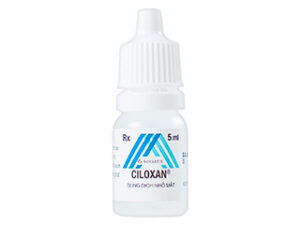

Ciprodex (Ciprofloxacin / Dexamethasone) Ear Drops — Patient Guide (Australia)
Ciprodex is a combination medicine used to treat certain inflammatory and infectious conditions of the ear. It contains: ciprofloxacin (an antibiotic) and dexamethasone (a corticosteroid that helps reduce swelling and inflammation).
This guide is written to help you understand how Ciprodex works, what it is used for, how to use it safely, and what to consider with other medicines and alcohol. Always follow the instructions provided with your product or by your healthcare professional.
1) Basic product information
| Product name | Active ingredients | Dosage form | Common use |
|---|---|---|---|
| Ciprodex | Ciprofloxacin + Dexamethasone | Otic (ear) drops | Infection and inflammation of the ear canal/middle ear (as advised) |
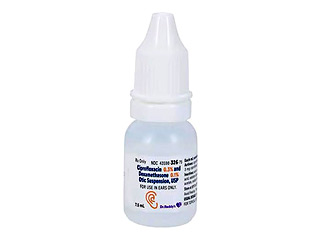
What it comes in: A bottle of ear drops with a dropper, designed for instilling medicine directly into the affected ear.
Where it is used: Typically for ear conditions where both infection control and inflammation reduction are needed.
2) How Ciprodex works (mechanism of action)
Ciprofloxacin (antibiotic component)
Ciprofloxacin is a fluoroquinolone antibiotic. It works by interfering with bacterial DNA processes, which are essential for bacterial growth and replication. In simple terms, it helps stop susceptible bacteria from multiplying, allowing your body to clear the infection.
Dexamethasone (anti-inflammatory component)
Dexamethasone is a corticosteroid. It reduces inflammation by lowering the production of inflammatory chemicals and calming immune responses in the affected tissue. This can help relieve symptoms such as swelling, redness, itchiness, and pain related to ear inflammation.
Why the combination matters
- Antibiotic action targets bacteria causing infection.
- Anti-inflammatory action reduces swelling that may worsen discomfort and impair healing.
- Together, they can improve both infection control and symptoms more effectively than an antibiotic alone in certain conditions.
3) Pharmacokinetics (what happens to the medicine in the body)
Because Ciprodex is used as ear drops, most of the medication acts locally in the ear. However, a small amount may be absorbed depending on the condition of the ear canal and whether the eardrum is intact.
Local action and absorption
- Local effect: Ciprofloxacin and dexamethasone act mainly within the ear tissues to treat infection and inflammation.
- Systemic absorption: When the medication is instilled into the ear, especially if the eardrum is not intact, absorption may be higher than with normal, intact-tympanic exposure.
Distribution, metabolism, and elimination (general principles)
- Distribution: Any absorbed drug may circulate in the bloodstream.
- Metabolism: Like other medicines, absorbed components may undergo metabolic processing in the body.
- Elimination: Drugs and metabolites are eventually cleared, predominantly via the kidneys and/or other pathways depending on the compound.
In routine ear-drop use, systemic exposure is often low, but patients should still use the product exactly as directed. If you have concerns (e.g., recurrent infections, ear surgery history, or persistent symptoms), seek medical advice.
4) What Ciprodex is used for (indications)
Ciprodex is generally used for bacterial ear infections with associated inflammation, where a combination antibiotic–steroid approach is considered appropriate. Common clinical scenarios may include:
- Otitis externa (inflammation/infection of the ear canal), particularly when significant inflammation is present
- Cases involving the middle ear/ear canal area as directed by a clinician, including situations where local therapy is needed
- Selected situations where symptoms (pain, swelling, discharge) suggest both infection and inflammation
Important note: Not all ear pain is caused by a bacterial infection. Other causes (e.g., viral infections, fungal infections, eczema/dermatitis, wax blockage, or trauma) require different treatment. If you are unsure, consult a healthcare professional for an accurate diagnosis.
5) When to use it (timing and duration)
The timing and duration depend on your specific condition and severity. Follow the schedule provided with your product or instructions from your healthcare professional. Typical patterns include:
- Start early: Using the drops as soon as advised can help reduce symptoms sooner.
- Consistency matters: Try to apply the drops at evenly spaced times to maintain effective local treatment levels.
- Finish the course: Even if you feel better, complete the recommended duration to reduce the chance of relapse.
Missed dose: If you miss a dose, apply it when you remember unless it’s close to the next dose. Do not double up.
6) How to take Ciprodex (practical use tips)
Proper technique helps the drops reach the affected area of the ear canal. Always wash your hands before and after use.
Step-by-step application
- Warm the bottle (optional): If drops feel cold, holding the bottle in your hand for a few minutes can make application more comfortable.
- Position yourself: Lie on your side or tilt your head so the affected ear faces upward.
- Prepare the ear: If there is visible discharge, follow clinician instructions about cleaning. Avoid inserting cotton buds deep into the ear canal.
- Instill the drops: Use the dropper to place the prescribed number of drops into the ear canal.
- Keep position: Stay with the head tilted for a short period (often around a few minutes) to allow the drops to spread. You may gently press the outer ear (pinna) as instructed to help distribution.
- Repeat if both ears: Use the same steps for the other ear only if advised.
- Replace cap and store properly: Close the bottle securely and store according to the label instructions.
Hygiene and safety
- Avoid letting the dropper tip touch your ear or fingers to reduce contamination.
- Do not share your ear drops with others.
- If a different bottle or medicine is used for children, ensure it is clearly labelled.
What to expect
- Some relief (less pain/swelling) may begin within 24–48 hours, but complete improvement can take longer.
- If symptoms worsen or do not improve within the expected timeframe, seek clinical advice.
7) Food interactions
Food interactions are not a major concern for Ciprodex ear drops because the medicine is applied locally to the ear rather than taken by mouth. Any systemic absorption is typically low when used as directed.
Still, follow your healthcare professional’s advice and maintain a normal balanced diet. If you are taking other medicines that require food (e.g., certain antibiotics or anti-inflammatory drugs), continue those as instructed.
8) Alcohol and medicine interactions
Alcohol
Because Ciprodex is used as ear drops, there is usually no direct interaction with alcohol. However, if you experience dizziness, nausea, or general unwellness from your infection or any other medication you are taking, alcohol may worsen how you feel.
If you have been prescribed oral medicines alongside Ciprodex, check their alcohol warnings (some medicines have specific restrictions).
Interactions with other medicines
Ear-drop medicines may have fewer interactions than tablets, but it’s still important to consider your overall medication list. Possible considerations include:
- Other otic products: Don’t mix or alternate ear drops unless instructed. If you use multiple ear preparations, ask a pharmacist about spacing and technique.
- Systemic corticosteroids or antibiotics: If you are using other medicines that contain similar drug classes, your clinician may monitor for increased side effects.
- Ear-specific devices: If you use hearing aids or ear plugs, ask when they can be used after applying drops.
Tell your pharmacist about all medicines you use, including over-the-counter products, ear drops, herbal remedies, and any recent antibiotics or steroids.
9) Dosing information (general guidance)
Dosing depends on the diagnosis, severity, and patient factors. Always use the exact dose on the product label or as advised by your healthcare professional.
Typical dosing pattern for adults and older children: Often involves instilling drops into the affected ear(s) multiple times daily. Your prescriber/pharmacist will specify the number of drops and how frequently.
Key points
- Use the exact number of drops prescribed.
- Do not stop early simply because symptoms improve.
- Do not use longer than advised because prolonged steroid exposure in the ear may increase risk of complications.
- Special populations: Dosing for children, people with perforated eardrums, or complex ear conditions should be individualized.
If you have questions about the dose you received, check the label carefully or speak to your pharmacist.
10) Safety profile and side effects
Most people tolerate Ciprodex well. As with all medicines, it can cause side effects. Because it is an ear drop containing both an antibiotic and a steroid, the safety considerations include local irritation and the general effects of corticosteroids/antibiotics (though systemic effects are usually limited with local use).
Common or mild side effects
- Temporary ear discomfort (mild burning, stinging, or irritation)
- Itching or mild redness
- Altered ear sensation shortly after instilling drops
- Dryness in the ear canal
Less common but important side effects
- Allergic reaction (e.g., rash, swelling, hives, breathing difficulty — seek urgent help)
- Worsening symptoms or lack of improvement
- Persistent discharge after treatment begins
- Yeast/fungal overgrowth (steroids can sometimes allow opportunistic organisms to flourish)
When to seek urgent medical help
- Severe pain or sudden worsening
- Signs of severe allergy: swelling of face/lips, difficulty breathing, widespread rash
- High fever or severe headache with neck stiffness
- Rapid loss of hearing or severe dizziness
Long-term considerations
Using corticosteroid-containing ear drops for too long or in the wrong condition can increase risk of complications. If symptoms persist, get reassessed rather than extending treatment on your own.
11) Conditions and precautions
- Eardrum status matters: Your ability to tolerate ear drops and the absorption level can depend on whether the eardrum is intact. Use only as advised for your specific ear condition.
- Do not use for non-bacterial causes: If the ear problem is fungal or due to dermatitis, Ciprodex may not be appropriate.
- Inform clinicians about ear surgery: History of ear surgery, tubes, or chronic perforations should be mentioned.
- Control contributing factors: Keeping the ear dry (when advised), avoiding trauma, and managing skin conditions can improve outcomes.
12) Alternative options (discuss with your pharmacist or clinician)
Alternatives depend on the cause of the ear symptoms. Your healthcare professional may choose other ear drops or treatments based on exam findings. Possible alternative approaches include:
- Antibiotic ear drops without steroid for cases where inflammation is mild
- Anti-fungal ear drops if fungal otitis externa is suspected
- Acidifying solutions or other otic preparations in selected cases
- Oral antibiotics if infection is severe, spreading, or not appropriate for local treatment alone
- Moisturising/anti-inflammatory treatment for skin conditions if eczema/dermatitis is the main driver
The “best” option depends on whether the problem is bacterial, fungal, inflammatory, or mixed. If your symptoms recur frequently, you may need evaluation for underlying triggers (skin conditions, water exposure, hearing aid wear, or anatomy).
13) Practical use tips for better outcomes
- Keep the ear dry: Unless your clinician says otherwise, avoid swimming and keep the ear protected during showering.
- Avoid cotton buds: They can worsen irritation and push debris deeper.
- Follow the full schedule: Symptom relief doesn’t always equal complete eradication.
- Don’t share: Ear infections can differ between people and may transmit bacteria.
- Track symptoms: Note pain level, discharge, and hearing changes to discuss with your clinician if not improving.
14) Market and legal context for Australia
In Australia, medicines are regulated under the Australian regulatory framework, which includes scheduling, labelling requirements, and supply rules. Products containing antibiotics and corticosteroids used in the ear are typically supplied based on clinical need and the product’s scheduling category.
Availability may vary by brand, formulation, and the current product listings with Australian regulators and suppliers. Your dispensing pharmacist can confirm whether a particular item is supplied directly, through specific channels, or with additional documentation required for your situation.
Prescription-free availability may not apply to all strengths or presentations depending on how the medicine is classified at the time of supply. Always check the product information and confirm with the pharmacist if you are unsure.
15) Recent guidance and how to stay up to date
Otitis externa and ear infections are often influenced by local resistance patterns and the correct identification of the cause (bacterial vs fungal vs inflammatory). Over time, clinical guidance has emphasized:
- Accurate diagnosis to avoid inappropriate antibiotic or steroid use.
- Review if not improving within a short timeframe rather than extending treatment automatically.
- Consideration of risk factors such as diabetes, immunosuppression, chronic ear disease, or prior ear surgery.
- Appropriate hygiene and ear-care measures alongside medication.
Because recommendations can evolve, it’s wise to follow current advice from your healthcare professional and the information on the product packaging.
16) Delivery, availability, and what to check before it arrives
Online pharmacies in Australia typically offer delivery options that may vary by state and suburb. Availability can depend on stock levels and supplier schedules.
- Check the label: Confirm the product name, strength, and intended ear (if specified).
- Check expiry date: Ensure the bottle has a future expiry date suitable for your course.
- Storage: Store as directed (commonly at controlled room temperature away from heat and moisture).
- Seal and integrity: Ensure the bottle cap is intact and the dropper is clean.
If you receive a medicine that doesn’t match what you expected (different product name or strength), contact the pharmacy promptly before use.
17) FAQ — Frequently asked questions
1. Is Ciprodex only for ear infections?
Ciprodex is designed to treat conditions where both infection and inflammation are present in the ear. Ear pain can have many causes, so an examination is important if symptoms are unusual, severe, or persist.
2. How soon will I feel better?
Many people notice symptom improvement within 1–2 days, but full recovery may take longer. If there is no improvement within the expected period (as advised by your clinician), contact your pharmacist or doctor.
3. Can I use Ciprodex if I have a perforated eardrum or ear tubes?
This depends on your specific condition and the product’s intended use for your type of ear issue. Tell your healthcare professional about any perforation, tubes, or surgery history so the treatment plan can be appropriate.
4. Can I swim or get the ear wet while using Ciprodex?
Often, keeping the ear dry helps healing, especially for otitis externa. Your clinician can advise whether water exposure is safe for your situation.
5. What should I do if the ear drops sting?
Mild, brief stinging can happen. If the sting is severe, persistent, or associated with swelling or rash, stop using the drops and seek advice urgently.
6. Can I use Ciprodex with other ear drops?
Don’t mix products unless instructed. If you need multiple treatments, ask your pharmacist about the correct order and timing to avoid dilution or reduced effectiveness.
7. Does Ciprodex interact with alcohol?
Because it is used as ear drops, direct alcohol interaction is unlikely. However, alcohol may still worsen general symptoms or interact with any other medicines you are taking orally. Check the warnings of your other medicines.
8. Is it safe to use Ciprodex in children?
Use in children should follow age-appropriate dosing and an assessment of the child’s ear condition. Ask a pharmacist or clinician if you’re unsure about suitability and dosing for your child.
9. What if my symptoms return after finishing Ciprodex?
Recurrent symptoms may indicate the original cause wasn’t fully treated, or that another condition (e.g., fungal infection, dermatitis, or an underlying trigger) is involved. Seek a review rather than repeating treatment automatically.
10. Can I stop early because I feel better?
It’s usually best to complete the recommended course. Stopping early can increase the risk of symptoms returning. If side effects occur, contact your pharmacist or clinician for guidance.
18) Summary
Ciprodex (ciprofloxacin/dexamethasone) ear drops combine an antibiotic and an anti-inflammatory steroid to help treat selected ear infections with significant inflammation. When used correctly—using the right dose, at the right times, and for the recommended duration—many people experience symptom relief and recovery.
- Use locally in the ear as directed.
- Don’t extend treatment if symptoms persist—get reassessed.
- Maintain ear hygiene and avoid introducing debris into the ear canal.
- Discuss risk factors such as diabetes, immune issues, and past ear surgery.
If you have questions about how to use Ciprodex or whether it’s appropriate for your symptoms, speak with a pharmacist or healthcare professional.