

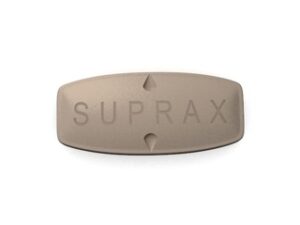
Bactrim (Trimethoprim) – Patient Information (Australia)
Bactrim is an antibiotic medicine used to treat certain bacterial infections. In Australia, the product most commonly referred to as “Bactrim” is a combination of: sulfamethoxazole + trimethoprim (often abbreviated as co-trimoxazole).
This page provides patient-friendly information about how Bactrim works, typical uses, how to take it safely, possible side effects, and practical tips. Always follow the specific directions given for your medicine.
At a glance
- Medicine: Bactrim (co-trimoxazole: sulfamethoxazole + trimethoprim)
- Type: Antibiotic (broad activity against many bacteria)
- Common forms: Tablets and oral suspension (depending on availability)
- Best for: Certain bacterial infections (e.g., urinary tract infections, some respiratory and skin infections)
- Key safety points: Risk of allergy and serious skin reactions in some people; may affect blood counts; can interact with other medicines
- Take note: Complete the full course even if you feel better
Basic product information
Bactrim contains two antibiotic components that work together: trimethoprim plus sulfamethoxazole. While the name “Bactrim” is often associated with the combination product, trimethoprim is one of the active ingredients.
Your pharmacist or packaging label will show the exact strength (e.g., per tablet or per 5 mL of suspension). If you are unsure, check your label before use.
Important: Bactrim does not treat viral infections such as colds or influenza.
How Bactrim works (mechanism of action)
Bactrim targets bacterial folate pathways, which are essential for bacteria to grow and multiply. The combination is designed for synergy:
- Sulfamethoxazole inhibits dihydropteroate synthase (in folate synthesis).
- Trimethoprim inhibits dihydrofolate reductase (another step in folate synthesis).
By blocking sequential steps, the medicine reduces bacterial production of folate-related compounds needed for DNA synthesis, helping stop bacterial growth.
Pharmacokinetics (what the body does to the medicine)
Pharmacokinetics describes absorption, distribution, metabolism, and elimination. Exact values can vary between people and formulations, but typical patterns include:
- Absorption: After oral dosing, both components are generally absorbed from the gut.
- Distribution: The medicine can distribute into many body compartments, including respiratory and urinary tract tissues.
- Metabolism: The components are partially metabolised in the body.
- Elimination: Primarily through the kidneys (urinary excretion), with some elimination via other routes.
Because elimination relies largely on the kidneys, dose adjustments may be needed in people with kidney impairment.
Typical use in Australia (indications)
Bactrim is used for a range of infections caused by susceptible bacteria. Common indications may include:
- Urinary tract infections (UTIs) in selected cases
- Some skin and soft tissue infections
- Respiratory tract infections in certain situations
- Other specific bacterial infections where the bacteria are known or likely to be susceptible
The suitability of Bactrim depends on:
- The suspected or confirmed bacteria
- Local antibiotic resistance patterns
- Your medical history (including allergies and kidney function)
- Other medicines you take
Your clinician may request a urine culture or other test to confirm the most appropriate antibiotic.
Timing: when to take Bactrim
How you schedule doses depends on the prescribed regimen. In general:
- Try to take doses at evenly spaced times across the day.
- Keep consistent timing to maintain effective antibiotic levels.
- If you miss a dose, take it when you remember unless it is close to the next dose—do not double up.
Finish the full course even if symptoms improve quickly. Stopping early can contribute to treatment failure and antibiotic resistance.
Food interactions and taking with meals
Bactrim can usually be taken with or without food. However, food may help reduce the chance of stomach upset.
- With food: often better tolerated, particularly if you experience nausea.
- Hydration: drink adequate fluids unless you have a fluid restriction due to another condition.
If you are taking the oral suspension, shake well (if directed on the label) and measure carefully with a proper dosing device.
Alcohol and medicine interactions
Alcohol
There is not a universally required “no alcohol” rule for Bactrim, but alcohol can worsen side effects such as:
- Nausea or stomach discomfort
- Dizziness or fatigue
- Reduced ability to hydrate
For best tolerance and recovery, consider limiting alcohol while you are unwell and taking antibiotics.
Medicine interactions (important)
Bactrim can interact with several medicines. Tell your pharmacist or doctor about all medicines you use, including over-the-counter products and supplements. Common interaction concerns include:
- Warfarin (and other blood thinners): may increase bleeding risk.
- Phenytoin: may increase risk of side effects.
- Some oral diabetes medicines or insulin regimens: may affect glucose control.
- Digoxin: levels may increase in some cases.
- ACE inhibitors (e.g., perindopril, lisinopril) or angiotensin receptor blockers (ARBs) (e.g., losartan): can increase risk of high potassium.
- Diuretics that affect potassium (e.g., spironolactone): may raise potassium further.
- Other medicines affecting bone marrow: can raise risk of blood count changes.
- Kidney function medicines: interactions may be more likely when kidney function is reduced.
If you are taking any regular medications, it’s especially important to review them before starting Bactrim.
Dosing: general guidance
Dosing varies by the infection type, age, kidney function, and formulation. The exact amount should be confirmed on your medicine label or by your clinician.
General principles (not a substitute for your label):
- Adults: dosing is typically based on the standard regimen for co-trimoxazole used for the specific infection.
- Children: dosing is usually weight-based and depends on the formulation.
- Kidney impairment: dose adjustments may be needed. Do not change dosing without advice.
- Duration: course length depends on the infection and response.
If you are unsure how many tablets to take or how much suspension to measure, ask your pharmacist. Accurate dosing is essential.
Safety profile and when to seek help
Like all medicines, Bactrim can cause side effects. Many are mild, but some can be serious. The most important safety topics are listed below.
Common side effects
- Nausea, indigestion, or stomach discomfort
- Vomiting or diarrhoea
- Headache
- Rash (mild skin changes can occur)
Serious side effects (seek urgent medical advice)
Seek urgent help if you develop any of the following:
- Signs of severe allergy: swelling of face/lips, wheezing, severe shortness of breath
- Severe skin reactions: blistering, peeling skin, mouth ulcers, or widespread rash with fever
- Severe or persistent diarrhoea, especially with blood or fever
- Unusual bruising, bleeding, or severe fatigue (possible blood-related effects)
- Yellowing of skin/eyes or dark urine (possible liver issues)
- Signs of kidney problems: reduced urination, flank pain, or severe dehydration
Who should take extra care?
- People with a history of sulfonamide (“sulfa”) allergy
- People with kidney disease
- People with known blood disorders or previous bone marrow suppression
- Older adults, particularly if dehydrated or taking multiple medicines
- People taking warfarin or other interacting medicines
- Patients requiring prolonged therapy (monitoring may be needed)
Pregnancy and breastfeeding (general information)
Antibiotic choices in pregnancy and breastfeeding require careful consideration. If you are pregnant, trying to conceive, or breastfeeding, discuss options with your clinician before starting any antibiotic.
Practical use tips (to get the best result safely)
- Take exactly as directed: don’t adjust dose or frequency on your own.
- Complete the course: stopping early may allow infection to return.
- Hydrate: adequate water helps support kidney clearance.
- Monitor your skin: stop and seek advice if a concerning rash develops.
- Watch diarrhoea: persistent diarrhoea can be a warning sign of a more serious gut reaction.
- Keep notes: if you have side effects, note timing, severity, and any other symptoms to discuss with your pharmacist or doctor.
- Use separate dosing tools: especially for liquid formulations, use the correct measuring syringe/cup.
Alternative options
If Bactrim isn’t suitable (for example due to allergy, intolerance, resistance patterns, or specific infection features), alternatives may include other antibiotics. The choice depends on:
- The infection site (urinary vs skin vs respiratory)
- Susceptibility results (if available)
- Local antibiotic guidelines
- Your allergy history and other conditions
Alternative antibiotics commonly considered for selected bacterial infections may include:
- Nitrofurantoin (commonly for certain UTIs)
- Amoxicillin/clavulanate (for some respiratory/skin infections)
- Cefalexin (for certain bacterial skin/urinary infections)
- Macrolides (e.g., azithromycin) for certain respiratory infections
- Other antibiotics based on culture results and clinical judgement
Only a clinician can decide the most appropriate alternative for your case.
Market and legal context for Australia
In Australia, antibiotics are regulated medicines. Access may involve interaction with healthcare professionals and adherence to national antimicrobial stewardship principles. Community prescribing is guided by Australian recommendations that aim to use antibiotics appropriately—choosing the right medicine, dose, and duration, and avoiding antibiotics when they are unlikely to help.
Antibiotic resistance is a major public health concern. Narrowing antibiotic use to infections where benefits clearly outweigh risks helps preserve effectiveness for future patients.
Availability of Bactrim formulations can vary by supplier and stock levels. Your pharmacy can confirm what’s currently available for home delivery.
Recent guidance and antimicrobial stewardship (Australia)
Australian antibiotic guidance generally emphasizes:
- Confirming bacterial infection when possible (e.g., urine testing, cultures)
- Choosing the most appropriate antibiotic with local resistance patterns in mind
- Using the shortest effective course to reduce side effects and resistance pressure
- Avoiding unnecessary antibiotics for viral illness
- Reviewing treatment if symptoms do not improve or worsen
If you don’t start to feel better within the expected timeframe, seek medical advice rather than extending antibiotics on your own.
Delivery and availability (online pharmacy)
Many pharmacies in Australia can deliver prescription and non-prescription medicines to eligible locations. Delivery speed and availability can depend on:
- Stock levels at dispatch
- Your location (metro vs regional)
- Courier service capacity
- Product formulation (tablets vs suspension)
When ordering, check:
- The listed strength and formulation match what you need
- Packaging details and expiry date
- Delivery time estimates and any refrigeration requirements (most tablet/suspension formats are not refrigerated, but confirm with your product)
If you require urgent supply, contact the pharmacy to discuss local options or alternatives.
FAQ: common questions about Bactrim
1) Is Bactrim the same as trimethoprim?
Bactrim is widely used as a brand name for the combination antibiotic co-trimoxazole (trimethoprim plus sulfamethoxazole). Trimethoprim alone is a different medicine. Always check your label for the exact ingredients and strength.
2) How long does it take to work?
Many people start to notice improvement within 1–3 days, depending on the infection. If symptoms are worsening, or you have no improvement after the expected period, seek medical advice.
3) Can I take Bactrim with food?
Yes. You can usually take it with or without food. Taking with food may reduce nausea.
4) What should I do if I miss a dose?
Take the missed dose as soon as you remember unless it’s close to the next dose. Do not take a double dose to make up for a missed one.
5) Can I stop early if I feel better?
Avoid stopping early unless a healthcare professional advises it. Completing the full course helps reduce the chance of recurrence and resistance.
6) Are there foods I should avoid?
There are typically no strict food bans. However, good hydration and taking with meals can support tolerance. If you have specific dietary needs or kidney disease, ask for personalised advice.
7) Is it safe with alcohol?
Alcohol may worsen side effects like nausea or dizziness. For best tolerance and recovery, keep alcohol limited while taking Bactrim, especially if you feel unwell.
8) Who should not use Bactrim?
You should avoid Bactrim if you have had a serious allergy to sulfonamide medicines. Extra caution is needed for kidney impairment, certain blood conditions, and when taking medicines with known interactions. Discuss your situation with a pharmacist or clinician.
9) What symptoms mean I should stop and get help?
Seek urgent advice for severe allergic reactions, blistering/peeling skin or widespread rash (especially with fever), severe diarrhoea, bleeding, yellow skin/eyes, or signs of kidney problems.
10) What if I’m on other medicines like warfarin?
Warfarin is a key interaction concern. Your clinician may monitor clotting more closely or choose an alternative antibiotic. Always disclose all current medications.
Summary table: key patient points
| Topic | What to know |
|---|---|
| What it is | Bactrim (co-trimoxazole): trimethoprim + sulfamethoxazole |
| What it treats | Specific bacterial infections where the bacteria are susceptible |
| How it works | Blocks bacterial folate pathway steps needed for growth |
| When to take it | Follow your dose schedule; evenly spaced times; complete the course |
| With food | Usually can take with or without food; with food may help nausea |
| Alcohol | Not always strictly forbidden, but can worsen side effects—limit intake |
| Major interactions | Warfarin, phenytoin, some diabetes medicines, digoxin, ACE inhibitors/ARBs, potassium-increasing medicines |
| Red flags | Severe rash, breathing/swelling allergy, persistent/severe diarrhoea, bleeding, jaundice, kidney issues |
| Kidney considerations | May require dose adjustment in kidney impairment |
Need more help? If you have questions about whether Bactrim is suitable for your infection, how to take it, or how it may interact with your medications, speak to a pharmacist or your healthcare provider.