Rifampin (Rifampicin) – Patient-Friendly Guide (Australia)
Rifampin (also known by its international non-proprietary name rifampicin) is an antibiotic used to treat a range of serious bacterial infections. It is well known for its effectiveness against certain germs, particularly Mycobacterium tuberculosis (the cause of tuberculosis), and for its ability to prevent the spread of some infections when used in specific regimens.
This guide is designed to help you understand how rifampin works, how it’s usually taken, what interactions to watch for, and how to use it safely. It also includes information relevant to people in Australia regarding availability, delivery, and current practical considerations.
Basic product information
- Medicine name: Rifampin (rifampicin)
- Type: Antibiotic (antituberculosis medicine)
- Common dosage forms: Oral capsules or tablets (brand/formulation varies)
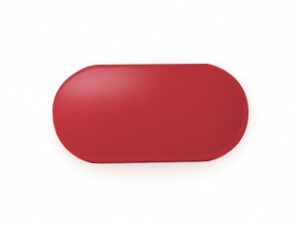
- Common visible effect: May turn urine, sweat, saliva, and tears orange-red
- Important note: Rifampin interacts with many medicines because it strongly affects liver enzymes
If you have been prescribed rifampin as part of treatment for tuberculosis or another infection, it is typically used with other medicines to improve outcomes and reduce resistance.
How rifampin works (mechanism of action)
Rifampin works by inhibiting bacterial RNA polymerase—an enzyme essential for the bacteria to make the RNA (genetic “messages”) they need to grow and multiply. Without RNA production, bacteria cannot survive.
Rifampin has strong activity against organisms responsible for:
- Tuberculosis (M. tuberculosis)
- Some non-tuberculous mycobacteria (depending on strain and regimen)
- Hank-like bacterial partners in combination therapy where it is used
Because rifampin can also be used in specific “preventive” or “post-exposure” settings (for example, to reduce spread), it may be included in regimens even when symptoms are not present.
Pharmacokinetics (how the body handles rifampin)
Pharmacokinetics describes absorption, distribution, metabolism, and elimination.
- Absorption: Rifampin is absorbed after oral dosing. Food can reduce absorption in some circumstances, so timing matters.
- Distribution: It penetrates many tissues, including lungs and some areas where mycobacteria may reside.
- Metabolism: Rifampin is metabolised in the liver and also induces liver enzymes.
- Enzyme induction: A major clinical feature is that rifampin induces cytochrome P450 enzymes and drug transport proteins. This can lower blood levels of many medicines.
- Elimination: Rifampin and its metabolites are eliminated mainly through the bile and urine.
Practical takeaway: because enzyme induction can take time and can persist for days, rifampin can affect other medicines both during treatment and shortly after stopping (depending on the medicine).
Typical uses and indications
Rifampin is used for a variety of indications. The exact regimen depends on the diagnosis, culture/susceptibility results, and local guidelines.
Common indications
- Tuberculosis (TB): Rifampin is a key first-line medicine for treating active TB, usually in combination with other drugs (such as isoniazid, pyrazinamide, and ethambutol depending on the phase of therapy).
- Prevention and treatment of certain exposures: In some situations, rifampin may be used to prevent infection in people who have been exposed to meningococcal disease or as part of selected regimens. (The specific medicine choice depends on the organism and patient factors.)
- Other mycobacterial infections: Depending on susceptibility and clinical circumstances, it may be included in regimens for certain non-tuberculous mycobacteria.
- Serious bacterial infections: Less commonly, rifampin may be used in combination therapy for specific susceptible infections (for example, infections involving biofilms or device-related scenarios, under specialist care).
Your clinician will determine the appropriate combination and duration. Rifampin is most effective and safest when used exactly as directed in the full regimen.
How to take rifampin: timing and practical use
When to take it
Rifampin is commonly taken as a single daily dose. The exact schedule depends on your condition and the formulation you have been given. Many people take it:
- Once daily, preferably at the same time each day
- On an empty stomach (commonly recommended for best absorption)
If your local prescribing instructions differ, follow your specific label directions.
Food interactions and best timing with meals
Food can reduce absorption of rifampin in some cases. To support consistent levels:
- Typical advice: Take rifampin at least 30–60 minutes before food, or 2 hours after food.
- If nausea occurs, discuss options with your pharmacist/doctor; sometimes the timing strategy can be adjusted.
Consistency is important. Sudden large changes in meal timing may change how much medicine gets absorbed.
What to do if you miss a dose
If you miss a dose, take it when you remember if it is close to the next dose. If it’s almost time for your next dose, skip the missed one and continue your usual schedule.
- Do not double up to make up for a missed dose.
- If you miss multiple doses or are unsure, seek guidance from your prescriber or pharmacist.
Dosing overview (general information)
Dosing depends on the indication, your age/weight, liver function, and how it is used in combination with other medicines. Below is a general dosing overview for educational purposes.
| Indication (examples) | Typical adult dosing approach | Key notes |
|---|---|---|
| Tuberculosis (active TB) | Often once daily in combination regimens; dosing is commonly weight-based in specialist protocols. | Treatment usually includes multiple drugs; duration depends on TB type and response. |
| Preventive regimens in specific exposures | Dose and duration vary by organism and protocol. | May be used alone or with other medicines depending on the situation. |
| Other mycobacterial infections | May be used as part of combination therapy. | Choice and duration depend on susceptibility testing and clinical factors. |
Because rifampin dosing is often tailored (especially for TB), it’s safest to use the exact dose on your label and any written instructions from your healthcare professional.
Alcohol and rifampin: important considerations
Rifampin can affect the liver. Alcohol also stresses the liver. Combining alcohol with rifampin may increase the risk of liver-related side effects.
- Best approach: Avoid or minimise alcohol while taking rifampin, especially if you have hepatitis, fatty liver, or other liver risks.
- If you drink alcohol, discuss a safe limit with your clinician.
- Seek urgent medical advice if you develop symptoms of liver problems (see Safety profile below).
Interactions with other medicines (including alcohol and common drugs)
Rifampin is a strong inducer of liver enzymes. This can lower the blood levels and effectiveness of many medicines. Interaction risks are one of the most important reasons rifampin requires careful review of your medication list.
Common interaction themes
- Oral contraceptives and hormone therapies: Rifampin can reduce effectiveness of some hormonal contraceptives (including combined pills, progestin-only pills, patches, rings) and may increase risk of unintended pregnancy.
- Anticoagulants: Warfarin and some other blood thinners may have reduced effect; clotting tests may need adjustment.
- Antiepileptics: Medicines like carbamazepine, phenytoin, and phenobarbital may interact, sometimes requiring dose changes.
- Antiretrovirals (HIV medicines): Several HIV treatments can be affected; dosing/selection may need specialist adjustment.
- Antifungals, antibiotics, and immunosuppressants: Some can have decreased levels leading to treatment failure.
- Methadone: Rifampin may lower methadone levels in some people, potentially affecting stability.
Medicines and supplements to discuss
Please inform your healthcare team about all medicines you take, including:
- Over-the-counter medicines (OTC)
- Herbal products (e.g., St John’s wort)
- Vitamins and minerals
- Any eye drops or topical medicines (even though most do not interact significantly, it’s still important to list them)
Food and beverage interactions
- Food: Can reduce absorption—see timing advice above.
- Grapefruit/juice: Not specifically required to avoid in all cases, but because rifampin affects drug metabolism, it’s sensible to ask a pharmacist if you use certain juices regularly.
Alcohol
- As above: avoid or minimise alcohol to reduce liver strain.
If you start or stop any other medicine during rifampin therapy, ask your pharmacist whether it could be affected.
Safety profile: side effects and warning signs
Most people tolerate rifampin reasonably well, but it can cause side effects. Some are common and manageable; others are rare but serious and require prompt medical attention.
Common side effects
- Orange-red body fluids: urine, sweat, tears, saliva (expected)
- Stomach upset, nausea, vomiting, abdominal discomfort
- Headache
- Decreased appetite
- Flu-like symptoms or fatigue (especially when starting)
Less common but important effects
- Liver effects: elevated liver enzymes or hepatitis-like symptoms
- Skin reactions: rash (report promptly)
- Blood changes: may rarely occur (your clinician may monitor if needed)
- Drug interactions: as described above, which may cause lack of effect or unexpected side effects from other medicines
Seek urgent medical help if you notice
- Signs of liver problems: yellowing of eyes/skin (jaundice), dark urine, severe tiredness, right-upper abdominal pain, persistent nausea/vomiting
- Severe allergic reaction: swelling of face/lips, trouble breathing, widespread rash or blistering
- Severe or persistent diarrhoea or severe abdominal pain
- Unusual bleeding or bruising
Monitoring during treatment
Depending on your condition and risk factors, your clinician may monitor:
- Liver function tests (especially if treatment is prolonged)
- Full blood count if needed
- Symptoms and adherence
- Drug levels or response where relevant (specialist cases)
Practical use tips (to improve comfort and results)
- Expect orange-red fluids: This is normal. It can stain contact lenses, some fabrics, and bathroom surfaces—consider using glasses instead of contact lenses if appropriate.
- Keep a consistent routine: Take it at the same time daily, with the recommended timing around meals.
- Support stomach comfort: If nausea occurs, discuss strategies with your pharmacist. Do not “change” timing drastically without advice.
- Check medication interactions early: Before starting rifampin, review all medicines (including herbal products).
- Avoid alcohol: Reduce liver stress and improve tolerability.
- Don’t miss doses: Missing doses can reduce effectiveness and increase resistance risk, especially in TB.
- Keep appointments: Follow-up checks are important for prolonged therapy.
Alternative options (what else may be used)
“Alternative” depends entirely on the infection being treated, culture results, local susceptibility patterns, and your individual health. For TB and other serious infections, rifampin is often one of several key medicines.
Examples of alternatives used in different regimens may include:
- Isoniazid, ethambutol, and pyrazinamide for TB (often in combination)
- Other antibiotics depending on the organism and severity
- Specialist alternatives if rifampin cannot be used due to allergies, intolerance, or interactions
If you’re experiencing side effects or have interaction concerns, speak to your clinician promptly. Switching therapy or adjusting the regimen should be done by a healthcare professional.
Market and legal context for Australia (and current guidance considerations)
In Australia, rifampin is a regulated antibiotic medicine and is supplied through standard pharmacy channels. Availability, prescribing requirements, and required checks depend on:
- The indication (e.g., TB treatment vs. other uses)
- Patient factors (liver disease, drug interactions, pregnancy considerations)
- Regulatory classification and dispensing rules applicable to the specific product
When antibiotics are used for infectious diseases such as TB, clinicians follow Australian public health and antimicrobial stewardship guidance, which emphasises:
- Appropriate multi-drug regimens where required
- Adherence to reduce treatment failure and resistance
- Monitoring for safety (especially liver function)
Your healthcare team may recommend additional checks based on recent local updates relevant to TB and infectious disease management, including surveillance and dosing adjustments in special populations.
Delivery and availability (Australia)
Online pharmacies serving Australia typically offer delivery of prescription medicines through licensed distribution and verified ordering processes. Delivery options may include standard and express postage, with tracking available in many cases.
- Availability: Stock levels can vary by brand and strength.
- Dispatch times: Typically depend on whether the item is held locally or needs to be sourced.
- Packaging: Medicines are usually supplied in original packaging with patient information and dosing details.
- Cold chain: Rifampin does not usually require refrigeration, but always follow the storage instructions on the pack.
For the most accurate delivery estimates, check the product page or your order confirmation. If a medicine is out of stock, most reputable services will provide alternatives or a restock timeline.
Recent guidance and practical updates to know
Because rifampin has significant interaction potential, many current practical recommendations focus on:
- Medication review: A structured interaction check before starting and when new medicines are added
- Safer contraception planning: Ensuring reliable contraception methods during rifampin therapy if hormonal contraception is used
- Monitoring liver health: Especially with prolonged use or existing liver risk
- Public health coordination: For TB and other communicable diseases, follow local instructions for treatment, follow-up, and infection control measures
If you’re starting rifampin, consider asking your pharmacist for a brief “interaction and monitoring checklist” tailored to your situation.
FAQ – Rifampin (Rifampicin)
1) Why does rifampin turn urine orange-red?
This is expected. Rifampin can tint body fluids orange-red. It can also stain contact lenses and some fabrics. This colour change does not usually mean your urine is abnormal.
2) Can I take rifampin with food?
Food may reduce absorption. Many people are advised to take rifampin on an empty stomach—commonly 30–60 minutes before food or 2 hours after meals. If you have ongoing nausea, talk to a pharmacist for a personalised plan.
3) Will rifampin interact with my contraceptive pill?
Rifampin can reduce the effectiveness of many hormonal contraceptives. Discuss reliable contraception options with your healthcare team before starting.
4) What happens if I miss a dose?
If it’s near the time of your next dose, skip the missed dose and continue your schedule. Do not double up. If you miss several doses, contact your pharmacist or prescriber for guidance.
5) Is alcohol safe while taking rifampin?
It’s best to avoid or minimise alcohol because both alcohol and rifampin can affect the liver. If you choose to drink, discuss safety and limits with your clinician.
6) How long does rifampin stay in my body after I stop?
Rifampin is eliminated within days, but its enzyme-inducing effect on other medicines may last longer than the medicine itself. For medicines with important dosing consequences (e.g., anticoagulants, hormonal therapies), it’s wise to re-check interactions even after stopping.
7) What should I do if I develop a rash?
A mild rash may be manageable, but any new rash while taking antibiotics should be reported promptly. Seek urgent care if you have signs of severe allergy (swelling, breathing difficulty, blistering, or widespread rash).
8) Can I take other medicines at the same time?
Some medicines can be taken together, but many will require adjustment. Always provide your pharmacist with a complete list of medicines and supplements so they can check interaction risks.
9) Does rifampin affect lab tests?
It may influence certain liver-related blood tests and can cause changes related to its effects on the body. Your clinician may monitor laboratory values during longer treatment courses.
10) What if I have liver disease?
Tell your healthcare provider before starting rifampin. You may need closer monitoring or an alternative regimen.
Summary
Rifampin (rifampicin) is an important antibiotic used for conditions such as tuberculosis and other specific infections, often as part of combination therapy. It works by stopping bacteria from making essential RNA, but it also strongly interacts with many medicines by inducing liver enzymes. For best absorption, it is often taken on an empty stomach, and it may turn body fluids orange-red—an expected effect. Because rifampin can affect the liver and interact with multiple medications, it’s essential to follow dosing instructions carefully and discuss all medicines and supplements with your pharmacist or healthcare provider.
If you have questions about timing, food, interactions, side effects, or what to do if you miss a dose, consult your pharmacist—supporting safe and effective use is the goal.