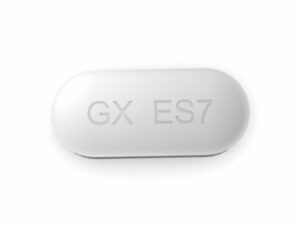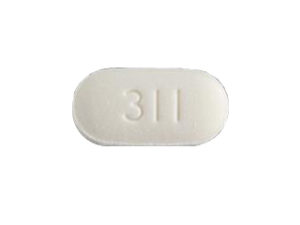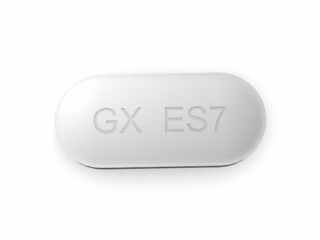


Ceftin (Cefuroxime) — Patient-Friendly Medicine Information (Australia)
Ceftin is the brand name for cefuroxime, an antibiotic used to treat a range of bacterial infections. This page explains how it works, what it’s used for, how to take it, key safety considerations, and practical tips to help you use it effectively.
Note: Always follow the specific instructions provided by your healthcare professional and the directions on the product label.
1) Basic Product Information
| Item | Details |
|---|---|
| Medicine name | Ceftin (cefuroxime) |
| Drug class | Cephalosporin antibiotic (beta-lactam) |
| Common formulations | Tablets and suspensions (available strengths vary by product) |
| How it’s used | Treatment of selected bacterial infections |
| Typical route | Oral (by mouth) |
What it does not treat: Ceftin is for bacterial infections. It does not work against viruses such as those that cause colds, flu, or most sore throats unless a bacterial cause is confirmed or strongly suspected by a clinician.
2) How Ceftin Works (Mechanism of Action)
Cefuroxime belongs to the cephalosporin family of antibiotics. It works by interfering with the way bacteria build and maintain their cell walls.
- Cell wall inhibition: Cefuroxime binds to bacterial proteins involved in cell wall construction.
- Result: Bacteria become unable to survive and multiply, leading to infection control.
Like other antibiotics in its class, its effectiveness depends on the infection being bacterial and on you taking it at the recommended dose and schedule.
3) Pharmacokinetics (What the Body Does to the Medicine)
Pharmacokinetics describes how the body absorbs, distributes, metabolises, and excretes a medicine.
- Absorption: Cefuroxime absorption can be affected by food, especially for some formulations.
- Distribution: It distributes into body tissues and fluids to reach sites of infection.
- Metabolism: Cefuroxime is not extensively metabolised.
- Excretion: It is mainly eliminated by the kidneys. Kidney function can influence dosing needs in some people.
Because it is cleared largely via the kidneys, dosing schedules may be adjusted in individuals with reduced renal function. If you have kidney disease, ask a clinician or pharmacist for advice.
4) Typical Uses and Indications
Ceftin may be used for various bacterial infections where cefuroxime is considered appropriate. Typical indications include:
- Respiratory tract infections (for example, certain cases of bronchitis, sinusitis, or pneumonia depending on local guidance and clinical assessment)
- Ear, nose and throat infections (e.g., otitis media, tonsillitis/pharyngitis when bacterial causes are suspected)
- Skin and soft tissue infections
- Urinary tract infections (UTIs) caused by susceptible bacteria
- Other infections determined by your healthcare professional
The exact choice of antibiotic depends on factors such as the likely bacteria, infection severity, your medical history (including allergies), and local antimicrobial resistance patterns.
Important: Do not use leftover antibiotics or use Ceftin for an infection that has not been assessed by a clinician. Using antibiotics incorrectly can worsen outcomes and contribute to antibiotic resistance.
5) Timing: How to Take Ceftin
The dosing schedule depends on the infection type, severity, and your age. Many regimens involve taking the medicine at set intervals each day.
- Try to space doses evenly (for example, morning and evening) to keep drug levels more consistent.
- Use a routine: set reminders so you don’t miss doses.
- Complete the course: even if you feel better, finishing the full prescribed/labelled course helps reduce the risk of relapse.
If you miss a dose, follow the advice provided by your pharmacist or the medicine information leaflet. In general, you should not double up to “catch up” unless instructed.
6) Food Interactions and Absorption (Do You Need to Take It With Meals?)
Food can affect how cefuroxime is absorbed for some formulations. As a general patient-friendly guide:
- Follow the label directions for your specific Ceftin product and strength.
- If your product instructions say “take with food”, do so—this can improve absorption and reduce stomach upset for some people.
- If your product instructions say “take after meals”, take it soon after eating rather than on an empty stomach.
Practical tip: If you commonly forget doses, choosing a meal-based schedule (such as after breakfast and after dinner) can help.
7) Alcohol and Medicines Interactions
Alcohol
Moderate alcohol is not typically listed as a direct interaction with cefuroxime for most patients. However, alcohol can:
- increase side effects such as dizziness or upset stomach,
- impair sleep and recovery during illness, and
- make it harder to maintain good hydration and nutrition.
For the safest approach while you are unwell, consider avoiding alcohol or keeping it minimal. If you have liver disease, or you drink heavily, speak with a healthcare professional.
Drug interactions (other medicines)
Interactions vary depending on your personal medication list. Common examples where extra caution or monitoring may be needed include:
- Probenecid: can affect kidney elimination of some antibiotics, potentially increasing antibiotic levels.
- Anticoagulants (blood thinners) such as warfarin: antibiotic changes can affect bleeding risk in some people. Monitoring may be required.
- Other nephrotoxic medicines: because cefuroxime is eliminated by the kidneys, your clinician may consider kidney safety with certain medicines.
- Oral contraceptives: while cefuroxime is not typically considered a classic high-risk antibiotic for pill failure, gastrointestinal upset (vomiting/diarrhoea) can reduce absorption of hormones. If you have vomiting or severe diarrhoea, use additional contraception advice from your healthcare professional.
Always tell your pharmacist or doctor about all medicines you take, including prescription medicines, over-the-counter products, vitamins, and herbal remedies.
8) Dosing Information (General Guidance)
Dosing depends on the infection being treated, your age, kidney function, and clinical judgment. The information below is general; your healthcare professional will provide the exact dose and duration appropriate for you.
- Adults: Typical regimens often involve dividing the daily dose into 2 doses per day (exact dose varies by product and indication).
- Children: Dosing is usually calculated based on weight and the infection type.
- Kidney impairment: Your doctor may adjust the dose or the dosing interval.
How to measure doses: If you are using a liquid suspension, use the dosing device provided (oral syringe or measuring cup) for accurate measurement.
Duration: Courses vary from a few days to longer depending on the condition. Completing the full course is important, even when symptoms improve.
9) Safety Profile: Common, Serious, and When to Seek Help
Like all medicines, Ceftin can cause side effects. Many are mild and improve as your body adjusts, but some require urgent attention.
Common side effects
- Nausea
- Diarrhoea (mild)
- Abdominal discomfort
- Headache
- Vaginal yeast infection in some people
Less common but important
- Rash or itching
- Changes in blood tests (only identified if tests are done)
Serious side effects (seek urgent medical help)
- Signs of an allergic reaction such as swelling of the face/lips/tongue, trouble breathing, or widespread hives.
- Severe or persistent diarrhoea, especially with blood or mucus, or with fever and abdominal cramps. This can rarely be associated with antibiotic-related colitis (for example, C. difficile).
- Severe skin reactions (blistering, peeling skin, or sores in the mouth).
If you develop severe symptoms, stop taking the medicine and seek urgent medical advice.
10) Practical Use Tips (How to Get the Best Results)
- Start at the right time: Take your first dose at the scheduled time so dosing intervals remain consistent.
- Take with food if recommended: This can improve absorption and reduce stomach upset.
- Stay hydrated: Especially if you experience mild diarrhoea.
- Don’t stop early: Stopping early can allow bacteria to regrow.
- Watch for allergy symptoms: If you’ve previously reacted to cephalosporins, antibiotics, or penicillins, discuss this with your pharmacist/doctor.
- Keep track of side effects: Note any rash, severe diarrhoea, or unusual symptoms and report them.
If you are taking multiple medicines, consider keeping a simple daily checklist (dose time and whether you took it).
11) Alternatives to Ceftin (Other Treatment Options)
Alternatives depend on the infection, the bacteria suspected, and your medical history. Your clinician may choose another antibiotic or, in some cases, non-antibiotic treatment.
Examples of alternative antibiotic classes that may be considered (not exhaustive):
- Other beta-lactams (e.g., amoxicillin or other cephalosporins depending on suitability)
- Macrolides (e.g., azithromycin or clarithromycin) for some respiratory infections
- Tetracyclines (e.g., doxycycline) for select infections
- Quinolones (in certain circumstances, with careful consideration of risks)
The best alternative is the one that matches the likely bacteria and your specific situation (including allergy history and kidney function). If you cannot tolerate cefuroxime or it’s not suitable, talk to a healthcare professional for an appropriate option.
12) Ceftin in Australia: Market and Legal/Regulatory Context
In Australia, antibiotic medicines are regulated to help ensure safe use and appropriate access. Availability and prescribing requirements may vary by product type and strength.
Key points for the Australian context:
- Antibiotics are monitored due to the importance of antimicrobial stewardship (using antibiotics appropriately to reduce resistance).
- Clinicians consider local and national guidance for infection management and resistance patterns.
- Packaging and labelling provide instructions that must be followed, including directions on timing and food.
- Pharmacies provide counselling to help ensure you understand how to take the medicine and what side effects to watch for.
If you have questions about suitability, allergies, or interactions, a pharmacist can help you check your medication list and explain correct administration.
13) Recent Guidance and Antibiotic Stewardship Notes
Current antibiotic practice emphasises:
- Right antibiotic, right dose, right duration for the suspected infection.
- Reducing unnecessary antibiotic use for conditions likely caused by viruses.
- Reviewing treatment if symptoms do not improve as expected.
If you are not improving after a reasonable time (often within 48–72 hours depending on the infection and severity), contact your healthcare provider. They may adjust treatment based on symptoms, exam findings, and/or test results.
14) Delivery and Availability (Online Pharmacy Information)
Availability may depend on local supply and the specific formulation (tablets vs suspension) and strength. When ordering online in Australia, you can typically expect:
- Order processing: Confirmation and packaging by the pharmacy.
- Dispatch: Delivery timelines vary by courier service and location.
- Cold chain: Usually not required for cefuroxime oral preparations, but follow product storage instructions.
- Product integrity: Medicines are supplied in original packaging with clear labelling.
For the best experience, ensure your delivery address details are correct and check that you can receive the parcel during the delivery window if required.
If you have urgent needs, speak with customer support or choose an express delivery option (if available).
15) Storage
- Store according to the label: Keep tablets or suspension in the original package.
- Temperature: Store at the recommended temperature range (commonly below 25°C for many products, but confirm your exact label).
- Keep away from moisture and heat: Use a cool, dry place.
- Suspension: If you have liquid Ceftin, check the label for reconstitution instructions and whether refrigeration is required.
- Keep out of reach of children.
16) FAQ (Frequently Asked Questions)
How long does it take for Ceftin to start working?
Many people begin to notice improvement within 1–3 days. However, this varies by infection and severity. If you’re not improving after 48–72 hours (or symptoms worsen), contact your healthcare provider.
Can I stop Ceftin early if I feel better?
It’s generally recommended to complete the full course unless your clinician advises otherwise. Stopping early can increase the risk of the infection returning or not fully clearing.
What should I do if I miss a dose?
If you miss a dose, take it when you remember unless it’s close to the next scheduled dose. Do not take a double dose unless specifically instructed by a pharmacist or clinician.
Can I take Ceftin with food?
Food instructions depend on your exact formulation. In many cases, taking cefuroxime with or after food can improve tolerability and absorption. Always follow the directions on your package.
Is it safe to drink alcohol while taking Ceftin?
Alcohol is not usually a direct interaction for cefuroxime for most patients, but it can worsen side effects and slow recovery. Keeping alcohol minimal or avoiding it during illness is the safer choice.
What if I have diarrhoea while taking Ceftin?
Mild diarrhoea can occur. Seek medical advice urgently if diarrhoea is severe, persistent, or contains blood/mucus, or if you have fever and significant abdominal pain.
What allergies should I tell my healthcare professional about?
Tell them about any previous reactions to:
- cephalosporins (including cefuroxime)
- penicillins or other beta-lactam antibiotics
- any medicine that has caused rash, swelling, wheezing, or breathing difficulty
Will Ceftin affect birth control pills?
Antibiotics can indirectly affect pill reliability if they cause vomiting or severe diarrhoea. If you have these symptoms, use additional contraception guidance from your healthcare professional.
What are common signs that I should seek urgent medical help?
Seek urgent help for severe allergic symptoms (swelling, trouble breathing, widespread hives) or severe diarrhoea (especially with blood or fever), or signs of serious skin reactions.
Can Ceftin be used for viral infections?
No. Antibiotics like cefuroxime do not treat viruses. Using them for viral illnesses can lead to avoidable side effects and resistance.
17) When to Contact a Pharmacist or Doctor
Contact a healthcare professional if:
- you have trouble tolerating the medicine (persistent vomiting, severe diarrhoea, significant rash)
- your symptoms do not improve within 48–72 hours
- you develop signs of allergy or a severe reaction
- you have kidney problems and are unsure whether your dose is appropriate
Your pharmacist can also help you check potential interactions with your current medicines and provide advice on taking Ceftin safely.
Disclaimer: This information is provided for education and general guidance. It does not replace personalised medical advice. If you have specific concerns about your condition, dose, or side effects, consult a qualified healthcare professional.