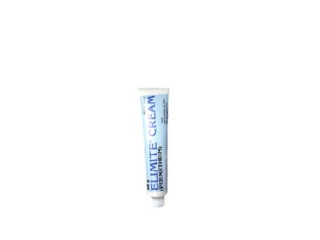

Elimite (Permethrin) Cream — Patient Guide (Australia)
Elimite contains permethrin, a medicine used to treat certain contagious skin infestations. It works by killing the parasites that cause problems such as scabies and head lice. This guide explains how it works, when to use it, what to expect, and how to use it safely and effectively.
Note: Skin infestations often spread through close physical contact. Treating the right people (and the right items) at the right time is key to successful outcomes.
1) Basic Product Information
- Brand: Elimite
- Active ingredient: Permethrin
- Medicinal form: Cream (commonly 5% permethrin for scabies)
- Medicinal group: Antiparasitic / insecticide for external use
- Common indications: Scabies and (depending on formulation) lice
- How it is applied: Applied to affected skin (or scalp in lice-specific products)
Because different strengths and formulations exist in different markets, always check the label strength and directions on the exact product you purchase.
2) How Elimite Works (Mechanism of Action)
Permethrin is a synthetic pyrethroid insecticide. It works by affecting the nervous system of the parasite:
- Disrupts sodium channels in the parasite’s nerve cells.
- This causes abnormal nerve firing, paralysis, and death of the infestation.
- It has fast-acting contact activity—the product must reach the parasite on the skin or hair/roots.
In scabies, correct application to all recommended areas is essential, including areas that may look normal.
3) Pharmacokinetics (What the Body Does to Permethrin)
When used as directed on the skin, permethrin absorption is generally low.
- Absorption: Limited systemic absorption through intact skin; absorption can be higher if the skin is inflamed or damaged.
- Metabolism: If any permethrin is absorbed, it is metabolised mainly in the body (including via liver pathways to inactive metabolites).
- Elimination: Excreted mostly through urine in metabolised form.
- Clinical implication: Because systemic absorption is typically low, most side effects are local skin reactions.
If you have widespread skin breakdown or use on large body areas, discuss any concerns with a health professional.
4) Typical Uses (Indications)
Elimite (permethrin) is commonly used for the following infestations:
- Scabies (mite infestation): An itchy skin condition caused by Sarcoptes scabiei. Symptoms often include intense itching (especially at night) and small bumps or rash.
- Head lice: Treatment depends on the exact permethrin product strength/formulation. Some permethrin products are for scalp use. Always confirm that your product is intended for lice.
Important: Scabies can be hard to detect early and can spread quickly in households, childcare, and close-contact settings. Treat close contacts as directed by local guidance and product instructions.
5) Timing and How Soon You’ll See Results
For scabies
- First application: Usually applied at night (often due to scabies activity and comfort with overnight contact).
- Repeat dose: Many scabies regimens include repeating the treatment about 7 days later to address newly hatched mites.
- Itching may continue: Itching can persist for 2–4 weeks even after mites are killed. This is often due to ongoing skin inflammation/allergic reaction, not necessarily treatment failure.
For lice (if your product is intended for this)
- Apply as directed to the scalp/hair and follow the required timing.
- You may need a second treatment and/or combing routine to manage remaining lice or newly hatched lice.
If itching or rash worsens significantly, new lesions appear rapidly, or no improvement occurs after the recommended course, seek advice.
6) Food Interactions
Because Elimite is used topically, it is not expected to have direct food interactions.
- No specific dietary restrictions are generally needed when using permethrin cream externally.
- However, if you develop a significant skin reaction or you’re unwell, follow general health guidance and talk to a clinician if needed.
7) Alcohol and Medicine Interactions
Alcohol: No specific alcohol interaction is expected with topical permethrin.
Other medicines: Systemic interactions are unlikely due to low absorption, but consider these points:
- If you use other topical products (creams, steroids, antiseptics) on the same skin area, ask a pharmacist how to space them.
- Avoid applying Elimite simultaneously with strong irritants or multiple competing topical treatments unless advised.
- If you are pregnant, breastfeeding, or treating infants, discuss timing and suitability with a pharmacist or clinician.
8) Dosing and Practical Use (Step-by-Step)
Always follow the directions on the packaging for the specific strength and condition being treated. The below is general scabies guidance commonly used for 5% permethrin cream, written to help patients understand the typical approach.
A) Scabies dosing (general guidance)
- Who applies: Usually the person with scabies and their recommended close contacts.
- Amount: Use enough cream to cover the skin from the recommended areas thoroughly (thin layer is usually not sufficient—coverage matters).
- When: Often applied overnight.
- How long: Leave on for the recommended contact time (commonly around 8–14 hours depending on product directions).
- Repeat: Often repeated after 7 days.
B) Practical application tips
- Timing the treatment: A night application is commonly recommended.
- Skin preparation: Use on clean, dry skin unless the product instructs otherwise.
- Coverage: Apply to all recommended areas, which commonly include:
- Hands and wrists
- Arms and legs
- Trunk and back
- Under fingernails and around nails (as directed)
- Groin and buttocks
- Between fingers and toes
- For some age groups, scalp/face may be included per local guidance
- Don’t forget: Areas may look less affected but can still contain mites.
- After the contact time: Wash off thoroughly with water and soap.
- Clean clothing/linen: Follow the product and local public health guidance for laundering items that touch the body around the time of treatment.
C) For lice (general guidance)
If your purchased permethrin product is for lice, follow the instructions on that specific label. Many lice regimens require:
- Applying product to the scalp/hair as directed
- Waiting the recommended time
- Rinsing out
- Using a fine-tooth comb to remove nits and dead lice
- Repeating treatment if instructed, often after about a week
If you’re unsure whether Elimite is the correct product for your suspected condition (scabies vs lice), check the label or ask a pharmacist.
9) Safety Profile and Side Effects
Most people tolerate permethrin cream well. Side effects are usually mild and local.
Common or mild side effects
- Skin irritation (burning/stinging sensation)
- Redness or mild rash
- Itching (may also reflect ongoing skin reaction)
- Dryness of skin
Less common but important reactions
- Severe skin irritation or worsening rash shortly after application
- Swelling (especially around eyes/lips)
- Breathing difficulties, wheezing, or signs of allergy
- Eye exposure can cause irritation—avoid contact with eyes and wash if it occurs.
When to seek urgent help
Seek urgent medical assistance if you develop signs of a severe allergic reaction such as:
- Difficulty breathing
- Face, tongue, or throat swelling
- Widespread hives or severe rash
If you experience severe local irritation, stop use and seek advice promptly.
10) Safety Considerations (Who Should Be Extra Cautious?)
- Infants and children: Follow age-specific guidance and packaging directions. Some conditions require specific application areas depending on age.
- Pregnancy and breastfeeding: Topical use is commonly considered acceptable when used as directed, but confirm suitability with a pharmacist or clinician.
- Broken or infected skin: Absorption may be higher; use only as directed.
- Avoid inhalation: Use externally only. Apply in a well-ventilated area.
- Avoid eyes and mucous membranes: Cover or avoid these areas unless instructed otherwise.
Keep out of reach of children and store at appropriate temperatures as stated on the pack.
11) Practical Use Tips for Best Results
Improve treatment success
- Correct coverage: Under-application is a common reason for ongoing infestation.
- Repeat as directed: Many scabies treatments require a second application to deal with newly hatched mites.
- Treat close contacts: If contacts are not treated, re-infestation is common.
- Manage bedding and clothing: Launder items used close to treatment time (as advised). Items that can’t be washed may need isolation/airing per guidance.
- Don’t confuse itching with failure: Persistent itching can be expected for some time after successful treatment.
What to expect after treatment
- Itching may persist while the skin settles.
- New lesions may appear during the initial period if eggs hatched after the first dose; repeat dosing helps address this.
- Improvement is usually gradual.
When to re-check your situation
Consider contacting a pharmacist or clinician if:
- There is no improvement after the full recommended course
- You suspect reinfestation due to untreated contacts
- Rash becomes infected (increasing pain, pus, warmth, or fever)
- Diagnosis is uncertain (e.g., eczema or other rash conditions can mimic scabies)
12) Alternative Options
Depending on the infestation, age, severity, and local guidance, alternatives may include:
For scabies
- Other topical scabicides (availability varies in Australia)
- Oral treatments in certain cases (a clinician would guide suitability and dosing)
- Supportive skin care for itching (e.g., soothing emollients; antihistamines may be considered for itch relief)
For head lice
- Dimeticone-based products (physical action products are used in some cases)
- Other insecticide options where appropriate
- Non-medicinal approaches: wet combing and/or careful nit removal, often used alongside medicated treatments
Choosing alternatives can be important if you have had treatment failure, intolerance, or concerns about resistance. A pharmacist can help compare options.
13) Elimite in the Australian Market: Legal and Guidance Context
In Australia, treatments for scabies and lice are provided under regulated medicines frameworks. Permethrin products may be supplied via community pharmacies, and availability depends on formulation and brand.
Local public health guidance generally emphasises:
- Timely treatment of close contacts
- Correct application to reduce recurrence
- Cleaning/handling of bedding and clothing around the time of treatment
- Recognising post-treatment itch to avoid unnecessary repeated courses
Recent guidance and resistance considerations: Over time, some lice populations have shown resistance to certain insecticides in different countries. Australia’s recommended approach can vary based on local evidence and product availability. Where resistance is suspected or treatment fails, healthcare providers may recommend switching to different mechanisms (e.g., physical action products) and strengthening combing/nit removal.
14) Delivery and Availability (Australia)
Online pharmacy availability can vary by region and stock levels. Typically, Elimite (permethrin) may be supplied as a topical cream in scabies-appropriate strength. Delivery time depends on:
- Stock status
- Your postcode/area
- Standard vs express delivery options
When ordering, ensure the product you select matches your intended condition (scabies vs lice) and the correct formulation/strength.
15) Frequently Asked Questions (FAQ)
Is Elimite only for scabies?
Elimite (permethrin) is commonly used for scabies. Some permethrin-containing products are also used for lice depending on their formulation and strength. Always confirm that the product you choose is intended for your condition.
How long does Elimite take to work?
Permethrin acts on contact and can begin killing mites soon after application. For scabies, a second treatment is often required about 7 days later. Itching can last 2–4 weeks after successful treatment due to ongoing skin inflammation.
Why is my itching still there after treatment?
Persistent itch is common after scabies treatment. Even when mites are dead, the skin may remain inflamed for weeks. Seek advice if symptoms worsen dramatically, new widespread lesions appear, or the infestation persists beyond the recommended course.
Should I treat my household or close contacts?
Yes, in many situations, close contacts should be treated at the same time to prevent reinfestation. Follow local guidance and the product instructions for who should be included.
Do I need to wash clothes and bedding?
Yes. Cleaning and laundering items that have been in contact with the body around the time of treatment is an important part of success. The exact instructions may vary—follow your product label and local recommendations.
Can I shower or wash before applying Elimite?
Generally, applying to clean, dry skin helps coverage. Showering rules depend on the product instructions. Typically, treatment is applied and left on overnight, then washed off after the recommended contact time.
What if I accidentally get cream in my eyes?
Rinse carefully with water immediately. If irritation continues or is severe, seek medical advice.
Can I use moisturisers or other creams with Elimite?
It’s usually best to apply Elimite on the skin first, then follow with moisturisers after washing off—unless your pharmacist or product instructions advise otherwise. Avoid mixing many products in the same treatment window.
Is permethrin safe for children?
Permethrin products are widely used. Safety depends on age, the specific condition, and the directions on the package. Always follow label guidance and consult a pharmacist for children, especially infants.
Can I drink alcohol while using Elimite?
No specific interaction is expected with topical permethrin. If you have concerns because of concurrent medications or health conditions, ask a pharmacist.
What if I have eczema or other skin conditions?
Permethrin should still be used only as directed. Inflamed or broken skin can be more sensitive. If you have extensive eczema, consider speaking with a pharmacist for tailored advice and to confirm the diagnosis.
Summary
Elimite (permethrin) cream is an antiparasitic topical treatment used to manage infestations such as scabies. It works by targeting the parasite’s nervous system and is generally well tolerated when applied correctly. The most important factors for success are thorough coverage, correct timing (often including a repeat dose for scabies), and treating close contacts along with appropriate cleaning of bedding and clothing.
If you’re unsure about whether your symptoms match scabies or lice, or you have questions about the correct regimen for your situation, a pharmacist can help you choose the safest and most effective approach.