
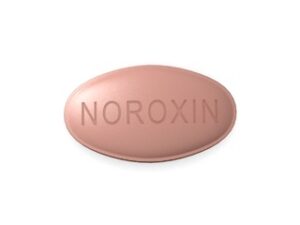
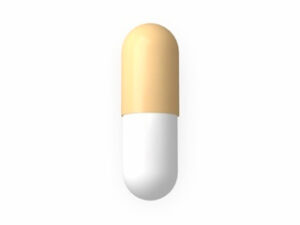
Cleocin (Clindamycin) – Patient-Friendly Medicine Information (Australia)
Cleocin is a brand of the antibiotic clindamycin. It is used to treat certain bacterial infections, including some serious infections where specific bacteria are suspected or confirmed. This guide explains how Cleocin works, how it is used, what to expect, and practical safety tips for people in Australia.
Important: This information is general. Your prescriber and pharmacist can advise you based on your specific condition, medical history, and test results.
1) Basic product information
| Item | Details |
|---|---|
| Medicine name | Cleocin (clindamycin) |
| Medicine type | Antibiotic (lincosamide) |
| Common forms | Oral capsules/solutions and topical preparations depending on product availability |
| Common use | Infections caused by susceptible bacteria (e.g., certain skin/soft tissue and dental infections) |
| How it works | Stops bacteria from making proteins needed to survive and multiply |
| Key safety topic | Risk of antibiotic-associated diarrhoea, including Clostridioides difficile (C. difficile) |
2) How Cleocin works (mechanism of action)
Clindamycin is an antibiotic in the lincosamide group. It works by binding to the bacterial ribosome and inhibiting protein synthesis. Without essential proteins, susceptible bacteria cannot grow and multiply.
Depending on the organism and concentration achieved in the body, clindamycin may be bacteriostatic (slows bacterial growth) or bactericidal-like in some settings. In clinical practice, it is selected based on the likely bacteria, infection site, severity, and local susceptibility patterns.
Commonly targeted bacteria
- Gram-positive aerobic bacteria (susceptibility varies)
- Anaerobic bacteria (bacteria that grow without oxygen) in many dental and intra-abdominal infections
- Some strains of anaerobic streptococci and other susceptible anaerobes
Resistance can occur. Your clinician may choose clindamycin when certain bacteria are suspected or when other options are unsuitable.
3) Pharmacokinetics: how the body handles clindamycin
Pharmacokinetics describes what the body does to a medicine—how it is absorbed, distributed, metabolised, and eliminated.
Absorption
When taken by mouth, clindamycin is absorbed reasonably well. Absorption may be improved when doses are taken with food (see “Food interactions” below).
Distribution
Clindamycin distributes into many tissues. It is known to penetrate well into bone and certain soft tissue infections, which is one reason it can be used for specific dental and bone-related infections.
Metabolism and elimination
Clindamycin is metabolised in the liver and eliminated mainly through the kidneys and bile/faecal routes (metabolites and drug fractions). The exact proportions may vary by patient and formulation.
Implications for dosing
- Because tissue penetration and bacterial susceptibility matter, dosing schedules are chosen to maintain effective drug levels.
- Follow the prescribed regimen closely to maximise effectiveness and reduce the risk of treatment failure and resistance.
4) Typical uses of Cleocin
Cleocin (clindamycin) is used to treat infections caused by susceptible bacteria. Common infection categories include:
Indications (common examples)
- Dental infections and infections related to teeth or gums (particularly when anaerobes are suspected)
- Skin and soft tissue infections, including abscesses or infections requiring coverage of susceptible organisms
- Some bone and joint infections where appropriate
- Respiratory infections in selected cases, especially when anaerobic bacteria are suspected
- Serious infections where clindamycin is considered suitable based on severity and likely pathogens
Your clinician may use clindamycin when other antibiotics are not suitable, or when the infection is likely caused by bacteria that clindamycin can cover. Treatment decisions should consider allergy history, previous antibiotic use, severity, and local guidelines.
5) Timing and how to take Cleocin
The goal is to keep antibiotic levels in your body within a range that helps treat the infection. Most oral antibiotic regimens are designed around taking doses at regular intervals.
General timing principles
- Space doses evenly across the day as directed.
- Take at the same times daily to help you remember.
- Complete the course even if you feel better (unless your doctor advises stopping).
- If you miss a dose, take it as soon as you remember—unless it is near the time for the next dose. Do not double up.
Practical example (illustrative only)
If a regimen is written as “three times daily,” it is usually taken with roughly 8-hour intervals (e.g., morning, afternoon, evening). For “twice daily,” it is typically spaced about 12 hours apart. Always follow your specific dose instructions.
6) Food interactions: can you take Cleocin with meals?
Food can influence comfort and absorption for some medicines. For oral clindamycin, taking it with food may help reduce stomach upset in many people.
What to do
- If your product instructions allow it, take clindamycin with a meal or immediately after food if you get nausea.
- Try to keep your routine consistent from day to day.
If you have been given specific instructions (for example, fasting or special timing), follow those. For topical forms, food does not apply—use according to the label or clinician advice.
7) Alcohol and medicine interactions
It is generally safest to avoid alcohol while taking antibiotics, mainly to reduce the burden on your body and because alcohol can worsen dehydration, nausea, or diarrhoea. Clindamycin does not have a widely known “disulfiram-like” reaction with alcohol, but avoiding alcohol is still recommended to support recovery and minimise side effects.
Possible interaction concerns
- Gastrointestinal upset: alcohol may increase the chance of nausea or worsen diarrhoea.
- Reduced resilience during illness: alcohol can impair sleep and recovery.
Medicine interactions (important examples)
Interaction potential can vary by formulation and patient factors. Discuss all medicines you take—including non-prescription products—with your pharmacist.
- Other antibiotics: taking multiple antibiotics at once is usually only done with clinician guidance.
- Neuromuscular blockers (used in hospital for anaesthesia): antibiotics like clindamycin may theoretically affect neuromuscular transmission; this is managed by healthcare professionals in that context.
- Diarrhoea-prone medicines: if you use laxatives or medicines that affect gut motility, let your clinician know—since antibiotic-associated diarrhoea can complicate the picture.
If you are taking medicines for chronic conditions (e.g., thyroid disease, diabetes, anticoagulants, asthma, epilepsy), ensure your pharmacist checks for any relevant interactions.
8) Dosing: how much and how often?
Dosing varies depending on the infection type, severity, kidney/liver function, age, and whether the organism is known or suspected. Your clinician will select an appropriate dose and schedule for you.
General dosing guidance (not for self-dosing)
- Clindamycin dosing for adults is commonly administered in multiple daily doses (for example, two to four times daily depending on the regimen).
- Children and adolescents may require weight-based dosing and careful selection of formulation.
How to measure and administer
- If using capsules/tablets, swallow whole with water unless your product says otherwise.
- If using an oral liquid, measure with an appropriate dosing syringe or cup—avoid kitchen spoons.
- If you have swallowing difficulties, ask your pharmacist whether a different formulation is suitable.
Do not change your dose or stop early without advice. Stopping early can allow remaining bacteria to grow again, and increases the risk of recurrence or resistant organisms.
9) Safety profile: what to know before and during treatment
Like all medicines, Cleocin can cause side effects. Many people experience mild effects only, while others may have serious reactions requiring urgent care.
Common side effects
- Nausea
- Diarrhoea (often mild, but can become serious)
- Abdominal pain or cramping
- Vaginal yeast infection in some patients
- Rash or mild skin reactions
Serious warning: antibiotic-associated diarrhoea and C. difficile
Antibiotics, including clindamycin, can disrupt the gut’s normal bacteria. This may allow C. difficile to overgrow, causing antibiotic-associated diarrhoea and in some cases colitis.
Seek medical advice promptly if you develop:
- Watery or severe diarrhoea
- Diarrhoea lasting more than 24–48 hours or becoming worse
- Blood or mucus in stool
- Fever and significant abdominal pain
- Symptoms that start during treatment or even after you finish
Allergic reactions (seek urgent help)
Stop taking clindamycin and seek urgent medical attention if you experience signs of a serious allergy, such as:
- Swelling of the face, lips, tongue, or throat
- Difficulty breathing or wheezing
- Severe rash, blistering, or widespread hives
Other less common serious effects
- Liver problems (uncommon): yellowing of skin/eyes, dark urine, severe fatigue
- Blood disorders (rare): unusual bruising or persistent infections
Who should take extra care?
- People with a history of C. difficile infection or severe antibiotic-associated diarrhoea
- People with known liver disease
- People taking multiple medicines or with complex medical conditions
- Older adults, especially if frail or at risk of dehydration
10) Practical use tips (to improve success and reduce problems)
- Start promptly as instructed. Don’t delay doses once therapy begins.
- Hydrate: drink fluids, especially if you develop mild diarrhoea.
- Monitor bowel changes: mild loose stools can happen, but look out for severe or persistent diarrhoea.
- Don’t self-treat severe diarrhoea with anti-diarrhoeal medicines without medical advice—particularly if there’s fever or blood.
- Complete the course to reduce recurrence and resistance.
- Keep a medication list including doses and timing; bring it to appointments or to your pharmacist if questions arise.
Remember
Improvement usually occurs within a few days for many infections, but the infection may take longer to fully resolve. If symptoms worsen or do not improve as expected, contact your clinician.
11) Alternative options
The “best” alternative depends on the infection type and likely bacteria, and on your allergies and previous antibiotic exposure. In Australia, clinicians choose antibiotic options based on local guidelines and susceptibility.
Possible alternative antibiotics (examples)
- Penicillins (e.g., amoxicillin/augmentin-type options) for suitable susceptible infections
- Cephalosporins for certain skin/dental infections depending on allergy status and local guidance
- Macrolides (e.g., azithromycin/clarithromycin) for specific indications and bacterial susceptibility
- Metronidazole-containing approaches for anaerobic coverage in some intra-abdominal or specific dental scenarios (often used in combination depending on the case)
- In some cases, topical or procedure-based management may be part of treatment for skin abscesses (e.g., drainage), depending on the infection
Do not switch antibiotics without medical advice. If you have concerns about side effects or lack of response, ask your pharmacist or doctor about the most appropriate next step.
12) Cleocin in Australia: market and legal context
In Australia, antibiotic medicines are regulated as prescription medicines. Your access may require assessment by a healthcare professional, and supply rules apply to ensure safe use. Online pharmacies in Australia typically follow applicable regulatory requirements for the dispensing of prescription medicines.
Australia also has strong public health efforts to support antibiotic stewardship—meaning antibiotics are used only when needed, at the right dose, for the right duration, and guided by evidence. This helps reduce antibiotic resistance and protects the effectiveness of antibiotics for future infections.
Recent guidance (general themes)
Recent antibiotic stewardship guidance worldwide (including in Australia) consistently emphasises:
- Use antibiotics only when bacterial infection is likely
- Follow guideline-based choices and duration
- Review response after starting therapy, and avoid unnecessary changes
- Prevent and recognise antibiotic-associated diarrhoea, particularly severe diarrhoea suggestive of C. difficile
Your clinician may request details about allergy history, past antibiotic exposure, and symptom timeline to help ensure the antibiotic is appropriate.
13) Delivery and availability (Australia)
Availability of Cleocin (clindamycin) can vary depending on the specific strength, formulation (capsules, liquid, or topical products), and manufacturing schedules. Online pharmacies in Australia typically offer:
- Home delivery where permitted by law and with standard safety/identity checks
- Packaging suitable for medicine transport
- Tracking information for dispatch status
Shipping time can differ by state/territory and by whether the product is in stock. Some suppliers may offer faster dispatch options for in-stock items. If your medication is urgent, contact the pharmacy before ordering.
Cold chain considerations
Most clindamycin oral products do not require refrigeration, but always check the product label for storage instructions. Keep medicines out of direct sunlight and avoid high heat areas such as car boots.
14) FAQ about Cleocin (clindamycin)
Can I take Cleocin on an empty stomach?
Some people can tolerate it on an empty stomach, but it may cause more nausea or stomach discomfort in others. In many cases, taking it with food can improve tolerability. Follow your product instructions and your clinician’s advice.
How soon should I feel better?
Many people begin to notice improvement within 48–72 hours. However, some infections take longer. If you feel significantly worse, develop new fever, or see no improvement after the expected period, contact your clinician for review.
What if I forget a dose?
Take the missed dose when you remember unless it is close to the next scheduled dose. Do not take a double dose to make up for a missed one. If you are unsure, ask your pharmacist.
Is diarrhoea a common side effect?
Yes, diarrhoea can occur with antibiotics. However, because clindamycin has a higher association with C. difficile, you should seek medical advice if diarrhoea is severe, persistent, or includes blood/mucus, or if you have fever and significant abdominal pain.
Can I drink alcohol while taking clindamycin?
It is best to avoid alcohol during treatment. Alcohol may worsen nausea or diarrhoea and can impair recovery. If you choose to drink, keep it minimal and discuss with a pharmacist if you have side effects or other medical conditions.
Are probiotics helpful?
Some studies suggest probiotics may help reduce antibiotic-associated diarrhoea in certain people, but results vary. If you want to try probiotics, discuss options and timing with your pharmacist, especially if you have severe symptoms or a history of C. difficile.
What should I do if symptoms return after I finish Cleocin?
Contact your clinician promptly. Symptom recurrence can mean the infection was not fully eradicated, or a different cause is involved. Avoid restarting antibiotics from leftovers—an assessment may be needed.
Can I use Cleocin cream or gel instead of tablets?
Topical clindamycin preparations are used for specific skin conditions and do not replace oral clindamycin for systemic infections. Choose the formulation only for the condition it is intended to treat, and follow the product instructions.
Who should not take clindamycin?
People with known allergy to clindamycin or related medicines should not take it. Extra caution is needed in those with a history of severe antibiotic-associated diarrhoea or C. difficile, and those with significant liver disease. If you are unsure, speak with a pharmacist.
What if I’m pregnant or breastfeeding?
Clindamycin may be used in pregnancy or breastfeeding in some situations, but the risk/benefit depends on the infection and your health. Discuss your situation with your clinician before starting or continuing treatment.
Is Cleocin effective for viral infections like colds or flu?
No. Antibiotics like clindamycin treat bacterial infections, not viruses. Using antibiotics for viral illnesses increases side effects and contributes to resistance.
15) When to seek urgent medical help
Get urgent medical attention if you experience:
- Signs of a serious allergic reaction (swelling of face/throat, trouble breathing, severe blistering rash)
- Severe or rapidly worsening diarrhoea, especially with fever, blood/mucus, or severe abdominal pain
- Severe weakness, dizziness, or signs of dehydration
- Yellowing of skin/eyes or dark urine (possible liver issues)
Summary: Cleocin (clindamycin) is an antibiotic used for certain bacterial infections, particularly where susceptible anaerobic bacteria may be involved. It works by stopping bacteria from producing essential proteins. While many people tolerate it well, it carries an important safety warning for antibiotic-associated diarrhoea and C. difficile. Take it as directed, with food if it helps stomach comfort, avoid alcohol during treatment, and seek advice urgently for severe diarrhoea or allergic symptoms.