Ocuflox (Ofloxacin) — Patient-Friendly Medicine Information (Australia)
Ocuflox contains ofloxacin, an antibiotic medicine used to treat certain bacterial eye infections. This guide explains how it works, how it’s usually used, what to watch for, and practical tips for safe use. It’s written for people in Australia and uses general health information for guidance.
Basic product information
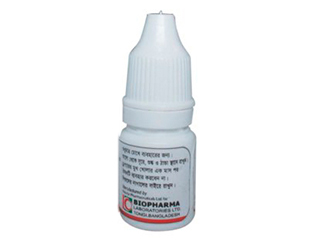
Ocuflox is the brand name that contains ofloxacin, which belongs to the fluoroquinolone group of antibiotics. It is commonly supplied as an eye drop formulation intended for use on the eye.
| Feature | Details |
|---|---|
| Active ingredient | Ofloxacin |
| Medicine type | Antibiotic (fluoroquinolone) |
| Where it’s used | Eye infections caused by susceptible bacteria (eye drops) |
| How it’s supplied | Typical retail presentation is an eye drop bottle (exact pack size varies) |
| Therapeutic goal | Reduce and eliminate the bacterial cause of infection |
| Common duration | Often several days; exact course depends on the condition and response |
Note: If you’re unsure whether Ocuflox is suitable for your specific eye symptoms, consult a qualified healthcare professional. Eye symptoms can also be caused by viruses, allergies, irritation, or non-infectious conditions.
How Ocuflox works (mechanism of action)
Ofloxacin works by targeting bacterial DNA processes. Specifically, it inhibits enzymes called DNA gyrase (and related topoisomerases), which bacteria need to copy and repair their DNA. Without proper DNA replication and repair, susceptible bacteria cannot multiply effectively and the infection starts to resolve.
- Targets bacteria: Effective against susceptible strains of bacteria.
- Not for non-bacterial causes: It won’t treat infections caused by viruses, allergies, or irritation.
- Helps reduce bacterial load: This can lessen discharge, redness, and discomfort when bacterial infection is present.
Pharmacokinetics (what happens in the body)
When used as eye drops, only a portion of the dose is absorbed into the bloodstream. Most of the medicine remains local to the eye and surrounding tissues.
Absorption
Ofloxacin in eye drops can be absorbed through eye tissues and may also drain into the nasal passages via the tear drainage system, where it can be swallowed. Systemic absorption (into the bloodstream) is generally limited, but it can occur.
Distribution
After systemic absorption, ofloxacin can distribute throughout the body tissues. The degree of distribution depends on the amount absorbed and individual factors.
Metabolism and elimination
Like many antibiotics, ofloxacin is cleared from the body primarily through the kidneys. In most people using eye drops, systemic exposure is relatively low compared with oral antibiotics.
If you have kidney problems, you should discuss your situation with a healthcare professional, particularly if you’re using the medicine over a prolonged period or alongside other medications.
Typical use and timing
Ocuflox is used to treat certain bacterial eye infections. The exact dosing schedule depends on the eye condition, severity, and how quickly symptoms improve.
How quickly you may notice improvement
- Some relief: Symptoms like redness and discharge often start improving within 1–2 days.
- Complete course: Even if you feel better, complete the recommended course to reduce relapse.
- If no improvement: If there is little or no improvement after a few days, seek medical advice.
Timing between doses
Eye drops are usually spaced evenly throughout the day (for example, morning, midday, evening, and bedtime depending on the prescribed schedule). Try to keep a consistent routine.
Missed dose
If you miss a dose, use it when you remember unless it’s close to the next dose. Do not use extra drops to “catch up.”
Food interactions
Ocuflox is applied to the eye. Because only limited systemic absorption typically occurs, food interactions are not usually a major concern. There are generally no specific dietary restrictions required for eye drop use.
However, you should always follow the instructions on the product label or advice from your healthcare professional. If you’re also taking other medicines (especially antibiotics or medicines that interact with the kidneys or nervous system), it’s best to check with a pharmacist.
Alcohol and medicine interactions
Alcohol
There is usually less systemic exposure from eye drops than from oral medicines, so alcohol interactions are typically minimal. Still, if you notice dizziness, headache, or unusual side effects while using the drops, avoid alcohol and seek advice.
Medicines that may interact
Ofloxacin eye drops are less likely to cause drug interactions than oral forms, but interactions are still possible—especially if:
- You are taking other medicines that affect the nervous system or can increase the risk of seizures (rare).
- You are using medicines that affect the kidneys’ clearance of drugs.
- You take multiple antibiotics or medicines that may affect gut flora.
Tell your pharmacist or doctor about all medicines you use, including prescription medicines, over-the-counter products, and herbal supplements.
Contact lenses
If you wear contact lenses, remove them before using the eye drops and ask when it’s safe to reinsert. In many cases, lenses should not be worn during treatment, and you may need to replace lens cases or disinfect properly.
Indications (what Ocuflox is used for)
Ocuflox is intended to treat bacterial eye infections where the causative bacteria are susceptible to ofloxacin. It may be used for conditions such as:
- Bacterial conjunctivitis (when symptoms suggest bacterial infection)
- Other bacterial infections of the eye as directed by a clinician
Not all red, painful, or watery eyes are bacterial. Ocuflox should not be used for viral conjunctivitis or allergic eye conditions unless a clinician determines bacterial infection is present.
Seek urgent advice if you have warning signs
- Severe eye pain
- Light sensitivity (photophobia) that is significant
- Blurred vision or vision changes
- Suspected corneal injury (e.g., after a scratch or foreign body)
- Contact lens wear with a painful red eye
- Symptoms rapidly worsening
Dosing and how to apply Ocuflox
The correct dose depends on the specific eye infection and severity. Use the dose provided with your product and follow instructions from a qualified healthcare professional. The information below is general guidance only.
Typical dosing pattern (general)
Many bacterial eye infections are treated with a schedule such as multiple times per day, especially early in treatment. Your bottle label or your clinician’s instructions will specify the exact number of drops and frequency.
| Situation | General approach | What to do |
|---|---|---|
| Early infection (when symptoms are active) | Often more frequent dosing | Use the schedule provided and try to keep doses evenly spaced |
| Improving symptoms | Frequency may be adjusted by clinician | Do not stop early unless advised |
| Missed dose | Use when remembered | Skip extra doses if close to next dose |
Step-by-step: applying eye drops safely
- Wash your hands thoroughly with soap and water and dry them well.
- Check the bottle tip for cleanliness. Avoid touching the tip to your eye or eyelids.
- Position yourself comfortably (in front of a mirror can help).
- Tilt your head back and gently pull down the lower eyelid to form a small pocket.
- Instill the prescribed number of drops into the lower eyelid pocket.
-
Close your eye gently.
- You can apply light pressure to the inner corner of the eye (near the nose) for about 1 minute.
- This can reduce drainage and systemic absorption.
- Wipe away excess with a clean tissue.
- Wash your hands again after use.
- Replace the cap immediately and store as directed (typically below 25°C, but check your label).
If you use other eye medicines
If you’re using more than one eye product (drops or ointments), allow a gap of at least 5–10 minutes between products unless your pharmacist or doctor advises otherwise. Ointments are often used last.
Safety profile: side effects and precautions
Like all medicines, Ocuflox can cause side effects. Many people have no or mild effects, but it’s important to know what to watch for. Stop use and seek medical advice urgently if you experience severe symptoms.
Common side effects
- Temporary stinging or burning sensation after applying drops
- Mild irritation or redness
- Watery eyes
- Temporary blurred vision shortly after instilling (usually clears quickly)
Less common but important reactions
- Allergic reactions (itching, swelling, worsening redness, rash)
- Severe eye pain or significant light sensitivity
- New or worsening discharge after initial improvement
- Persistent symptoms beyond the expected timeframe
Contact urgent care or a clinician immediately if you develop:
- Marked swelling of the eye or eyelids
- Severe pain, vision changes, or intense light sensitivity
- Signs of a rapidly worsening infection
- Symptoms after contact lens wear that suggest corneal involvement
Who should use caution
- People with a history of fluoroquinolone allergy or previous serious reactions to antibiotics
- People with eye injuries (e.g., scratch, foreign body) where urgent assessment may be needed
- People with kidney problems or those taking multiple interacting medicines (rare systemic absorption, but discuss if concerned)
- People who wear contact lenses (risk of more serious infections if symptoms are significant)
Duration and antibiotic stewardship
Using antibiotics appropriately helps reduce resistance. Avoid using Ocuflox longer than recommended. If symptoms don’t improve as expected, you may need a different diagnosis or treatment.
Practical use tips for better results
- Keep the bottle tip clean: Do not touch the tip to the eye, eyelids, or eyelashes.
- Use the right hygiene: Wash hands before and after application.
- Avoid contamination: Close the cap promptly and store away from heat and sunlight.
- Don’t share eye drops: Sharing can spread infection and contaminate the bottle.
- Consider what caused the infection: If you have frequent episodes, ask a clinician about underlying causes (e.g., blepharitis, blocked tear ducts).
- Managing contagiousness: Bacterial conjunctivitis can be contagious. Avoid touching eyes, wash pillowcases/towels regularly, and keep good hand hygiene.
- Contact lenses: Remove lenses during treatment unless a clinician says otherwise. Replace lens case and follow lens cleaning instructions.
Missed dose reminders
If you forget a dose, apply it as soon as you remember. If it’s nearly time for your next dose, just return to your regular schedule.
Alternative options
The best alternative depends on the likely cause of your eye symptoms. Options may include:
- Other antibiotic eye drops if a different fluoroquinolone or antibiotic is more appropriate
- Non-antibiotic treatments for viral conjunctivitis, allergic conjunctivitis, or dry eye (for example, lubricating drops or anti-allergy drops as advised)
- Supportive care such as warm compresses for eyelid inflammation (where appropriate)
If you’re not improving, have severe symptoms, or have recurrent infections, a clinician may need to examine the eye and consider culture/testing in certain situations.
Ocuflox in Australia: market and legal context
In Australia, medicines are regulated under the Therapeutic Goods Administration (TGA) and supplied according to their approved schedule and safety requirements. Availability of antibiotic products for the eye can vary based on:
- Whether they are classified for restricted supply or require consultation
- Pack size and formulation
- Local pharmacy and dispensing rules
- Appropriate clinical screening for suitability
Online pharmacies typically operate within Australian requirements and may require patient eligibility checks before supplying certain categories of medicines. Always ensure the product you receive matches the correct intended use (eye drops).
For the most accurate, up-to-date product classification and instructions, refer to the TGA database and the medicine label supplied with your product.
Recent guidance: when to reassess and how to reduce resistance
Antibiotic use in eye conditions should follow principles of right diagnosis and appropriate duration. General recommendations used by healthcare systems worldwide, and commonly reflected in Australian practice, include:
- Reassess if not improving: If symptoms are not better within a few days, seek advice rather than continuing automatically.
- Avoid unnecessary antibiotics: Many conjunctivitis cases are viral or allergic and won’t improve with antibiotics.
- Finish the recommended course: Stopping early can contribute to persistent infection.
- Contact lenses increase risk: Painful red eyes in contact lens wearers should be assessed promptly.
Your pharmacist or doctor can help you decide whether Ocuflox is appropriate based on your symptoms and medical history.
Delivery and availability (online pharmacy)
Ocuflox eye drops are typically stocked by pharmacies depending on demand and supply. Availability can vary by pack size. When ordering online in Australia:
- Check the product strength and form: Ensure it is an ophthalmic (eye) formulation containing ofloxacin.
- Confirm storage instructions: Store according to the label (commonly at room temperature, away from heat).
- Delivery timeframe: Delivery speed depends on your location and the pharmacy’s courier service.
- Cold chain: Eye drops typically do not require refrigeration unless the product label states otherwise.
If you have urgent symptoms or severe pain, it’s safer to seek immediate clinical assessment rather than relying solely on delivery time.
Quality and expiry
Ensure the bottle is within expiry and the packaging is intact on arrival. Do not use if the seal is broken or the solution appears contaminated or discoloured.
FAQ: Ocuflox (ofloxacin) eye drops
1. What is Ocuflox used for?
Ocuflox (ofloxacin) is used to treat bacterial eye infections where bacteria are susceptible to ofloxacin. It may be recommended for conditions such as bacterial conjunctivitis or other bacterial eye infections as advised by a healthcare professional.
2. How long does it take to work?
Many people start noticing improvement within 1–2 days. If symptoms are not improving after a few days, or if they worsen, seek clinical advice promptly.
3. Can I wear contact lenses?
It’s generally advised to remove contact lenses during treatment and avoid re-inserting until it’s safe. Contact lens wearers are at higher risk of certain serious eye infections—if you have pain, blurred vision, or light sensitivity, seek urgent care.
4. Should I stop using the drops when I feel better?
Usually you should complete the recommended course even if symptoms improve. Stopping early can contribute to incomplete treatment. Follow your label instructions or professional guidance.
5. What should I do if I miss a dose?
Apply it when you remember unless it is nearly time for your next dose. Do not use extra drops to catch up.
6. Are there food interactions?
Because Ocuflox is used in the eye, food interactions are not usually significant. Still, follow your medication instructions and consult a pharmacist if you have concerns or complex medical conditions.
7. Can I drink alcohol while using Ocuflox?
Alcohol interactions are typically minimal with eye drops. If you notice side effects such as dizziness or headache, avoid alcohol and seek advice if symptoms persist or worsen.
8. What are the common side effects?
Common side effects include temporary stinging, irritation, watery eyes, and mild redness. These usually settle quickly. If you experience severe pain, vision changes, or signs of allergy, seek medical help urgently.
9. Is Ocuflox effective for viral conjunctivitis?
No. Ocuflox treats bacterial infections. Viral conjunctivitis typically doesn’t respond to antibiotics. If you are unsure what’s causing your symptoms, it’s best to be assessed.
10. How should I store Ocuflox?
Store it according to the product label—typically at room temperature and protected from heat and light. Keep the bottle tightly closed and out of reach of children.
11. Can I use Ocuflox with other eye medicines?
You can often use it with other eye medicines, but keep a gap of at least 5–10 minutes between different products unless advised otherwise. Ointments are usually applied last.
12. When should I seek urgent medical advice?
Seek urgent medical care if you have severe eye pain, marked light sensitivity, blurred vision, significant swelling, suspected corneal injury, or you’re a contact lens wearer with a painful red eye.