

Clindamycin (Antibiotic) – Patient-Friendly Guide (Australia)
Clindamycin is an antibiotic used to treat certain bacterial infections. It belongs to the lincosamide group and works by stopping bacteria from making proteins they need to grow. This guide explains how clindamycin works, what it’s used for, how it’s taken, common side effects, interactions (including alcohol), and practical tips to help you use it safely.
Important: Always follow the instructions provided with your specific product and the directions given by your healthcare professional.
1) Basic product information
- Medicine name: Clindamycin
- Class: Lincosamide antibiotic
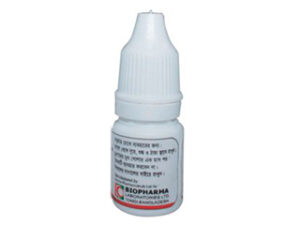
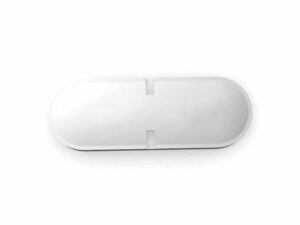
- Common forms: Capsules, oral solution, and other formulations depending on brand and availability
- How it’s used: Usually taken by mouth for mild to moderate infections, depending on the indication and severity
- Who it’s for: People with infections caused by susceptible bacteria
In Australia, clindamycin products may be supplied under brand names and different strengths. Availability can vary by form (e.g., capsules vs. oral solution) and by region.
2) How clindamycin works (mechanism of action)
Clindamycin works by binding to the bacterial ribosome (the machinery bacteria use to make proteins). By interfering with protein synthesis, clindamycin halts bacterial growth and helps your immune system clear the infection.
It is most effective against certain Gram-positive bacteria and anaerobes (microbes that grow without oxygen). Sensitivity varies by organism and site of infection, so the choice of antibiotic is ideally guided by clinical assessment and, when available, culture results.
3) Pharmacokinetics (how the body handles clindamycin)
Understanding pharmacokinetics can help you take it correctly.
- Absorption: Clindamycin is generally absorbed after oral dosing.
- Distribution: It distributes through body tissues, and may reach areas relevant to infection.
- Metabolism: The medicine is metabolised (broken down) primarily in the liver.
- Elimination: Clindamycin and its metabolites are eliminated mainly through the kidneys (urine) and partly via other pathways.
- Half-life (general): The duration of action varies by person and formulation; dosing schedules are chosen to maintain effective levels.
Kidney and liver considerations: If you have liver or kidney impairment, your clinician may adjust the dose or monitor you more closely.
4) Typical uses of clindamycin
Clindamycin is used for infections caused by bacteria that are susceptible to it. Common indications include:
- Skin and soft-tissue infections (e.g., certain types of abscesses, cellulitis where appropriate)
- Dental infections and some jaw/periodontal infections
- Respiratory tract infections where susceptible organisms are suspected
- Gynecological infections in specific clinical contexts
- Bone and joint infections under specialist guidance
- Serious anaerobic infections when clindamycin is suitable
Which infections it’s used for depends on local resistance patterns, the suspected bacteria, the infection site, and your medical history.
5) Timing: when and how to take clindamycin
Your dosing schedule depends on the formulation and the infection being treated. Many oral regimens are taken every 6–8 hours or three to four times daily, but you should use your specific written instructions.
Practical timing tips
- Take at evenly spaced times to keep antibiotic levels steady.
- Finish the full course even if you feel better—stopping early can allow bacteria to persist.
- Use reminders (phone alarm, diary) if dosing is frequent.
- If you miss a dose, take it when you remember unless it’s close to the next dose. Do not double to make up for a missed dose.
6) Food interactions: can you take clindamycin with meals?
Clindamycin can generally be taken with or without food, depending on the formulation. Food may help reduce stomach upset for some people.
- If you feel nauseous, consider taking it with a meal or a snack.
- Try to keep your routine consistent from day to day.
Absorption note: There are no universally required dietary restrictions for clindamycin, but always check your product leaflet for specific instructions.
7) Alcohol and medicine interactions
Alcohol
Most antibiotics do not have a direct “disulfiram-like” reaction with alcohol, but it’s still wise to be cautious. Alcohol can:
- Worsen side effects (nausea, dizziness, diarrhoea)
- Make it harder to recover from infection
- Potentially increase strain on the body, especially if you are unwell or dehydrated
Recommendation: Avoid or limit alcohol while taking clindamycin, and seek medical advice if you drink regularly or have liver disease.
Other medicine interactions
Clindamycin may interact with some medicines. Tell your healthcare professional about all medicines and supplements you use, including over-the-counter products. Examples of potential interaction considerations include:
- Neuromuscular blocking agents used during surgery: antibiotics like clindamycin may theoretically affect neuromuscular function; this is mainly relevant in hospital settings.
- Medicines that affect gut bacteria: taking clindamycin with other antibiotics or medicines that alter gut flora may increase the risk of diarrhoea.
- Anti-diarrhoea medicines: if you develop diarrhoea, ask a clinician before using anti-diarrhoeal products, because some situations need evaluation.
If you are taking other medicines such as anticoagulants, hormonal treatments, anticonvulsants, or antidepressants, it’s still important to check for interactions with your pharmacist or clinician.
8) Indications (when clindamycin may be chosen)
In practice, clindamycin is selected based on:
- Likely bacteria for the infection site (especially anaerobic coverage)
- Susceptibility patterns in your area
- Allergy history (e.g., penicillin allergy) and tolerability
- Severity and where the infection is located
- Your medical history (including previous antibiotic-associated diarrhoea)
Because clindamycin can be associated with significant diarrhoea in some people, clinicians often consider risks and benefits carefully, particularly if you have a history of antibiotic-associated colitis or inflammatory bowel disease.
9) Dosing: common approach and how to follow it safely
Dose depends on the infection, severity, age, and kidney/liver function. Always follow your specific directions.
General dosing principles
- Adhere to the prescribed strength and schedule.
- Do not change the dose without advice.
- Use the measuring device if you are given an oral solution.
- Keep a consistent schedule across the course.
Missed dose: If you miss a dose, take it when you remember. If it is almost time for the next dose, skip the missed dose and continue your regular schedule.
Overdose: Seek urgent medical help or contact a poison information service if you suspect an overdose.
10) Safety profile: side effects and when to get urgent help
Like all medicines, clindamycin can cause side effects. Many are mild and improve as your body adjusts, but some require prompt medical attention.
Common side effects
- Nausea
- Vomiting
- Abdominal discomfort or stomach cramps
- Diarrhoea
- Headache
- Metallic taste (sometimes)
Serious warning: antibiotic-associated diarrhoea and colitis
Clindamycin has an important risk of causing Clostridioides difficile associated diarrhoea, which can be severe. This can occur during treatment or weeks after stopping.
Seek urgent medical advice if you develop:
- Watery or persistent diarrhoea
- Blood or mucus in stools
- Severe abdominal pain or cramping
- Fever
- Signs of dehydration (e.g., dizziness, dry mouth, reduced urination)
Allergic reactions (urgent)
Get urgent medical help if you experience:
- Swelling of the face, lips, tongue, or throat
- Difficulty breathing or wheezing
- Widespread rash, blistering, or severe skin reactions
Other possible effects
- Vaginal yeast infection (thrush) due to changes in normal flora
- Unusual bruising or bleeding (rare—seek advice)
- Elevated liver enzymes or liver issues (rare; symptoms may include yellowing of the skin/eyes, dark urine)
Before using: Tell your clinician if you have a history of antibiotic-associated colitis, inflammatory bowel disease, severe allergies, or significant liver conditions.
11) Practical use tips (how to get the best outcomes)
Improve tolerance
- Taking clindamycin with food may reduce nausea for some people.
- Stay hydrated, particularly if you experience mild stomach upset or diarrhoea.
Take it correctly
- Use the correct dosing interval and avoid skipping doses.
- If using a liquid formulation, measure accurately using the provided syringe/cup.
- Store according to the label (typically at room temperature, away from moisture and heat).
Consider gut health (with caution)
Some people ask about probiotics during antibiotic courses. Evidence varies by condition and probiotic strain. If you’re considering probiotics, ask your pharmacist—especially if you have a history of severe diarrhoea.
Complete the course
Even if symptoms improve quickly, complete the full course unless a clinician advises otherwise.
12) Alternative options
“Alternative” depends on the infection type, suspected bacteria, antibiotic susceptibility, your allergy history, and local guidelines. Clinicians may consider other antibiotics such as:
- Penicillin or cephalosporin antibiotics for certain infections (if you can safely take them)
- Macrolide antibiotics (e.g., for some respiratory or skin infections)
- Metronidazole (in some anaerobic infections, sometimes as part of combination therapy)
- Other agents depending on culture results and severity
Important: Do not substitute clindamycin with another antibiotic without professional advice. Using the wrong antibiotic can worsen outcomes and increase resistance.
13) Market and legal context for Australia
In Australia, antibiotic availability is regulated through the Australian regulatory framework. Medicines may be supplied as different schedules depending on formulation and strength. Antibiotics are used within Australian antimicrobial stewardship practices that aim to preserve effectiveness and reduce resistance.
Because antibiotics can pose risks (including severe diarrhoea in some cases), they should be used only when appropriate for a suspected or confirmed bacterial infection.
Australia-wide guidance: Clinicians follow national and local antimicrobial prescribing recommendations and consider individual patient factors, including allergy and prior antibiotic reactions.
14) Recent guidance and stewardship considerations
Across recent years, Australian and international health authorities have continued to emphasise:
- Right antibiotic, right dose, right duration
- Using antibiotics only when benefits outweigh risks
- Reviewing therapy if symptoms do not improve
- Awareness of antibiotic-associated diarrhoea and C. difficile risk
- Reducing unnecessary antibiotic use to slow development of resistance
If your symptoms don’t improve within the expected timeframe, or if they worsen, contact a healthcare professional promptly.
15) Delivery and availability (online pharmacy experience in Australia)
Availability of clindamycin formulations can vary by manufacturer and supply. For online pharmacy orders, typical steps include:
- Confirming product selection (strength and form)
- Dispatch and tracking once the order is prepared
- Delivery to your nominated address within Australia
Delivery timeframes: These depend on stock availability and your location. If the product is temporarily out of stock, you may be offered alternatives in accordance with pharmacy policy.
Cold chain: Most oral antibiotic formulations do not require refrigeration, but always follow label storage instructions.
16) Storage and disposal
- Store at room temperature, away from excess heat, moisture, and direct sunlight.
- Keep out of reach of children.
- Do not use after the expiry date.
- Dispose of unused medicine safely according to local pharmacy or council guidance (where available).
17) FAQ about clindamycin
1. What is clindamycin used for?
Clindamycin is used for certain bacterial infections, particularly those involving susceptible Gram-positive bacteria and anaerobes. It may be chosen for skin/soft-tissue infections, dental infections, and other specific infection types based on clinical assessment.
2. How long does it take to start working?
Some improvement may be noticed within 24–48 hours, depending on the infection. If symptoms do not improve or worsen after a reasonable time, seek medical advice.
3. Can I take clindamycin with food?
Generally, yes. Taking it with food may reduce stomach upset. Follow the instructions in your product information.
4. What if I miss a dose?
Take it when you remember unless it is close to the next dose. Do not take a double dose. If unsure, ask your pharmacist.
5. Is it safe to drink alcohol while on clindamycin?
It’s best to avoid or limit alcohol. Alcohol can worsen side effects such as nausea or diarrhoea and may delay recovery. Seek advice if you drink regularly or have liver issues.
6. What side effects are most concerning?
Seek urgent medical advice for severe or persistent diarrhoea, blood in stools, significant abdominal pain, fever, or signs of allergy such as swelling or difficulty breathing.
7. Can clindamycin cause diarrhoea?
Yes. Mild diarrhoea can occur, but persistent watery diarrhoea (especially with pain or fever) can indicate C. difficile associated colitis and requires prompt medical assessment.
8. Are there any supplements I should avoid?
There are no universally required supplement restrictions for clindamycin, but it’s safest to tell your pharmacist about supplements or herbal products, especially if you have liver disease or are taking multiple medications.
9. What are common alternatives?
Alternatives vary by infection and your health profile. Options may include other antibiotic classes or combinations. Only a clinician can choose the most appropriate substitute.
10. When should I contact a doctor?
Contact a healthcare professional if you have severe side effects, symptoms of allergy, or if your infection is not improving as expected.
18) Quick reference summary
| Topic | Key points |
|---|---|
| Medicine type | Antibiotic (lincosamide) |
| How it works | Stops bacterial protein synthesis |
| Common uses | Selected skin, dental, respiratory, anaerobic and other susceptible infections |
| How to take | Follow your schedule; often multiple times daily; take with food if needed |
| Food interaction | Usually can take with or without food; food may reduce nausea |
| Alcohol | Limit/avoid to reduce side effects and support recovery |
| Serious risk | Antibiotic-associated diarrhoea/colitis (including C. difficile) |
| Seek urgent help | Persistent/severe diarrhoea, blood in stool, fever, allergy symptoms |
Final reminder: Clindamycin should be used only for infections where it is appropriate. If you have any concerns about side effects, interactions, or whether this medicine is suitable for you, speak with your pharmacist or healthcare professional.