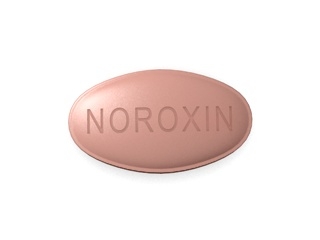
Noroxin (Norfloxacin) — Patient Guide (Australia)
Noroxin is the brand name of norfloxacin, an antibiotic medicine belonging to the fluoroquinolone family. It is used to treat certain bacterial infections, most commonly of the urinary tract. This guide explains how Noroxin works, how it’s used, what to watch for, and important safety information for people in Australia.
| Product name | Noroxin |
|---|---|
| Generic name | Norfloxacin |
| Medicine type | Antibiotic (fluoroquinolone) |
| Common use | Certain bacterial infections, especially urinary tract infections |
| How it’s taken | Oral tablets |
| Key practical points | Avoid interacting foods/medicines; complete the full course |
Basic product information
Noroxin (norfloxacin) is an oral antibiotic used against specific bacteria. Like other fluoroquinolones, it works by interfering with bacterial enzymes needed for DNA replication and cell growth. Because antibiotic resistance is a major concern, Noroxin should only be used when it is appropriate for the suspected or confirmed infection.
Who it’s for: Adults (and in some circumstances, older adolescents depending on clinical judgement and local product information). Your clinician will confirm whether norfloxacin is suitable for you based on the infection type, severity, kidney function, and local resistance patterns.
When it is not appropriate: It is not for viral illnesses (such as colds or flu), and it won’t help infections that are not caused by susceptible bacteria.
How Noroxin works (mechanism of action)
Norfloxacin targets two key bacterial enzymes:
- DNA gyrase (topoisomerase II)
- Topoisomerase IV
By inhibiting these enzymes, norfloxacin prevents bacteria from making and repairing their DNA, stopping growth and leading to bacterial cell death (bactericidal action).
Resistance note: Some bacteria may be resistant to fluoroquinolones. Your prescriber may consider local guidelines, prior antibiotic use, urine culture results (if available), and risk factors for resistant organisms.
Pharmacokinetics (how the body handles Noroxin)
Absorption: Norfloxacin is absorbed after oral dosing. Absorption can be affected by certain foods and minerals (especially aluminium, calcium, magnesium, and iron), which is why timing matters.
Distribution: It distributes into body tissues and fluids, including urine, which contributes to its use in urinary tract infections. Penetration varies by tissue type.
Metabolism and elimination: Norfloxacin is primarily eliminated through the kidneys. For this reason, kidney function may influence the dosing schedule.
Half-life (general): Norfloxacin’s elimination half-life varies between individuals, and is part of why it is often taken in divided doses.
Practical implication: Because urinary concentrations are important for treating urinary infections, taking the medicine exactly as directed (including timing with food and mineral-containing products) helps ensure effectiveness.
Typical uses (indications)
Noroxin is used to treat specific bacterial infections where it is likely to be effective. In practice, it is most often used for:
- Uncomplicated and/or complicated urinary tract infections caused by susceptible bacteria
- Acute uncomplicated cystitis (depending on local guidance and susceptibility)
- Other susceptible bacterial infections as determined by a clinician and local protocols
Important: The exact suitability depends on your symptoms, urine testing (if performed), antibiotic history, and whether the bacteria are susceptible to norfloxacin.
Not for: Generalised viral infections, most respiratory viruses, or skin infections unless specifically indicated and supported by clinical assessment.
Dosing and timing
Noroxin dosing depends on the specific infection, severity, kidney function, and treatment plan. Always follow the instructions provided by your healthcare professional or the product directions on the label.
Common general dosing pattern (example): Norfloxacin is often taken in divided doses across the day (for example, twice daily). Your exact dose and frequency may differ.
How to take Noroxin
- Take your dose with a full glass of water.
- Try to take doses at the same times each day.
- Complete the full course even if you feel better.
- If you miss a dose, take it when you remember unless it’s close to your next dose—do not double dose.
Timing with meals
Norfloxacin can be taken with or without food for some people; however, food and minerals can reduce absorption. To maximise effectiveness:
- Avoid taking Noroxin at the same time as antacids or mineral supplements (see “Food interactions” below).
- If your medicine guide recommends it, maintain a consistent routine (for example, taking with water and spacing from mineral-containing foods/medicines).
Tip: Keep a simple schedule (e.g., morning and evening) and link dosing to daily routines to reduce missed doses.
Food interactions (what to avoid and why)
Fluoroquinolone antibiotics—including norfloxacin—can form complexes with minerals, which may lower absorption and reduce effectiveness. Be particularly careful with:
- Antacids containing aluminium or magnesium
- Sucralfate
- Iron supplements
- Zinc supplements
- Calcium supplements (including some high-dose dairy/multivitamin products)
- Multivitamins that contain minerals
Practical spacing guidance: Many clinicians advise separating norfloxacin from mineral-containing products by at least 2 hours before or 4–6 hours after such products (exact timing can vary by formulation and your specific guidance). If you’re unsure, ask your pharmacist.
Dairy products: Normal dietary amounts of dairy are usually less problematic than supplements, but high amounts or supplements may still matter. When in doubt, separate doses from large dairy intakes or take your dose according to specific advice provided for your product.
Alcohol and medicine interactions
Alcohol: There isn’t always a strict “no alcohol” rule with norfloxacin, but alcohol may worsen common side effects such as nausea, dizziness, and headache. It can also affect sleep and hydration—factors that can make illness feel worse.
Safer approach: If you drink alcohol, consider avoiding it during treatment or limiting to small amounts while you’re unwell. Stay well hydrated.
Other important medicine interactions
Norfloxacin may interact with other medicines. Tell your doctor or pharmacist about all medicines and supplements you use, including:
- Warfarin and other blood thinners (risk of altered bleeding tendency)
- Theophylline or similar drugs (may increase side effects)
- Antiarrhythmics or medicines that affect heart rhythm
- Corticosteroids (possible increased risk of tendon problems)
- Non-steroidal anti-inflammatory drugs (NSAIDs) (may increase risk of certain nervous system effects in some people)
Always check: Your pharmacist can confirm interaction risk for your specific medication list. Interaction risk may also be higher in older adults or people with kidney impairment.
Safety profile and precautions
Most people tolerate Noroxin well, but like all antibiotics, it carries potential side effects and warnings. Stop and seek medical advice urgently if you experience severe or concerning symptoms.
Common side effects
- Nausea, upset stomach
- Diarrhoea or loose stools
- Headache
- Dizziness
- Changes in sleep or mood
Serious side effects (seek urgent medical help)
Contact a doctor urgently (or seek emergency care) if you develop:
- Allergic reaction: rash, swelling of face/lips, wheezing, severe itching
- Severe or persistent diarrhoea, especially with fever or blood/mucus (possible antibiotic-associated colitis)
- Tendon pain or swelling, especially Achilles tendon pain, or difficulty walking (risk of tendon injury)
- Signs of nerve problems: tingling, numbness, burning pain, weakness
- Severe dizziness, confusion, tremor, seizures, or hallucinations
- Heart rhythm symptoms: fainting, rapid/irregular heartbeat
- Worsening symptoms after starting antibiotics or no improvement within expected timeframes
Special warnings
- Women who are pregnant or breastfeeding: Discuss the risks and benefits with a clinician.
- Older adults: Increased risk of side effects and drug interactions—dose and monitoring may need adjustment.
- Kidney problems: Because elimination is largely renal, kidney function may require dose adjustments.
- History of tendon disorders: Let your clinician know if you’ve had tendonitis or tendon rupture.
- Neurologic conditions: People with existing nerve disorders should discuss suitability before using fluoroquinolones.
- Severe skin reactions: Seek care if you develop blistering rash, peeling skin, or widespread rash with fever.
Practical use tips (to get the best results)
- Take doses consistently: Use alarms or a medication organiser.
- Mind the mineral spacing: Separate Noroxin from antacids, iron, zinc, magnesium, and calcium products.
- Stay hydrated: Helps urinary comfort and supports kidney elimination.
- Don’t stop early: Stopping early can increase relapse risk and resistance.
- Monitor symptoms: If urinary symptoms are not improving after a few days (or worsen), seek advice.
- Diarrhoea caution: If you develop significant diarrhoea, contact a clinician before taking anti-diarrhoeal medicines.
Recent guidance and antibiotic stewardship (Australia)
In Australia, antibiotic use is guided by antimicrobial stewardship principles: antibiotics should be used only when needed, for the right duration, and where the likely bacteria are susceptible.
Fluoroquinolones are effective for susceptible infections, but they are generally reserved for situations where benefits outweigh risks or when other options are not suitable. National and local guidance may emphasise:
- Considering urine testing when appropriate (especially in complicated cases or recurrence)
- Using the narrowest effective antibiotic
- Avoiding unnecessary fluoroquinolone exposure due to potential side effects
What this means for you: Your clinician may choose Noroxin only after considering your history, symptoms, and local patterns of resistance.
Delivery and availability in Australia
Availability of Noroxin may vary depending on stock levels and product supply. Online pharmacies in Australia may offer home delivery where permitted by law and with appropriate compliance checks.
Delivery expectations:
- Delivery time depends on the supplier, your location, and shipping method.
- Some pharmacies may offer express shipping options.
- Products are typically supplied in sealed packaging with clear labelling.
Before ordering: Check that you’re selecting the correct strength and formulation (e.g., tablets), and ensure the course length aligns with your treatment plan.
Alternative options
If Noroxin is not appropriate (for example, due to resistance patterns, allergy history, drug interactions, or side-effect risk), alternatives may include other antibiotics used for urinary infections or other suspected causes, depending on local guidance and test results.
Common categories of alternatives for urinary tract infections may include:
- Other antibiotic classes used for UTIs (choice depends on susceptibility)
- In selected cases, targeted therapy based on culture and sensitivities
Non-antibiotic supportive care: While not a substitute for antibiotics when they’re needed, measures such as good hydration, symptom relief, and monitoring can support recovery.
Because “the right antibiotic” depends on bacteria and patient factors: your clinician or pharmacist can advise which option is most suitable for your situation.
When to seek medical advice
Contact a healthcare professional promptly if:
- Your symptoms rapidly worsen or you develop fever and back/flank pain
- You are not improving within the expected timeframe
- You develop severe diarrhoea, dehydration, or persistent vomiting
- You experience allergic symptoms or tendon/nerve symptoms
- You think you may have taken the wrong dose or missed multiple doses
Australia market and legal context (plain-language)
In Australia, antibiotic medicines are regulated and supplied according to national and state/territory requirements. Fluoroquinolone antibiotics like norfloxacin are subject to medicine-supply rules to ensure safe use and appropriate prescribing/dispensing practices.
Important: The way antibiotics are supplied can differ between products and categories, and online pharmacies may require verification steps before supply to meet legal and safety obligations.
For the safest outcome: Always use antibiotics only as directed, and avoid sharing them with others.
FAQ — Noroxin (Norfloxacin)
1) What is Noroxin used for?
Noroxin (norfloxacin) is used to treat certain bacterial infections, most commonly specific urinary tract infections caused by susceptible organisms.
2) How fast will I feel better?
Many people notice improvement within a few days, though complete resolution can take longer. If you’re not improving or you worsen, seek medical advice.
3) Can I take Noroxin with food?
Some people can take it with food, but mineral-containing substances (like antacids and supplements) can reduce absorption. Follow your product directions and ask your pharmacist about the best routine for you.
4) Which foods or drinks should I avoid?
Avoid taking Noroxin at the same time as antacids or mineral supplements (calcium, iron, magnesium, zinc). Moderate alcohol is generally not recommended when you feel unwell; it may worsen side effects.
5) What if I miss a dose?
Take it when you remember unless it’s close to the time for your next dose. Do not double up. If you miss several doses, check with your pharmacist or clinician for advice.
6) Can I stop Noroxin early when I feel better?
It’s generally important to complete the full course to reduce relapse risk and help prevent antibiotic resistance. Don’t stop early unless a clinician advises.
7) Is it safe to take with other medicines?
Noroxin can interact with certain medicines such as blood thinners (e.g., warfarin), theophylline, and medicines that affect heart rhythm. Tell your pharmacist about all medicines and supplements.
8) What should I do if I develop severe diarrhoea?
Severe or persistent diarrhoea can be a serious complication. Contact a healthcare professional promptly. Avoid self-treating without advice.
9) Can Noroxin cause tendon problems?
Fluoroquinolone antibiotics can rarely be associated with tendon inflammation or rupture. Seek urgent medical help if you develop tendon pain or swelling, especially in the Achilles area.
10) Who should be extra cautious?
People with kidney impairment, older adults, those on corticosteroids, and those with neurologic conditions or a history of tendon problems should discuss risks with a clinician.
11) Is Noroxin used for urinary infections in both men and women?
It may be used for urinary infections in either sex depending on the cause, severity, and susceptibility. Men can have different underlying causes, so evaluation may be important in recurrent or persistent cases.
12) How should I store Noroxin?
Store tablets according to the label (typically at room temperature, away from moisture and heat). Keep out of sight and reach of children.
Summary
Noroxin (norfloxacin) is a fluoroquinolone antibiotic used for certain susceptible bacterial infections, particularly urinary tract infections. It works by disrupting bacterial DNA replication. For effectiveness, take it exactly as directed and pay special attention to timing with mineral-containing products like antacids and supplements. If you experience severe side effects—such as allergic reactions, significant diarrhoea, tendon pain, or nerve symptoms—seek urgent medical advice. In Australia, antibiotic decisions are guided by stewardship principles to ensure the right medicine is used for the right infection.