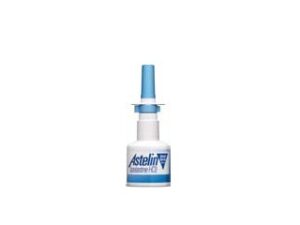
Azelastine (Azelastine hydrochloride) – Patient-Friendly Guide (Australia)
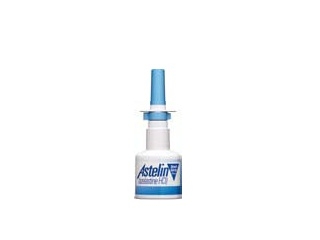
Azelastine is a medicine commonly used to relieve symptoms of allergic rhinitis (hay fever) and, in some forms, to treat allergic eye symptoms. It works by calming inflammation and reducing the release of allergy-related chemicals, helping you breathe more comfortably through your nose and/or easing itchy, watery eyes.
This page explains how azelastine works, how it is used, what to expect, and important safety information for people in Australia.
Basic product information
| Category | Details |
|---|---|
| Active ingredient | Azelastine (usually as azelastine hydrochloride) |
| Common forms |
|
| Medicine class | Antihistamine (H1 receptor antagonist) |
| Typical symptom relief | Sneezing, runny/stuffy nose, itching, watery eyes (depending on form) |
| Onset | Often starts working quickly, especially for nasal symptoms |
How azelastine works (mechanism of action)
Allergic symptoms occur when your immune system reacts to allergens (such as pollen, dust mites, or pet dander). This reaction triggers the release of histamine and other inflammatory signals. Histamine contributes to symptoms like itching, sneezing, watery discharge, and swelling.
Azelastine blocks histamine (H1) receptors on cells involved in the allergic response. In addition to antihistamine effects, azelastine can help reduce inflammatory activity in local tissues, which may improve symptoms more effectively than antihistamine-only action.
- Antihistamine effect: reduces itch and sneezing.
- Anti-inflammatory effect: helps calm swelling and irritation.
- Local symptom control: targets the affected area (nose or eyes, depending on the product).
Pharmacokinetics (how your body handles it)
Pharmacokinetics describes what happens to a medicine in the body: absorption, distribution, metabolism, and elimination.
For most people using intranasal (nasal spray) azelastine, the medicine primarily acts locally in the nasal tissues. Some absorption into the bloodstream can occur.
- Absorption: After nasal use, absorption can occur through nasal mucosa; overall systemic exposure is usually lower than with oral medicines.
- Distribution: Once in the bloodstream, azelastine can distribute to tissues. It is partly bound to plasma proteins.
- Metabolism: Metabolism occurs mainly in the liver (via enzymatic pathways). A metabolite may be formed.
- Elimination: The medicine and metabolites are cleared primarily through the kidneys and partly via other routes.
Individual response varies. Factors such as age, liver/kidney function, and dosing technique can influence how much is absorbed.
Typical use in Australia
Azelastine is most often used for:
- Allergic rhinitis (hay fever): to relieve nasal symptoms such as sneezing, itching, runny nose, and nasal congestion.
- Allergic conjunctivitis / itchy eyes: to relieve eye symptoms including itching, watering, and irritation (for azelastine eye drops).
Many people use it during allergy seasons (pollen months) or whenever symptoms flare up (for example, around dust exposure).
Indications (what it is used for)
Depending on the exact product and strength, azelastine medicines are indicated for allergic conditions affecting the nose and/or eyes. Indications may include:
- Seasonal or perennial allergic rhinitis
- Allergic conjunctivitis (itchy, watery eyes)
Always follow the instructions provided with your specific product label or packaging.
Timing and how quickly it works
One reason azelastine is popular is that it can provide relatively rapid symptom relief, particularly for nasal symptoms.
- For nasal spray: many people notice improvement within the first day of regular use, with symptom relief sometimes beginning sooner.
- For eye drops: relief may begin within minutes, though full benefit can take repeated doses over time.
For best results:
- Use consistently as directed, especially if your symptoms are frequent or triggered daily.
- If you’ve just started, give it a couple of days to settle into your routine.
Dosing (general guidance)
Dosing depends on the form (nasal spray vs eye drops), the strength, and your age. Because product strengths vary across brands, use the dosing schedule on your package or pharmacist advice.
Common dosing patterns include:
- Nasal spray: typically used once or twice daily in each nostril for adults and older adolescents, with dose frequency tailored to symptom control and product directions.
- Eye drops: typically used more than once per day, again depending on the specific strength and product label.
Important: If you miss a dose, take it when you remember unless it is close to your next dose. Do not use extra to “catch up.”
Technique matters: correct use improves distribution and reduces side effects (such as a bitter taste for nasal sprays).
Food interactions
Food interactions are usually minimal with azelastine nasal spray or eye drops because the medicine is used locally. Unlike oral medicines taken by mouth, you generally don’t need to avoid specific foods.
However, some people may notice a bitter taste with nasal spray if fluid drains into the throat. This can feel worse after eating certain foods, but it’s not generally considered a true “food interaction.”
- There is generally no need to take with or without food for nasal/eye products.
- If a bitter taste occurs, try using the spray correctly and consider sipping water afterward.
Alcohol and medicine interactions
Alcohol: Azelastine may cause drowsiness or dizziness in some people, though it is not the same for everyone. If you drink alcohol, be cautious—alcohol can increase sleepiness or reduce alertness.
- Avoid driving or operating machinery if you feel drowsy.
- If you notice any sedation after azelastine, consider limiting alcohol.
Other medicines: Tell your pharmacist or doctor about all medicines you use, including:
- Other antihistamines (to avoid duplicating effects)
- Sedating medicines (some cough/cold medicines, sleep aids, or certain pain medicines)
- Medicines that affect the brain or cause drowsiness
- Liver-metabolised medicines (though local forms usually have limited systemic exposure)
Generally, azelastine local products have fewer systemic interactions than oral medicines, but individual safety still depends on your overall medicine list.
Safety profile and side effects
Like all medicines, azelastine can cause side effects. Many people experience mild, temporary effects, especially in the first days of treatment.
Common side effects
- Nasal spray: bitter taste, nasal irritation or dryness, nosebleeds (occasionally), headache, sneezing or throat discomfort.
- Eye drops: mild eye irritation or burning/stinging, blurred vision for a short time, watery eyes.
Less common but important side effects
- Drowsiness or dizziness (more likely in sensitive individuals)
- Allergic reaction to the medicine (rare): swelling, rash, or breathing difficulties—seek urgent help if this occurs.
- Persistent nose or eye symptoms that worsen despite correct use—this may indicate another condition needing assessment.
When to seek urgent medical advice
Get urgent help immediately if you develop signs of a serious allergic reaction, including:
- Swelling of the face, lips, tongue, or throat
- Difficulty breathing
- Severe rash or widespread hives
Practical use tips (to get the best results)
Using azelastine nasal spray correctly
- Gently blow your nose before use to clear mucus.
- Shake the bottle if your product directions say to do so.
- Position the nozzle: aim slightly outward (toward the ear on the same side) rather than toward the centre septum.
- Inhale gently through your nose while spraying.
- Breathe normally and avoid sniffing hard.
- After use: if you get a bitter taste, try not to tilt your head too far back. A small sip of water may help.
- Keep it clean: wipe the nozzle tip and store as instructed.
Using azelastine eye drops correctly
- Wash and dry your hands before applying drops.
- Avoid touching the dropper tip to your eye or eyelids.
- Pull down the lower eyelid to create a small pocket.
- Instil the prescribed number of drops without blinking into the dropper.
- If you wear contact lenses, check the product guidance—some eye drops may require removing lenses first.
General tips for allergy control
- Limit exposure to triggers where possible (wash bedding, use allergen covers for dust mites, shower after high-pollen days).
- Consider saline rinses (if suitable for you) to reduce allergen load in the nose.
- Use consistently during known high-exposure periods.
Missed doses and overuse
Use azelastine only as directed for your specific product. If you accidentally use more than recommended, contact a pharmacist or relevant medical service for advice, especially if you experience unusual drowsiness, dizziness, or worsening side effects.
Alternatives to azelastine
Depending on the type of allergy symptoms you have (nose vs eyes) and your preferences, several other options may be considered. Alternatives often include:
- Intranasal corticosteroids (commonly used for persistent allergic rhinitis)
- Oral or non-sedating antihistamines (may be useful for whole-body allergy symptoms)
- Other intranasal antihistamines (similar aim but different active ingredients)
- Antihistamine eye drops (for itchy, watery eyes)
- Ocular mast cell stabilisers (help prevent allergy symptoms, often used seasonally)
The best choice depends on your symptom pattern, how quickly you need relief, and your tolerance for possible drowsiness.
Pharmacist-led guidance and recent recommendations (Australia)
Allergy management in Australia typically includes education on correct technique, trigger reduction, and choosing the right medicine for symptom severity and frequency. Pharmacy guidance often emphasises:
- Correct nasal/eye application technique to improve effect and minimise side effects.
- Ongoing use during high-allergy periods rather than occasional “as needed” dosing if symptoms persist.
- Reviewing symptoms if they do not improve after a reasonable trial, as other causes (infection, nasal polyps, non-allergic rhinitis) may mimic allergy.
- Consideration of comorbidities such as asthma or sinus disease when symptoms are significant.
Recommendations can change as new evidence becomes available. If you’re unsure, ask your pharmacist about the most appropriate approach for your symptoms and product choice.
Market and legal context for Australia
Medicines available in Australia are regulated to ensure safety, quality, and appropriate use. Azelastine products may be supplied under different arrangements depending on formulation and concentration. Availability can include pharmacist-only or lower-schedule categories for certain products, while other forms may require prescription pathways.
For online pharmacy purchasing, availability may depend on:
- Product listing status and schedule classification
- Strength and formulation (nasal spray vs eye drops)
- Age restrictions (where applicable)
- Availability of stock in your region
Always check product pages for the specific azelastine brand, strength, age guidance, and supply category.
Delivery, availability, and what to expect
Many Australian online pharmacies can deliver azelastine products directly to your home. Delivery options typically depend on your location (metropolitan vs regional/remote) and the courier service available.
- Stock availability: If a product is temporarily out of stock, you may be offered alternatives or expected restock dates.
- Packaging: Medicines are usually dispatched in manufacturer-approved packaging with clear labelling.
- Storage: Store azelastine products according to the label (often at controlled room temperature, and protect from heat or direct sunlight).
To avoid delays, ensure the delivery address is correct and accessible.
Storage and handling
- Follow the label instructions for temperature and storage.
- Keep the container sealed when not in use.
- Do not use past the expiry date.
- For eye drops, note the product’s guidance on whether opening affects shelf life.
Frequently asked questions (FAQ)
1) Is azelastine for hay fever?
Yes. Azelastine nasal spray is commonly used to relieve symptoms of allergic rhinitis (hay fever), such as sneezing, runny nose, itchy nose, and congestion.
2) How fast will azelastine work?
Many people experience symptom improvement relatively quickly, particularly for nasal symptoms. The exact timeline can vary based on the person, severity of allergy, and correct technique.
3) Can I use azelastine every day during allergy season?
If your symptoms are persistent during allergy season, many products can be used regularly as directed on the label. If you are using it daily and symptoms are not improving, ask a pharmacist for review.
4) Will azelastine make me drowsy?
Some people may feel drowsy or dizzy, though many do not. If you notice sleepiness after using azelastine, avoid alcohol and be careful with driving or machinery.
5) Is there a bitter taste with azelastine nasal spray?
A bitter taste is a known, sometimes common effect when nasal spray drains towards the throat. Correct aiming (slightly outward), gentle inhalation, and not tilting your head too far back can help.
6) Can I take azelastine with other allergy medicines?
It depends on what other allergy medicines you plan to use. Using multiple antihistamine products together may increase side effects. Ask a pharmacist if you are unsure, especially if you already take an oral antihistamine.
7) Are there any food restrictions?
Generally, there are no specific food restrictions for azelastine nasal spray or eye drops because it acts locally. However, a bitter taste may be more noticeable after eating.
8) What if my symptoms don’t improve?
If your symptoms are not controlled after following the directions for a reasonable trial, you may need a technique check or a different treatment approach. Allergic symptoms can also be caused or worsened by non-allergic triggers (irritants, sinus conditions, infections).
9) Can I use azelastine if I wear contact lenses?
For eye drops, contact lens guidance depends on the specific product. Some eye drops require removing lenses before use. Check the product label or ask a pharmacist.
10) Who should be extra cautious?
Extra caution is advised if you have a history of medication-related reactions, significant dizziness, or if you take other medicines that can cause sedation. If you are pregnant, breastfeeding, or managing chronic conditions, discuss suitability with a healthcare professional or pharmacist.
Summary
Azelastine is an antihistamine medicine used to relieve allergy symptoms, most commonly allergic rhinitis (nasal symptoms) and, with eye-drop formulations, allergic eye symptoms. It helps by blocking histamine and reducing local allergic inflammation. With proper technique and consistent use, it can provide meaningful relief—often starting relatively quickly.
If you want the best results, follow the product label closely, use correct application technique, and seek pharmacist advice if you experience side effects or symptoms that don’t improve.