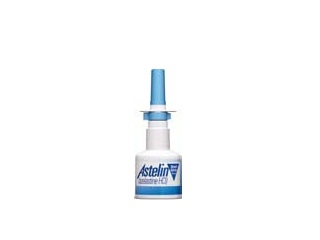
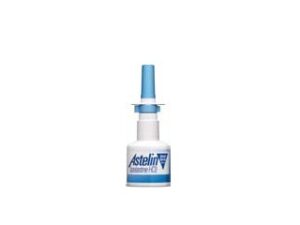
Astelin (Azelastine) Nasal Spray — Patient Guide (Australia)
Astelin is a brand of azelastine, an antihistamine used to help relieve symptoms caused by allergies in the nose. It is commonly prescribed for people who experience sneezing, itching, a runny nose, or nasal congestion related to allergic rhinitis (hay fever) or other allergic conditions.
This guide is designed to be clear and patient-friendly. It explains what Astelin is, how it works, how to use it, what to expect, key safety information, and how it fits into allergy care in Australia.
Basic product information
- Medicine: Astelin (azelastine) nasal spray
- Active ingredient: Azelastine hydrochloride
- Medicine type: Antihistamine (second-generation)
- Route: Intranasal (spray into the nose)
- Common indications: Allergic rhinitis (seasonal or persistent)
- Typical availability in Australia: Availability may vary by brand and formulation; pharmacists and pharmacies can advise based on current listings and supply.
Note: Product strengths and pack sizes can vary. Always check the specific label on your Astelin packaging for concentration and dosing instructions.
How Astelin works (mechanism of action)
Azelastine is a histamine H1 receptor antagonist. In allergic rhinitis, your immune system releases histamine and other inflammatory chemicals that cause symptoms such as:
- sneezing
- itching
- runny nose
- nasal swelling and congestion
By blocking histamine receptors, Astelin helps reduce these allergy-driven symptoms. Azelastine may also help calm parts of the inflammatory response in the nasal lining, which contributes to its symptom relief.
Pharmacokinetics (how the body handles azelastine)
After nasal use, azelastine acts mainly in the nasal tissues. Some absorption into the bloodstream occurs, though intranasal dosing generally results in relatively low systemic exposure compared with oral medicines.
- Onset: Many people notice symptom improvement quickly (often within hours), particularly for runny nose, sneezing, and itching.
- Absorption: The nasal route delivers medicine locally with partial systemic absorption.
- Metabolism: Azelastine is metabolised in the body, including via liver pathways.
- Elimination: Metabolites and small amounts of drug are cleared through normal body elimination processes.
Practical takeaway: Because it acts quickly for many users, it’s commonly used at the time you first notice symptoms or when you’re exposed to known triggers.
Typical use and indications
Astelin is used for nasal allergy symptoms. Depending on local labelling and your specific condition, it may be used for:
- Allergic rhinitis (including seasonal allergies such as pollen exposure)
- Persistent allergic rhinitis (ongoing symptoms, often related to dust mites, pets, or other indoor allergens)
- Symptom relief such as sneezing, itching, rhinorrhoea (runny nose), and nasal congestion related to allergy
If you have non-allergic causes of rhinitis (for example, viral colds or irritant exposure), tell your pharmacist or doctor—treatment may differ.
When to take Astelin (timing)
Astelin is typically used on a regular schedule during allergy periods, or as directed for your symptoms. For best results:
- Start early: If you know allergy seasons or triggers, starting before symptoms peak may help.
- Use consistently: Regular use can maintain symptom control.
- Observe onset: Many people see improvements within a few hours. However, some symptoms (like congestion) may take repeated dosing to fully settle.
Missed dose: If you miss a dose, use it when you remember unless it is near the time for your next dose. Do not use extra spray to make up for a missed dose.
Dosing (general guidance)
Dosing should follow the instructions on your product label and your healthcare professional’s advice. Below are common general patterns used for azelastine nasal sprays. Always confirm the dose for the exact product you have.
| Patient group | Typical dosing pattern (general) | Frequency | Notes |
|---|---|---|---|
| Adults | One or two sprays in each nostril | Usually 1–2 times daily | Some people require twice-daily dosing for better control. |
| Older children / adolescents | Dose may differ by age and product strength | Usually once daily to twice daily | Use only if age-appropriate for your product label and advice. |
Important: Do not change the dose frequency or number of sprays unless advised. If symptoms aren’t controlled, discuss options rather than increasing dose on your own.
How to use Astelin correctly (practical step-by-step)
Correct technique can make a big difference in how well the medicine works.
- Before first use: Prime the spray device as directed on your leaflet. (Priming helps ensure each spray delivers the right amount.)
- Gently blow your nose if needed to clear mucus.
- Shake the bottle if the product label instructs you to.
- Tilt your head slightly forward.
- Spray technique:
- Insert the nozzle into one nostril.
- Point the nozzle slightly outward—aim away from the middle (septum) to reduce irritation.
- Press the pump while breathing in gently through the nose.
- Repeat for the other nostril if your dose requires it.
- After spraying: Try not to sniff hard immediately after; gentle breathing is preferred.
- Wipe the nozzle and close the cap.
- Clean regularly as directed to prevent blockage.
If you feel burning, nosebleeds, or strong irritation, review technique with your pharmacist. Poor technique can worsen local side effects.
Expected effects and timing of symptom relief
Many users report a quick reduction in:
- sneezing
- itching
- runny nose
Congestion can be slower to improve in some people. Consistent use and correct application often improve results over several days.
When to reassess: If you’ve used Astelin as directed for several days and your symptoms remain uncontrolled—or if symptoms are severe—speak with a healthcare professional about whether you need a different approach or an add-on.
Food interactions
Food interactions are not usually a major concern with intranasal azelastine because the medicine is used in the nose and works locally. However, absorption into the bloodstream can occur, and you should still consider the following general points:
- Take medications exactly as labelled; avoid changing dosing schedules based solely on meals.
- If you experience nausea or taste changes, try using the spray when you’re not eating heavily.
Always inform your pharmacist of all medicines and supplements you take, especially if you also use sedating antihistamines.
Alcohol and medicine interactions
Azelastine can cause drowsiness in some people. Alcohol can increase this effect.
- Alcohol: It’s generally advisable to limit alcohol, particularly when you first start Astelin or if you notice sleepiness.
- Other sedating medicines: Caution with other medicines that cause drowsiness (for example, some cough medicines containing antihistamines, sleep aids, and some anti-anxiety medicines).
Tell your pharmacist if you take:
- sedating antihistamines (including some “cold and allergy” products)
- sleeping tablets
- opioid pain medicines
- medicines for anxiety or muscle relaxation
- other treatments that may affect the central nervous system
Driving and operating machinery: If Astelin makes you feel drowsy or dizzy, avoid driving or operating machinery until you know how the medicine affects you.
Safety profile and common side effects
Most people tolerate Astelin well. As with all medicines, it can cause side effects. Many are mild and reduce with continued use.
Common side effects
- Taste disturbance (sometimes bitter or unusual taste, especially if fluid flows to the throat)
- Nasal irritation (burning or stinging)
- Dry nose or mild discomfort
- Headache
- Somnolence (sleepiness) in some users
- Dizziness (less common)
Less common but important effects
- Nosebleeds (usually mild; technique and humidity can help)
- Wheezing or breathing difficulty (seek urgent advice if severe)
- Allergic reaction to the medicine (rare)
When to seek urgent medical help
Get urgent medical attention if you experience signs of a severe allergic reaction, such as:
- swelling of the face, lips, tongue, or throat
- severe rash or hives
- trouble breathing or swallowing
- fainting or severe dizziness
Contact your pharmacist promptly if you have persistent nosebleeds, severe irritation, or worsening symptoms.
Special precautions
- Driving/attention: Use caution if you feel drowsy.
- Pregnancy and breastfeeding: If you are pregnant or breastfeeding, discuss suitability with a healthcare professional.
- Children: Use only if age-appropriate and per the product label and advice.
- Other nasal conditions: If you have nasal ulcers, frequent nosebleeds, recent nasal surgery, or severe nasal blockage, ask your pharmacist how to use the spray safely.
Practical use tips for better results
- Use gentle technique: Aim slightly outward and avoid spraying toward the middle of the nose to reduce irritation.
- Avoid sniffing hard immediately: Gentle inhalation helps deposit medicine in the nose.
- Manage triggers: Reduce exposure to pollen, dust mites, and pet allergens where possible (e.g., regular cleaning, allergen-proof bedding covers, and closing windows during high pollen times).
- Consider timing with your day: If you notice drowsiness, use earlier in the day rather than before driving or at night, unless advised otherwise.
- Keep your nose comfortable: Saline rinses or humidification may help if you have dryness (check with your pharmacist for timing relative to your sprays).
If you also use other nasal sprays: Tell your pharmacist. Some combinations are appropriate, while others may increase irritation or dry the nasal lining.
Alternative options for allergy rhinitis
Astelin (azelastine) is one option among several medicines used for allergic rhinitis. Alternatives may include:
Other intranasal therapies
- Intranasal corticosteroids (often first-line for persistent symptoms). Examples include fluticasone or mometasone, depending on what’s available.
- Other antihistamine nasal sprays (different active ingredients).
Oral medicines
- Oral non-drowsy antihistamines (second-generation options). Some may be preferred if you want to avoid nasal irritation.
- Combination therapies may be considered for difficult symptoms.
Adjunctive measures
- Saline irrigation to rinse allergens and mucus
- Allergen avoidance strategies
Your pharmacist can help choose the best approach based on your symptom pattern (seasonal vs persistent, congestion vs runny nose, and whether you need fast relief).
Market and legal context for Australia
In Australia, the availability of medicines depends on product scheduling, formulation, and supply policies. Intranasal antihistamine sprays may be supplied through pharmacies and under applicable arrangements.
What this means for you:
- Availability and brand listings can change.
- Your pharmacist may recommend an equivalent treatment if a specific brand is temporarily unavailable.
- Always use medicines from a reputable source to ensure the product matches Australian quality and safety standards.
Remember: If symptoms are recurrent or severe, it may be worth reviewing your allergy diagnosis and long-term management plan.
Recent guidance and best-practice considerations
Allergy care commonly emphasises:
- Trigger awareness (pollen forecasts, dust mite control, and minimising irritants)
- Stepwise treatment (starting with appropriate medicines and adjusting if control is inadequate)
- Correct technique for nasal sprays to improve effectiveness and reduce local side effects
- Combination approaches when symptoms are not controlled with one medicine alone (this decision should be personalised)
Guidelines also encourage monitoring for adverse effects such as drowsiness and ensuring safe use alongside other medicines, especially sedating agents.
Delivery and availability
Online pharmacies in Australia typically deliver prescription and/or pharmacist-supplied medicines depending on product status and local requirements. Availability may vary based on demand and supplier stock.
- Stock updates: If Astelin is temporarily unavailable, the pharmacy may offer comparable alternatives.
- Packaging and storage: Store the nasal spray at controlled room temperature as stated on the label, and keep it protected from excessive heat.
- Check expiry date: Use by the expiry printed on the pack.
If you have urgent symptoms, contact the pharmacy for estimated delivery times and whether alternatives are in stock.
Frequently Asked Questions (FAQ)
1) How fast does Astelin work?
Many people notice improvement within a few hours, particularly for sneezing, itching, and runny nose. Congestion may take longer and can improve with consistent daily use.
2) Can I use Astelin every day?
It may be used regularly during allergy seasons or when symptoms are persistent, according to the dosing instructions on your label and advice from your pharmacist or healthcare professional.
3) Will it make me sleepy?
Some people experience drowsiness or dizziness. If this happens, avoid driving or operating machinery and consider using the spray at times when you can rest. Avoid alcohol until you know how you respond.
4) Is it safe to use with other allergy medicines?
Often, yes—but it depends on what medicines you’re using. Tell your pharmacist about all medications and supplements, including other nasal sprays, oral antihistamines, and cold/flu products.
5) What should I do if it tastes bitter?
A bitter taste can occur if medicine drains into the throat. Ensure you:
- tilt your head slightly forward
- spray gently
- use correct technique and avoid sniffing hard
If taste disturbance is severe or persistent, speak with your pharmacist about technique and alternatives.
6) Can I drink alcohol while using Astelin?
Alcohol may increase drowsiness. It’s generally best to limit or avoid alcohol, especially when starting Astelin or if you’ve noticed sleepiness.
7) How do I avoid nosebleeds?
Nosebleeds can be related to dryness or irritation. Tips include using gentle technique, not aiming too far toward the centre septum, and keeping your environment comfortably humid. Seek advice if nosebleeds are frequent or heavy.
8) What if my symptoms are not improving?
If you’re not achieving adequate relief, it may be due to the allergy type, trigger exposure, or a need for a different plan (for example, adding or switching to another nasal therapy). Discuss this with your pharmacist.
9) Can I use Astelin for colds?
Astelin is designed for allergy symptoms. Colds have different causes. If you suspect viral symptoms rather than allergies, ask a pharmacist what option is most appropriate.
10) How should I store Astelin?
Store according to the label instructions. Keep the bottle closed and away from extreme heat. Check the expiry date and discard any expired product.
Summary
Astelin (azelastine) nasal spray is an antihistamine used to relieve symptoms of allergic rhinitis, including sneezing, itching, runny nose, and nasal congestion. It works by blocking histamine receptors and can provide symptom relief within hours for many users. The key to getting the best results is correct spray technique, consistent use during allergy exposure, and attention to safety—particularly drowsiness and interactions with alcohol and other sedating medicines.
If you’re unsure about dosing, combining Astelin with other allergy treatments, or managing persistent symptoms, your local Australian pharmacist can provide tailored guidance.