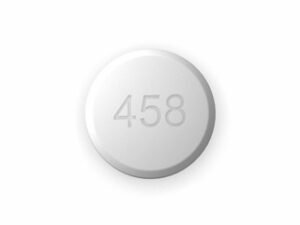
Atarax (Hydroxyzine) — Patient Information (Australia)
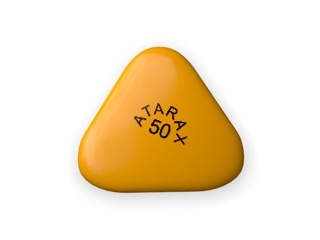
Atarax contains hydroxyzine, an antihistamine medicine used to help relieve symptoms related to allergy and also to treat anxiety and other conditions where calming or sedation may be helpful. This page explains what Atarax is, how it works, how to take it safely, what to expect, and important interactions and precautions for people in Australia.
If you have any concerns about whether Atarax is right for you, speak with a healthcare professional or pharmacist. Always use medicines according to the directions provided for you.
1. Basic product information
| Feature | Information |
|---|---|
| Brand | Atarax |
| Active ingredient | Hydroxyzine |
| Medicine type | Antihistamine (H1 receptor antagonist); also has anxiolytic/sedative effects |
| Common strengths/forms | Available in tablet and other formulations depending on product range |
| Uses | Allergy symptoms, anxiety, and related conditions (see “Typical use”) |
| Key safety considerations | Drowsiness, dry mouth, constipation, dizziness; possible heart rhythm effects in certain cases |
2. How Atarax works (mechanism of action)
Hydroxyzine works mainly by blocking histamine H1 receptors. Histamine is a substance released in the body during allergic reactions and can cause symptoms such as itching, hives (urticaria), runny nose, and sneezing. By blocking histamine, Atarax helps reduce these symptoms.
Hydroxyzine can also affect certain brain pathways involved in arousal and anxiety, which is why it may be used for temporary relief of anxiety or for calming in specific situations.
- Antihistamine effect: reduces itch and allergy-related symptoms
- Sedating/anxiolytic effect: may reduce tension and help with sleep when appropriate
- Anticholinergic properties: contribute to common side effects like dry mouth and constipation
3. Pharmacokinetics (how your body handles it)
Pharmacokinetics describes how the medicine is absorbed, distributed, metabolised, and eliminated. While individual responses vary, the key points below help you understand what to expect.
Absorption
Hydroxyzine is absorbed after oral dosing. Peak effects may occur within a few hours, but this can vary depending on the dose and formulation. Some people feel drowsy fairly quickly.
Distribution
Hydroxyzine distributes throughout the body, including the central nervous system, which contributes to its calming and sedative effects.
Metabolism
Hydroxyzine is primarily metabolised by the liver. People with liver impairment may require extra caution, as the medicine could stay in the body longer.
Elimination
Hydroxyzine and its metabolites are eliminated via the kidneys. If you have kidney problems, ask a healthcare professional for advice about safe dosing and monitoring.
Important: Even when you stop feeling drowsy, the medicine may still be active in your system. Avoid risky activities until you know how Atarax affects you.
4. Typical use in Australia
Atarax (hydroxyzine) is used to treat a range of conditions where antihistamine or calming effects are beneficial. Depending on the individual and local prescribing practices, it may be used for:
- Allergic conditions: itching and hives (urticaria) associated with allergic reactions
- Short-term relief of anxiety: especially when a calming effect is desired
- Adjunctive use: sometimes as part of management for symptoms where sedation or relief of distress is helpful
Your healthcare professional will consider factors such as your symptoms, medical history, other medicines you take, and suitability for hydroxyzine.
5. Indications (what it is used for)
In practice, Atarax may be indicated for:
- Allergic skin reactions (itching, urticaria).
- Symptomatic relief of anxiety symptoms when appropriate.
- Adjunctive management of distressing symptoms where antihistamine sedation may help (depending on clinician guidance).
If your symptoms are severe, rapidly worsening, or associated with breathing difficulties, facial swelling, or fainting, seek urgent medical attention.
6. Dosing: general information
Dosing depends on the reason you are taking Atarax, your age, and your health profile (including kidney and liver function). Always follow the directions provided for your medicine.
General adult guidance (for information only)
Common dosing schedules for hydroxyzine vary widely across conditions and formulations. Many people start with a lower dose to assess tolerability and avoid excessive drowsiness. If you experience strong sedation, dizziness, or confusion, contact your healthcare professional.
Children and older adults
Atarax may be used in children in some circumstances, but dosing must be carefully determined by a clinician. In older adults, sensitivity to sedating medicines may be higher, and side effects can be more pronounced.
Do not adjust your dose without professional advice, and do not combine Atarax with other sedatives unless instructed.
7. Timing: when to take Atarax
Hydroxyzine can cause drowsiness and slowed reaction time. Many people take it at times that fit their schedule and reduce risk—often in the evening if sedation is expected.
- For allergy symptoms: follow the recommended schedule; some people prefer daytime dosing for itching.
- For anxiety or sleep-related issues: consider taking it when you can safely rest, as directed.
- Consistency: taking at similar times each day can help maintain steady symptom control.
If you miss a dose, take it when you remember unless it is close to the next dose. Avoid doubling up. When in doubt, ask your pharmacist for advice based on your regimen.
8. Food interactions (what to watch)
Hydroxyzine is generally taken with or without food. However, certain habits can increase side effects:
- Taking with food: may reduce stomach upset for some people, though it may also delay the onset slightly.
- Heavy meals: could delay absorption for some oral medicines, potentially affecting timing of symptom relief.
The key food-related consideration is not a specific “food interaction” but rather the way drowsiness may affect your day. Plan accordingly, especially after the first dose or after changing dose.
9. Alcohol and medicine interactions
Alcohol
Do not drink alcohol while taking Atarax unless your healthcare professional has said it is safe. Alcohol can increase sedation, impair coordination, and increase the risk of accidents.
Other medicines that may interact
Hydroxyzine may interact with medicines that also depress the central nervous system (CNS) or affect heart rhythm. Tell your pharmacist about everything you take, including medicines, vitamins, supplements, and herbal products.
- Sedatives and sleeping tablets: increased drowsiness and reduced alertness.
- Opioid pain medicines: higher risk of severe drowsiness, breathing problems, and falls.
- Other antihistamines: risk of excessive sedation and anticholinergic effects (dry mouth, constipation, urinary retention).
- Anti-anxiety medicines / antipsychotics: additive calming effects may occur.
- Medicines known to affect heart rhythm (QT prolongation): combination may increase the risk of abnormal heart rhythms in susceptible people.
- Medicines that inhibit liver enzymes (CYP-related interactions): could increase hydroxyzine levels and side effects.
If you develop palpitations, fainting, severe dizziness, or worsening shortness of breath, seek urgent medical assessment.
10. Safety profile: side effects and warnings
Most people tolerate hydroxyzine well, but like all medicines it can cause side effects. Side effects may be more likely at higher doses or in older adults.
Common side effects
- Drowsiness or sedation
- Dizziness
- Dry mouth
- Headache
- Constipation or other bowel changes
- Blurred vision
- Fatigue
Less common but important risks
- Urinary retention (more likely in people with prostate problems or bladder outlet obstruction).
- Confusion or cognitive slowing, particularly in older adults.
- Allergic reactions to the medicine (e.g., rash, swelling, breathing difficulty).
- Heart rhythm effects (QT prolongation) in susceptible individuals, especially with high doses or interacting medicines.
When to seek urgent help
Seek urgent medical attention if you experience:
- Fainting or near-fainting
- Severe dizziness that doesn’t settle
- New palpitations with light-headedness
- Breathing difficulty, wheezing, or swelling of the face/lips/tongue
- Severe agitation, confusion, or unusual behaviour
11. Practical use tips (getting the best and safest results)
Start safely
- First doses: try it at a time when you can be at home and monitor how you feel.
- Don’t drive or operate machinery until you know how Atarax affects you.
Manage dry mouth and constipation
- Sip water regularly; sugar-free lozenges or gum may help if appropriate for you.
- Maintain fibre and hydration; if constipation occurs, consider gentle diet and lifestyle adjustments and discuss options with your pharmacist.
Reduce fall risk
- Stand up slowly to reduce dizziness.
- Keep pathways clear—especially at night if drowsiness occurs.
Keep to your schedule
Hydroxyzine can be effective, but the timing and dose matter. Avoid taking extra doses to “catch up” without professional advice.
12. Alternative options
Depending on what you’re treating (allergies, anxiety, itching, or sleep-related symptoms), alternatives may include other antihistamines or other classes of medicines. Availability and suitability vary by individual and condition.
Allergy/itch alternatives
- Non-sedating antihistamines (e.g., cetirizine, loratadine, fexofenadine) may be preferred for daytime use when drowsiness is a concern.
- Topical treatments for itch (e.g., soothing lotions) may support symptom relief.
Anxiety-related alternatives
- Other short-term anxiety management options may be considered based on your situation. Some people may also benefit from non-medicine approaches such as structured counselling, relaxation strategies, or sleep hygiene.
A pharmacist can help you compare options based on symptom type, age, medical history, and what other medicines you are taking.
13. Market and legal context for Australia
In Australia, medicine supply and online pharmacy sales are regulated to help ensure safe access to medicines. Hydroxyzine products such as Atarax are generally classified according to Australian scheduling rules and may require assessment or specific processes depending on strength and formulation.
When buying online, you may be asked to complete a brief medicine safety check and provide delivery details. This helps ensure you receive the correct product and dosing information appropriate for you.
Always check the product page for its current status, required steps, and any additional information required for purchase.
14. Recent guidance and safety updates (general)
Over recent years, health authorities have continued to review medicines that can affect the heart’s electrical system (QT interval). Hydroxyzine has been discussed in the context of dose and risk factors (for example, high doses, existing heart rhythm issues, low potassium or magnesium, or interacting medicines that also prolong QT).
As guidance evolves, healthcare professionals may emphasise:
- Using the lowest effective dose
- Extra caution in people with heart disease or known rhythm problems
- Avoiding interacting medicines when possible
- Careful review in older adults or those with liver impairment
If you have heart disease, fainting episodes, or you take medications for rhythm or electrolyte balance, speak with a pharmacist before using hydroxyzine.
15. Delivery and availability in Australia
Atarax (hydroxyzine) availability can vary by formulation and strength. Most online pharmacies provide:
- Secure ordering: your details are used for safety checks and delivery purposes.
- Estimated delivery times: displayed at checkout; exact times depend on your location.
- Packaging: medicines are typically shipped in protective packaging to maintain product integrity.
Delivery policies can differ between pharmacies. Please review the site’s delivery and returns information before ordering.
16. Storage and handling
- Store at room temperature unless the label instructs otherwise.
- Keep out of reach of children.
- Protect from moisture and direct sunlight as directed on the package.
- Do not use after the expiry date on the label/box.
17. FAQ (Frequently asked questions)
How quickly does Atarax work?
Many people notice effects within a few hours after taking hydroxyzine. Drowsiness may occur sooner. Individual timing varies, especially between formulations and depending on whether you have eaten.
Will Atarax make me sleepy?
Yes, drowsiness is a common effect. Some people feel only mild relaxation, while others feel significant sedation. Avoid driving or operating machinery until you know your response.
Can I take Atarax during the day?
Some people do, especially if the dose is low and they tolerate the sedation. If you must stay alert, consider discussing alternative non-sedating antihistamines with a pharmacist.
Is Atarax safe to take with other allergy medicines?
Be cautious about combining with other antihistamines, as it can increase drowsiness and anticholinergic side effects. Always check with your pharmacist if you’re unsure.
What should I do if I drink alcohol?
It’s recommended to avoid alcohol while using Atarax because alcohol can intensify sedation and impair coordination. If you already drank alcohol, avoid further doses and seek medical advice if you feel overly drowsy or unwell.
Can I take Atarax if I have heart problems?
Extra caution is needed for people with heart rhythm conditions or those taking medicines that affect QT interval. Tell your healthcare professional and pharmacist about your cardiac history and all medicines you use.
Does Atarax cause weight gain?
Weight gain is not a guaranteed or common effect for hydroxyzine, but reduced activity due to sedation could contribute indirectly for some people. If you notice unexpected changes, discuss them with a healthcare professional.
What are “anticholinergic” side effects?
These are effects linked to reduced cholinergic activity, which can lead to dry mouth, constipation, blurred vision, and sometimes urinary retention. If these symptoms are troublesome, speak with a pharmacist.
How long can I take Atarax?
The appropriate duration depends on why you’re taking it. For some conditions it may be short-term, while others require review if symptoms persist. Follow the directions on your product or the advice provided to you.
Can I stop Atarax suddenly?
In many cases, hydroxyzine can be stopped without tapering, especially if used short term. However, if you are using it regularly for anxiety or sleep, discuss stopping plans with a pharmacist or clinician for personalised advice.
What should I do with unused Atarax?
Keep it in the original packaging. Do not flush tablets. Follow local disposal guidance from your pharmacy or local council for safe disposal.
Summary
Atarax (hydroxyzine) is an antihistamine that can relieve allergy-related symptoms such as itching and hives, and it may also provide short-term calming effects for anxiety or distressing symptoms. Its most noticeable downside for many people is drowsiness, along with dry mouth and constipation due to its anticholinergic properties.
For the safest experience, use Atarax as directed, avoid alcohol, be careful with other sedating medicines, and consider extra precautions if you have heart rhythm risk factors or kidney/liver impairment. If you’re unsure about interactions or side effects, a pharmacist can help you make an informed choice.