CellCept® (Mycophenolate mofetil) — Patient Guide (Australia)
CellCept is a medicine used to help prevent the immune system from attacking a transplanted organ and to reduce rejection risk. It belongs to a group of medicines called immunosuppressants. This guide explains what CellCept is, how it works, how it is typically used, common precautions, interactions, and what you can expect in day-to-day use in Australia.
Please note: information below is designed to be patient-friendly and general. Always follow your clinician’s instructions for your specific situation.
1. Basic product information
| Item | Details |
|---|---|
| Brand name | CellCept® |
| Generic name | Mycophenolate mofetil |
| Medicine type | Immunosuppressant (anti-rejection/immune-modulating) |
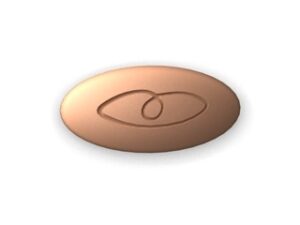
| Common dosage forms | Tablets and capsules (and in some settings, oral liquid depending on brand/formulation availability) |
| Who it is for | People receiving certain organ transplants; in some circumstances, other immune conditions as determined by a specialist |
| Key active component | Mycophenolic acid (MPA) is the active form produced in the body from mycophenolate mofetil |
2. How CellCept works (mechanism of action)
Your immune system defends you against infections. In transplant medicine, we want a controlled reduction in immune activity so the body is less likely to reject the new organ.
CellCept (mycophenolate mofetil) works by reducing the production of DNA building blocks needed for certain immune cells—particularly T and B lymphocytes. It inhibits an enzyme called inosine monophosphate dehydrogenase (IMPDH), which lowers the availability of purines. Without enough purines, lymphocyte growth and antibody production are reduced, helping prevent rejection.
Because it suppresses parts of the immune response, CellCept can increase susceptibility to infections and may affect blood counts.
3. Pharmacokinetics (what the body does to the medicine)
Pharmacokinetics describes absorption, distribution, metabolism, and elimination—how the body handles the medicine.
- Absorption: After taking CellCept, mycophenolate mofetil is converted to the active metabolite mycophenolic acid (MPA).
- Time to effect: CellCept does not provide an immediate “pain relief” type effect; its benefit is protective over time by suppressing immune activity.
- Metabolism: MPA is processed in the body through metabolism (including formation of an inactive metabolite, and enterohepatic recirculation effects may occur).
- Protein binding: MPA binds to proteins in the blood, which can influence interactions with other medicines.
- Elimination: The metabolites are cleared primarily via the liver and kidneys.
Clinicians sometimes monitor therapy (including blood tests such as MPA levels in certain situations), particularly when drug interactions, changes in kidney function, or stability concerns arise.
4. Typical use in Australia
CellCept is most widely used as part of an immunosuppressive regimen following organ transplantation. It is commonly used in combination with other immunosuppressants (for example, corticosteroids and other agents) based on your transplant protocol and your specialist’s plan.
In some non-transplant immune conditions, mycophenolate medicines may be used where appropriate under specialist direction. Your clinician will determine whether CellCept is suitable for your diagnosis.
Common goals
- Reduce risk of organ rejection
- Maintain immunosuppressive control with combination therapy
- Support graft survival (the functioning transplanted organ)
5. Timing and how to take CellCept
CellCept is usually taken twice daily as part of a steady regimen. The exact dose and schedule depend on the transplant type, your body size (especially in children), kidney function, and your specialist plan.
Practical timing tips
- Try to take at the same times each day (for example, morning and evening).
- Take consistently: missing doses can affect immune control.
- Do not double up if you miss a dose—follow your clinician/pharmacist advice.
- If you experience stomach upset, ask about taking with food strategies (see food interactions below).
If you miss a dose
If you miss a dose, take it when you remember unless it is close to the next dose. Avoid taking extra doses without advice, because increased levels may raise side effects (such as infection risk and blood count changes).
6. Food interactions (what to know)
Food can affect the absorption of some medicines. For CellCept, food may influence absorption, though it is not always clinically significant for every person.
Many patients are advised to take CellCept consistently the same way each day (with or without food) to keep blood levels steady.
- Consistency matters: Take it the same way every day (e.g., always with food or always on an empty stomach), unless your clinician instructs otherwise.
- Tell your clinician if you have significant gastrointestinal side effects (nausea, vomiting, diarrhoea), as these may change absorption.
If you are unsure, ask your pharmacist how your specific brand/formulation should be taken.
7. Alcohol and medicine interactions
Alcohol
There is no single universal “safe amount” of alcohol for everyone taking immunosuppressants. Alcohol may worsen side effects such as stomach upset, dizziness, and sleep disturbance, and it can affect liver health.
- Discuss alcohol use with your healthcare professional, especially if you have liver disease or a history of heavy alcohol use.
- Moderation is typically advised, and avoid binge drinking.
Interactions with other medicines
CellCept can interact with several commonly used medicines. Some interactions reduce effectiveness; others increase side effects. Always inform your pharmacy of all medicines you take, including over-the-counter products and herbal supplements.
- Antacids: Some antacids (particularly those containing aluminium or magnesium) may affect absorption—ask your pharmacist.
- Proton pump inhibitors (PPIs) and acid-reducing medicines: Some acid suppressing therapies may alter exposure to mycophenolic acid. Your pharmacist may check compatibility.
- Sevelamer (phosphate binder): May reduce absorption of mycophenolate.
- Cholestyramine: Can reduce MPA levels by affecting enterohepatic recirculation.
- Live vaccines: Immunosuppression can make live vaccines unsafe. Inactivated vaccines may still be needed but require advice.
- Other immunosuppressants: Combination regimens may be intentional, but they can increase infection risk, so monitoring is important.
Drug interaction risk can also be influenced by kidney function and whether you are using medications that affect blood counts or the immune system.
8. Indications (what CellCept is used for)
In Australia, the main indication for CellCept is as part of immunosuppressive therapy for transplant patients. It may be prescribed for other immune-mediated conditions where a specialist determines benefit outweighs risk.
Transplant-related use
- Prevention of organ rejection in people receiving certain organ transplants, usually alongside other immunosuppressants.
Other immune conditions (specialist-directed)
- May be used for certain autoimmune or immune conditions as directed by specialists, depending on local practice and the individual’s case.
If you are unsure why you were prescribed CellCept, check your medication label and speak to your prescribing clinician or pharmacist.
9. Dosing (typical schedules and factors)
Dosing is individual. Your clinician will set the dose based on your transplant type, age, body size (especially children), tolerance, kidney function, and safety monitoring results.
General dosing principles
- Adults: Often taken as twice daily dosing (commonly 1 g twice daily in many transplant protocols, though individual doses vary).
- Children: Doses are often weight-based and tailored carefully.
- Kidney function: Your clinician may adjust dosing or increase monitoring if kidney function changes.
- Blood count monitoring: If blood counts drop or side effects occur, dose adjustments may be needed.
When clinicians may adjust dose
- Persistent or severe diarrhoea/vomiting (possible absorption issues)
- Frequent infections or signs of bone marrow suppression
- Significant drop in white blood cells or platelets
- Drug interactions requiring level optimisation
Do not change your dose without medical advice. If you think your dose is wrong or you can’t tolerate the medicine, contact your healthcare professional promptly.
10. Safety profile: common risks and serious warnings
CellCept can be effective, but it carries important risks because it suppresses immune function. Most side effects are manageable with monitoring, dose adjustment, and supportive care—however, you should know what to watch for.
Common side effects
- Gastrointestinal symptoms (nausea, diarrhoea, abdominal discomfort)
- Headache
- Tremor or dizziness (less common)
- Fatigue
- Blood count changes (e.g., lowered white blood cells)
Serious risks (seek urgent medical advice if these occur)
- Signs of infection: fever, chills, sore throat, persistent cough, painful urination, or unusual weakness
- Unusual bruising or bleeding: may indicate low platelets
- Severe diarrhoea or vomiting that prevents hydration
- Allergic reaction: swelling, rash, difficulty breathing
- Persistent mouth ulcers or severe infections
Long-term considerations
- Increased risk of certain cancers: long-term immunosuppression may increase risk of lymphoma and skin cancers. Use sun protection and have regular skin checks.
- Vaccination considerations: live vaccines are generally avoided during immunosuppression.
- Monitoring needs: regular blood tests are common (full blood count, kidney/liver function) as determined by your treating team.
Fertility, pregnancy, and breastfeeding
Mycophenolate medicines are associated with significant risks to unborn babies. People who can become pregnant, their partners, and those planning pregnancy should have detailed counselling before starting or continuing therapy.
- Do not start or stop without specialist advice.
- Use effective contraception as directed by your clinician.
- If pregnancy occurs, contact your transplant/immune specialist immediately to discuss urgent next steps.
- Breastfeeding decisions should be discussed with your healthcare professional.
Because the pregnancy prevention requirements are strict for mycophenolate, follow the guidance you were given by your transplant or prescribing team.
11. Practical use tips for everyday life
Adherence is key
- Use reminders (phone alarms, pill boxes) to reduce missed doses.
- If you travel, plan ahead for your supply and keep medicines in original packaging.
Infection prevention
- Practice good hand hygiene.
- Avoid close contact with people who have contagious illnesses.
- Seek advice early if you develop fever or signs of infection.
- Keep vaccinations up to date as advised by your clinician (many live vaccines are not recommended).
Blood test and monitoring schedule
Many patients will have routine blood tests to monitor:
- White blood cell count and platelets
- Kidney function
- Liver function
- Sometimes mycophenolic acid exposure levels
Managing stomach upset
- Take your doses in a consistent way regarding food.
- Stay hydrated if you experience diarrhoea.
- Tell your clinician if symptoms persist—dose adjustments or supportive treatment may be needed.
Sun safety
- Use sunscreen and protective clothing.
- Report any changing skin spots to your doctor promptly.
12. Alternative options
If CellCept is not suitable due to side effects, interactions, or other clinical reasons, your specialist may consider alternative immunosuppressants.
Possible alternatives (examples)
- Azathioprine (another immunosuppressant used in some transplant regimens)
- Other mycophenolate formulations (depending on availability and individual factors—your pharmacist can advise)
- Other immunosuppressants depending on your transplant protocol (your transplant team determines the best combination)
Switching medicines can change immune control and side effects, so it’s a specialist decision and must be supervised.
13. Market and legal context in Australia (overview)
In Australia, medicines like CellCept are regulated by the Therapeutic Goods Administration (TGA) and supplied through licensed channels. Immunosuppressants require careful prescribing and monitoring because of their effects on the immune system and associated risks.
Mycophenolate products are subject to specific safety measures and risk minimisation strategies, particularly around pregnancy prevention and safe use. Your treating team and dispensing pharmacy follow these requirements.
Product availability and formulation options may differ depending on supply, regional pharmacy stock, and whether a generic substitution is appropriate for your situation.
14. Recent guidance and updates (how to stay current)
Guidance around immunosuppressive therapy and mycophenolate safety evolves as new clinical information becomes available. While the core principles remain consistent, recommended monitoring, patient counselling, and risk minimisation may be updated over time.
- Follow the latest instructions provided by your transplant or specialist team.
- Review your medicine information sheets whenever you receive a new supply or formulation.
- Tell your clinician about new medicines, supplements, or changes in your health.
If you want to confirm the most current safety information for your product, your pharmacist can provide the latest consumer medicine information (where available) and answer questions.
15. Delivery and availability (Australia)
CellCept is an established medicine and is typically available through pharmacies in Australia. Online pharmacies may offer home delivery subject to:
- Availability of the specific strength and formulation
- Regional delivery service coverage
- Required product handling and identification checks (where applicable)
- Current stock levels and shipping schedules
Delivery timelines vary by supplier and your location. When ordering, you can usually view estimated dispatch and delivery times.
How to prepare for ordering
- Have your current medication details (strength, dose frequency).
- Check whether you need tablets/capsules vs an alternative formulation.
- Allow extra time for repeats, especially before long weekends or holidays.
16. FAQ — Common questions about CellCept
How long does CellCept take to work?
CellCept helps suppress immune activity from the time it is absorbed, but its protective benefit is maintained with regular dosing over time. If you’re asking about transplant outcomes or immune stability, your clinician will judge effectiveness using clinical assessments and sometimes blood monitoring.
What if I feel better—can I stop CellCept?
Stopping CellCept can increase the risk of rejection or disease flare. Do not stop or reduce your dose without specialist guidance.
Can I take CellCept with food?
Many patients take it in a consistent way regarding food to maintain steady absorption. If your pharmacist has instructed “with food” or “on an empty stomach,” follow that advice.
Does CellCept interact with antibiotics?
Some antibiotics and other medicines can affect blood counts or infection risk, and can interact with immunosuppressant regimens. Always check with your pharmacist or clinician before starting new medicines—especially if you are being treated for an infection.
Is it safe to get vaccinations?
Immunosuppression affects vaccine recommendations. Live vaccines are generally avoided. Inactivated vaccines may be recommended, but your healthcare team should advise based on your immune status and transplant timeline.
Can I drink alcohol while taking CellCept?
Alcohol is not automatically forbidden for all patients, but it can worsen side effects and affect health. Ask your clinician or pharmacist about moderation for your specific circumstances.
What blood tests will I need?
Monitoring commonly includes full blood counts and tests of kidney (and sometimes liver) function. In some cases, your clinician may also monitor mycophenolic acid exposure.
What should I do if I get a fever?
Fever can be an early sign of serious infection when you’re immunosuppressed. Contact your healthcare provider promptly for advice. If you feel very unwell, seek urgent medical care.
Can I take antacids or stomach medicines?
Some antacids and stomach medicines can affect absorption or increase side effects. Discuss specific products with your pharmacist—particularly aluminium/magnesium antacids and some acid-suppressing medications.
Are there skin-related precautions?
Yes. Immunosuppression can increase skin cancer risk. Use sun protection and report suspicious skin changes promptly. Keep regular skin checks as advised.
17. Summary
CellCept (mycophenolate mofetil) is a key immunosuppressant used primarily to help prevent organ rejection in transplant patients. It works by reducing immune cell activity, but this also increases the risk of infection and blood count changes. Proper dosing, consistent timing (including food consistency), and regular monitoring are essential.
If you have questions about your dose, interactions, side effects, or what to do if you miss a dose, speak to your pharmacist or prescribing clinician.