Levocetirizine (for allergy relief) — Patient Information (Australia)
Levocetirizine is an antihistamine medicine used to relieve symptoms of allergies such as hay fever (allergic rhinitis) and skin reactions like hives (urticaria). It works by reducing the effects of histamine, a natural chemical your body releases during an allergic response.
This guide explains how levocetirizine works, when to take it, what to expect, interactions to be aware of, and practical tips for safer use—written in a patient-friendly way for Australians.
Basic product information
| Category | Details |
|---|---|
| Active ingredient | Levocetirizine |
| Medicine type | Non-drowsy (less sedating) second-generation antihistamine (may still cause drowsiness in some people) |
| Common forms | Tablets and oral liquid (strength varies by brand) |
| Typical uses | Allergic rhinitis, hives (urticaria), allergic itching |
| How it is taken | Oral (by mouth) |
How levocetirizine works (mechanism of action)
During an allergic reaction, your immune system releases histamine. Histamine binds to H1 receptors on cells in the nose, eyes, skin, and airways. This causes symptoms such as:
- Sneezing and runny nose
- Itchy nose and throat
- Watery or itchy eyes
- Skin itching and raised welts (hives)
Levocetirizine is an H1 antihistamine. It blocks H1 receptors, reducing or preventing histamine-related symptoms. Because levocetirizine is a second-generation antihistamine, it typically causes less sedation than older antihistamines—although some people may still feel drowsy.
Pharmacokinetics (how the body handles it)
Pharmacokinetics describes how levocetirizine is absorbed, distributed, metabolised, and eliminated. Key points:
- Absorption: After oral dosing, levocetirizine is absorbed from the gastrointestinal tract.
- Onset: Many people notice symptom relief within the first few hours.
- Peak effect: The medicine reaches highest concentration in the bloodstream after a few hours.
- Distribution: It distributes into body tissues where it can block H1 receptors.
- Metabolism: Levocetirizine is minimally metabolised by the liver compared with some other drugs.
- Elimination: It is primarily eliminated through the kidneys.
- Half-life: The effect typically lasts about 24 hours, supporting once-daily dosing for many indications.
Because elimination is largely through the kidneys, people with kidney impairment may require careful dose adjustments and closer advice from a healthcare professional.
What levocetirizine is used for (indications)
Levocetirizine is commonly used to relieve symptoms of:
- Allergic rhinitis (hay fever): sneezing, runny nose, itchy nose, and watery or itchy eyes.
- Chronic or recurrent urticaria (hives): itching and welts (raised bumps) that come and go.
- Allergic skin itching: where antihistamine treatment is appropriate.
If symptoms are severe, persistent, or you suspect anaphylaxis (for example, trouble breathing, swelling of face/lips, or dizziness), seek urgent medical care.
When to take it (timing) and how it fits into daily life
Levocetirizine is usually taken for effective, all-day control of allergy symptoms. The best timing depends on how your symptoms behave and how you respond to the medicine.
Typical timing
- Morning dosing: often chosen if symptoms are worst during the day (e.g., sneezing and itching outdoors).
- Evening dosing: may be preferred if you feel drowsy, or if night-time allergy symptoms disturb sleep.
Try consistency: Taking levocetirizine at the same time each day helps maintain symptom control, especially during high allergen periods such as spring or bushfire smoke events.
How soon it may work
For many people, symptom relief begins within a few hours. For best results in ongoing allergy conditions, continue daily dosing as directed for the duration of symptoms or exposure.
Dosing (adults and children)
Always follow the dosage on your product label or the advice provided by a pharmacist. Strengths and age approvals can differ between brands and formulations.
Typical dosing approach (general guide):
- Adults and adolescents: commonly once daily.
- Children: dosing depends on age and product strength; oral liquid dosing may be used for younger children.
- Kidney impairment: dose may need adjustment due to renal elimination. Seek advice.
Missed dose: If you miss a dose, take it when you remember unless it’s close to the next dose. Do not double dose.
Duration of use: - For seasonal allergies, levocetirizine may be used during the allergy season. - For hives, a clinician-guided course is often needed; symptoms may flare and settle over time.
Important: If you are using levocetirizine for hives and you notice swelling of lips/face, difficulty breathing, or widespread symptoms rapidly worsening, treat it as urgent.
Food interactions
Levocetirizine can generally be taken with or without food. Food may slightly affect absorption rate for some medicines, but this usually does not reduce overall effectiveness for antihistamines like levocetirizine.
- If food makes your stomach feel better, you may take it with meals.
- If you find it causes nausea, try taking it with food or in the evening.
Keep hydration in mind—especially when allergies cause dry throat or mouth breathing.
Alcohol and medicine interactions
Alcohol
Even though levocetirizine is generally less sedating than older antihistamines, it can still cause drowsiness or slowed reaction time in some people. Alcohol may increase this effect.
- Limit or avoid alcohol while you’re assessing how levocetirizine affects you.
- Use extra caution if you need to drive or operate machinery.
Other medicines
Levocetirizine has fewer complex drug interactions than some older antihistamines, but interactions can occur. It’s best to consider the combined sedative effect with other products.
- Central nervous system depressants: medicines that make you sleepy (for example, some anxiety medicines, sleep aids, strong pain medicines) may increase drowsiness.
- Other antihistamines: avoid taking multiple antihistamines at the same time unless directed, to reduce side effects.
- Medications affecting kidneys: because levocetirizine is mainly eliminated by the kidneys, kidney-related treatments may influence safety.
Tell your pharmacist or healthcare professional about all medicines and supplements you take, including those bought over the counter.
Safety profile (common side effects and when to get help)
Common side effects
Most people tolerate levocetirizine well. Possible side effects include:
- Drowsiness or tiredness
- Dry mouth
- Headache
- Fatigue
- Dizziness
Side effects vary from person to person. Many people experience minimal effects, especially at recommended doses.
Less common but important effects
Seek medical advice if you develop signs of an allergic reaction to the medicine itself, such as:
- Swelling of the face, lips, tongue, or throat
- Rash with breathing difficulty
- Severe or persistent symptoms
Kidney considerations
Because levocetirizine is eliminated via the kidneys, people with reduced kidney function may be more prone to side effects. Dose adjustment may be required.
Driving and operating machinery
If levocetirizine makes you sleepy, avoid driving or operating machinery until you know how it affects you. Try a dose at a time when you can rest and monitor your alertness.
Practical tips for effective and comfortable use
- Start early for seasonal allergies: If you know your symptoms usually begin in spring or summer, consider starting before the peak season for better control (ask a pharmacist for timing advice).
- Keep track of triggers: Pollen, dust mites, pet dander, and mould can worsen symptoms. Reducing exposure can improve medicine results.
- Don’t double up: Avoid taking another antihistamine at the same time unless advised.
- Use symptom relief strategies: Saline nasal rinses, eyewash, and dust-mite control measures can complement antihistamines.
- For hives: Note if they worsen with heat, pressure, stress, or certain foods/medications. Keeping a simple record may help.
- Be cautious with other “cold and flu” products: Many contain antihistamines. Check labels to prevent unintentional duplication.
Alternative options for allergy and hives
If levocetirizine isn’t right for you—due to side effects, insufficient symptom control, or your personal preferences— there are other options. A pharmacist can help you choose based on your age, symptom type, and medical history.
Other antihistamines
- Loratadine
- Desloratadine
- Fexofenadine
- Cetirizine
Different antihistamines can suit different people. If one causes drowsiness, another may be better tolerated.
For allergic rhinitis (nose symptoms)
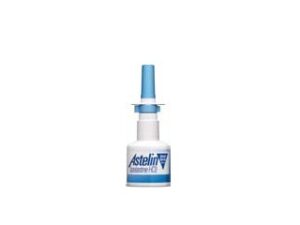
- Intranasal corticosteroid sprays (often most effective for nasal inflammation)
- Saline sprays or rinses
- Leukotriene receptor antagonists in specific circumstances (clinician-directed)
For persistent or troublesome urticaria
Management strategies can include specialist-guided antihistamine regimens and evaluating triggers. If hives are frequent or severe, it’s important to get tailored advice.
Australia: market and legal context (overview)
In Australia, antihistamines are widely used for allergy symptoms. Availability and classification depend on the product brand, strength, and formulation.
- Many allergy medicines are available through community pharmacies, and some are accessible without a prescription depending on the specific product and age group.
- Packaging and labelling follow Australian regulatory requirements, including directions for use, age indications, and safety warnings.
- If a product is sold for non-prescription use, pharmacists may still provide advice—particularly for children, pregnancy/breastfeeding, kidney disease, or if you take other medicines.
For the most accurate instructions for the exact product you’re considering, check the label and talk to a pharmacist if unsure.
Recent guidance and evidence-based considerations (high-level)
While specific recommendations can vary by individual and change over time, general allergy management guidance tends to focus on:
- Using antihistamines for histamine-driven symptoms like itching, sneezing, and hives.
- Considering intranasal corticosteroids for moderate to severe allergic rhinitis when symptoms are mainly nasal congestion or persistent inflammation.
- Checking labels carefully to avoid duplication of antihistamines across combination cold/flu products.
- Individualising therapy based on side effects (especially drowsiness) and patient preference.
If you have ongoing symptoms despite appropriate use, or if symptoms change (e.g., worsening wheeze, new fever, or recurrent hives), seek professional advice to confirm the cause.
Delivery and availability (online pharmacy)
Levocetirizine is commonly stocked by Australian pharmacies due to its frequent use for allergy symptoms. Online pharmacy availability may vary by brand, strength, and formulation.
- Stock: availability can change; select your preferred strength and form.
- Delivery: delivery times differ between regions and couriers.
- Packaging: products are typically dispatched in manufacturer packaging with printed dosing information.
If you need help choosing the right product strength for your age group, a pharmacist can advise based on your symptoms and other medicines.
Frequently asked questions (FAQ)
Is levocetirizine the same as cetirizine?
Levocetirizine and cetirizine are related antihistamines. Levocetirizine is the active “left-handed” component of cetirizine. They may feel different for some people and have different dosing depending on the formulation.
How fast does levocetirizine work?
Many people notice improvement within a few hours after taking levocetirizine. For ongoing allergies, consistent daily use helps maintain control.
Can I take levocetirizine every day?
It’s often used once daily for ongoing symptoms such as seasonal allergic rhinitis or recurrent hives. Follow the dosing directions on the label, and talk to a pharmacist if you plan to use it for an extended period.
Does levocetirizine cause drowsiness?
It may. Levocetirizine is generally less sedating than older antihistamines, but drowsiness can still occur—especially when you first start, with higher doses, or if combined with alcohol or other sedating medicines.
Can I drink alcohol while taking levocetirizine?
It’s best to limit or avoid alcohol until you know how levocetirizine affects you. Alcohol may increase drowsiness and reduce alertness.
What if my allergy symptoms don’t improve?
If symptoms don’t improve after a few days of appropriate use, or if they’re severe, you may need a different approach (for example, adding or switching to other allergy treatments). A pharmacist can help you assess whether levocetirizine is the right option.
How should I take levocetirizine with food?
You can usually take levocetirizine with or without food. If you feel unsettled or nauseated, taking it with a meal may help.
Who should be careful when using levocetirizine?
Extra caution is recommended if you have kidney problems, are using multiple sedating medicines, or if you are pregnant or breastfeeding. Talk to a pharmacist for advice specific to your situation.
What should I do if I miss a dose?
Take it when you remember unless it’s nearly time for your next dose. Don’t take two doses together.
Are there any warning signs that require urgent help?
Yes. Seek urgent medical help if you develop symptoms of a serious allergic reaction (such as swelling of the face/tongue, trouble breathing) or if you experience sudden severe symptoms.
Summary
Levocetirizine is an antihistamine used to relieve allergy symptoms such as hay fever and itching/hives. By blocking H1 receptors, it helps reduce the effects of histamine—supporting clearer breathing comfort, calmer skin, and reduced sneezing and itching. Most people take it once daily, generally with or without food, and many notice improvement within a few hours.
If you have kidney disease, take other medicines that cause drowsiness, or your symptoms are persistent or severe, consult a pharmacist for personalised guidance.
Note: This information is general and may not replace advice from a healthcare professional. Always read the product label for dosing instructions and safety warnings specific to your brand and strength.