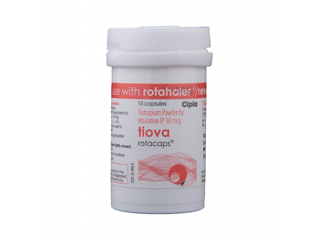
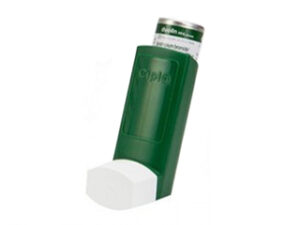
Tiova Rotacap (Tiotropium Bromide) – Patient Guide (Australia)
Tiova Rotacap contains tiotropium bromide, an inhaled medicine used to help open the airways and make breathing easier. It belongs to a group of medicines called long-acting antimuscarinic agents (LAMA). Tiova Rotacap is designed for regular use to reduce symptoms and improve quality of life in long-term lung conditions.
This guide explains how Tiova Rotacap works, how it is typically used, what to expect, and important safety information—written in a patient-friendly way for readers in Australia.
| Feature | Details |
|---|---|
| Active ingredient | Tiotropium bromide |
| Medicine type | Inhaled long-acting antimuscarinic (LAMA) |
| Common uses | COPD (including chronic bronchitis and emphysema); sometimes used as part of maintenance therapy |
| Typical dosing frequency | Usually once daily (via Rotacap capsule inhaled using the HandiHaler device) |
| How it is taken | Capsule is placed into an inhalation device; medicine is inhaled into the lungs |
| Key goal | Help keep airways open, reduce breathlessness and flare-ups |
What is Tiova Rotacap used for?
Tiova Rotacap is used to treat chronic obstructive pulmonary disease (COPD). COPD is a long-term lung condition that makes it harder for air to move in and out of the lungs. People with COPD may experience persistent symptoms such as:
- Shortness of breath (often worse with activity)
- Chronic cough
- Wheeze
- Increased mucus (phlegm) production
Tiotropium helps to relax airway muscles and reduce constriction, making it easier to breathe over time. It is maintenance therapy—not a fast “rescue” medicine for sudden attacks.
How it works (Mechanism of action)
Tiotropium is a long-acting antimuscarinic medicine. In the airways, natural nerve signals release acetylcholine, which can tighten (constrict) airway smooth muscle and contribute to mucus secretion.
Tiotropium blocks muscarinic receptors (especially M3 receptors) in the lungs. This leads to:
- Bronchodilation: airways open and remain open longer
- Reduced airway constriction
- Improved airflow and symptom control
Because it is long-acting, it helps provide steady relief throughout the day and night when taken regularly.
Pharmacokinetics (How the body handles it)
Pharmacokinetics describes how the medicine is absorbed, distributed, metabolised, and eliminated. For inhaled tiotropium, most clinical effect comes from deposition in the lungs.
- Absorption: Tiotropium is inhaled as dry powder from a capsule using the Rotacap/HandiHaler-type device. A portion reaches the lungs; a small portion may be swallowed and absorbed through the gut.
- Onset and duration: Bronchodilation is seen within the first day for many patients, and the effects last for about 24 hours, supporting once-daily dosing.
- Distribution: The medicine acts mainly locally in the lungs, with some systemic absorption.
- Metabolism: Tiotropium is not extensively metabolised.
- Elimination: Mainly excreted unchanged through the kidneys (renal clearance). This is important for people with reduced kidney function.
If you have kidney disease, ask your pharmacist or doctor whether any dose or monitoring considerations apply to you.
Typical use and timing
Tiova Rotacap is usually taken as a once-daily inhalation. Consistency is key—taking it at the same time each day helps maintain steady control.
When should you take it?
- Once daily (same time each day if possible).
- You can take it in the morning or evening—choose a time that fits your routine. Some people prefer evenings if it helps with night-time symptoms, while others prefer morning for daytime control.
Is it okay to take it with other inhalers?
Many COPD treatment plans include other inhalers (for example, short-acting bronchodilators for rescue symptoms, or inhaled corticosteroids in selected patients). Tiova Rotacap can be part of combination maintenance therapy. Your pharmacist can help you understand how your medicines fit together.
Important: Tiova Rotacap is generally not meant for sudden breathlessness. For sudden symptoms, your clinician may recommend a separate reliever (“rescue”) inhaler.
Food interactions
Because Tiova Rotacap is inhaled, food is not expected to have a major effect on how much medicine reaches your lungs. Any swallowed fraction is more likely to be influenced by digestion, but clinically relevant food interactions are not usually a major concern.
In practical terms:
- There is generally no need to take it with or without food.
- If you have reflux or swallowing difficulties, discuss with a healthcare professional how this may affect inhaled medicines.
Alcohol and medicine interactions
Tiotropium is not commonly associated with dangerous direct interactions with alcohol. However, COPD patients are often managing other health conditions, and alcohol may worsen breathlessness in some people.
Alcohol
- Moderate alcohol use may be tolerated, but alcohol can contribute to dehydration and may worsen respiratory symptoms in some individuals.
- If alcohol triggers symptoms (e.g., increased wheeze or shortness of breath), consider avoiding it and speak to your doctor.
Medicine interactions
Tiotropium can be affected by medicines that also have antimuscarinic effects. Using more than one antimuscarinic medicine may increase the risk of side effects such as dry mouth, constipation, or urinary retention.
Tell your pharmacist if you use any of the following (or similar medicines):
- Other antimuscarinic inhalers or medicines (including some overactive bladder medicines)
- Other long-acting bronchodilators or combination inhalers as part of your COPD plan
- Medicines that can affect urinary function, especially if you have prostate enlargement or difficulty passing urine
- Any medicines for eye conditions (if you have glaucoma) and any medicines that may affect pupil/eye pressure
Your pharmacist can also check for interactions with your full medication list, including non-prescription medicines and supplements.
Indications (When Tiova Rotacap is appropriate)
Tiova Rotacap is indicated for the maintenance treatment of COPD to improve airflow and reduce symptoms. It may be used in patients who need ongoing bronchodilation as part of their chronic management.
It is generally not indicated for:
- Acute relief of sudden breathlessness
- Asthma management unless specifically directed by a clinician for a particular case
Dosing: How much and how often?
The most common dosing approach for inhaled tiotropium in adults is:
- Once daily via inhalation of the Rotacap capsule using the correct device.
Follow your product carton and device instructions closely. The Rotacap system is designed to release the correct dose when used correctly.
Missed dose
- If you miss a dose, take it when you remember.
- If it is almost time for your next dose, skip the missed dose and continue as scheduled.
- Do not double the dose to catch up.
Overdose
Using more than the recommended dose may increase the risk of side effects such as dry mouth, constipation, blurred vision, dizziness, or urinary difficulty. If you believe you have used too much, seek medical advice promptly.
Practical use tips (How to inhale correctly)
Proper inhaler technique is essential for medicines like tiotropium to work well. The capsule should not be swallowed. The medicine must be inhaled into the lungs.
General steps (Rotacap/HandiHaler-style use)
- Prepare: Wash and dry your hands. Open the inhalation device according to instructions.
- Insert the capsule: Place one capsule into the capsule chamber.
- Load and pierce: Close the device and pierce the capsule as directed by the device mechanism.
- Exhale fully away from the mouthpiece (do not blow into the device).
- Inhale deeply and steadily through the mouthpiece until the dose is inhaled. You may hear a rattling sound as the capsule empties.
- Hold breath for several seconds (as comfortably as possible), then exhale gently.
- Check the capsule: If powder remains, you may need to repeat inhalation steps once more.
Common technique issues
- Swallowing the capsule instead of inhaling the powder (do not swallow).
- Not exhaling fully before inhaling (can reduce powder delivery).
- Inhaling too lightly (the device needs an adequate inspiratory flow to disperse the powder).
- Storing capsules in the wrong way (keep capsules in blister/pack until use to protect from moisture).
If you are unsure about technique, ask your pharmacist to demonstrate and observe you using your device.
Safety profile: Side effects and when to seek help
Tiotropium is generally well tolerated in COPD. Like all medicines, it can cause side effects. Many people experience none or only mild effects.
Common or mild side effects
- Dry mouth
- Constipation or digestive discomfort
- Throat irritation
- Cough or mild changes in voice
- Headache
- Urinary symptoms (less common), such as difficulty passing urine
Less common but important side effects
- Blurred vision, eye pain, or seeing halos around lights
- Worsening breathing shortly after inhaling (could indicate bronchospasm)
- Severe allergic reaction symptoms (e.g., swelling of face/lips, rash, or trouble breathing)
When to seek urgent medical advice
Get urgent help if you have:
- Severe allergic symptoms (swelling, hives, difficulty breathing)
- Severe sudden eye pain or significant vision changes
- Rapidly worsening shortness of breath that does not improve
- Inability to pass urine, especially if accompanied by discomfort
Special precautions
- Glaucoma (especially narrow-angle): Antimuscarinic effects can rarely affect eye pressure. Discuss eye history with your clinician.
- Prostate enlargement / urinary retention: Tiotropium may worsen symptoms.
- Kidney impairment: Because tiotropium is largely cleared by the kidneys, kidney function can influence safety.
- History of severe allergies to similar medicines: seek advice before use.
- Infection or sudden symptom changes: persistent fever, increased sputum, chest pain, or sudden worsening may require assessment.
What to expect after starting Tiova Rotacap
Many patients notice improved breathing and reduced breathlessness within the first few days to weeks, with benefits building as treatment continues. Because it’s a long-acting medicine, consistent daily use is important.
- Do not stop suddenly without medical advice.
- If symptoms worsen, do not simply increase the dose—contact a healthcare professional.
- Keep using your other COPD medicines as directed (including rescue inhalers if prescribed).
Alternative options for COPD maintenance
COPD treatment may include different classes of inhaled medicines depending on symptom severity and exacerbation history. Alternatives or add-ons may include:
- Other long-acting bronchodilators such as LABAs (long-acting beta2-agonists)
- Other LAMAs (different antimuscarinics)
- Combination inhalers (e.g., LABA/LAMA, sometimes with inhaled corticosteroids for selected patients)
- Short-acting relievers for rapid symptom relief during flare-ups
The “best” option depends on your lung function, symptom pattern, inhaler technique, other conditions, and past exacerbations. Your pharmacist or doctor can review which class is most appropriate for you.
Market and legal context in Australia
In Australia, inhaled medicines are regulated under the Australian regulatory framework. Tiotropium bromide products are subject to requirements for quality, safety, and therapeutic use. Dispensing is managed through pharmacies in accordance with Australian laws and regulatory guidance.
Availability can vary by brand and formulation. Online pharmacies may provide information and facilitate supply where allowed under Australian regulations. Always ensure you receive the correct product strength and device type for your prescribed regimen.
Recent guidance and evolving COPD care (high-level)
COPD management continues to evolve, with emphasis on:
- Individualised maintenance therapy based on symptoms and risk of exacerbations
- Correct inhaler technique and regular review of adherence
- Reducing exacerbations through appropriate bronchodilation and, in suitable cases, addition of other therapies
- Smoking cessation support and vaccination strategies where relevant
- Action plans for worsening symptoms
Your healthcare team may periodically review your inhaler regimen to ensure it still matches your current condition. If you are starting Tiova Rotacap, it’s a good opportunity to confirm your long-term COPD plan.
Delivery and availability (online pharmacy in Australia)
Online pharmacy supply depends on stock availability, product packaging, and permitted shipping conditions. When ordering, confirm:
- The product matches the intended strength and inhaler device requirements.
- The expiry date is acceptable.
- Delivery timeframes align with your needs, especially if you are close to running out.
If you need urgent refills, contact the pharmacy to check dispatch options.
FAQ
1) Is Tiova Rotacap a reliever or a preventer?
Tiova Rotacap is a maintenance (preventer) medicine for long-term COPD control. It is not typically used to relieve sudden breathlessness. Your clinician may also prescribe a separate rescue inhaler for acute symptoms.
2) How long does it take to work?
Some people notice breathing improvements quickly, while full benefit may take longer with regular daily use. If you do not feel any improvement after a reasonable period, speak with your pharmacist or doctor.
3) What if I forget a dose?
Take it when you remember unless it is close to the next dose. If it’s almost time for the next dose, skip the missed dose. Do not double.
4) Can I use Tiova Rotacap if I have asthma?
Tiova Rotacap is mainly used for COPD. Asthma treatment differs. If you have asthma or mixed symptoms, discuss your diagnosis and inhaler choices with your clinician.
5) Can I drive or operate machinery?
Tiotropium usually does not cause drowsiness. However, COPD symptoms, dizziness, or other medicines you take may affect alertness. If you experience dizziness, be cautious.
6) Are there any food restrictions?
Food interactions are generally not a major issue for inhaled tiotropium. There is usually no need for special timing with meals.
7) What side effects should worry me?
Seek urgent help for severe allergic reactions, significant eye pain/vision changes, rapidly worsening breathing, or inability to pass urine. Mild effects like dry mouth or constipation are common and can often be managed, but still discuss them if persistent.
8) Do I need to rinse my mouth after using it?
Tiotropium is not an inhaled corticosteroid, but good mouth hygiene can still help reduce irritation. If you experience mouth discomfort or throat irritation, consider rinsing after inhalation and discuss with your pharmacist.
9) Can I take it with other COPD medicines?
Often yes. Many COPD regimens combine long-acting bronchodilators and sometimes inhaled corticosteroids. Your pharmacist can help check that your inhalers work well together and that timing is sensible.
10) What if my inhaler technique is not working?
Poor technique is one of the most common reasons medicines don’t seem to work. Ask your pharmacist to observe your technique and to confirm you are using the correct device and loading method.
Summary
Tiova Rotacap (tiotropium bromide) is an inhaled long-acting antimuscarinic medicine used as maintenance treatment for COPD. By blocking muscarinic receptors, it helps keep the airways open and reduces symptoms over the day. For best results, use it once daily as directed, with correct inhaler technique, and keep track of side effects. If you have glaucoma, urinary difficulties, or kidney problems, discuss precautions with a healthcare professional.