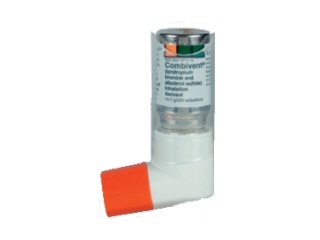
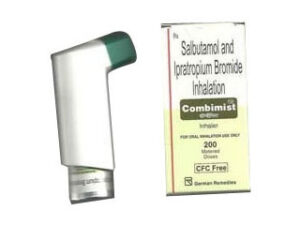
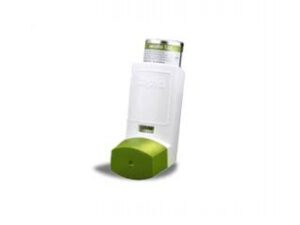
Combivent® (Levosalbutamol / Ipratropium bromide) — Patient Information (Australia)
Combivent is an inhaled combination medicine used to help relieve breathing difficulties in people with obstructive airway conditions. It contains:
- Levosalbutamol (a bronchodilator)
- Ipratropium bromide (an antimuscarinic/anticholinergic bronchodilator)
This information is designed to be clear and practical. Always follow the instructions provided with your product and any advice from your healthcare professional.
Quick overview
| What it is | Why it’s used | How it works | Common timing |
|---|---|---|---|
| Inhaled combination medicine (Levosalbutamol / Ipratropium) | Relieves bronchospasm and improves airflow | Opens airways using two complementary pathways | Usually as needed or scheduled during symptoms, depending on your plan |
Basic product information
Brand name: Combivent®
Active ingredients: Levosalbutamol and Ipratropium bromide
Dosage forms: Combivent is supplied as an inhaled medicine. Availability and exact presentation can vary by product pack and local supply.
Who it is for: People with obstructive lung conditions who need quick relief of breathing symptoms that involve bronchospasm, particularly when symptoms are not fully controlled with a single medicine type.
Where it’s used in therapy: Often used as a “rescue/reliever” option for flare-ups, or as an add-on treatment to improve symptom control in certain patients. Your personal regimen may differ.
Indications (what it’s used for)
Combivent is used to relieve symptoms associated with obstructive airway disease, including:
- COPD (chronic obstructive pulmonary disease) with episodes of breathlessness and bronchospasm
- Asthma in selected patients when a combination approach is appropriate for symptom relief (availability and local practice can vary)
Important: Combivent is aimed at symptom relief and airflow improvement. It does not replace controller medicines (such as inhaled corticosteroids) when those are required.
How Combivent works (mechanism of action)
Combivent combines two bronchodilators with different mechanisms, giving complementary benefits:
Levosalbutamol (beta2-agonist)
- Stimulates beta2-adrenergic receptors in the airway smooth muscle.
- Leads to relaxation of airway smooth muscle and bronchodilation.
- Helps reduce bronchospasm, improving airflow.
Ipratropium bromide (antimuscarinic/anticholinergic)
- Blocks muscarinic (cholinergic) receptors in the airways.
- Reduces vagally mediated bronchoconstriction.
- May help reduce mucus-related bronchospasm and improve airflow, especially in COPD.
Combined effect: Using both medicines together can provide more effective relief than either component alone for many patients, particularly during episodes of worsening breathlessness.
Pharmacokinetics (how the body processes it)
Pharmacokinetics describes absorption, distribution, metabolism, and elimination. With inhaled medicines, much of the effect comes from local action in the lungs, with smaller amounts entering the bloodstream.
Absorption
- Local (lung) deposition: After inhalation, medicine deposits on airways and begins working quickly.
- Systemic absorption: Some of the inhaled dose may be swallowed and absorbed through the gastrointestinal tract, but blood levels are generally lower than with oral dosing.
Distribution
- Both components can be distributed to tissues after systemic absorption, though the therapeutic benefit is primarily through airway effects.
Metabolism
- Levosalbutamol: Primarily metabolised in the body (metabolic pathways differ from those of the other drug components; exact details can vary).
- Ipratropium: Metabolised to inactive or less active metabolites.
Elimination
- Excretion: Metabolites and any absorbed drug are cleared primarily via kidneys (urine) and/or bile/feces, depending on the compound and metabolic pathway.
- Because the medicine acts in the lungs, systemic levels usually fall relatively quickly between doses.
Why this matters to patients: Individual response can differ depending on inhalation technique, lung function, and how much medication reaches the airways.
Typical use and timing
Combivent is used to relieve symptoms such as:
- Sudden or worsening breathlessness
- Chest tightness related to bronchospasm
- Episodes of wheeze or difficulty breathing in obstructive airway disease
When to take it
Your schedule depends on your diagnosis, severity, and existing treatment plan. Common practical patterns include:
- As needed for symptoms: Often used when you feel breathlessness starting.
- Scheduled during a flare: Some people use it at set intervals for a limited period during worsening symptoms, if advised.
- Before activities: If your healthcare professional advises it for exercise-related symptoms, you may use it shortly before activity.
How quickly does it work?
- Onset: Often begins within minutes due to direct airway effects.
- Duration: Effects typically last several hours, but individual duration varies.
- If symptoms do not improve: Seek medical advice rather than repeatedly increasing doses.
Dosing (general guidance)
Follow your product label and healthcare professional instructions. The exact dose and frequency can depend on your age, condition, and inhaler/device type.
General dosing principles for combination inhaled bronchodilators:
- Used inhaled to deliver medicine directly to the airways.
- Dose frequency is typically several times daily or as required depending on symptom control needs.
- Do not use more frequently than advised.
For children and older adults: Dosing may differ. Consult your healthcare professional for age-appropriate instructions.
Missed dose: If you miss a dose, take it when you remember only if it is close to the time of your next dose. If you are unsure, ask your pharmacist.
Food interactions
Because Combivent is an inhaled medicine, food interactions are generally not significant. However, medicines swallowed after inhalation may interact indirectly via metabolism.
- Take with or without food: Usually no special timing with meals is required.
- GI effects: Some people experience mild throat irritation or nausea. Eating may reduce nausea for some individuals, but do not change your prescribed schedule without advice.
Alcohol and medicine interactions
Alcohol
- There is no specific direct alcohol interaction known that would make moderate alcohol unsafe for all users of Combivent.
- However, alcohol can worsen breathing in some people and can reduce coordination or worsen dizziness in sensitive individuals.
- If you notice increased breathlessness or side effects (such as palpitations), avoid alcohol and discuss with your healthcare professional.
Common medicine interactions to be aware of
Combivent may interact with other medicines, especially those affecting heart rhythm or muscle function.
- Other beta2-agonists (e.g., salbutamol/terbutaline): Using multiple beta2-agonist products together can increase side effects (tremor, palpitations, low potassium risk).
- Other bronchodilators with anticholinergic effects: Combined anticholinergic medicines can increase side effects such as dry mouth or urinary retention in predisposed individuals.
- Beta-blockers (e.g., propranolol, some eye drops like timolol): Beta-blockers may reduce bronchodilator effectiveness and may worsen asthma in some patients. Cardiovascular medications should be reviewed with a clinician.
- Diuretics (water tablets) and steroids: These can lower potassium levels. Combined with beta2-agonists, the risk of low potassium may be higher, particularly during frequent high dosing or severe symptoms.
- Digoxin: Low potassium can increase sensitivity to digoxin and raise risk of abnormal heart rhythms; monitoring may be needed.
- Other medicines affecting heart rhythm: Medicines that prolong the QT interval or increase arrhythmia risk require caution, especially when combined with agents that may affect potassium.
Always tell your pharmacist about all medicines you use, including over-the-counter products and herbal supplements.
Safety profile and side effects
Most people tolerate Combivent well when used correctly. Side effects often relate to either beta2-agonist effects (e.g., tremor) or anticholinergic effects (e.g., dry mouth).
Common side effects
- Tremor
- Headache
- Nervousness or restlessness
- Dry mouth
- Throat irritation
- Palpitations (feeling of heartbeat changes)
Less common but important side effects
- Fast or irregular heartbeat
- Chest pain or worsening breathing
- Worsening wheeze shortly after inhalation (paradoxical bronchospasm)
- Blurred vision or eye pain (if medicine gets into the eyes)
- Urinary difficulties (more likely in people with prostate enlargement or bladder outflow problems)
Seek urgent help if you notice
- Severe breathing difficulty not responding to your usual plan
- Symptoms of an allergic reaction: rash, swelling of face/lips, or trouble breathing
- Severe chest pain, fainting, or marked irregular heartbeat
Precautions
Discuss Combivent use with your healthcare professional if you have:
- Heart rhythm problems or significant heart disease
- High blood pressure
- Diabetes (beta2-agonists can affect blood sugar in some people)
- Hyperthyroidism
- Glaucoma (especially narrow-angle glaucoma)
- Prostate enlargement or difficulty urinating
Practical use tips (to get the best results)
1) Use correct inhaler technique
The effectiveness of Combivent depends on how well the dose reaches your airways. If you are unsure about your inhaler/device:
- Ask your pharmacist or healthcare professional to observe your technique.
- Check the patient information leaflet provided with your pack.
- Replace the device if it is damaged or not functioning correctly.
2) Avoid getting medicine in the eyes
- Because ipratropium can affect the eyes, try to avoid spraying or mist reaching your eyes.
- After inhalation, wipe around the mouth if needed and follow device instructions.
- If eye exposure occurs and you develop blurred vision or eye pain, seek medical advice promptly.
3) Rinse if recommended
Unlike corticosteroid inhalers, Combivent does not usually require mouth rinsing to prevent oral thrush. However, if you experience throat irritation, rinsing and gargling with water after use may help (follow your specific product instructions).
4) Track symptoms
- Note how often you need Combivent and whether it helps.
- If you find you’re using it more often than usual or symptoms are not settling, review your treatment plan with a clinician.
5) Don’t “catch up” with extra doses
If you miss a dose, take only your next scheduled dose (or as advised). Overuse can increase side effects without improving control.
Alternatives and related treatment options
The best option depends on whether you have asthma, COPD, symptom patterns, and your response to other therapies.
Other bronchodilators
- Short-acting beta2-agonists (e.g., salbutamol) — often used as relievers
- Short-acting antimuscarinics (ipratropium alone) — for some COPD patients
- Long-acting bronchodilators (LAMA/LABA) — for longer-term control in COPD
Controller medicines (especially for asthma)
- Inhaled corticosteroids (ICS) — help reduce airway inflammation and reduce flare-ups
- Combination ICS/LABA inhalers — for persistent asthma control
When to discuss switching
Discuss alternatives if you experience intolerable side effects, poor symptom relief, or frequent need for reliever doses.
Pharmacovigilance and market/legal context in Australia
In Australia, medicines are supplied under regulatory oversight through the Therapeutic Goods Administration (TGA) and must meet quality, safety, and efficacy standards. Inhaled respiratory medicines may have specific device or formulation requirements.
Product availability can vary by brand supply and pharmacy stock. Your local pharmacy may substitute a therapeutically equivalent product when permitted by local guidelines and availability.
Guidelines and recent clinical focus: For asthma and COPD, Australian respiratory management commonly emphasises:
- Correct inhaler technique as a key driver of outcomes
- Regular review of symptom control and medicine use
- Appropriate use of relievers and assessment when reliever use increases
- Individualised escalation for asthma (often with controller therapy) and COPD (with long-acting bronchodilators as appropriate)
If you are using Combivent frequently, it may be a sign your condition needs reassessment.
Delivery and availability (online pharmacy)
As an online pharmacy product, Combivent availability depends on current supplier supply and pharmacy stock systems.
- Dispatch times: Typically vary based on order time, stock availability, and delivery location.
- Delivery areas: Most online pharmacies deliver within Australia, with options such as standard or express post depending on your address.
- Packaging: Medicines are generally supplied in original manufacturer packaging with patient information included.
To ensure timely delivery: provide accurate delivery details and keep contact information up to date so the courier can reach you if needed.
Recent guidance & when to reassess your treatment
Respiratory guidelines in Australia consistently stress that symptom relief should not be the only focus. Ongoing symptoms can signal inadequate control.
Consider contacting your healthcare provider promptly if:
- You need Combivent more frequently than usual
- Your breathing is getting worse despite using your medicine
- You have nighttime symptoms waking you due to breathlessness
- You are using additional reliever doses repeatedly
- You experience side effects such as palpitations that interfere with daily life
If you have a sudden severe attack, follow your action plan and seek urgent medical assistance.
FAQ
1) Is Combivent a preventer or a reliever?
Combivent is primarily used for symptom relief by opening the airways and reducing bronchospasm. Many people with asthma also need separate controller (preventer) medicines to reduce inflammation and flare-ups.
2) How fast will I feel better?
Most people notice improvement within minutes after inhalation. If you don’t notice any benefit, check your inhaler technique and discuss next steps with your pharmacist or healthcare professional.
3) Can I take Combivent with other inhalers?
Often yes, but it depends on what other inhalers you use. Tell your pharmacist about all your medicines, including relievers and controller inhalers, so they can check for overlaps and help you follow the correct routine.
4) Does it interact with food?
Generally, no. Because it is inhaled, food interactions are usually not significant. Follow your usual meal routine unless your healthcare professional advises otherwise.
5) Can I drink alcohol while using Combivent?
There is no universal direct interaction that makes alcohol unsafe for all users. However, alcohol can worsen breathing and may contribute to side effects such as palpitations or dizziness in some people. Use moderation and seek advice if you notice worsening symptoms.
6) What if I accidentally get the mist into my eyes?
If this happens and you experience blurred vision, eye pain, or halos, seek medical advice promptly, especially if you have glaucoma or feel at risk.
7) What side effects are most common?
Common side effects include tremor, headache, dry mouth, and sometimes palpitations or throat irritation.
8) When should I stop using Combivent and get help?
Stop using and get medical help urgently if you have signs of a severe allergic reaction, significant chest pain, fainting, severe irregular heartbeat, or rapidly worsening breathing that does not respond to your action plan.
9) Are there alternatives if Combivent isn’t suitable?
Yes. Options can include single bronchodilators (beta2-agonists or anticholinergics), long-acting bronchodilators for COPD, or asthma controller strategies. Your pharmacist can discuss alternatives based on your condition and device compatibility.
10) How do I know if my breathing plan needs review?
If you’re using Combivent more often, waking at night, needing urgent relief repeatedly, or not getting expected benefit, it’s a sign your treatment plan should be reviewed.
Important reminder
This page provides general patient information. Individual treatment varies. If you have questions about whether Combivent is appropriate for you, how to use it with your specific inhalers, or how to manage side effects, speak with your pharmacist or healthcare professional.