Ventolin Inhaler (Salbutamol) – Patient Information (Australia)
Ventolin Inhaler contains salbutamol (also called albuterol in some countries). It is a fast-acting medicine used to relieve breathing problems such as wheeze, shortness of breath, and chest tightness. Ventolin works by relaxing the muscles in the airways so air can move in and out more easily.
This guide is written to be patient-friendly and is suitable for use on an online pharmacy website in Australia. Always follow the instructions provided with your product and by your healthcare professional.
Quick Facts
- Active ingredient: Salbutamol
- What it does: Quick relief of asthma/COPD symptoms
- How it’s used: Inhaled via a pressurised metered-dose inhaler (puffer)
- When it helps: During symptoms (rescue/reliever) and sometimes before exercise (prevention)
- Common side effects: Tremor, headache, fast heartbeat, palpitations
- Important note: If you need it more often or symptoms are worsening, seek medical advice
Basic Product Information
Ventolin is a bronchodilator. It opens the airways by acting on receptors in the airway smooth muscle, allowing you to breathe more comfortably.
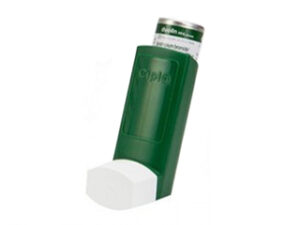
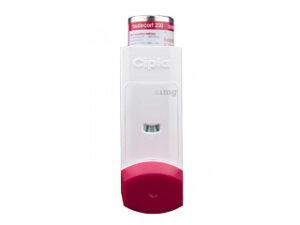
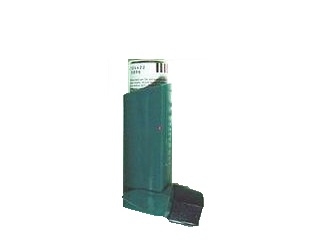
Typical inhaler presentation: A pressurised metered-dose inhaler (usually supplied with a mouthpiece). Some people use a spacer (holding chamber) to improve delivery to the lungs.
Who may use it: People with asthma, and in some cases chronic obstructive pulmonary disease (COPD), as advised by a clinician.
How Ventolin Works (Mechanism of Action)
Salbutamol belongs to the group of medicines known as short-acting beta2-adrenoceptor agonists (SABAs). When inhaled:
- It stimulates beta2 receptors on the smooth muscle lining the airways.
- This triggers relaxation of airway muscles (bronchodilation).
- Airways widen, reducing wheeze and breathlessness.
- It may also help reduce bronchospasm (tightening around the airways).
Key point: Ventolin is designed for rapid symptom relief. It does not replace controller medicines (such as inhaled corticosteroids) for preventing inflammation and long-term asthma control.
Pharmacokinetics (What Happens in the Body)
After inhalation, salbutamol reaches the lungs and can also be partly swallowed (a portion deposits in the mouth/throat and then is swallowed). The overall process depends on technique and whether a spacer is used.
- Absorption: Rapid absorption into the bloodstream after inhalation (and after swallowing any portion).
- Onset of action: Often begins within minutes for inhaled relief.
- Duration: Relief typically lasts several hours, though individual responses vary.
- Metabolism: Mainly metabolised in the liver.
- Excretion: Primarily eliminated via the kidneys (urine), with a smaller contribution from other pathways.
Why technique matters: Better inhaler technique (and using a spacer when recommended) helps deliver more medicine to the lungs and less to the throat, improving effectiveness and reducing side effects.
Typical Use in Daily Life
Ventolin is commonly used as a reliever for sudden symptoms of:
- Asthma (wheeze, cough, shortness of breath, chest tightness)
- Exercise-induced symptoms (some people may use it before activity as advised)
- Reversible bronchospasm in certain COPD patients (depending on clinical plan)
It is not usually intended as the only treatment for persistent asthma. If symptoms occur frequently, regular review and controller therapy may be needed.
When to Take Ventolin (Timing and Dosing Frequency)
Ventolin helps most when taken at the start of symptoms (such as wheezing or shortness of breath). Timing depends on your personal asthma/COPD action plan.
- For sudden symptoms: Use at symptom onset, then reassess after the recommended interval.
- Before exercise (if advised): Often used shortly before activity to prevent symptoms. Your clinician may specify timing (commonly about 10–15 minutes prior).
- If you’re needing it more often: This can be a sign your condition is not well controlled—seek medical advice promptly.
Do not exceed your prescribed instructions. If you’re unsure how often to use your reliever, check the label or consult your healthcare provider.
Indications (What Ventolin is Used For)
Ventolin inhaler is used for bronchospasm relief. In Australia, it is commonly indicated for:
- Asthma: Relief of acute bronchospasm and wheeze, and prevention of exercise-induced bronchospasm for some patients as part of an action plan.
- COPD (selected patients): Relief of bronchospasm symptoms where appropriate.
Important: Ventolin treats symptoms of narrowed airways. For ongoing control of asthma, many people need regular anti-inflammatory treatment (commonly inhaled corticosteroids) alongside a reliever.
Dosing (General Guidance)
Dosing can vary by age, diagnosis, and severity. Use the dosing instructions provided with your specific Ventolin product and your clinician’s action plan.
Common reliever dosing patterns for adults and adolescents often include:
- Acute symptoms: 1–2 inhalations per episode, with repeat dosing after a short interval if symptoms persist, according to your plan.
- Exercise prevention (if advised): typically 1–2 inhalations shortly before exercise.
Children: Doses are usually adjusted for age and response. Always follow the child’s inhaler instructions and action plan.
When to seek urgent help: If you do not get relief, symptoms worsen rapidly, you have severe breathlessness, or you are using your reliever much more frequently than usual, get urgent medical assistance.
Safety Profile (Common and Serious Side Effects)
Ventolin is generally well tolerated when used as directed. However, side effects can occur, particularly with frequent use or higher doses.
Common side effects
- Tremor (shakiness)
- Headache
- Fast heartbeat (tachycardia)
- Palpitations (feeling your heart racing or skipping)
- Muscle cramps
- Throat irritation
Less common but important side effects
- Low potassium (hypokalaemia): more likely with high doses or frequent use
- Chest pain or worsening heart rhythm symptoms in susceptible people
- Paradoxical bronchospasm (rare): increased wheezing immediately after dosing
Seek urgent help if
- Breathing becomes worse after using the inhaler
- You have severe shortness of breath or trouble speaking full sentences
- Chest pain, fainting, or severe palpitations occur
- You need your reliever far more often than usual without adequate relief
Practical Tips for Using Your Ventolin Inhaler
Correct inhaler technique improves delivery to the lungs and reduces side effects. If you can, review your technique with a pharmacist or clinician periodically.
Step-by-step inhalation technique (typical for a pressurised metered-dose inhaler)
- Remove the cap and check the mouthpiece for cleanliness.
- Shake the inhaler well (unless your specific device instructions say otherwise).
- Breathe out fully away from the mouthpiece.
- Seal your lips around the mouthpiece.
- Start to breathe in slowly and deeply.
- Press the canister to release one puff at the start of inhalation.
- Keep breathing in slowly and deeply.
- Hold your breath for about 10 seconds or as comfortable.
- Wait about 30–60 seconds if a second puff is prescribed, then repeat.
Use of a spacer: If you have difficulty coordinating pressing and inhaling, or if advised for children, using a spacer can improve the amount delivered to the lungs and reduce throat deposition.
Helpful reminders
- Rinse your mouth after inhalations if your regimen includes inhaled corticosteroids too (salbutamol alone usually does not require this).
- Know when the inhaler is running low. If your device has a dose counter, monitor it.
- Check the expiry date and store as directed (commonly below 30°C, protected from heat and direct sunlight).
- Don’t share your inhaler unless your healthcare team instructs otherwise.
Food Interactions (Does Food Affect Ventolin?)
Inhaled salbutamol is generally not significantly affected by food. Because most dosing is delivered directly to the lungs, dietary timing usually does not matter.
That said, some inhaler dose may be swallowed. If you experience stomach upset or nausea, consider taking your inhaler exactly as directed and monitor symptoms. For most people, no special dietary restrictions are required.
Alcohol Interactions
Moderate alcohol intake is not typically known to have a direct interaction with inhaled salbutamol. However, alcohol can sometimes worsen dehydration, sleep, or overall respiratory symptoms in sensitive individuals.
- If you notice that alcohol triggers wheeze or breathlessness, avoid alcohol and seek advice.
- Be cautious if you also use other medicines that affect breathing or the heart rate.
Medicine Interactions (Important Compatibility Information)
Some medicines can interact with salbutamol, mainly by affecting heart rhythm, potassium levels, or the beta-agonist effect. Inform your pharmacist or clinician about all medicines you use, including herbal products.
Common interaction considerations
- Other beta-agonists (e.g., other asthma relievers): may increase side effects such as tremor or fast heartbeat.
- Non-selective beta-blockers (used for certain heart conditions or high blood pressure): can reduce the effect of salbutamol and may worsen bronchospasm.
- Diuretics (“water tablets”) and medicines that lower potassium: may increase risk of low potassium if salbutamol is used frequently or at higher doses.
- Some antidepressants and heart rhythm medicines: can affect heart rhythm risk when combined with agents that stimulate the heart.
- Systemic corticosteroids and antibiotics: these don’t usually directly interact with salbutamol, but overall asthma/COPD control changes may influence how often you need Ventolin.
Tell your healthcare team if you use:
- Beta-blocker medicines
- “Water tablets” (diuretics)
- Anti-arrhythmia medicines
- Regular high-dose reliever use
Safety in Special Situations
- Pregnancy and breastfeeding: Many people with asthma use reliever inhalers during pregnancy and breastfeeding. The safest plan depends on your individual condition—discuss with your healthcare provider.
- Children: Use a spacer if recommended and ensure correct technique; side effects may be more noticeable.
- Heart conditions: People with certain heart rhythm problems or severe cardiovascular disease should be monitored, especially if using higher doses.
- Diabetes: Beta-agonists can sometimes raise blood sugar levels slightly—monitor if you have diabetes.
- Thyroid disease: Excess thyroid activity can increase susceptibility to fast heartbeat and tremor.
What to Expect: Onset and Duration
Ventolin typically starts working within minutes after inhalation. Relief often peaks shortly after dosing and can continue for a few hours (variable between individuals and depending on airway severity and technique).
If symptoms are not improving after using Ventolin as directed, this may indicate worsening airway obstruction that needs urgent assessment and an adjustment to the overall treatment plan.
When Ventolin May Be Used with Other Asthma/COPD Medicines
Many people with asthma use a combination of:
- Reliever (like Ventolin) for quick symptom relief
- Controller/anti-inflammatory medicine (often inhaled corticosteroids and sometimes combination inhalers)
Using a reliever frequently may suggest that inflammation is not controlled. Your clinician may recommend stepping up controller therapy, adding a different inhaler type, or reviewing technique and trigger management.
Alternative Options
If Ventolin is not suitable or symptoms are not controlled, there are alternative approaches depending on your condition. Options may include:
Other reliever medicines
- Other salbutamol/similar bronchodilator inhalers: equivalent active ingredient and different inhaler devices may be available.
- Short-acting bronchodilators: different formulations may be used in some cases.
Controller and long-term treatment options (for prevention/control)
- Inhaled corticosteroids (ICS)
- Combination inhalers (e.g., ICS with a long-acting bronchodilator, depending on diagnosis)
- Other anti-inflammatory therapies in selected cases
Note: Alternatives depend on your age, diagnosis, symptom pattern, and history. A pharmacist can help you understand available options and how they differ.
Australia Market and Legal/Regulatory Context
In Australia, medicines are regulated under the Australian Therapeutic Goods framework. Availability, classification, and prescribing requirements depend on the specific product, strength, and whether it is considered for “over-the-counter” or restricted supply. Many asthma relievers are widely available, but access rules can vary.
Online pharmacies in Australia follow local requirements for product listing, customer eligibility checks (where applicable), and safe supply practices. For asthma and COPD, clinicians may recommend that patients have a personalised action plan to manage flare-ups.
Always check the product details on the specific listing to confirm what is supplied and any relevant usage instructions.
Recent Guidance and Best-Practice Considerations
Clinical practice in asthma and COPD care generally emphasises:
- Using relievers appropriately for quick relief while ensuring long-term control with controller therapy where needed.
- Reviewing inhaler technique regularly because poor technique is a common reason for poor symptom control.
- Recognising worsening symptoms early—increased reliance on reliever inhalers can be a warning sign.
- Personalised action plans for flare-ups (especially in asthma), including clear steps for when to escalate treatment and seek help.
If you notice changes such as needing Ventolin more often, waking at night with symptoms, or reduced response to doses, seek guidance promptly to prevent severe attacks.
Delivery and Availability (Online Pharmacy)
Ventolin inhalers may be stocked by Australian online pharmacies depending on current supply and product availability. Delivery times can vary by location and order processing schedules.
- Availability: Subject to stock levels and regional distribution.
- Shipping: Typically shipped to eligible addresses within Australia.
- Tracking: Many orders include tracking once dispatched.
Tip: If you have an action plan and rely on your reliever for flare-ups, consider keeping an extra inhaler at home where safe and appropriate to avoid running out.
Important Storage Information
- Store at room temperature as directed on the pack (commonly below 30°C).
- Protect from heat and direct sunlight.
- Keep out of reach of children.
- Do not puncture or burn the inhaler, even when empty.
Summary Table
| Feature | Ventolin Inhaler (Salbutamol) |
|---|---|
| Type | Short-acting bronchodilator (SABA) |
| Main use | Fast relief of wheeze, breathlessness, chest tightness |
| How it’s taken | Inhaled via pressurised metered-dose inhaler |
| Onset | Typically within minutes |
| Duration | Often several hours (varies) |
| Food effects | Usually not significant |
| Alcohol effects | No known direct interaction; may affect symptoms in some people |
| Common side effects | Tremor, headache, fast heartbeat, palpitations |
| Key safety signal | Increasing reliever use can indicate worsening control |
FAQ – Ventolin Inhaler (Salbutamol)
1) How fast does Ventolin work?
Most people feel symptom relief within minutes after inhalation. The exact speed can depend on inhaler technique, airway severity, and whether a spacer is used.
2) Can I use Ventolin every day?
Ventolin is usually intended for relief of symptoms, not as the only long-term treatment. If you need it frequently, your asthma/COPD may not be well controlled—talk to your healthcare provider about adjusting long-term therapy.
3) Is Ventolin the same as a preventer inhaler?
No. Ventolin is a reliever (quick bronchodilation). Preventer inhalers often contain anti-inflammatory medicines, such as inhaled corticosteroids, to reduce airway inflammation over time.
4) What if my symptoms don’t improve after using Ventolin?
If you don’t get relief, symptoms worsen, or you need repeat doses sooner than expected, seek urgent medical advice. This can be a sign of a severe flare-up requiring prompt assessment.
5) Can I use a spacer with Ventolin?
Yes, many patients benefit from a spacer, particularly children or anyone who struggles with coordination. If a spacer is recommended for you, it can improve how much medicine reaches the lungs.
6) What are signs that my asthma/COPD is getting worse?
Common warning signs include increased need for reliever inhalations, symptoms waking you at night, reduced response to your usual dose, and worsening breathlessness or wheeze.
7) Are there foods I should avoid?
Typically, no. Food does not usually meaningfully affect inhaled salbutamol. If you notice personal triggers for your respiratory symptoms, follow your own pattern and discuss with a healthcare professional.
8) Does alcohol interact with Ventolin?
No major direct interaction is commonly expected with inhaled salbutamol. However, alcohol may worsen breathing symptoms in some people or contribute to dehydration and poor sleep.
9) Can Ventolin affect my heart rate?
Yes. Fast heartbeat and palpitations are common side effects, especially with frequent dosing. If you experience severe or persistent symptoms, seek medical advice.
10) What should I do if I accidentally take too much?
Using more than advised can increase side effects such as tremor, fast heartbeat, and low potassium. If overdose is suspected or symptoms are severe, seek urgent medical attention or contact a poison information service.
When to Get Help
If you have severe breathlessness, blue lips or face, inability to speak in full sentences, or symptoms that rapidly worsen, seek urgent medical care. For ongoing asthma/COPD management, schedule regular reviews to ensure your treatment plan matches your needs.
Always use Ventolin as directed on your product information and by your healthcare team.