
Amoxil (Amoxicillin) – Patient Information (Australia)
Amoxil is the brand name for amoxicillin, an antibiotic medicine used to treat certain bacterial infections. This guide explains how Amoxil works, when it’s commonly used, how it’s taken, important safety information, and practical tips to help you use your medicine properly.
Note: Antibiotics like amoxicillin only work against bacteria. They do not treat viral illnesses such as the common cold or most cases of influenza.
Quick facts
- Active ingredient: Amoxicillin
- Medicine type: Antibiotic (penicillin group)
- How it works: Stops bacteria from building their cell walls
- Common uses: Ear, throat, sinus and chest infections caused by susceptible bacteria
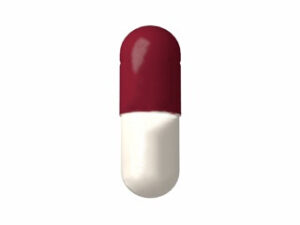
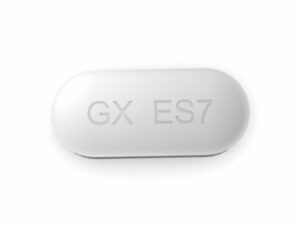
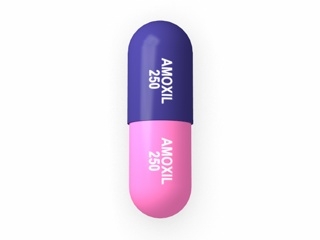
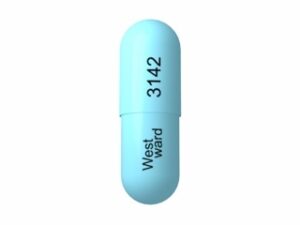
- Available forms: Capsules, tablets, and oral suspension (strengths vary by product)
- Typical course length: Often 5–14 days depending on the infection
Basic product information
Amoxil contains amoxicillin, a beta-lactam antibiotic. In Australia, antibiotic products are regulated medicines and are supplied according to the relevant scheduling and pharmacy laws. Availability and pack sizes depend on the specific formulation (capsule/tablet/suspension) and manufacturer.
What is amoxicillin?
Amoxicillin is a widely used antibiotic that targets susceptible bacteria. It is part of the penicillin antibiotic family.
What should you know before starting?
- If you have ever had an allergic reaction to penicillins or cephalosporins, discuss this with your healthcare professional.
- Tell your clinician/pharmacist about any other medicines you’re taking, including blood thinners and medicines for gout.
- Let them know if you have had severe diarrhoea with antibiotics in the past.
How Amoxil works (mechanism of action)
Amoxicillin works by interfering with bacterial cell-wall formation. Bacteria rely on strong cell walls to survive and multiply. Amoxicillin binds to specific bacterial proteins involved in building the cell wall, leading to cell wall weakness and bacterial death.
Because it targets cell-wall synthesis, Amoxicillin is most effective when it is used for the correct duration and taken at consistent intervals to maintain effective levels in the body.
Pharmacokinetics (how the body handles it)
Pharmacokinetics describes what the body does with a medicine—how it is absorbed, distributed, metabolised, and excreted.
Absorption
- Amoxicillin is absorbed from the gastrointestinal tract.
- Food can influence absorption slightly, but it is generally possible to take it with or without food (see Food interactions).
Distribution
- Amoxicillin distributes into body tissues and fluids.
- It reaches sites of infection where susceptible bacteria are present.
Metabolism
- Amoxicillin is not extensively metabolised by the liver.
Excretion
- Amoxicillin is primarily eliminated via the kidneys.
- If you have kidney problems, dose adjustment may be necessary.
Typical use and timing
What infections is it used for?
Amoxil is used for infections caused by susceptible bacteria. Common examples include:
- Ear infections (otitis media)
- Throat infections (including bacterial tonsillitis/pharyngitis in selected cases)
- Sinus infections (sinusitis) when bacterial
- Chest infections such as certain cases of bacterial bronchitis or pneumonia (as advised)
- Skin and soft tissue infections (where appropriate)
- Urinary tract infections (UTIs) caused by susceptible organisms (depending on local resistance patterns and sensitivity)
Whether amoxicillin is appropriate depends on the suspected bacteria, severity, local resistance, and patient factors (such as allergies and kidney function).
When will you feel better?
- Many people start to notice improvement within 48–72 hours.
- If symptoms do not improve, worsen, or you develop new symptoms, seek medical advice promptly.
How to take Amoxil (timing basics)
- Take it at evenly spaced intervals as directed.
- Finish the full course unless advised to stop early.
- If you miss a dose, follow the advice provided with your medicine or from your pharmacist/clinician (commonly: take it when you remember unless it’s near the next dose).
Indications (when Amoxil is chosen)
Amoxicillin is commonly selected when a clinician suspects or confirms a bacterial infection likely to respond to penicillin-class antibiotics. It may be used for:
- Acute infections (sudden onset), including some upper respiratory tract infections
- Chronic or recurrent infections in selected circumstances, guided by clinical assessment
- Infections requiring a penicillin-class antibiotic where the benefit outweighs risks
Antibiotic choice should consider local guidelines and resistance patterns. In some cases, a different antibiotic may be preferred.
Dosing guidance (general information)
Dosing depends on age, weight, infection type, severity, kidney function, and local guidelines. Strengths vary by product (capsules/tablets/suspension). Always follow the exact dosing instructions provided for your specific medicine.
Common dosing schedule patterns
- In many settings, adult regimens may be taken two or three times daily.
- Paediatric dosing is typically based on body weight and may be given two to three times daily, depending on the indication.
Kidney impairment
- If you have reduced kidney function, your dose may need adjustment to prevent excessive medicine levels.
Table: Example dosing schedules (illustrative)
| Patient group | Typical frequency | Notes |
|---|---|---|
| Adults | Usually 2–3 times daily | Exact dose depends on infection type and severity. |
| Children | Often 2–3 times daily | Dose is usually weight-based; follow the measured volume for suspensions. |
| Kidney impairment | May differ | Clinician may adjust dosing interval or amount. |
Important: The table above is for general orientation only. Do not use it to calculate your dose—use the dosing instructions provided with your product and by your healthcare professional.
Food interactions (can you take it with meals?)
Amoxicillin can generally be taken with or without food. Food may reduce stomach upset for some people. If you experience nausea, taking it with a meal or snack may help.
- With food: may improve tolerability.
- Without food: may be equally effective for many people.
If your specific product label provides instructions, follow those instructions.
Alcohol and medicine interactions
Alcohol
There is no universal rule that alcohol must be avoided with amoxicillin, but it’s commonly recommended to limit or avoid alcohol while you’re unwell. Alcohol can worsen dehydration, nausea, and overall recovery, and may interfere with how well you feel during infection.
Interactions with other medicines
Amoxicillin can interact with certain medicines. Tell your pharmacist/clinician if you take:
- Blood thinners (e.g., warfarin): antibiotics may affect bleeding risk in some people; closer monitoring may be needed.
- Gout medicines (e.g., probenecid): may change amoxicillin levels in the body.
- Oral contraceptives: most evidence indicates antibiotics like amoxicillin are unlikely to reduce effectiveness, but if you have vomiting or severe diarrhoea, contraceptive protection may be affected. Use additional protection in such situations.
- Other antibiotics: combination therapy is sometimes used, but choice depends on the infection and bacterial sensitivity.
- Allopurinol: may increase the likelihood of rash in some people.
If you’re unsure whether your medicines interact with amoxicillin, ask a pharmacist. For safe use, keep a current list of all medicines and supplements you take.
Safety profile and side effects
Common side effects
- Diarrhoea or loose stools
- Nausea
- Stomach discomfort
- Headache
- Mild rash (may occur)
Serious side effects – seek urgent help
Stop taking the medicine and get urgent medical advice if you experience signs of a serious allergic reaction. These can include:
- Swelling of the face, lips, tongue, or throat
- Difficulty breathing or wheezing
- Severe rash, blistering skin, or peeling
- Fainting or severe dizziness
Seek medical advice promptly if you develop severe or persistent diarrhoea, especially if it is watery or contains blood, or if you have fever and significant abdominal pain. Antibiotic-associated diarrhoea can occasionally be serious.
Allergy considerations
- Do not use amoxicillin if you have a known allergy to penicillins.
- If you previously had an allergic reaction to amoxicillin or other beta-lactams, discuss alternative antibiotics with a clinician.
Special populations
- Pregnancy: many clinicians consider amoxicillin a commonly used antibiotic when needed. Discuss your specific situation.
- Breastfeeding: some infants may have mild gastrointestinal effects. Ask your clinician if you have concerns.
- Children: dosing is weight-based and needs careful measurement for suspensions.
- Kidney impairment: dose adjustments may be required.
Practical use tips (making treatment easier)
Take it correctly
- Use a timer or reminders to help you take doses on time.
- Complete the course even if you feel better (unless advised otherwise).
- Keep the medicine properly stored according to the label (capsule/tablet vs suspension storage differs).
If you’re using a liquid (oral suspension)
- Shake the bottle well if the label says to.
- Use the measuring device provided (oral syringe or cup). Kitchen teaspoons are not accurate.
- Check the label for whether the suspension needs refrigeration (depends on the product).
Reduce stomach upset
- Consider taking doses with food if you get nausea.
- Stay hydrated, especially if you’re unwell or have diarrhoea.
When to contact a healthcare professional
- Your symptoms worsen or don’t improve after 48–72 hours
- You develop fever, severe diarrhoea, rash, or signs of allergy
- You accidentally take too much or multiple doses close together
Alternative options
Alternative antibiotic choices depend on the suspected bacteria, severity and location of infection, allergy history, and antibiotic sensitivity patterns. Alternatives may include:
- Cephalosporins (in some cases, but cross-reactivity concerns exist for certain allergies)
- Macrolides (e.g., for penicillin allergy or specific bacterial profiles)
- Doxycycline or other antibiotics (only for appropriate indications)
- Antiviral or supportive care if the illness is viral or non-infectious
For recurrent infections, clinicians may consider cultures or further evaluation to ensure the correct treatment.
Market and legal context for Australia
In Australia, antibiotic medicines are regulated and supplied through licensed channels. Access may vary depending on the specific product, strength, formulation, and the current regulatory requirements. Australian pharmacies follow standards that include:
- Ensuring medicines are used safely and appropriately
- Providing patient counselling about correct use and side effects
- Encouraging responsible antibiotic use to help reduce antimicrobial resistance
Antibiotic stewardship is a key public health priority. Using antibiotics only when needed and taking them correctly helps protect individual patients and the wider community.
Recent guidance and responsible antibiotic use
Australia’s approach to antibiotic use is aligned with evidence-based stewardship principles. Common guidance themes include:
- Confirm bacterial likelihood before starting antibiotics where possible
- Use the narrowest effective antibiotic and shortest effective course for the infection
- Review progress after a short period (often 48–72 hours) and adjust if needed
- Avoid unnecessary antibiotics for viral illnesses
If you’re uncertain whether your symptoms require antibiotics, it’s safer to ask a healthcare professional—misuse can lead to treatment failure and contribute to resistance.
Delivery and availability (online pharmacy guidance)
Availability of Amoxil products depends on manufacturer supply, pack size, and formulation. When purchasing online in Australia, delivery options and dispatch times may vary by location and stock status.
What you can expect
- Product selection: choose the correct strength and formulation (capsule/tablet/suspension).
- Packaging: medicines are typically dispatched in protective packaging to maintain product quality.
- Delivery: courier delivery is commonly used. Delivery times vary by state and address type.
- Storage instructions: read the label upon arrival—especially for liquid preparations.
If your delivery includes a liquid suspension that requires refrigeration, follow the storage instructions immediately after arrival.
FAQ – Amoxil (Amoxicillin)
1) Is Amoxil the same as amoxicillin?
Yes. Amoxil is a brand of amoxicillin. Different products may be listed under different brand names but contain the same active ingredient.
2) Will Amoxil treat a cold or flu?
No. Colds and most flu-like illnesses are caused by viruses. Antibiotics are not effective against viruses.
3) How long should I take Amoxil?
Course length varies by infection type and severity. It’s important to take the full course as directed, even if you feel better before finishing.
4) What should I do if I miss a dose?
It depends on how far you are from the next scheduled dose. Commonly, you take it when you remember unless it’s close to the next dose. If you’re unsure, ask a pharmacist for specific advice for your dosing schedule.
5) Can I take Amoxil with food?
Generally, yes. Taking it with food may reduce stomach upset. Follow the instructions on your label if they differ.
6) Can I drink alcohol while taking Amoxil?
Moderation is advised. Alcohol may worsen dehydration or nausea while you’re unwell. If you experience side effects, avoid alcohol until you feel better.
7) What if I get diarrhoea?
Mild diarrhoea can occur. However, seek medical advice urgently if diarrhoea is severe, persistent, watery, contains blood, or is accompanied by fever and significant abdominal pain.
8) What are signs of an allergic reaction?
Watch for swelling of the face/lips/tongue, difficulty breathing, widespread hives or severe rash, blistering or peeling skin. If these occur, seek urgent medical help.
9) Does Amoxil interact with my other medicines?
It may interact with medicines such as warfarin (blood thinning), probenecid (gout), methotrexate (in some circumstances), and others. Tell your pharmacist about everything you take.
10) Is Amoxil safe for children?
Many children can be treated safely with amoxicillin when appropriately prescribed and dosed. Liquid doses must be measured accurately using the correct device. Dose is typically weight-based.
11) When should I seek help if symptoms don’t improve?
If you don’t feel better after 48–72 hours, or if symptoms worsen at any time, contact your healthcare professional for reassessment.
Summary
Amoxil (amoxicillin) is a penicillin-class antibiotic used to treat certain bacterial infections. It works by disrupting bacterial cell-wall formation. Taking it at the right times, with the correct dose and course length, helps improve outcomes and supports antibiotic stewardship.
If you have concerns about side effects, allergies, missed doses, or interactions, speak with a pharmacist or healthcare professional promptly.