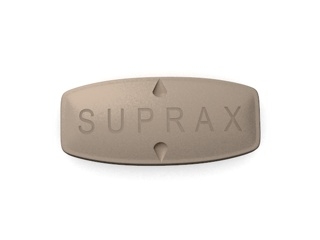

Suprax (Cefixime) – Patient Information (Australia)
Suprax contains cefixime, an antibiotic used to treat certain bacterial infections. This page explains how Suprax works, how it is used, key safety information, and practical tips to help you use it correctly.
Important: Antibiotics only treat bacterial infections. They do not work for viruses (such as common colds or flu).
1) Basic product information
| Category | Details |
|---|---|
| Medicine | Suprax |
| Active ingredient | Cefixime |
| Drug class | Cephalosporin (3rd generation) antibiotic |
| Common forms | Oral tablets and/or oral liquid (availability may vary by brand/market packaging) |
| How it’s taken | By mouth |
Brand note: Packaging strength and formulation can vary. Always check the label on your specific product for the exact dose strength.
2) How Suprax works (mechanism of action)
Cefixime is a beta-lactam antibiotic in the cephalosporin family. It works by interfering with the way bacteria build and repair their cell walls.
- It binds to penicillin-binding proteins (PBPs) on susceptible bacteria.
- This blocks cell-wall cross-linking.
- The bacteria become less able to survive and multiply, allowing your immune system to clear the infection.
Resistance matters: Some bacteria can resist cephalosporins, so effectiveness depends on the specific bacteria causing your infection and local susceptibility patterns.
3) Pharmacokinetics (how the body handles cefixime)
Pharmacokinetics describes absorption, distribution, metabolism, and elimination.
- Absorption: Cefixime is absorbed after oral dosing. Food can affect absorption slightly, but cefixime is generally taken with or without food as directed.
- Peak levels: Blood levels rise after dosing and peak at a predictable time (typical “peak” occurs a few hours after an oral dose, depending on formulation).
- Distribution: Cefixime distributes into body fluids and tissues to reach sites where susceptible bacteria may be present.
- Metabolism: It is largely excreted unchanged, with minimal metabolism.
- Elimination: Cefixime is mainly cleared by the kidneys. Dose adjustments may be needed if kidney function is reduced.
Kidney function: If you have kidney disease or reduced kidney function, your clinician may adjust dosing frequency or dose to reduce the risk of side effects.
4) Typical uses (indications)
Suprax (cefixime) is used for certain infections caused by susceptible bacteria. Common categories include:
- Ear, nose, and throat (ENT) infections: such as otitis media and certain throat or sinus infections when bacterial.
- Respiratory tract infections: including some cases of bronchitis or community-acquired respiratory infections depending on bacterial susceptibility.
- Urinary tract infections (UTIs): in selected cases, particularly uncomplicated bacterial UTIs.
- Other bacterial infections: where cefixime is considered appropriate based on clinical assessment and local guidance.
Because symptoms can overlap between bacterial and viral illnesses, correct diagnosis is important. Using antibiotics when not needed increases side effects and contributes to antibiotic resistance.
5) Timing and how to take Suprax
Follow the dose and duration instructions provided for your specific treatment plan. The information below gives general guidance.
When to take it
- Try to take each dose at the same times every day to maintain steady antibiotic levels.
- If you are prescribed once daily dosing, choose a time that fits your routine and take it consistently.
- If you are prescribed twice daily dosing, space doses evenly (for example, morning and evening).
How long to take it
Most courses last for a defined number of days. Do not stop early just because you feel better—finish the full course unless you are told otherwise. Stopping too soon can allow surviving bacteria to regrow.
Missed dose
- If you miss a dose, take it when you remember.
- If it’s close to your next dose, skip the missed dose and continue as normal.
- Do not double doses to make up for a missed one.
6) Food interactions (can you take Suprax with meals?)
Cefixime can usually be taken with or without food. Food may slightly influence absorption, but it generally does not meaningfully reduce effectiveness.
- If food makes you feel less nauseated, taking it with a meal or snack may help.
- Take it according to your specific instructions. Consistency matters more than perfect timing around meals.
7) Alcohol and medicine interactions
Alcohol
There is no universal “hard” rule that cefixime must be avoided with alcohol; however, alcohol can:
- worsen dehydration and gastrointestinal upset (especially if you already have diarrhoea or stomach symptoms),
- make it harder to rest and recover during infection.
Practical advice: It’s best to limit alcohol while you’re unwell. If you choose to drink, do so cautiously and avoid excessive amounts.
Common medicine interactions to consider
Some medicines can interact with antibiotics directly or indirectly. Check your current medicines and allergies with a pharmacist or clinician, especially if you take the following:
- Probenecid: may reduce kidney clearance of cefixime and increase levels.
- Other antibiotics: may change effectiveness or increase side effects depending on combination.
- Warfarin or other blood thinners: antibiotics can sometimes affect bleeding risk. Extra monitoring may be needed.
- Oral contraceptives: while cefixime is not typically one of the strongest inducers, severe diarrhoea can reduce absorption of hormones. If you develop significant diarrhoea or vomiting, consider additional contraception until fully recovered.
- Kidney medicines: if you have kidney impairment or take nephrotoxic medicines, your clinician may monitor closely.
Always inform your pharmacist about all medicines you take, including:
- prescription medicines
- over-the-counter products
- herbal preparations
- vitamins and supplements
8) Dosing guidance (general information)
Dosing depends on the infection type, severity, age, kidney function, and the formulation you have (tablet vs liquid). Always follow your labelled instructions.
- Adults: dosing schedules are commonly either once daily or divided doses over the day, depending on the prescribed regimen and infection.
- Children: dosing is often weight-based and depends on the formulation (liquid dosing is common in paediatrics).
- Kidney impairment: may require dose reduction or increased dosing interval.
Do not self-adjust the dose. If you are unsure whether your dose is correct, speak to a pharmacist.
9) Safety profile and side effects
Like all medicines, Suprax can cause side effects. Many people experience none or only mild effects, but it’s important to know what to watch for.
Common side effects
- Diarrhoea (sometimes mild)
- Nausea or stomach discomfort
- Headache
- Skin rash (usually mild, but monitor closely)
- Vaginal itching or irritation (possible yeast overgrowth)
Less common but important reactions
- Allergic reactions (can be serious)
- Severe skin reactions
- Clostridioides difficile (C. diff) associated diarrhoea (may occur during or after antibiotics)
Seek urgent medical help if you experience
- Signs of anaphylaxis: swelling of face/lips, wheezing, trouble breathing, fainting
- Severe or persistent diarrhoea, especially if watery, bloody, or accompanied by fever and severe abdominal pain
- Severe rash, blistering skin, peeling skin, or rash with fever
- Yellowing of the skin/eyes or severe tiredness (possible liver effects—rare)
Allergy and cross-reactivity
If you have had an allergic reaction to cephalosporins (including cefixime) or have a history of serious allergy to similar antibiotics, you should discuss suitability with a pharmacist or clinician.
Also tell your clinician if you have previously had:
- an allergic reaction to penicillins or cephalosporins
- previous antibiotic-associated diarrhoea
- known kidney disease
10) Practical use tips (to get the best outcome)
- Finish the course: completing the full prescribed duration helps prevent relapse and resistance.
- Stay hydrated: especially if you develop loose stools.
- Don’t skip doses: consistent dosing supports effective bacterial killing.
- Track symptoms: note when symptoms started improving. Many bacterial infections begin to improve within 48–72 hours, though exact timelines vary.
- Contact a clinician if not improving: if symptoms worsen or do not improve after a few days, you may need re-evaluation.
- Watch diarrhoea: mild diarrhoea can occur, but seek advice promptly if diarrhoea is severe, persistent, or bloody.
Probiotics? Some people use probiotics during antibiotic treatment. Evidence varies by product and condition. If you’re considering probiotics, ask a pharmacist, particularly if you’re immunocompromised or have severe diarrhoea.
11) Alternative options
There are multiple antibiotic options for bacterial infections, and the best choice depends on:
- the suspected or confirmed bacteria
- local antibiotic resistance patterns
- site of infection (throat, ear, lungs, bladder, etc.)
- allergies
- age and kidney function
Examples of alternative antibiotic classes that may be considered by clinicians for similar infections include:
- Other beta-lactams (such as penicillins or related cephalosporins)
- Macrolides (for certain respiratory or ENT infections)
- Tetracyclines (in specific situations and bacterial types)
- Other cephalosporins with different spectra or dosing schedules
Non-antibiotic supportive care may also be appropriate depending on the infection. For example, pain relief and hydration can be essential while the body recovers.
12) Market and legal context in Australia
In Australia, antibiotic supply is regulated under the national framework for medicines. Cefixime-containing products like Suprax are generally classified as prescription medicines in accordance with the scheduling system. This means supply may require appropriate assessment by a qualified health professional and adherence to Australian medicine regulations.
Antibiotic stewardship: Australia places strong emphasis on responsible antibiotic use to help slow resistance. Clinicians typically consider:
- likelihood of bacterial infection
- severity and risk factors
- local guidelines and antimicrobial stewardship recommendations
- benefits vs risks
Recent guidance: Australian antimicrobial stewardship programs encourage using the narrowest effective antibiotic, with correct dose and duration, and re-assessing if there is no response within an expected timeframe.
13) Delivery and availability (Australia)
Availability of Suprax (cefixime) can vary depending on the specific formulation and strength. Online pharmacies may list common pack sizes, but stock can change.
- Delivery: Delivery times depend on your location and the pharmacy’s processing schedules.
- Cold-chain: Cefixime does not typically require special cold storage.
- Packaging: Store in a cool, dry place and keep the product in its original packaging.
If you need help choosing the correct formulation (tablet vs liquid), dose strength, or quantity for your course, a pharmacist can advise based on your prescribed regimen and age/weight (where relevant).
14) Storage and disposal
- Storage: Follow the storage instructions on the carton or label.
- Keep out of sight and reach of children.
- Disposal: Return unused medicines to a pharmacy or follow local take-back guidelines where available. Do not flush tablets or liquid unless advised by your disposal service.
15) FAQ about Suprax (Cefixime)
1. What infections does Suprax treat?
Suprax (cefixime) is used for certain bacterial infections, including selected ear/throat/respiratory infections and urinary tract infections, depending on the organism and clinical judgment.
2. How quickly should I feel better?
Many people begin to notice improvement within 48–72 hours. If your symptoms worsen or don’t improve within that timeframe, contact a clinician for advice.
3. Can I take Suprax with food?
Yes. It can usually be taken with or without food. If it upsets your stomach, taking it with a meal may help.
4. What if I miss a dose?
Take it when you remember unless it’s close to the next dose. Don’t double up.
5. Is it safe to drink alcohol while taking cefixime?
Moderate alcohol is not universally prohibited, but alcohol can worsen dehydration and stomach upset. It’s best to limit alcohol while unwell.
6. Can I take it with other medicines?
Some medicines can interact with cefixime or affect bleeding risk, kidney function, or hormone absorption if you have significant diarrhoea/vomiting. Tell your pharmacist about all medicines and supplements you use.
7. What side effects are most common?
Common side effects include diarrhoea, nausea, headache, and mild skin rash. If diarrhoea is severe, persistent, or bloody, seek medical advice urgently.
8. What should I do if I get a rash?
A mild rash can occur, but rashes can also signal an allergy. Seek urgent help if there is swelling, breathing difficulty, blistering, peeling skin, or rash with fever.
9. Can I stop early once I feel better?
It’s usually important to complete the full course. Stopping early can allow infection to return and increase resistance.
10. Is Suprax suitable for everyone?
Not necessarily. People with a history of serious allergy to cephalosporins, significant kidney impairment (may need dose adjustment), or certain prior reactions should discuss suitability with a pharmacist or clinician.
Reminder: This information is general and may not cover every situation. For personalised advice about your specific infection, age, kidney function, and medicines, speak with a pharmacist or clinician.