

Trimox (Amoxicillin) – Patient-Friendly Guide (Australia)
Trimox is a brand of amoxicillin, an antibiotic medicine used to treat certain bacterial infections. This guide explains how Trimox works, common uses, how to take it safely, key interactions (including food, alcohol, and other medicines), and what to expect while you’re on treatment.
Important: Antibiotics only work against bacterial infections. They do not treat viral illnesses such as colds or flu.
Quick Facts
- Active ingredient: Amoxicillin
- Medicine type: Penicillin-class antibiotic (beta-lactam)
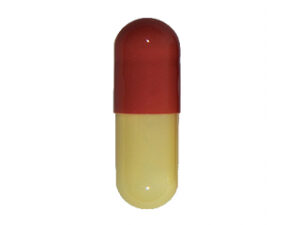
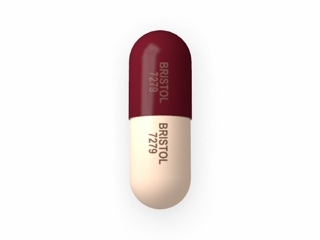
- Common form(s): Capsules, tablets, and liquid formulations (depending on product/strength)
- How it works: Stops bacteria from building their cell walls
- Often taken: 2–3 times daily, depending on the infection and prescribed regimen
- Typical duration: Often 5–10 days (varies by infection)
Basic Product Information
Trimox (amoxicillin) belongs to the penicillin family of antibiotics. It is used to treat infections caused by susceptible bacteria, including many organisms responsible for respiratory, ear, throat, urinary, and skin infections.
In Australia, antibiotic supply and use are governed by national medicines policies and pharmacy requirements. Amoxicillin products are widely available through community pharmacies and are supplied according to appropriate clinical need.
How Trimox Works (Mechanism of Action)
Amoxicillin works by targeting bacterial cell wall production.
- It binds to penicillin-binding proteins (PBPs) involved in building the bacterial cell wall.
- This prevents proper cell wall formation.
- Bacteria become unable to grow and multiply effectively, leading to their death or elimination.
Why it matters: Trimox works best when taken at the correct dose and for the appropriate length of time, helping reduce the chance of infection returning or worsening.
Pharmacokinetics (Absorption, Distribution, Metabolism, Elimination)
Understanding how the body processes amoxicillin can help you take it correctly.
| Aspect | What happens |
|---|---|
| Absorption | Amoxicillin is well absorbed after oral dosing. Blood levels generally rise after you take a dose. |
| Food effect | Food does not usually prevent absorption. Taking it with food may improve comfort if you get nausea. |
| Distribution | It distributes into body tissues and fluids; concentrations vary depending on the infection site. |
| Metabolism | Amoxicillin is not extensively metabolised by the liver. |
| Elimination | Primarily excreted by the kidneys in urine. Dose timing matters for people with kidney impairment. |
Kidney health note: If you have reduced kidney function, your dosing frequency may need adjustment for safety and effectiveness.
Typical Use in Australia
Trimox (amoxicillin) may be used for infections caused by bacteria that are expected to respond to amoxicillin. Common examples include:
- Ear, nose, and throat (ENT) infections (e.g., some cases of middle ear infection)
- Strep throat/tonsillitis when appropriate
- Sinus infections due to susceptible bacteria
- Chest infections (e.g., some forms of bronchitis or community-acquired pneumonia—based on clinical assessment)
- Urinary tract infections (UTIs) caused by susceptible organisms
- Skin infections in certain situations
- Dental infections in selected cases
Which infection it can treat depends on local resistance patterns, your symptoms, exam findings, and sometimes lab tests.
Indications (When Trimox May Be Considered)
Amoxicillin is indicated for bacterial infections where the likely causative organisms are susceptible. Your clinician/pharmacist may consider:
- The site of infection (throat, ear, sinus, urinary tract, etc.)
- The severity and whether symptoms suggest a complication
- Your medical history, including allergy history
- Any recent antibiotic use and whether resistance is a concern
- Whether cultures or testing have been taken (in some cases)
How to Take Trimox (Dosing and Timing)
Always follow the dosing instructions on the medicine label. Dosing can vary depending on the infection type, severity, age, weight (for children), and kidney function.
Typical dosing patterns
- Many adult regimens are taken twice daily or three times daily, depending on the infection.
- Children’s dosing is often based on body weight and may be scheduled accordingly.
Timing tips
- Try to space doses evenly (for example, morning and evening if twice daily).
- Set reminders if you have a busy routine.
- Complete the full course even if you feel better—stopping early can lead to relapse or resistance.
- If you miss a dose, take it when you remember unless it’s near the next dose. Don’t double up.
Practical example: If your schedule is twice daily, aim for doses approximately 12 hours apart.
Special considerations
- Kidney impairment: dosing frequency may be adjusted. Ask your pharmacist if you have kidney problems.
- Children: liquid preparations require careful measuring. Use the supplied oral syringe/measuring device.
Food Interactions (What to Eat/Drink)
Amoxicillin is generally compatible with food.
- Can you take it with meals? Yes. Taking Trimox with food may reduce stomach upset for some people.
- Should you avoid certain foods? No special diet is typically required.
- Consistency helps: Try to take it at about the same times each day.
If you get nausea: consider taking the dose after a meal or with a light snack.
Alcohol and Medicine Interactions
Alcohol
While there is no universal “hard rule” that alcohol must be avoided with all antibiotics, alcohol can worsen side effects such as nausea, dizziness, and diarrhoea. It may also impair recovery.
- For best results: avoid alcohol while you’re ill and taking antibiotics if possible.
- If you do drink, keep it moderate and watch for side effects.
- Seek advice if you have significant vomiting, dehydration, or persistent diarrhoea.
Common medicine interactions
Most people can take Trimox safely with their usual medicines, but interactions can occur. Discuss your current medicines with a pharmacist if you’re unsure.
- Oral contraceptives: Antibiotics like amoxicillin are not generally believed to reliably reduce contraceptive effectiveness. However, vomiting or severe diarrhoea can affect absorption. If you have significant gastrointestinal upset, consider additional contraception and seek advice.
- Warfarin (and other blood thinners): Antibiotics can sometimes affect bleeding risk and INR. If you’re on warfarin, you may require closer INR monitoring.
- Allopurinol: Some patients may experience a rash when amoxicillin is taken with allopurinol.
- Probenecid: May affect amoxicillin elimination, potentially increasing levels.
This is not an exhaustive list. Always check with a pharmacist if you’re taking multiple medications, including herbal products.
Safety Profile: Side Effects and When to Get Help
Like all medicines, Trimox can cause side effects. Many are mild and resolve after treatment, but some require urgent medical attention.
Common side effects
- Diarrhoea or loose stools
- Nausea
- Stomach discomfort
- Headache
- Skin rash (mild rashes can occur)
More serious reactions (seek urgent help)
Contact urgent medical services or seek immediate care if you develop signs of a severe allergic reaction:
- Swelling of the face, lips, tongue, or throat
- Difficulty breathing or wheezing
- Severe rash with blisters, peeling skin, or widespread hives
- Fainting or severe dizziness
Suspected antibiotic-associated diarrhoea
Seek medical advice if you get:
- Severe watery diarrhoea
- Diarrhoea that persists or worsens
- Diarrhoea with fever, abdominal pain, or blood/mucus
Who should be extra cautious?
- People with a known penicillin allergy
- People with a history of serious drug reactions
- Those with significant kidney impairment
- Those who have previously had antibiotic-associated diarrhoea
Practical Use Tips (Get the Best From Your Course)
- Start on schedule: If possible, begin treatment at the planned time.
- Hydrate: Drink water regularly, especially if you’re unwell.
- Manage stomach upset: Take with food if it helps. Don’t skip doses unless advised.
- Track improvement: Some symptoms improve within 48–72 hours; if not, contact a healthcare professional.
- Keep taking: Even if you feel better, complete the prescribed length of treatment.
- Storage: Keep tablets/capsules in a cool, dry place. For liquids, check label directions and avoid moisture/heat.
Contact your pharmacist if: you experience persistent side effects, worsening symptoms, or you’re unsure whether the infection is responding.
What to Expect While Taking Trimox
- Symptom relief: Often begins after the first 1–3 days, depending on the infection.
- Full recovery: May take the entire course of treatment (and sometimes additional time).
- Fever: If fever persists beyond a few days, or symptoms rapidly worsen, seek medical review.
If you develop a new rash, severe diarrhoea, or signs of allergy, stop and seek advice urgently.
Alternative Options (Depending on the Infection)
The best alternative depends on the infection site, likely bacteria, allergy history, local resistance, and past responses.
Common antibiotic alternatives (examples)
- Cephalexin (a cephalosporin) – sometimes used when appropriate
- Doxycycline – used for some bacterial infections where relevant
- Clarithromycin or azithromycin – for certain respiratory infections or when penicillin is unsuitable
- Clindamycin – sometimes used for specific indications
- Amoxicillin-clavulanate – may be preferred in certain infections where beta-lactamase resistance is a concern
Allergy note: If you have a history of severe penicillin allergy, alternatives must be chosen carefully. Always discuss allergy history with your healthcare provider.
This section provides examples only. Your pharmacist or clinician can recommend an appropriate option for your situation.
Australia: Market, Legal, and Prescribing/Use Context
Antibiotics are regulated medicines in Australia. Community pharmacies supply them under applicable healthcare frameworks and professional standards. Appropriate use supports:
- Effective treatment for bacterial infections
- Reduction in antibiotic resistance
- Lower risk of unnecessary side effects
Australia has strong stewardship efforts to guide appropriate antibiotic selection and duration. Local guidance often emphasises:
- Using antibiotics only when bacterial infection is likely
- Choosing the narrowest effective antibiotic when possible
- Adhering to recommended duration to minimise resistance risk
Recent Guidance and Stewardship Considerations
In recent years, Australian antibiotic guidance and stewardship programmes have continued to emphasise prudent antibiotic use. Key themes include:
- Review diagnosis: confirm infection type and whether antibiotics are needed
- Local resistance awareness: antibiotic selection should reflect likely organisms
- Shorter targeted courses when appropriate: aim to use the shortest effective duration
- Follow-up if not improving: reassessment if symptoms don’t improve within expected timeframes
For patient safety, always follow the advice given for your specific illness and avoid sharing leftover antibiotics.
Delivery, Availability, and Packaging (Online Pharmacy)
Trimox (amoxicillin) is commonly available through Australian pharmacies, including for online orders. Availability can vary by:
- Strength and formulation (capsule/tablet/liquid)
- Pack size
- Current supply in distribution networks
Delivery expectations: Most online pharmacies provide standard and express shipping options where available. Delivery times depend on your location (metro vs regional), dispatch times, and carrier schedules.
What you’ll usually receive: Branded medicine packaging with the active ingredient, strength, expiry date, and storage instructions. If you’re ordering a liquid, verify it comes with appropriate measuring equipment (if supplied).
Always check: strength, form (capsule/tablet/liquid), and expiry date upon arrival.
Frequently Asked Questions (FAQ)
1) Can Trimox treat a cold or flu?
No. Colds and flu are usually caused by viruses, and antibiotics won’t help. Trimox is for infections caused by susceptible bacteria.
2) How soon will I feel better?
Many people start to notice improvement within 48–72 hours. If you’re not improving, or symptoms worsen, contact a healthcare professional for review.
3) Should I stop Trimox when I feel better?
No. Continue to the full course unless your clinician/pharmacist advises you to stop. Stopping early can cause the infection to return or increase resistance risk.
4) What if I miss a dose?
Take it when you remember if it’s not close to the next dose. If it’s nearly time for the next dose, skip the missed dose and take the next one as scheduled. Do not double up.
5) Can I take Trimox with food?
Yes. Food generally does not reduce effectiveness. Taking it with food may help reduce nausea or stomach discomfort.
6) Is it safe to drink alcohol while taking Trimox?
Moderation is advised, and it’s best to avoid alcohol while you’re sick. Alcohol may worsen side effects like nausea and diarrhoea and can slow recovery.
7) What side effects are expected?
Common side effects include diarrhoea, nausea, stomach discomfort, and mild rash. Seek urgent help for signs of severe allergy or severe/persistent diarrhoea.
8) I have a rash—does that mean I’m allergic?
A mild rash can occur, but rashes may also signal an allergy. Seek urgent medical advice if the rash is severe, blistering, widespread, or accompanied by breathing difficulty, facial swelling, or hives.
9) Can Trimox be used in children?
Amoxicillin is used in children for many bacterial infections. Dosing in children is weight-based and depends on the infection. Use only the prescribed regimen and measure liquid doses carefully.
10) Are there interactions with other medicines?
Yes, potential interactions include blood thinners (e.g., warfarin), oral contraceptives in the setting of vomiting/diarrhoea, allopurinol, and probenecid. Inform your pharmacist of all medicines and supplements you take.
11) What should I do if I have kidney problems?
Let your pharmacist know. Dosing frequency may need adjustment based on kidney function.
When to Seek Medical Advice
- Allergic symptoms: swelling of face/lips/tongue, breathing difficulty, severe hives
- Severe or persistent diarrhoea, especially with fever or blood/mucus
- No improvement after 48–72 hours (or rapid worsening)
- Severe abdominal pain, dehydration, or inability to keep fluids down
If you’re unsure, a pharmacist can help assess whether your symptoms fit expected recovery or if you should be reviewed.