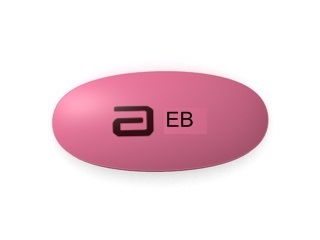

Erythromycin (Oral / Topical) — Patient Guide (Australia)
Erythromycin is a well-established antibiotic medicine used to treat certain bacterial infections. Depending on the formulation (for example, tablets, capsules, suspension, eye ointment, or topical preparations), it may help control infections caused by susceptible bacteria.
This page explains how erythromycin works, how it is used, what to expect, common interactions, and practical safety tips for people in Australia.
Basic product information
- Medicine name: Erythromycin
- Type: Antibiotic (macrolide)
- Common forms (may vary by brand): oral tablets/capsules, oral suspension; topical eye/skin preparations
- How it’s supplied: available through pharmacies and pharmacy channels depending on formulation
- Brand examples: may include products with erythromycin as the active ingredient (availability varies)
The exact strength and dosing schedule can differ between brands and formulations. Always follow the specific instructions provided with your product.
How erythromycin works (mechanism of action)
Erythromycin belongs to the macrolide group of antibiotics. It works by interfering with bacterial protein production:
- It binds to the 50S ribosomal subunit inside susceptible bacteria.
- This blocks the bacterial ability to make essential proteins.
- As a result, bacteria cannot grow and multiply, allowing the body to clear the infection.
Erythromycin is typically considered bacteriostatic (it slows growth of bacteria), though effects can vary depending on the organism and infection site.
Pharmacokinetics (how the body processes it)
Pharmacokinetics describes absorption, distribution, metabolism, and elimination. Key points include:
- Absorption: Oral absorption can vary. Some forms absorb better than others, and stomach conditions can influence uptake.
- Distribution: Erythromycin can distribute into many tissues. Penetration into certain infection sites (such as some respiratory tissues) is one reason it’s used for particular conditions.
- Metabolism: The liver plays a major role in processing erythromycin.
- Elimination: Clearance is partly via bile and also through other routes. This can affect how dosing is timed.
- Special considerations: People with liver impairment may need extra caution and medical review before use.
Because clearance and tolerance can vary, it’s important to follow the dosing schedule closely and avoid doubling doses if you miss one.
What it’s used for (typical use and indications)
Erythromycin is used for infections where the causative bacteria are susceptible to macrolides and where erythromycin is an appropriate option.
Common indication examples (depending on local guidance and product availability):
- Respiratory tract infections (e.g., certain bacterial infections of the chest/sinuses/airways)
- Skin and soft tissue infections caused by susceptible bacteria
- Some sexually transmitted infections (notably chlamydia in specific circumstances and when appropriate alternatives aren’t suitable)
- Eye infections (some forms are used as eye ointments)
- Pertussis prevention or treatment in certain situations (form and dosing depend on age and guidance)
- Dental or other targeted bacterial infections when erythromycin is considered suitable
Not all infections respond. Viral illnesses (like most colds and flu) do not improve with antibiotics. Using antibiotics when not needed can increase the risk of side effects and antibiotic resistance.
Timing: when to take erythromycin for best effect
Timing depends on whether your regimen calls for multiple doses per day (common with many oral formulations). The goal is to keep drug levels in a range that helps fight susceptible bacteria while minimising side effects.
- Take at evenly spaced times: If your schedule is, for example, three or four times daily, try to space doses throughout the day.
- Try not to skip doses: Consistency helps maintain therapeutic levels.
- Complete the full course: Even if you feel better, finishing the prescribed course reduces the risk of relapse.
- Missed dose: If you miss a dose, take it as soon as you remember unless it’s near your next dose. Don’t take a double dose.
For topical and eye preparations, timing differs by product. Use the instructions supplied for that formulation.
Food interactions and stomach considerations
Food may influence how erythromycin is absorbed. In some cases, taking erythromycin with food can improve tolerability by reducing nausea. However, absorption may vary by formulation.
- General approach: If your product information allows, taking with a meal or a light snack can help with stomach upset.
- Avoid large differences in routine: If you choose to take it with food, aim to do so consistently.
- Follow your product label: Some formulations have more specific instructions.
If you experience persistent nausea, severe diarrhoea, or signs of intolerance, speak with a pharmacist promptly.
Alcohol and medicine interactions
Alcohol
Many antibiotic medicines do not have a specific “disulfiram-like” reaction with alcohol, but alcohol can still make side effects more likely (such as stomach upset) and may worsen dehydration.
- Best practice: Avoid or limit alcohol while you’re taking erythromycin, especially if you feel unwell.
- Hydration: Keep fluids up, particularly if you have nausea or diarrhoea.
Medicine interactions (important)
Erythromycin can interact with other medicines by affecting how certain drugs are metabolised in the liver or by influencing heart rhythm in susceptible people. Always check interactions with your pharmacist if you take any regular medicines.
Examples of medicines that may interact include:
- Other medicines that can affect heart rhythm (QT prolongation risk)
- Some cholesterol-lowering medicines (statins), which may increase risk of muscle-related side effects
- Some antiarrhythmics (medicines for abnormal heart rhythms)
- Warfarin and other blood thinners (may affect bleeding risk via drug metabolism changes)
- Certain antiepileptic medicines (may require monitoring depending on the combination)
- Some antidepressants/antipsychotics (interaction potential varies by agent)
- Oral diabetes medicines or insulin-related regimens (monitoring may be needed)
- Medicines that raise erythromycin levels or lower them (for example, drugs affecting liver enzymes)
This is not an exhaustive list. Bring a list of all medicines and supplements you use (including “natural” products) and ask your pharmacist to check interactions.
Safety profile: who should use extra caution?
Erythromycin is generally well-tolerated by many people, but it can cause side effects. Some people need extra caution, particularly those with heart rhythm issues or liver problems.
Common side effects
- Nausea
- Vomiting
- Abdominal pain or stomach discomfort
- Diarrhoea
- Headache
- Rash or mild skin reactions
Seek urgent medical help if you notice
- Signs of allergy such as facial swelling, difficulty breathing, or hives
- Severe or persistent diarrhoea (especially watery or bloody) or diarrhoea with fever
- Yellowing of eyes/skin (jaundice), dark urine, or severe fatigue (possible liver reaction)
- Fainting, severe dizziness, or palpitations (possible rhythm-related effects)
Special populations
- Children: Form and dosing vary; use the product intended for paediatric use and confirm correct measurement for suspensions.
- Pregnancy and breastfeeding: Decisions depend on the infection, alternatives, and risk/benefit balance—pharmacist advice is important.
- Liver impairment: Extra caution and possible monitoring may be required.
- Heart rhythm conditions: People with known QT prolongation or those taking interacting medicines should be carefully reviewed.
Dosing overview (how it’s commonly prescribed)
Dosing varies by infection type, severity, age, kidney/liver function, and the specific erythromycin formulation. Your product label or pharmacist’s advice should be followed closely.
Typical adult dosing patterns (general illustration only):
- Oral regimens often use multiple doses per day (commonly three or four times daily depending on the indication and formulation).
- Duration may range from several days to longer courses, depending on the organism and clinical response.
- For some specific infections (e.g., certain public health-related infections), dosing and length may be standardised.
Children: Pediatric dosing is commonly weight-based for suspensions, and measurement accuracy matters. Use oral syringes/measuring devices provided with the product where possible.
Topical/eye forms: Eye ointments/skin preparations follow different schedules. Use only the formulation intended for that use.
If you’re unsure about the strength on your product label, ask your pharmacist to confirm the correct dose and timing.
Practical use tips (to improve comfort and adherence)
- Measure liquid carefully: If using erythromycin suspension, use a dosing syringe or cup and measure exactly.
- Stay hydrated: Particularly if you experience nausea or diarrhoea.
- Take with food if needed: If your stomach is sensitive, a meal may help (unless your product instructions say otherwise).
- Don’t stop early: Stopping when you feel better can allow infection to return.
- Protect against resistance: Use only for bacterial infections where appropriate, and avoid sharing antibiotics.
- Monitor symptoms: Contact your clinician/pharmacist if there’s no improvement or symptoms worsen during the course.
- Oral hygiene for certain infections: For dental-related cases, maintain good oral hygiene unless advised otherwise.
Alternative options
Antibiotic choice depends on the suspected or confirmed bacteria, the site of infection, allergies, local resistance patterns, and interactions with other medicines. Depending on the scenario, alternatives may include:
- Other macrolides (e.g., azithromycin, clarithromycin) for similar indications
- Penicillins or cephalosporins for susceptible infections, depending on allergy status
- Doxycycline for certain bacterial infections where appropriate
- Clindamycin for some skin/soft tissue infections (where suitable)
- Other targeted antibiotics based on culture results or local guidance
If you have had side effects with erythromycin before, tell a pharmacist—an alternative may be more suitable.
Market and legal context for Australia
In Australia, antibiotic availability and classification depend on the formulation and brand, and are regulated through the Therapeutic Goods Administration (TGA) and Australian medicines scheduling. Pharmacy supply requirements may differ between products (for example, topical preparations versus oral formulations).
Because erythromycin is an antibiotic, it is important to use it responsibly and only when appropriate for the infection being treated. Antimicrobial stewardship helps reduce antibiotic resistance, protects individual health, and maintains antibiotic effectiveness for future needs.
Always check the status of the specific product you plan to purchase, and follow the instructions provided by your pharmacist or the product pack.
Recent guidance and responsible antibiotic use
In Australia, healthcare professionals commonly emphasise:
- Right antibiotic for the right infection (avoid antibiotics for viral illnesses).
- Correct dose and duration to reduce recurrence and resistance.
- Review if not improving after a reasonable time (your pharmacist can advise when to seek reassessment).
- Awareness of side effects, including allergic reactions and diarrhoea.
- Consideration of interactions, particularly for people on multiple medicines.
If you’re unsure about whether erythromycin is appropriate for your symptoms, ask a pharmacist. They can help you understand whether an antibiotic is likely to help and what supportive care may be useful.
Delivery and availability (Australia)
Availability varies by formulation and brand. Many erythromycin products are supplied via Australian pharmacies and may be available through online ordering where permitted.
- Stock status: Your order may show an “in stock” or “availability” indicator.
- Dispatch times: Dispatch may occur on the next business day depending on ordering cut-off times.
- Packaging: Medicines are typically packed to protect tablets/capsules and liquid measures when applicable.
- Storage: Store according to the directions on the label (temperature and light protection requirements vary by product).
For fast assistance, include your suburb/postcode and the exact product name/strength when contacting support.
Product information summary
| Topic | What to know |
|---|---|
| Medicine class | Macrolide antibiotic |
| Common uses | Selected bacterial infections (varies by formulation and local guidance) |
| How it works | Inhibits bacterial protein production by binding the 50S ribosomal subunit |
| How to take | Oral timing varies by schedule; take at evenly spaced times and follow label instructions |
| Food interaction | Food may affect absorption; taking with a meal may help nausea (follow your product instructions) |
| Alcohol | Limit or avoid alcohol; it can worsen side effects such as stomach upset and dehydration |
| Key safety issues | Allergy, severe diarrhoea, liver issues, and interactions affecting heart rhythm |
| Important interactions | Some heart rhythm medicines, warfarin, statins, and other medicines metabolised by the liver |
FAQ — Erythromycin
1) Is erythromycin used for colds or flu?
No. Colds and flu are usually caused by viruses, and antibiotics like erythromycin don’t treat viral infections. Antibiotics are for bacterial infections where erythromycin is appropriate.
2) How quickly should I feel better?
Many people notice improvement within 1–3 days, depending on the infection. If symptoms are not improving, worsen, or you develop new concerns, seek advice from a pharmacist or doctor.
3) What should I do if I forget a dose?
Take it as soon as you remember unless it’s close to your next dose. Don’t take two doses at once to “catch up.” If you’re unsure, ask your pharmacist for guidance.
4) Can I take erythromycin with food?
Often yes, and it may reduce nausea. However, product-specific instructions can differ by formulation. Follow the directions on your pack or the advice you were given.
5) Are there alcohol interactions with erythromycin?
There isn’t usually a specific alcohol “reaction,” but alcohol can worsen side effects and slow recovery. It’s safest to limit or avoid alcohol during treatment.
6) Who should be extra careful with erythromycin?
Extra caution is recommended for people with known heart rhythm issues, significant liver disease, or those taking interacting medicines such as certain blood thinners or cholesterol medicines. If you’re unsure, speak with a pharmacist.
7) What if I get diarrhoea during treatment?
Mild diarrhoea can occur. However, seek urgent medical advice if diarrhoea is severe, watery, persistent, or contains blood, or if it comes with fever or severe stomach cramps.
8) Can erythromycin be used in children?
Some formulations are used in children with weight-based dosing and careful measurement. Use the appropriate child formulation and confirm the correct dose with a pharmacist, especially for suspensions.
9) What are common drug interaction examples?
Interactions may involve medicines affecting heart rhythm, warfarin, statins, and other medicines metabolised by the liver. Provide your full medication list to a pharmacist to check for interactions.
10) Are topical or eye forms the same as tablets/capsules?
They are different formulations with different dosing schedules and uses. Use the product intended for your body area (eye versus skin versus oral). Do not substitute formulations.
Important: This information is general and may not cover every individual situation. If you have questions about whether erythromycin is suitable for you, or about interactions with your current medicines, ask a pharmacist before starting treatment.