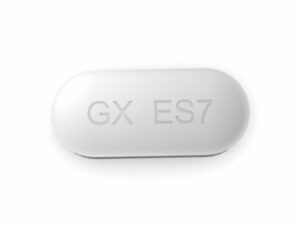


Xifaxan (Rifaximin) — Patient-Friendly Guide (Australia)
Xifaxan is a brand of rifaximin, an oral antibiotic used to treat certain intestinal conditions. This guide is designed to be easy to read and to help you understand how the medicine works, how it’s typically used, and what to consider for safety and everyday use in Australia.
This information is general and may not replace advice from a healthcare professional who knows your medical history.
1) Basic product information
| Item | Details |
|---|---|
| Medicine name | Xifaxan (rifaximin) |
| Type | Antibiotic (poorly absorbed from the gut) |
| Common formulations | Oral tablets |
| Where it acts | Mainly within the gastrointestinal tract |
| Typical strength | Depends on the product pack size and local prescribing guidance |
Availability and product presentations can vary by supplier. Always check the exact packaging label and the instructions supplied with your dose.
2) How Xifaxan works (mechanism of action)
Rifaximin works by inhibiting bacterial RNA synthesis. More specifically, it binds to bacterial DNA-dependent RNA polymerase, which reduces the ability of bacteria to replicate and produce essential proteins.
A key feature of rifaximin is that it is minimally absorbed into the bloodstream. Most of the antibiotic effect is exerted in the intestine, which may reduce whole-body exposure compared with some other antibiotics.
3) Pharmacokinetics (absorption, distribution, metabolism, and excretion)
- Absorption: Rifaximin has low systemic absorption. After oral dosing, only small amounts reach the blood.
- Distribution: Due to low absorption, distribution beyond the gut is limited.
- Metabolism: Rifaximin is not extensively metabolised systemically (given the limited absorption).
- Excretion: The medicine is mainly eliminated via the gastrointestinal tract. Any absorbed fraction is cleared by the body.
Because systemic exposure is low, rifaximin is generally associated with fewer whole-body antibiotic effects; however, side effects can still occur, and allergy and intestinal intolerance remain possible.
4) Typical uses and indications
The available uses for rifaximin depend on the formulation and local health authority guidance. In general, rifaximin is used for specific gut-related conditions where reducing certain intestinal bacteria is beneficial.
Common indications
- Hepatic encephalopathy (HE): Rifaximin is used to help reduce recurrence of episodes in people with liver impairment, typically in combination with other therapies as advised by clinicians.
- Travellers’ diarrhoea and certain types of diarrhoea: It may be used for selected bacterial diarrhoeas depending on local guidance and pathogen patterns.
- Some cases of irritable bowel syndrome (IBS) with diarrhoea (IBS-D): Rifaximin has been used in IBS-D contexts where specialist assessment suggests a bacterial contribution.
If you’re considering Xifaxan for a symptom, ask your pharmacist or doctor which indication applies to you and whether this medicine is appropriate.
5) Timing and how to take Xifaxan
How you take Xifaxan depends on the condition being treated. Many rifaximin regimens involve taking tablets multiple times a day for a defined course.
General timing tips
- Try to take doses at regular intervals (for example morning, afternoon, and evening).
- Follow the dosing schedule provided on your pack or by your healthcare professional.
- Do not skip doses: consistent dosing helps maintain the antibiotic effect in the gut.
If you miss a dose
- Take the missed dose as soon as you remember if it is close to your next scheduled dose.
- If it’s nearly time for the next dose, skip the missed dose and continue your schedule.
- Do not take double doses to make up for a missed one.
If you frequently miss doses or are unsure what to do, ask a pharmacist for advice tailored to your schedule.
6) Food interactions and what to eat
Rifaximin can generally be taken with or without food, and food is not usually expected to significantly alter its effect. Still, some practical guidance can make dosing easier and more comfortable.
Practical advice
- If the tablet upsets your stomach, consider taking it with a small meal or snack.
- Take it with water. Swallow whole unless your specific product instructs otherwise.
- Keep hydration up during diarrhoeal illnesses.
If you are taking other medicines at the same time, it can help to separate dosing so each medicine can be taken comfortably—particularly if you have nausea.
7) Alcohol interactions
There is no universal requirement to avoid alcohol with rifaximin, but alcohol can worsen dehydration and stomach irritation, and it can complicate recovery—especially if you’re taking the medicine for diarrhoea or if you have liver disease.
- If you’re treating diarrhoea: alcohol may aggravate symptoms and increases the risk of dehydration.
- If you have liver conditions: alcohol should generally be avoided or strictly limited, based on medical advice.
For the safest approach, consider limiting alcohol during treatment and discuss your situation with a pharmacist or clinician, particularly if you have liver impairment.
8) Interactions with other medicines
Because rifaximin is only minimally absorbed, it often has fewer systemic interactions than many antibiotics. However, interactions can still occur via shared effects on the gut or via other medication pathways.
Medication classes to discuss with a pharmacist
- Strong inhibitors or inducers of drug transport/metabolism pathways: these may alter rifaximin exposure in some cases.
- Other antibiotics or antimicrobials: may affect gut flora differently.
- Medications used in liver disease: if you have hepatic encephalopathy, your regimen may include lactulose and other supportive treatments.
- Warfarin/anticoagulants: any new antibiotic can sometimes affect bleeding risk through gut flora changes; monitoring may be needed if you are on anticoagulation.
What to do
- Keep an up-to-date list of all medicines, vitamins, and supplements you take.
- Tell a pharmacist about your full list before starting Xifaxan.
- If you notice unusual bruising, bleeding, severe rash, or worsening symptoms, seek medical advice promptly.
9) Dosing overview (typical regimens)
Dosing varies by indication and local product information. The table below provides a general overview of common rifaximin dosing schedules used in practice. Always follow the exact instructions provided for your condition.
| Condition (example) | Typical rifaximin course | Notes |
|---|---|---|
| Hepatic encephalopathy (recurrence prevention) | Often involves multiple daily doses over a longer period, as directed | May be used alongside other therapies such as lactulose |
| IBS with diarrhoea (selected patients) | Commonly given as a defined short course with follow-up assessment | Not all IBS-D patients are suitable; response may vary |
| Travellers’ diarrhoea / certain bacterial diarrhoeas | Typically a short course taken several times per day | Choice of antibiotic depends on symptoms, severity, and likely causes |
Important: The doses and duration can differ depending on the specific Xifaxan presentation, local guidance, and your medical assessment. If you have the product strength (e.g., tablet size) check the pack instructions and confirm the schedule with your pharmacist.
Do not change the dose or stop early unless advised. Stopping early may reduce effectiveness and can contribute to antibiotic resistance.
10) Safety profile: side effects and when to seek help
Like all medicines, Xifaxan can cause side effects. Many people experience no or mild effects, but it’s important to know what to watch for.
Common side effects (may occur)
- Headache
- Nausea
- Abdominal discomfort or bloating
- Constipation or diarrhoea changes (depending on baseline condition)
- Fatigue
Less common but important reactions
- Allergic reaction: rash, itching, swelling of the face/lips, wheezing, or difficulty breathing.
- Severe skin reactions: blistering or peeling skin, mouth ulcers.
- Severe or persistent diarrhoea: especially watery diarrhoea that does not improve, or diarrhoea with fever or blood/mucus.
- Signs of liver problems (if relevant to your situation): yellowing of the eyes/skin, dark urine, persistent upper abdominal pain.
Seek urgent help if
- You have trouble breathing, swelling of the face, or widespread hives.
- You develop severe diarrhoea, dehydration, or blood in your stool.
- You feel faint or significantly unwell during treatment.
Safety in special situations
- Pregnancy and breastfeeding: If you are pregnant, planning pregnancy, or breastfeeding, discuss benefits and risks with your clinician.
- Liver disease: Rifaximin is used in some liver-related conditions, but your overall liver status still matters—follow specialist advice.
- Kidney disease: Because absorption is low, dose adjustments may be less critical than with some antibiotics, but your clinician should confirm.
11) Practical use tips for patients
- Start when you’re able to maintain schedule: taking doses evenly across the day improves adherence.
- Use a medication reminder: phone alarms, pill boxes, or a daily checklist.
- Hydrate during diarrhoeal illness: oral rehydration solutions can be important even if you’re taking an antibiotic.
- Complete the full course: don’t stop when symptoms improve unless told to.
- Avoid sharing medicines: antibiotic choice and duration depend on the suspected cause.
- Report worsening symptoms: if you develop fever, severe cramps, blood in stool, or dehydration, seek advice.
12) Alternative options (discuss with a healthcare professional)
Alternatives depend on the condition being treated. In some settings, other antibiotics or different non-antibiotic approaches may be considered. Always ask your healthcare professional what’s suitable for your diagnosis and risk factors.
Potential alternative approaches
- For diarrhoea caused by infection: supportive care (hydration), and in certain cases, other antibiotics based on suspected organism and severity.
- For IBS-D: diet changes (e.g., reduced trigger foods), symptom-targeted medicines, and other gut-directed therapies.
- For hepatic encephalopathy: treatments such as lactulose are commonly used; rifaximin may be added to reduce recurrence in selected patients.
If you’re considering an alternative, bring your current symptoms, medical history, and medication list to your pharmacist or doctor for an informed plan.
13) Market and legal context for Australia (overview)
In Australia, medicines are regulated through the Therapeutic Goods Administration (TGA). Depending on the specific product, rifaximin may be subject to particular prescribing rules, safety monitoring requirements, and supply arrangements.
For online purchasing, reputable Australian pharmacies follow applicable rules relating to medicine supply, identity verification (where required), and provision of consumer medicine information. Always choose suppliers that provide clear product details and support, including:
- Clear medicine name, strength, and pack details
- Consumer medicine information access
- Transparent delivery timelines and tracking
- Contact options for medication questions
If you’re unsure about whether rifaximin is appropriate for your situation, consult a healthcare professional before starting.
14) Recent guidance and updates (what to know)
Guidance for antibiotic use evolves over time based on new evidence, resistance patterns, and safety monitoring. In clinical practice, physicians and pharmacists consider:
- Whether the condition is likely bacterial and whether rifaximin is suitable
- Local treatment recommendations for diarrhoea and gut conditions
- Risk factors for complications (dehydration, severe illness, liver impairment)
- Antibiotic stewardship (using the right antibiotic for the right duration)
If you have been advised to use Xifaxan, follow the exact plan provided for your indication. If symptoms change or do not improve, seek medical advice rather than repeating courses on your own.
15) Delivery and availability (what to expect when ordering online)
Availability can vary depending on local stock levels and your location. When ordering online from an Australian pharmacy, typical expectations include:
- Stock confirmation: some orders show estimated availability at checkout.
- Cold-chain needs: rifaximin tablets generally do not require refrigeration.
- Packaging: tablets are supplied in original manufacturer packaging with identifying details.
- Delivery options: standard or express delivery may be available.
- Tracking: many pharmacies provide tracking once your parcel dispatches.
Store tablets according to the instructions on the packaging (typically in a cool, dry place, protected from moisture and out of reach of children).
16) FAQ — Frequently asked questions
1. What is Xifaxan used for?
Xifaxan (rifaximin) is used for selected intestinal conditions, including hepatic encephalopathy (to help reduce recurrence) and other gut-related conditions where antibiotic treatment of intestinal bacteria is beneficial in particular clinical contexts.
2. How quickly does it work?
Some people notice symptom improvement within days, but the timeline depends on the condition being treated. If symptoms do not improve as expected, contact your pharmacist or doctor.
3. Can I take Xifaxan with food?
Generally, yes. Many patients take rifaximin with or without food. If it upsets your stomach, taking it with a small meal may help.
4. Should I avoid alcohol completely?
There isn’t always a strict “no alcohol” rule with rifaximin, but alcohol can worsen diarrhoea-related illness and can be harmful in liver disease. It’s safest to limit or avoid alcohol during treatment and follow medical advice relevant to your condition.
5. What if I miss a dose?
Take it when you remember if it’s not too close to the next dose. Otherwise, skip the missed dose and continue normally. Do not take double doses.
6. Can I stop early if I feel better?
It’s usually best to complete the course as directed. Stopping early may reduce effectiveness and may increase the chance of symptoms returning.
7. Are probiotics recommended?
Probiotics may help some people with gut symptoms, but evidence varies by condition. If you want to use probiotics, discuss timing with your pharmacist—often separating doses from antibiotics can reduce probiotic “washout,” though this depends on your specific situation.
8. Who should not take rifaximin?
People with a known allergy to rifaximin (or any component of the product) should not take it. If you have a history of serious drug allergy, discuss alternatives with your clinician.
9. Is rifaximin safe for long-term use?
In certain conditions (such as recurrent hepatic encephalopathy), clinicians may use it for longer periods under monitoring. Long-term safety depends on the individual, the indication, and the overall treatment plan.
10. Will Xifaxan cure IBS?
IBS is a chronic condition. Rifaximin may reduce symptoms for some patients during a treatment cycle, but ongoing management is often needed. Your clinician can discuss realistic expectations and follow-up.
Final reminder
Xifaxan (rifaximin) is a gut-targeted antibiotic used for specific medical conditions. For best results, follow the dosing schedule provided, drink fluids when needed, and seek medical advice if symptoms worsen or you experience concerning side effects.